Bitcoin
  Ethereum
  Tether
  XRP
XRP  BNB
BNB  USDC
USDC  Solana
  TRON
TRON  Lido Staked Ether
  Figure Heloc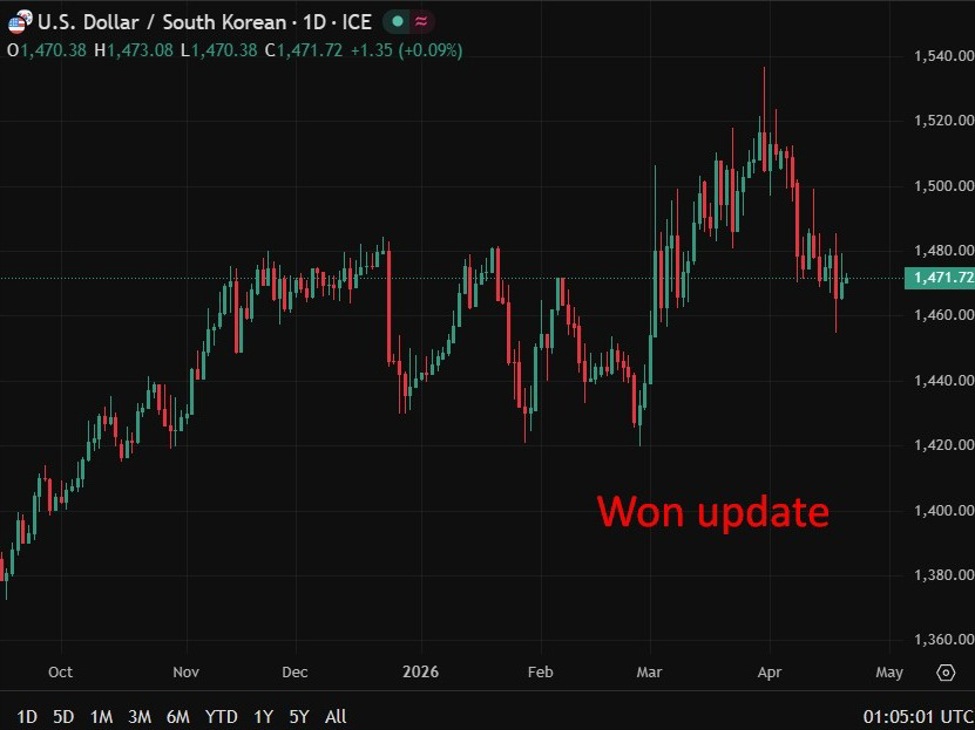
BOK Governor Shin said policy will remain cautious and flexible as Middle East oil shocks lift inflation and weigh on growth, highlighting rising uncertainty and financial stability risks in South Korea.Summary:BOK governor flags rising inflation and growth uncertainty
Middle East conflict driving oil-led supply shock
South Korea highly exposed due to energy imports
Stagflation-like pressures emerging
Financial stability risks also rising
Policy to remain cautious and flexibleThe new governor of the Bank of Korea has struck a cautious tone on monetary policy, warning that rising geopolitical tensions are complicating both the inflation and growth outlook for South Korea.In his inaugural remarks, Governor Shin Hyun-song said policymakers must adopt a “cautious and flexible” approach as the economy faces a supply shock stemming from the Middle East conflict. The surge in oil prices linked to the Iran war is simultaneously pushing inflation higher while weighing on economic activity, a classic stagflationary dynamic.South Korea’s heavy reliance on imported energy leaves it particularly exposed to global supply disruptions. Elevated oil prices feed directly into consumer inflation through fuel and transport costs, while also raising input costs for manufacturers and exporters. At the same time, higher energy costs act as a drag on household consumption and corporate margins, creating downside risks to growth.Shin highlighted that the current environment is also contributing to increased financial market volatility and rising risks to financial stability. This adds another layer of complexity for policymakers, who must balance price stability against broader macroeconomic risks.The comments come as central banks across the region grapple with the fallout from energy-driven inflation shocks, even as domestic demand conditions remain uneven. For South Korea, the policy challenge is particularly acute given its export-oriented economy and sensitivity to global trade and commodity cycles.Shin, who has begun a four-year term, will chair his first policy meeting in late May. Markets will be closely watching for signals on how the Bank intends to navigate the trade-off between inflation control and growth support.
This article was written by Eamonn Sheridan at investinglive.com.
💡 DMK Insight
BOK’s cautious stance signals potential volatility ahead for South Korean markets. With rising inflation driven by Middle East oil shocks, traders need to keep an eye on how this affects consumer spending and economic growth. The Bank of Korea’s flexibility suggests they might adjust interest rates if inflation continues to rise, which could impact the Korean won and related assets. If inflation pressures persist, we could see a shift in investor sentiment, leading to increased volatility in equities and forex markets. Watch for key economic indicators like CPI and GDP growth rates in the coming weeks, as these will provide insight into the effectiveness of BOK’s policies. Additionally, the geopolitical situation in the Middle East could further complicate matters, potentially leading to spikes in oil prices that would exacerbate inflationary pressures. Traders should monitor the won’s performance against major currencies, particularly if it breaches significant support or resistance levels, as this could indicate broader market sentiment shifts.
📮 Takeaway
Keep an eye on South Korea’s inflation data and the won’s performance against major currencies, especially if geopolitical tensions escalate.