Bitcoin
  Ethereum
  Tether
  XRP
XRP  BNB
BNB  USDC
USDC  Solana
  TRON
TRON  Lido Staked Ether
  Figure Heloc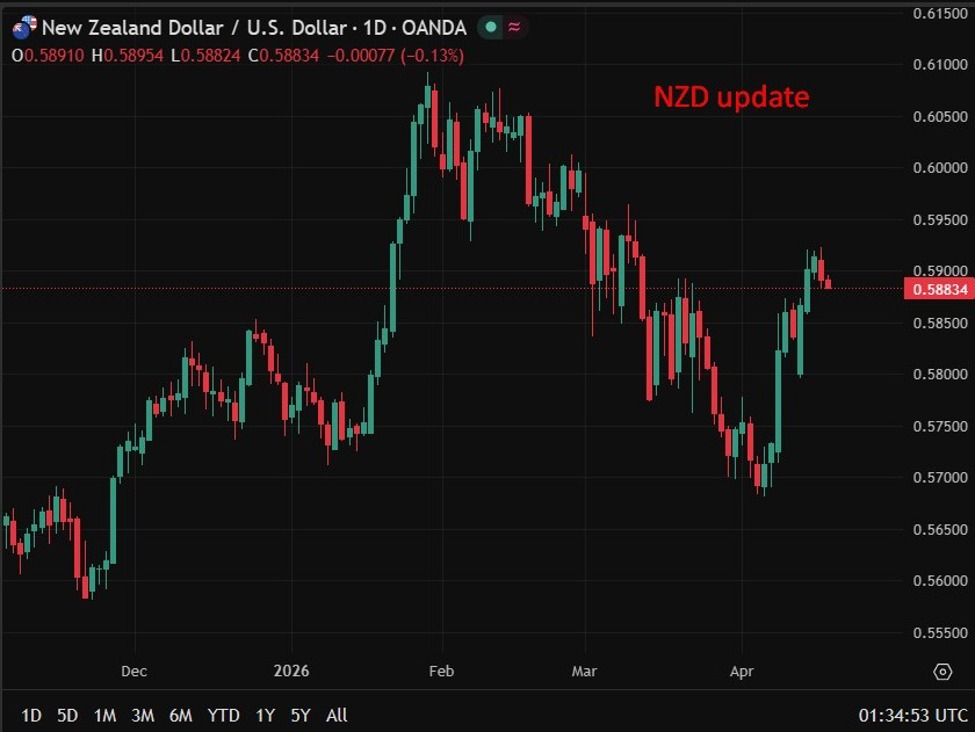
NZ PM Luxon said he has full caucus support despite reports of a leadership push, as weak polling adds to political uncertainty ahead of the election, posing modest downside risks for NZD sentiment.Summary:NZ PM Luxon rejects leadership challenge reports, says he has caucus support
Media reports suggest internal pressure within National Party
Polling shows declining support for Luxon and coalition risks ahead of election
Political uncertainty adds to already fragile NZ economic backdrop
Limited immediate market impact, but risks skewed to NZD sentiment and fiscal outlookNew Zealand Prime Minister Christopher Luxon has pushed back against reports of a potential leadership challenge, insisting he retains full support from his National Party caucus despite rising political pressure ahead of this year’s general election.Speaking to reporters, Luxon said he remains confident in his position, dismissing suggestions that party members are preparing to move against him when parliament returns. Local media reports have indicated that some lawmakers are considering a push for leadership change, though not necessarily through an immediate formal challenge or confidence vote.The political noise comes as polling trends point to weakening support for both Luxon and the governing coalition. Recent surveys show the National Party struggling to consistently poll above 30%, raising questions about its ability to retain power at the 7 November 2026 election. Leadership preference data has also turned unfavourable, with opposition leader Chris Hipkins polling ahead of Luxon in at least one recent survey.From a macro perspective, the developments add a layer of political uncertainty to an already mixed economic backdrop. New Zealand’s economy has been navigating subdued growth, elevated interest rates, and a gradual disinflation process, leaving policymakers at the Reserve Bank of New Zealand in a cautious holding pattern.While the immediate economic impact of the political developments is limited, the situation could become more market-relevant if it begins to influence fiscal policy expectations or investor confidence. A weaker or more contested government heading into the election may reduce policy clarity at a time when economic conditions remain fragile.For financial markets, the implications are likely to be modest in the near term but skewed to sentiment. The New Zealand dollar could face mild pressure if political instability intensifies, particularly against a backdrop of global risk sensitivity and commodity price volatility. Domestic bond markets may remain anchored by the RBNZ’s policy stance, though longer-term yields could begin to reflect increased fiscal uncertainty if political risks escalate.Overall, while not yet a market-moving event, the political backdrop is becoming an increasingly relevant secondary factor for New Zealand assets as the election approaches.
This article was written by Eamonn Sheridan at investinglive.com.
💡 DMK Insight
Political instability in New Zealand could weigh on the NZD, especially with elections looming. PM Luxon’s assertion of caucus support comes amid weak polling, which raises questions about his leadership’s stability. Traders should be wary of potential volatility in the NZD as the election approaches, particularly if internal party dynamics shift. If polling continues to decline, it might trigger a sell-off, impacting the NZD against major pairs like AUD and USD. Keep an eye on key support levels for the NZD; a break below recent lows could signal further downside. Additionally, watch for any shifts in sentiment from institutional players who might react to these political developments. The real story is how this uncertainty could ripple through the forex market, affecting not just the NZD but also correlated assets as traders reassess risk. Monitor polling updates and any news regarding party dynamics closely, as these could serve as catalysts for price movements in the NZD.
📮 Takeaway
Watch for NZD volatility as political uncertainty grows; a break below recent support levels could signal further declines.