Bitcoin
  Ethereum
  Tether
  XRP
XRP  BNB
BNB  USDC
USDC  Solana
  TRON
TRON  Lido Staked Ether
  Figure Heloc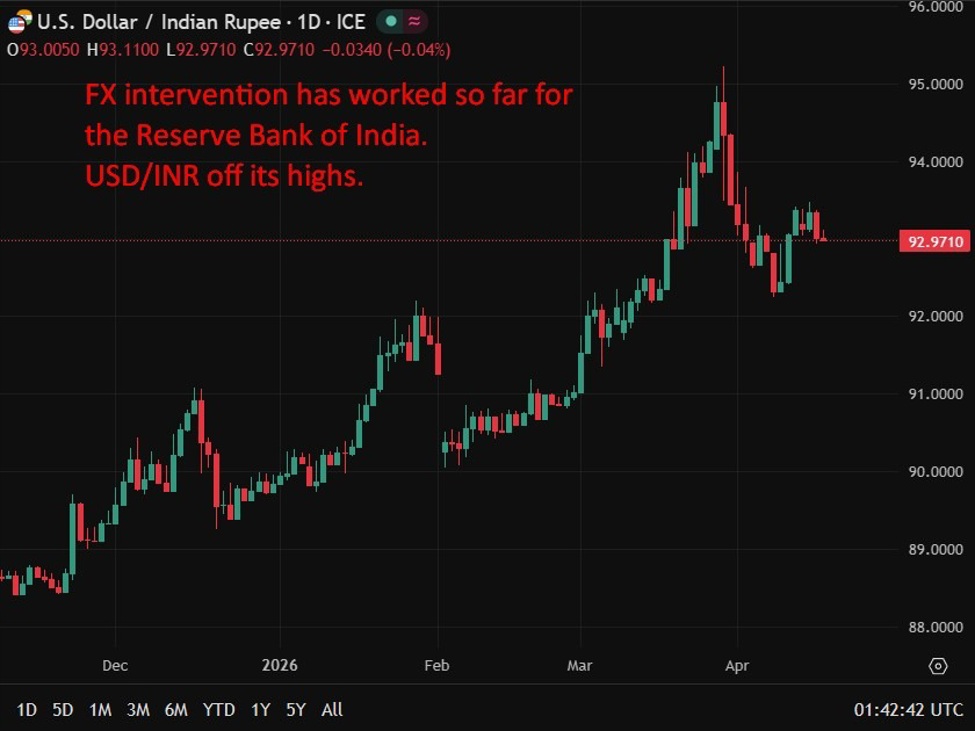
RBI has asked state refiners to curb spot dollar buying and use FX credit lines to ease pressure on the rupee, as oil prices and capital outflows weigh on the currency.Summary:RBI asks state refiners to curb spot dollar buying to support rupee
Oil import FX demand redirected via SBI credit line
Rupee hit record lows amid oil surge and capital outflows
Measures echo crisis-era playbook from Ukraine war period
Currency stabilises modestly following intervention
India’s central bank has moved to curb pressure on the rupee by urging state-run oil refiners to reduce their spot dollar purchases and instead tap a dedicated foreign exchange credit facility, according to sources.The Reserve Bank of India (RBI) has reportedly asked refiners to access foreign currency through a credit line arranged via State Bank of India (SBI), rather than sourcing dollars directly in the spot market. The measure is designed to limit the immediate demand for dollars, easing pressure on the domestic currency at a time of elevated volatility.The move comes as the rupee has come under sustained strain, weakened by a surge in global oil prices linked to the Iran conflict and ongoing foreign portfolio outflows. The currency has fallen more than 3% this year, at one point breaching record lows beyond 95 per U.S. dollar, making it one of the worst-performing major Asian currencies.State-run refiners, including Indian Oil Corp, Hindustan Petroleum, and Bharat Petroleum, account for a significant share of India’s crude imports and are among the largest buyers of dollars in the domestic market. Redirecting their FX demand through SBI, or encouraging use of the RBI-backed credit line, is expected to smooth demand and reduce volatility.Market participants have already noted a decline in refiners’ activity in the spot FX market in recent days, suggesting the measures are having an impact.The steps form part of a broader policy response by the RBI to stabilise the rupee. The central bank has also intervened directly by selling dollars from its foreign exchange reserves, tightened rules around arbitrage trading, and restricted banks from offering certain offshore-linked FX products.These actions appear to have helped steady the currency, with the rupee recovering around 2% from its recent lows.Supports near-term rupee stability and reduces FX volatility, but highlights vulnerability to oil prices and capital flows. Signals continued RBI willingness to intervene, anchoring downside risks in INR.
This article was written by Eamonn Sheridan at investinglive.com.
💡 DMK Insight
The RBI’s move to curb spot dollar buying is a clear signal of its intent to stabilize the rupee amidst rising oil prices and capital outflows. For traders, this means the rupee could face short-term volatility as refiners adjust their strategies. The shift to FX credit lines indicates a proactive approach to manage liquidity, but it also suggests that the RBI is concerned about the rupee’s depreciation. Keep an eye on oil prices; any spike could further strain the rupee. If oil remains elevated, the RBI’s measures may not be enough to prevent further declines. Traders should monitor the USD/INR pair closely, especially around key psychological levels. A breach of recent highs could trigger more aggressive selling of the rupee. On the flip side, if the RBI’s strategy proves effective, we might see a stabilization or even a recovery in the rupee, which could impact related markets like equities and commodities. Watch for any announcements from the RBI regarding further interventions or adjustments to policy, as these could provide critical insights into future market movements.
📮 Takeaway
Monitor the USD/INR pair closely; a breach of recent highs could signal further rupee weakness, while effective RBI measures might stabilize it.