Bitcoin
  Ethereum
  Tether
  XRP
XRP  BNB
BNB  USDC
USDC  Solana
  TRON
TRON  Lido Staked Ether
  Figure Heloc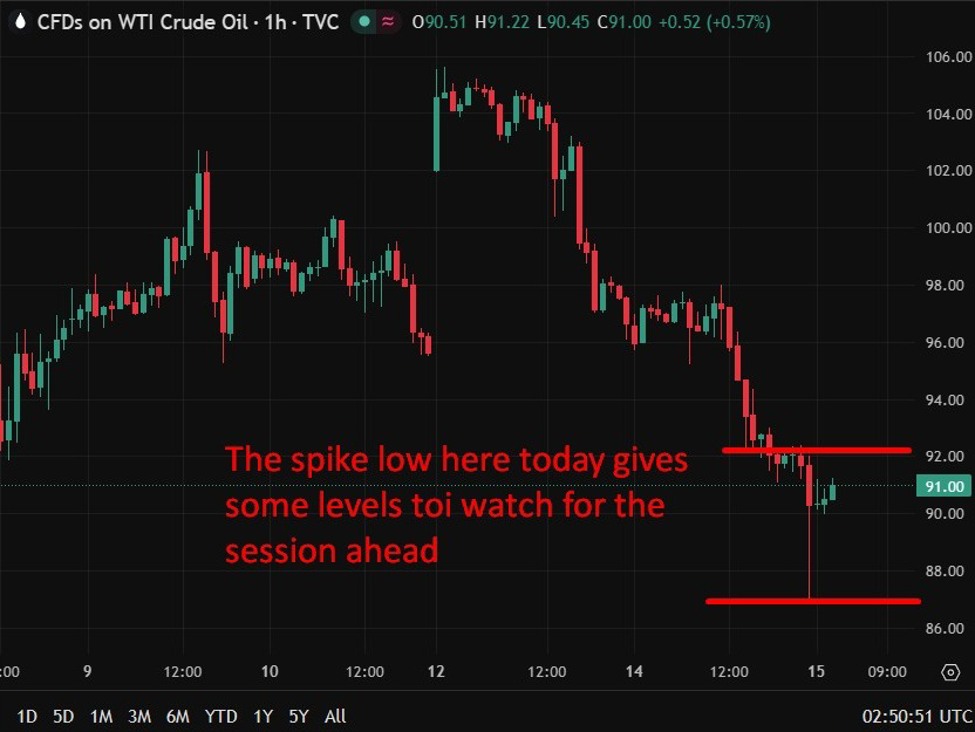
Iran is rebuilding access to underground missile bases during the ceasefire, highlighting the temporary nature of the pause and the risk of renewed conflict.Summary:Iran clearing debris from underground missile bases during ceasefire
US–Israel strikes targeted tunnel entrances to disable launchers
Around half of Iran’s missile launchers assessed still intact
“Missile cities” designed to absorb strikes and rapidly reconstitute
Highlights fragile ceasefire and persistent re-escalation risk
Iran is moving to restore access to its underground missile infrastructure during the ceasefire, according to satellite imagery reviewed by CNN, underscoring the temporary nature of the current lull in hostilities.The images show heavy machinery clearing debris from tunnel entrances linked to so-called “missile cities,” with rubble being removed to reopen access routes. These facilities had been targeted extensively by US and Israeli strikes, which focused on sealing tunnel entrances to prevent missile launchers from deploying or returning to reload.Despite the sustained campaign, US intelligence assessments indicate that roughly half of Iran’s missile launchers remain intact after a month of fighting. However, many of these assets are believed to have been rendered temporarily unusable, buried behind blocked tunnel systems rather than destroyed outright.The current activity suggests Iran is attempting to reconstitute its operational capability, taking advantage of the ceasefire window to restore mobility and readiness. Analysts note that this aligns with the intended design of the underground network, which is built to withstand initial strikes and enable a rapid recovery phase.The concept behind these hardened facilities is inherently cyclical: absorb an attack, clear access, and resume operations. As such, the reopening of tunnel entrances may not represent escalation in itself, but rather a predictable phase in Iran’s military doctrine.For markets and policymakers, the development reinforces the fragility of the ceasefire. While near-term tensions may have eased, the underlying military balance remains largely intact, raising the risk that hostilities could resume once capabilities are restored. —For markets, the development tempers optimism around de-escalation, highlighting that the ceasefire may be providing space for military rebuilding rather than a durable resolution. This keeps geopolitical risk premia elevated, particularly in energy markets, where renewed conflict could quickly disrupt supply. Any signs of restored missile capability are likely to reinforce volatility in oil prices and sustain demand for safe-haven assets.—The mood today in Asia has been of continued optimism, with Vance and Trump both goosing markets:Vance signals US–Iran progress, pushes ‘grand bargain’ as ceasefire holdsHeads up for Trump interview. “He said, its over.”Trump says Iran war: “I view it as very close to over.”
This article was written by Eamonn Sheridan at investinglive.com.
💡 DMK Insight
Iran’s ongoing reconstruction of missile bases during the ceasefire signals a precarious situation for traders, especially in energy and defense sectors. The fact that around half of Iran’s missile launchers remain intact suggests that any escalation in conflict could lead to significant disruptions in oil supply, impacting global prices. Traders should keep an eye on geopolitical developments, as renewed hostilities could trigger volatility in oil markets, particularly if tensions escalate between the US and Israel. Additionally, defense stocks might see a surge if military actions resume. It’s worth noting that while the ceasefire appears to provide temporary relief, the rebuilding efforts indicate that Iran is preparing for potential future conflicts. This could lead to increased risk premiums in oil prices. For those trading energy commodities, monitoring key levels around recent highs could be crucial, as a breach might signal a bullish trend driven by geopolitical fears.
📮 Takeaway
Watch for any escalation in US-Iran tensions; a renewed conflict could spike oil prices and impact defense stocks significantly.