Bitcoin
  Ethereum
  Tether
  XRP
XRP  BNB
BNB  USDC
USDC  Solana
  TRON
TRON  Lido Staked Ether
  Figure Heloc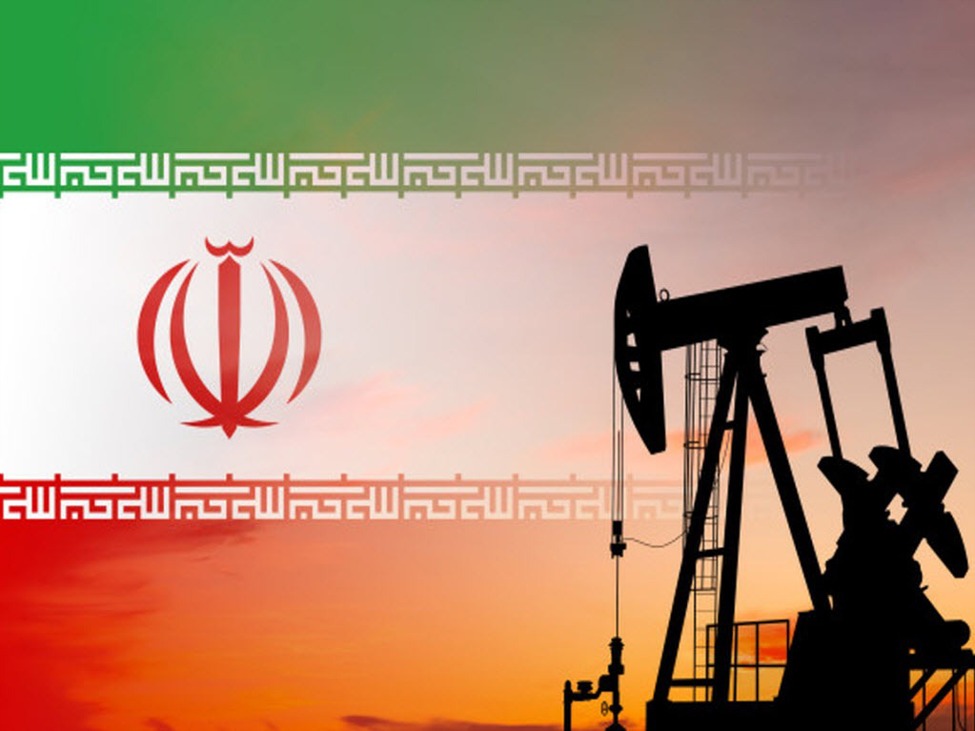
The negotiations between the US and Iran over the weekend failed to produce a deal. In the end, trying to come to a nuclear agreement proved to be a bridge too far. Even though it might just be a singular point, it is one massive gap that both sides are unable to compromise on. So, we’re back to square one it would seem.While the two-week ceasefire appears to be still intact, there doesn’t seem to be much other progress of note. Iran did note that this is the “first round” of talks but it remains to be seen if there will be a second round. The odds of that are rather slim to almost nil, that especially as the US has now stepped up military aggression in the region.After talks broke down, US president Trump announced that they will be proceeding with a naval blockade on the Strait of Hormuz. As such, I wouldn’t hold my breath expecting another round of talks to begin so long as this remains the case. It will take a big ask from Pakistan (and China) to try and mediate the situation this time around.With all that taking place, oil prices have jumped higher as you would expect. That as optimism fades and the status quo on the Strait of Hormuz extends further still. Yet even with this 8% jump today, there might be scope for even greater gains for oil prices this week. For some background: The oil market faces a major reckoning if US-Iran peace talks failWith the physical market already having traded at a $30-40 gap above futures at the end of last week, there is a lot of catching up to do. That especially if there is still no positive news in the coming days. As a reminder, the May contract for WTI crude will run off on 21 April. As mentioned in the linked post:”If there are no positive developments from US-Iran talks in the coming week or so, something has got to give. The May contracts will expire then and without any breakthrough in peace talks, expect there to be major scramble where traders try to buy every last contract to secure whatever oil is left.In turn, that should see a major spike that could close the gap we’re seeing between the futures and physical market. In short, think of the 21 April deadline as the final offramp on a highway before a massive traffic congestion up ahead.”Come end of the week, don’t be surprised if we trade closer to $120 than $100 for oil prices. That especially if there are no changes to the geopolitical landscape from the weekend.
This article was written by Justin Low at investinglive.com.
💡 DMK Insight
The failed US-Iran negotiations are a big deal for traders, especially in the energy markets. With tensions remaining high and no agreement in sight, we could see volatility in oil prices as geopolitical risks escalate. Traders should keep an eye on crude oil futures, as any further developments could lead to price spikes or drops depending on market sentiment. Historically, similar breakdowns in negotiations have led to increased risk premiums in oil, which could push prices above key resistance levels. If we see Brent crude approaching $90 per barrel, that could trigger a wave of speculative buying or selling. On the flip side, if the situation stabilizes unexpectedly, we might see a quick pullback. So, it’s crucial to monitor not just the headlines but also the technical indicators around these levels. Watch for any shifts in sentiment that could affect the broader market, including equities and currencies tied to oil prices, like the Canadian dollar. In the coming days, keep an eye on any new statements from either side, as they could provide clues about future negotiations or military actions, which would further influence market dynamics.
📮 Takeaway
Watch for Brent crude oil prices around $90 per barrel; any geopolitical escalation could trigger significant volatility.