Bitcoin
  Ethereum
  Tether
  XRP
XRP  BNB
BNB  USDC
USDC  Solana
  TRON
TRON  Lido Staked Ether
  Figure Heloc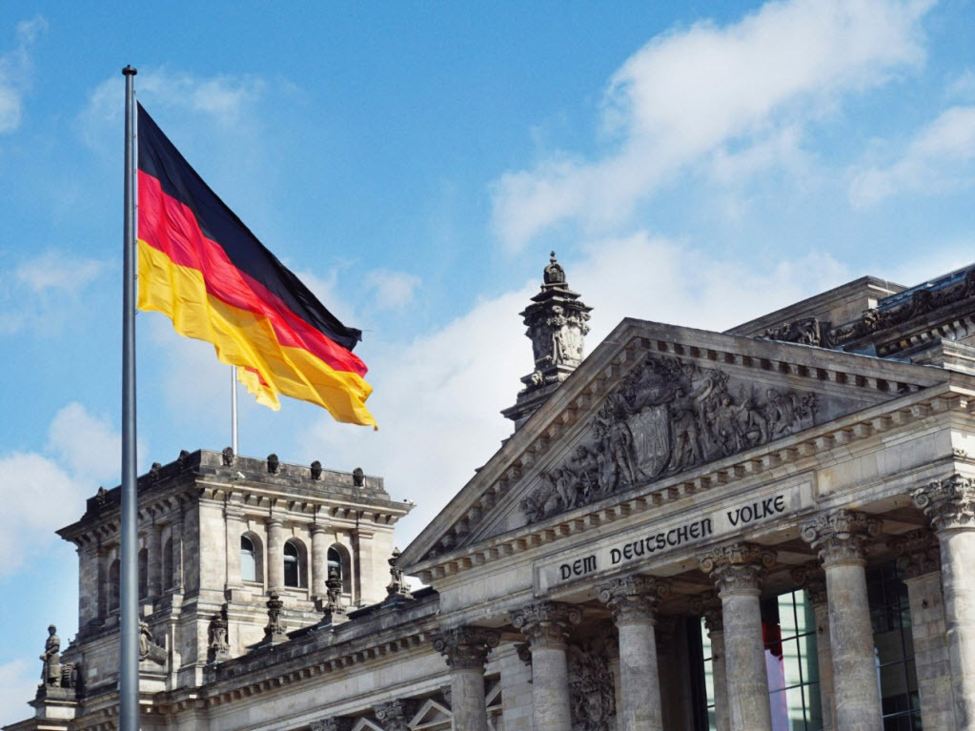
Prior +1.9%HICP +2.8% vs +2.8% y/y prelimPrior +2.0%This just reaffirms the initial estimates, with German headline inflation spiking amid higher energy prices from the US-Iran conflict. Destatis notes that: “Significant price increases for energy products are driving inflation. In particular, fuels and heating oil have become dramatically more expensive for consumers since the beginning of the war.”Of note, energy price inflation was seen up 7.2% compared to the same month last year. This was a decrease of 1.9% instead in February last month. Much of that was led by a surge in fuel prices, which were up 20% year-on-year.As for the more important metric i.e. core annual inflation, that is seen at 2.5%. So, that is still holding thereabouts since the beginning of the year. However, expect higher energy prices to eventually feed through to other aspects of the economy and in turn drive up core prices too. That especially if the Middle East conflict does not ease in the week(s) ahead.Looking at the more detailed breakdown, food price inflation was seen up by 2.3% year-on-year. Meanwhile, services inflation continues to run hot at 3.2% year-on-year. The latter remains a key sticking point in keeping more stubborn price pressures in Germany.
This article was written by Justin Low at investinglive.com.
💡 DMK Insight
German inflation just hit a new high, and here’s why that matters for traders: With headline inflation rising to 2.8% year-on-year, driven by soaring energy prices linked to geopolitical tensions, traders need to brace for potential volatility in both the forex and commodities markets. Higher inflation typically leads to tighter monetary policy, which could impact the euro’s strength against the dollar. If the European Central Bank reacts with interest rate hikes, we might see a stronger euro, but that could also weigh on economic growth. Watch for how this inflation data influences ECB meetings and market sentiment. On the flip side, the energy sector could see further price spikes, affecting commodities like oil and gas. If traders are holding positions in energy stocks or ETFs, they should monitor these developments closely. Key technical levels to watch include support and resistance zones in the euro-dollar pair, as well as oil prices, which could react sharply to any further escalation in the US-Iran conflict. Keep an eye on the next inflation report for further clues on the ECB’s direction and potential market reactions.
📮 Takeaway
Watch for euro volatility as inflation hits 2.8%; key levels in euro-dollar and energy prices could shift dramatically based on ECB responses.