Bitcoin
  Ethereum
  Tether
  BNB
BNB  XRP
XRP  USDC
USDC  Solana
  TRON
TRON  Lido Staked Ether
  Figure Heloc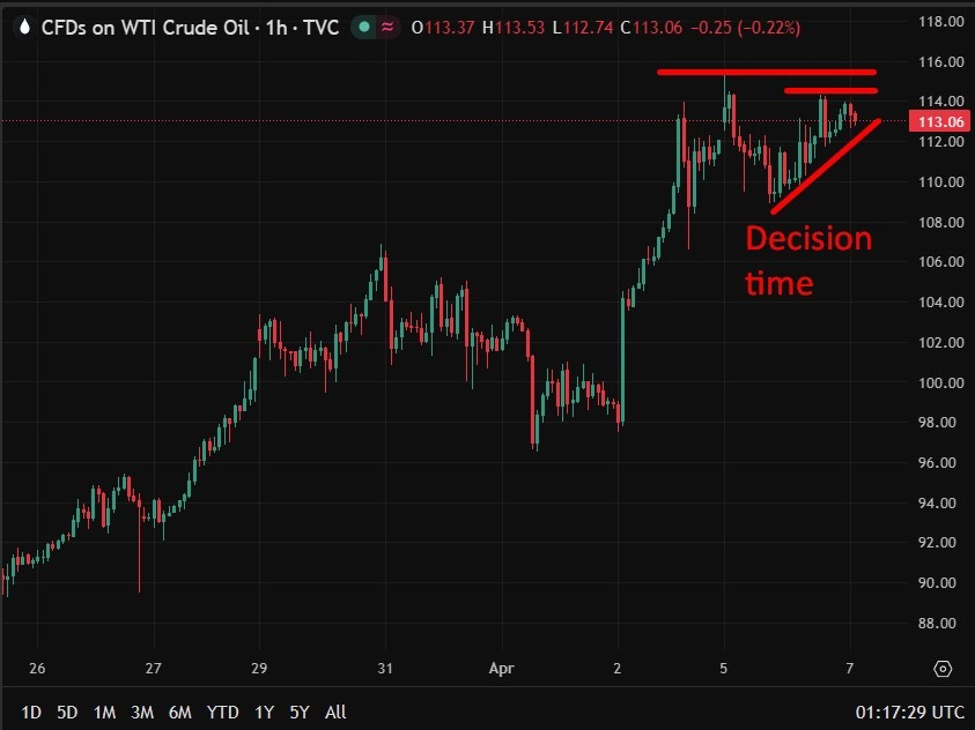
Summary:Negotiators see low odds of Iran meeting Trump’s Hormuz deadline
U.S. may target bridges and power plants if talks fail
Pattern of ultimatum → strikes or extensions seen in past
Iranian officials expect continued military pressure regardless of talks
Ceasefire efforts ongoing but limited progress
Trump signalling both openness to talks and readiness to escalate
Final decision on strikes could come Tuesday evening
Strait of Hormuz remains key global energy chokepointHopes for a last-minute agreement between the United States and Iran are fading ahead of President Donald Trump’s Tuesday evening deadline to reopen the Strait of Hormuz, raising the risk of a renewed escalation in the conflict.Negotiators close to the discussions are increasingly pessimistic that Tehran will meet Washington’s demands in time, with officials warning that the gap between the two sides remains too wide to bridge before the 8 p.m. deadline. The failure to reach a deal would likely trigger a new phase of U.S. military action, with Trump having repeatedly signalled that Iranian infrastructure, including bridges and power plants, could be targeted.The current standoff follows a familiar pattern. During his second term, Trump has on multiple occasions issued ultimatums to Iran, paired with explicit threats of military action. In previous instances, those deadlines have either resulted in strikes or been extended at the last minute, leaving both allies and adversaries uncertain about the ultimate outcome. Iranian officials are reportedly anticipating a similar sequence this time, expecting continued U.S. and Israeli military pressure even if diplomatic channels remain open.Behind the scenes, efforts to secure a ceasefire have intensified. Senior U.S. officials, including JD Vance, alongside regional intelligence figures, are pushing for a breakthrough. However, progress has been limited, with Iranian negotiators signalling scepticism that the U.S. will halt military operations even if talks advance.Publicly, Trump struck a mixed tone, saying negotiations were proceeding “in good faith” while reiterating that failure to comply would result in sweeping military action. Privately, some U.S. officials suggest the administration is preparing for escalation, with expectations that final decisions on strikes could be made as early as Tuesday evening.At the same time, there remains a degree of optionality. Trump retains the ability to extend the deadline, a move he has used previously to prolong negotiations. Markets and policymakers alike are therefore watching for signals not just on the outcome, but on the timing and sequencing of any decision. The stakes remain high. The Strait of Hormuz is a critical artery for global energy flows, and any disruption, or escalation targeting Iranian infrastructure, would have immediate implications for oil prices, inflation expectations, and broader financial market volatility.Not this time?
This article was written by Eamonn Sheridan at investinglive.com.
💡 DMK Insight
The ongoing tensions surrounding Iran and the U.S. are creating a volatile backdrop for traders, especially in energy markets. With the U.S. potentially targeting critical infrastructure like bridges and power plants, the risk of supply disruptions looms large. This could lead to spikes in oil prices, which traders should monitor closely. Historically, similar geopolitical tensions have resulted in sharp price movements, and the current situation is no different. If negotiations fail, we could see a rapid escalation, impacting not just oil but also related assets like energy stocks and ETFs. Keep an eye on key resistance levels in crude oil; a break above recent highs could signal a strong bullish trend. On the flip side, if talks progress unexpectedly, we might see a sell-off in energy markets as traders price in reduced risk. The market’s reaction could be swift, so staying alert to news updates and sentiment shifts is crucial. Watch for any announcements from the U.S. or Iranian officials in the coming days, as they could provide clearer direction for traders.
📮 Takeaway
Watch for oil prices; a breakout above recent highs could signal a bullish trend, while any positive news from negotiations might trigger a sell-off.