Bitcoin
  Ethereum
  Tether
  XRP
XRP  BNB
BNB  USDC
USDC  Solana
  TRON
TRON  Lido Staked Ether
  Figure Heloc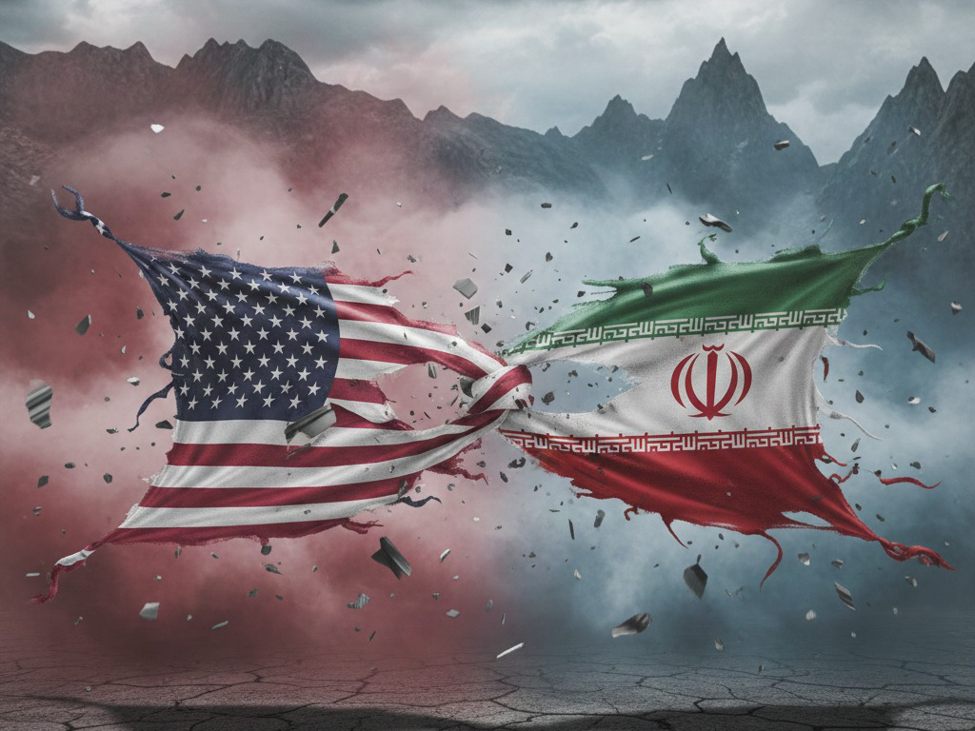
Tehran has rejected any temporary ceasefire with the USTehran has set preconditions for talks with the US on a lasting peacePreconditions include an immediate halt to strikes, guarantees strikes will not be repeated and compensation for damagesUnder a permanent peace deal, Tehran demands fees for ships passing through the Strait of HormuzA Senior Iranian source is saying that Tehran has rejected the US proposal for a temporary ceasefire, labeling the truce offer as a tactical maneuver rather than a sincere path to peace. A senior Iranian source confirmed that the Islamic Republic has instead submitted a counter-proposal emphasizing that it will only consider a permanent resolution to the conflict. The rejection comes as a final deadline set by Trump for Tuesday evening approaches, with Washington threatening massive strikes against Iranian civilian infrastructure, including power plants and bridges, if the Strait of Hormuz is not reopened.Tehran’s new stance pivots on a set of strict preconditions for any further negotiations. The Iranian leadership is demanding an immediate and total halt to all US and Israeli military strikes as a baseline for dialogue. Furthermore, the proposal insists on ironclad international guarantees that such “acts of aggression” will not be repeated in the future. Beyond a cessation of hostilities, Tehran is also seeking significant financial compensation for the extensive damage caused by the military strikes since the outbreak of the conflict.Under the terms of a proposed permanent peace deal, Tehran is demanding the right to collect transit fees from ships passing through the Strait. Something that the US is likely to reject. As of now, tensions remain high and a real breakthrough before the deadline expires looks unlikely.
This article was written by Giuseppe Dellamotta at investinglive.com.
💡 DMK Insight
Tehran’s firm stance against a temporary ceasefire is a red flag for traders: This development could escalate tensions in the Middle East, impacting oil prices and broader market sentiment. With the Strait of Hormuz being a critical chokepoint for global oil supply, any disruption here could lead to significant price spikes. Traders should keep an eye on crude oil futures, especially if tensions escalate further. The demand for compensation and guarantees from Tehran suggests they are not backing down, which could lead to prolonged instability. Look for key resistance levels in oil prices; if they break above recent highs, we might see a rush to hedge against supply disruptions. Additionally, monitor geopolitical news closely, as any shifts could trigger volatility in related markets like energy stocks and ETFs. The real story is how this could ripple through global markets, affecting everything from forex to commodities.
📮 Takeaway
Watch for oil prices; a breakout above recent highs could signal increased volatility due to escalating tensions in the Middle East.