Bitcoin
  Ethereum
  Tether
  XRP
XRP  BNB
BNB  USDC
USDC  Solana
  TRON
TRON  Lido Staked Ether
  Figure Heloc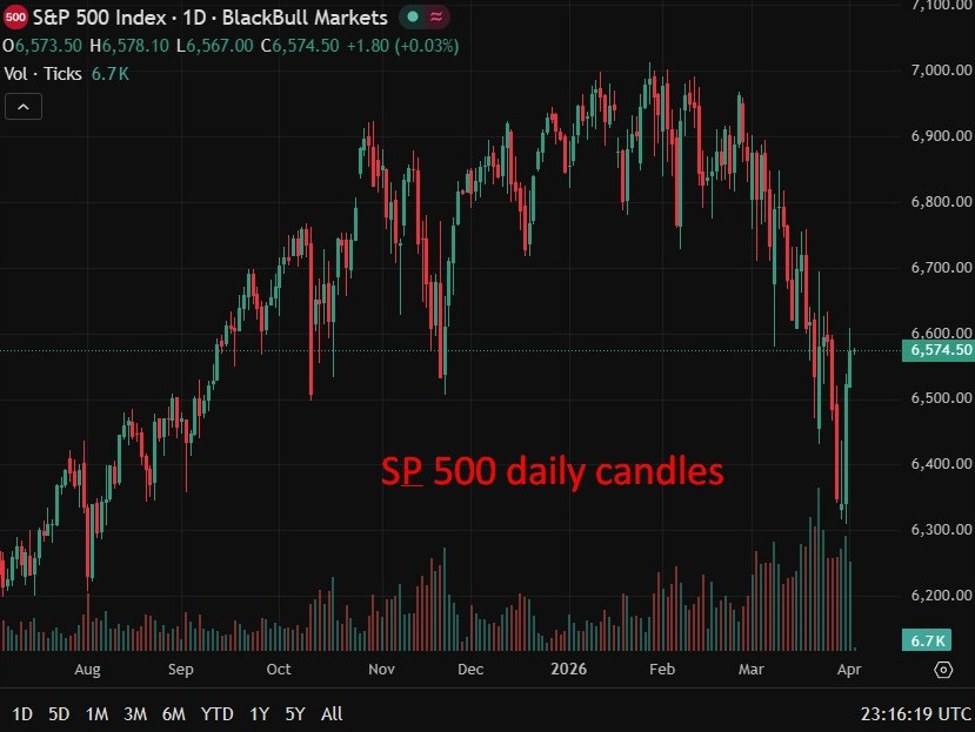
Hedge funds hit by worst drawdown in years as volatility forces de-risking.Summary:Hedge funds suffer worst monthly drawdown since January 2022
Fundamental long/short strategies hit hardest across all regions
Asia-focused funds lead losses, followed by Europe and US
Volatility from Iran war and cross-asset moves drove de-risking
Systematic strategies outperform as discretionary funds struggle
Global hedge funds endured their worst monthly performance in over four years in March, as heightened volatility tied to the Iran conflict and broader cross-asset dislocations triggered widespread losses across discretionary strategies.According to Goldman Sachs prime brokerage data, fundamental long/short equity funds declined by just over 5% on average during the month, marking the steepest drawdown since early 2022. The weakness was broad-based across regions, with Asia-focused funds leading losses, followed by Europe and the United States.The sell-off comes against a backdrop of rising geopolitical tensions, sharp moves in interest rates, currencies and commodities, and increasingly unstable equity factor rotations. These conditions forced hedge funds to rapidly reduce risk, exacerbating losses and exposing crowded positioning across portfolios.Equity markets themselves posted moderate declines over the quarter, but the more significant impact on hedge funds stemmed from positioning and leverage. Funds continued to unwind global equity exposure at the fastest pace in over a decade, with net selling accelerating and short positions outweighing long additions, particularly in North America.Technology, media and telecommunications stocks were among the worst-hit sectors, reflecting broader weakness in growth and high-beta exposures. Larger multi-manager platforms, which typically rely on diversified strategies and higher leverage, saw outsized drawdowns relative to peers, highlighting the vulnerability of “pod shop” models in periods of rapid correlation shifts.In contrast, systematic and quantitatively driven strategies posted gains during the month, benefiting from directional trends and alpha generation independent of broader market declines. This divergence underscores a growing split between discretionary stockpickers and model-driven approaches in volatile environments.Leverage levels remained elevated, hovering near record highs, which amplified the impact of market moves and forced deleveraging. The episode highlights how quickly conditions can deteriorate when volatility rises and correlations spike, even for diversified hedge fund portfolios.Despite the sharp monthly losses, performance across the first quarter remains mixed, with some regions and strategies still in positive territory. However, March’s drawdown serves as a clear reminder of the sensitivity of hedge fund strategies to geopolitical shocks and rapid market regime shifts.—Ackman sees some hope (this posted earlier this week)
This article was written by Eamonn Sheridan at investinglive.com.
💡 DMK Insight
Hedge funds are facing their worst monthly drawdown since January 2022, and here’s why that matters: The recent volatility, driven by geopolitical tensions like the Iran war, has forced many hedge funds to de-risk, particularly those employing long/short strategies. This trend is significant for traders because it indicates a shift in market sentiment, where risk-off behavior could lead to further declines in asset prices across various sectors. Asia-focused funds are leading the losses, which could ripple through related markets, especially those tied to emerging economies. Systematic strategies, on the other hand, are outperforming, suggesting that traders might want to pivot towards more algorithmic or quantitative approaches in the current environment. Look for key technical levels in major indices; if the S&P 500 breaks below its recent support, it could trigger more selling pressure. Also, keep an eye on volatility indices like the VIX, which could signal further market instability. As hedge funds adjust their positions, retail traders should be cautious about chasing rallies and instead focus on risk management strategies to navigate this turbulent period.
📮 Takeaway
Watch for S&P 500 support levels; a break could lead to increased selling pressure as hedge funds de-risk further.