Bitcoin
  Ethereum
  Tether
  XRP
XRP  BNB
BNB  USDC
USDC  Solana
  TRON
TRON  Lido Staked Ether
  Figure Heloc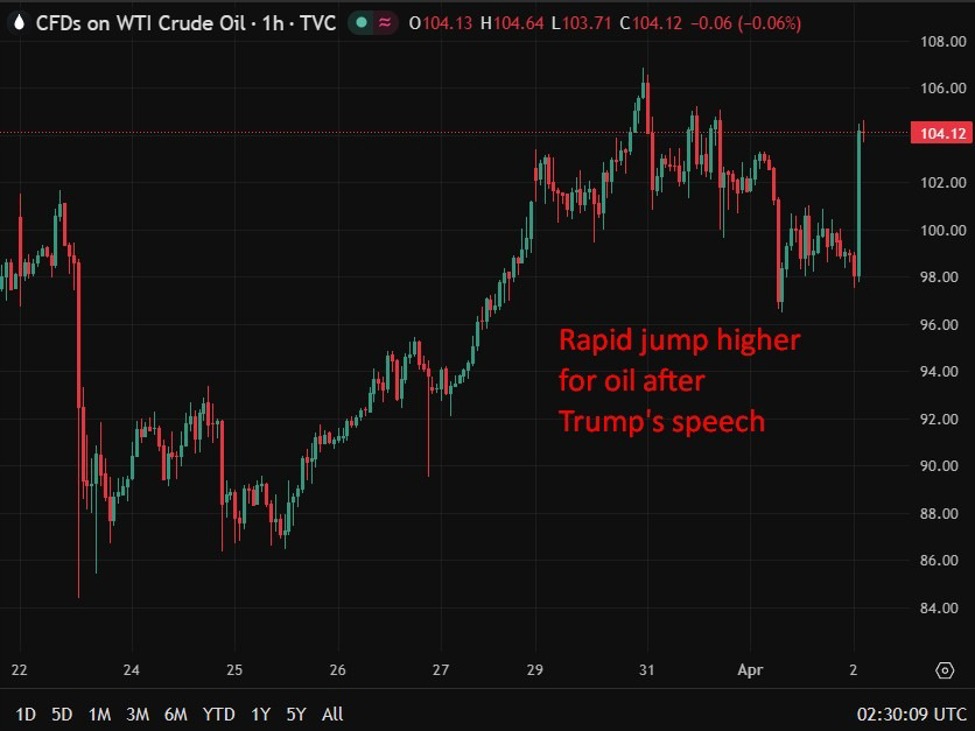
AUD and NZD slide as oil shock fuels stagflation fears and rate hike expectations.Summary:AUD and NZD fall as oil surge and war risks weigh on growth outlook
Hormuz disruption fuels stagflation concerns across global markets
Trump signals conflict may end but keeps near-term military pressure
Markets price higher inflation and further RBA tightening
Antipodean currencies hit as growth-sensitive proxies
The Australian and New Zealand dollars came under renewed pressure as rising energy prices and persistent geopolitical uncertainty reinforced stagflation concerns, weighing on growth-sensitive currencies and broader risk sentiment.Oil prices had previously moved sharply higher amid ongoing disruption to flows through the Strait of Hormuz, a critical global supply route for crude, LNG and other commodities. The effective closure of the waterway has tightened global supply conditions, lifting inflation expectations and darkening the outlook for global growth, particularly for economies sensitive to external demand.The latest move up now follows remarks from US President Trump, who indicated the conflict with Iran could conclude in the coming weeks but confirmed that military operations would continue in the near term. He also suggested the Strait of Hormuz would reopen naturally once hostilities subside, offering little immediate reassurance to markets grappling with supply disruptions.The combination of elevated oil prices and prolonged uncertainty has intensified stagflation risks, with higher input costs already feeding through to fuel, transport, fertiliser and food prices. This dynamic has prompted economists to reassess both growth and inflation trajectories.Revised forecasts point to slower economic expansion alongside stronger inflation pressures, reinforcing expectations that central banks may need to tighten policy further despite a weakening growth backdrop. In Australia, this has translated into a more hawkish rate outlook, with markets increasingly pricing additional tightening in the months ahead.Against this backdrop, the Australian dollar reversed earlier gains and moved lower, with technical levels now in focus as downside risks build. The New Zealand dollar followed a similar path, slipping after failing to sustain recent strength, as both currencies remain highly exposed to shifts in global risk sentiment and commodity-driven inflation dynamics.Market pricing continues to reflect a high probability of further rate increases from the Reserve Bank of Australia, with expectations for the policy rate to rise further before peaking later this year. However, the tightening cycle is increasingly being framed within a stagflationary context, where central banks face the challenge of balancing persistent inflation against deteriorating growth conditions.
This article was written by Eamonn Sheridan at investinglive.com.
💡 DMK Insight
The recent slide in AUD and NZD is a direct response to rising oil prices and escalating stagflation fears. As oil surges, driven by geopolitical tensions, traders are recalibrating their growth outlooks, particularly for the Australian and New Zealand economies, which are heavily reliant on commodity exports. The market’s shift towards pricing in higher inflation and potential rate hikes indicates a growing concern that central banks may need to act aggressively to combat rising prices. This could lead to increased volatility in these currencies, especially if inflation data continues to surprise to the upside. Keep an eye on the 0.65 level for AUD/USD and 0.60 for NZD/USD, as breaking these could trigger further selling pressure. Additionally, watch for any updates on military actions or oil supply disruptions, as these will likely impact sentiment and trading strategies in the short term.
📮 Takeaway
Traders should monitor the 0.65 level for AUD/USD and 0.60 for NZD/USD, as breaking these could signal further declines amid stagflation fears.