Bitcoin
  Ethereum
  Tether
  XRP
XRP  BNB
BNB  USDC
USDC  Solana
  TRON
TRON  Lido Staked Ether
  Figure Heloc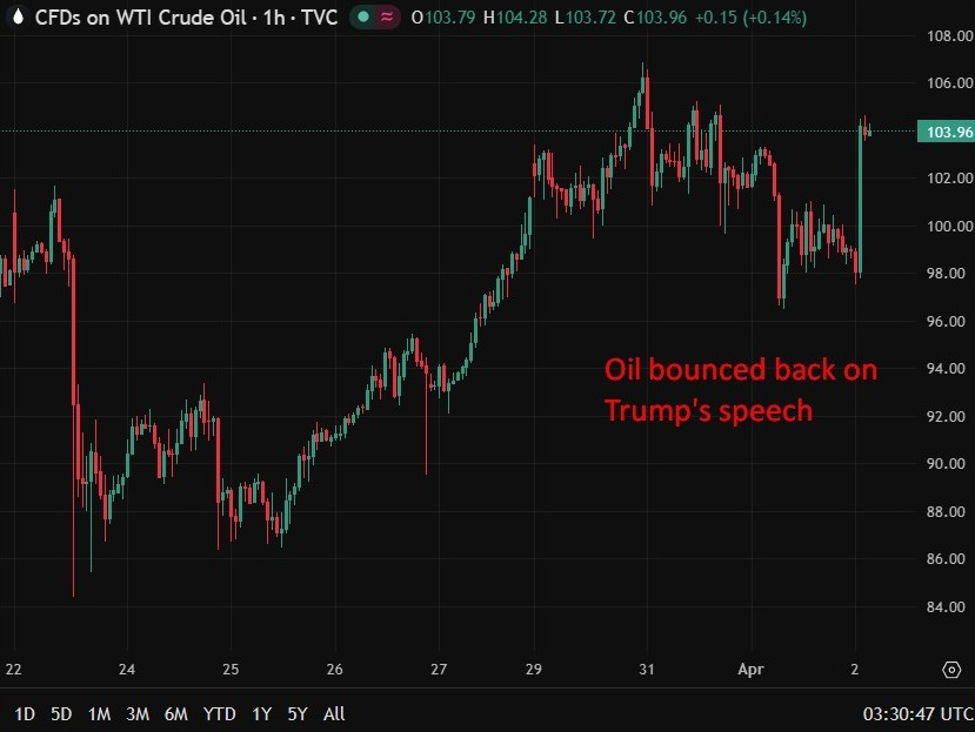
South Korea scrambles for oil supply as Hormuz disruption forces sourcing shift.Summary:South Korea secures ~50m barrels of alternative oil for April
Hormuz disruption cuts access to Middle East crude flows
Government taps multiple suppliers and manages demand
Shortfall remains versus normal import levels
Australia LNG curbs seen as limited impact
South Korea has moved to secure alternative oil supplies as disruption to flows through the Strait of Hormuz constrains access to Middle Eastern crude, underscoring the growing strain on global energy logistics. Info via Yonhap. Officials said around 50 million barrels of replacement supply have been arranged for April, compared with typical monthly imports of roughly 80 million barrels. The shortfall highlights the scale of disruption stemming from the effective closure of Hormuz, a critical transit route for global energy markets.To offset the gap, authorities are coordinating closely with domestic refiners and expanding sourcing across multiple regions. Supply efforts have focused on producers including Saudi Arabia, Oman, Kazakhstan and the United States, as Seoul seeks to diversify inflows and stabilise energy availability.Alongside supply measures, the government is also managing demand and implementing crude oil swap arrangements with private-sector participants to smooth distribution and mitigate potential shortages. Officials signalled that additional alternative volumes are expected to come online in May, suggesting some improvement in supply conditions if sourcing efforts continue to scale.The developments highlight how quickly supply chains are being reconfigured in response to geopolitical disruption, with major importers scrambling to secure replacement barrels and reduce reliance on constrained routes.Overall, the situation underscores both the vulnerability and resilience of global energy markets, as countries adjust sourcing strategies while managing near-term supply risks tied to ongoing geopolitical tensions.Earlier in the session here:Trump offers no new Iran signals; markets turn cautious after speech
This article was written by Eamonn Sheridan at investinglive.com.
💡 DMK Insight
South Korea’s scramble for 50 million barrels of alternative oil is a game-changer for traders. The disruption in the Hormuz Strait is a critical event, as it directly impacts crude oil supply chains. For traders, this means increased volatility in oil prices, especially if South Korea’s alternative sourcing doesn’t meet demand. With the government actively managing imports, watch for price fluctuations in both crude and related energy markets. The shortfall compared to normal import levels could lead to upward pressure on prices, particularly if global demand remains steady or increases. Keep an eye on technical levels around key resistance points in crude oil futures; a breach could signal further upside. On the flip side, while the immediate focus is on oil, the limited impact on Australian LNG suggests that traders should also monitor natural gas prices for any spillover effects. If oil prices rise significantly, it could shift demand dynamics in the energy sector, affecting everything from transportation to manufacturing. Watch for any announcements from South Korean suppliers or changes in import policies that could signal shifts in market sentiment.
📮 Takeaway
Traders should monitor crude oil futures closely for volatility as South Korea’s oil sourcing shifts, particularly if prices breach key resistance levels.