Bitcoin
  Ethereum
  Tether
  BNB
BNB  XRP
XRP  USDC
USDC  Solana
  TRON
TRON  Lido Staked Ether
  Figure Heloc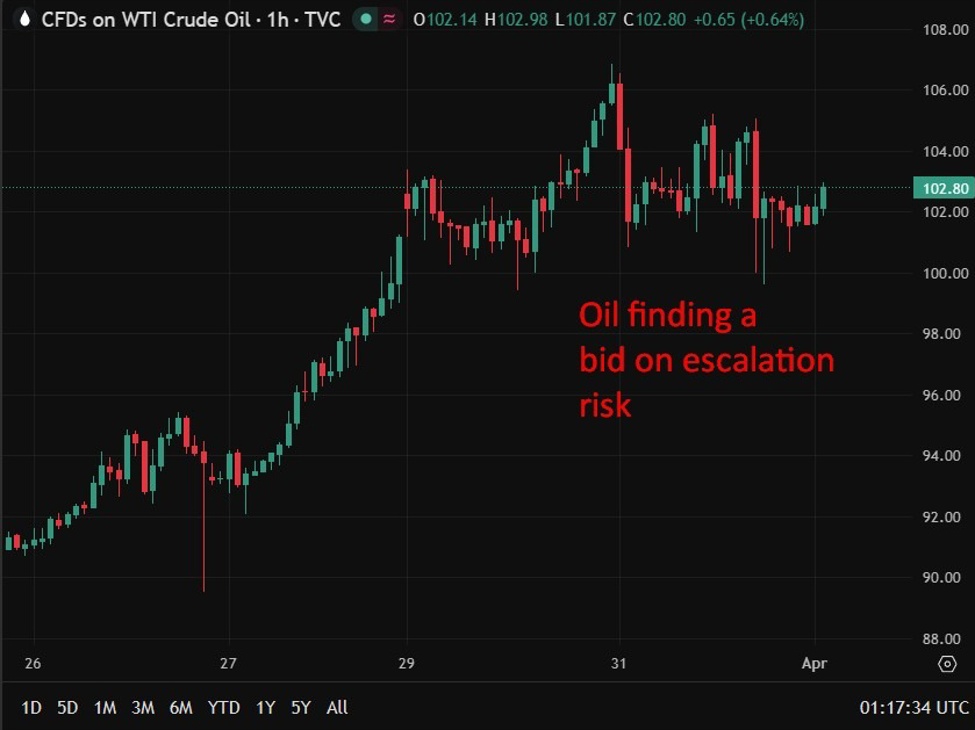
The UAE is pushing for military action to reopen the Strait of Hormuz, marking a major strategic shift and raising the risk of broader regional escalation as Iran warns of further retaliation. Wall Street Journal (gated) with the report. Summary:UAE is pushing to reopen Strait of Hormuz by force, lobbying for UN-backed coalition
Would mark first Gulf state entering combat role against Iran
Proposal includes mine-clearing, escort operations, and possible island seizures
Iran has escalated attacks on UAE, warning of further strikes on infrastructure
Move reflects major strategic shift as Gulf states align more closely with US war effort
Raises risk of broader regional war and prolonged energy disruptionThe United Arab Emirates is taking a more assertive stance in the Iran conflict, signalling it is prepared to support military action to reopen the Strait of Hormuz, a critical global energy chokepoint.According to officials, the UAE is lobbying for a United Nations Security Council resolution that would authorise a multinational effort to restore freedom of navigation in the strait, including the potential use of force. Emirati officials are also urging the United States and allied powers across Europe and Asia to form a coalition capable of clearing mines, escorting commercial shipping and, if necessary, taking control of strategic territory along the waterway. The shift marks a significant change in the UAE’s posture. Historically cautious and economically intertwined with Iran, the country had previously sought to avoid direct confrontation. However, sustained Iranian missile and drone attacks, along with economic damage to sectors such as aviation, tourism and property, have altered that calculus.The UAE is now actively considering a direct military role, including supporting operations to secure key islands in the strait. The waterway is vital not only for global oil and gas flows but also for the UAE’s own economic model, which depends heavily on trade, logistics and stable shipping routes.Other Gulf states are also hardening their stance. Saudi Arabia and Bahrain are backing efforts to increase pressure on Iran, though most have not yet committed to direct military engagement. Bahrain is sponsoring the proposed UN resolution, with a vote expected soon.However, the risks of escalation are significant. Iran has warned it will intensify strikes against any country participating in efforts to challenge its control over the strait, and attacks on UAE infrastructure have already increased sharply. Analysts caution that even a limited military operation could trigger prolonged instability, particularly if Iran retains the ability to disrupt shipping with asymmetric tactics such as mines, drones or small craft.While the UAE’s move reflects growing urgency among Gulf states, it also underscores the difficulty of securing the strait militarily. Any operation would likely require sustained control of both the waterway and surrounding territory, raising the prospect of a deeper and longer conflict.
This article was written by Eamonn Sheridan at investinglive.com.
💡 DMK Insight
The UAE’s push for military action in the Strait of Hormuz is a game changer for oil markets. With Iran’s threats of retaliation, traders need to brace for potential supply disruptions. The Strait is a critical chokepoint for global oil shipments, and any escalation could spike crude prices significantly. Watch for volatility in oil futures, especially if tensions escalate in the coming weeks. This situation could also impact related assets like the USD and emerging market currencies, as geopolitical risks often lead to a flight to safety. Keep an eye on the $80 per barrel level for Brent crude; a breach could trigger a wave of buying as traders hedge against supply shocks. Conversely, if the situation de-escalates, we might see a pullback in oil prices, offering a potential buying opportunity for those looking to enter at lower levels. The real story here is how quickly sentiment can shift based on headlines, so stay alert for news updates and adjust your positions accordingly.
📮 Takeaway
Monitor Brent crude around the $80 level; any escalation in the Strait of Hormuz could trigger significant price movements.