Bitcoin
  Ethereum
  Tether
  BNB
BNB  XRP
XRP  USDC
USDC  Solana
  TRON
TRON  Lido Staked Ether
  Figure Heloc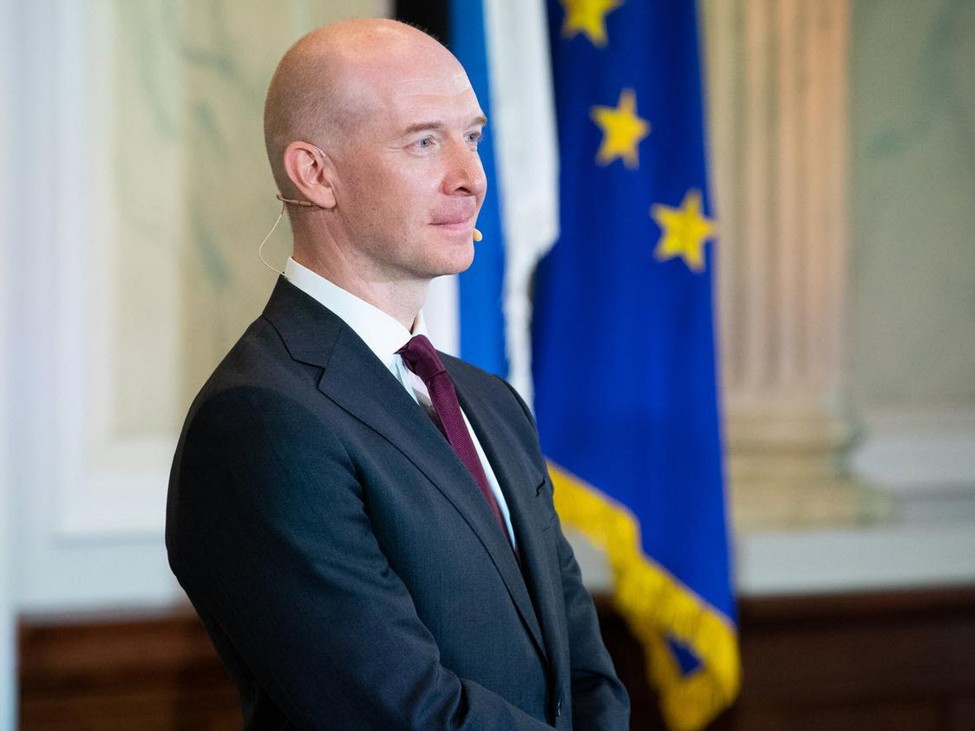
ECB’s baseline projection could be already too optimisticInterest rates will probably rise in the coming quarters if energy prices stay high for too longECB policymaker, Madis Müller, suggests that the central bank’s current economic projections may be already too optimistic, warning that rate hikes will probably come in the coming quarters if energy prices stay high for too long. Speaking in the wake of the ECB’s March 2026 staff projections, Müller expressed concern that the baseline scenario, which already revised 2026 inflation upward to 2.6%, might underestimate the persistence of price pressures stemming from the ongoing conflict in the Middle East.While the ECB recently opted to hold its key deposit rate at 2.00%, the tone from policymakers has shifted toward a hawkish stance. Müller noted that the current baseline assumes energy prices will begin to stabilize and eventually decline, but he cautioned that if oil and gas prices remain elevated for an extended period, the likelihood of a rate increase becomes significantly higher. The primary concern is that high energy costs will no longer remain isolated but will instead seep into the broader economy through “second-round effects,” where businesses raise prices for various goods and services to compensate for their own rising utility bills.The risk to the Eurozone economy is twofold: higher inflation and lower growth. The ECB’s updated forecast has already lowered growth expectations for 2026 to 0.9%, yet Müller’s comments suggest that even this sluggish figure depends on a relatively benign path for commodity markets. Should energy prices stay high for too long, the ECB may be forced to act to prevent inflation expectations from becoming unanchored. Müller emphasized that while the central bank prefers measured steps to avoid market disruption, the longer the geopolitical instability lasts, the more likely a monetary response will be required.Currently, the ECB remains in a “data-dependent” mode, making decisions meeting-by-meeting without a pre-committed path. The market is pricing in a 58% chance of a rate hike at the upcoming meeting and an 87% probability of a move in June.
This article was written by Giuseppe Dellamotta at investinglive.com.
💡 DMK Insight
The ECB’s potential rate hikes are a red flag for traders: higher interest rates could dampen market liquidity and impact asset valuations. If energy prices remain elevated, the ECB’s optimistic projections might not hold, leading to tighter monetary policy sooner than expected. This could trigger volatility across forex and crypto markets, particularly for assets sensitive to interest rate changes. Watch for how the euro reacts against the dollar; a stronger euro could signal confidence in the ECB’s stance, while a weaker euro might indicate market skepticism. Traders should keep an eye on the upcoming inflation data and energy price trends, as these will be crucial in shaping ECB decisions and market sentiment. Here’s the thing: if the ECB moves ahead with rate hikes, it could lead to a stronger euro, which would impact dollar-denominated assets. Monitor the EUR/USD pair closely for potential breakout levels, especially if it approaches recent highs or lows.
📮 Takeaway
Keep an eye on the EUR/USD pair; a shift in ECB policy could trigger significant volatility in forex and crypto markets.