Bitcoin
  Ethereum
  Tether
  XRP
XRP  BNB
BNB  USDC
USDC  Solana
  TRON
TRON  Lido Staked Ether
  Figure Heloc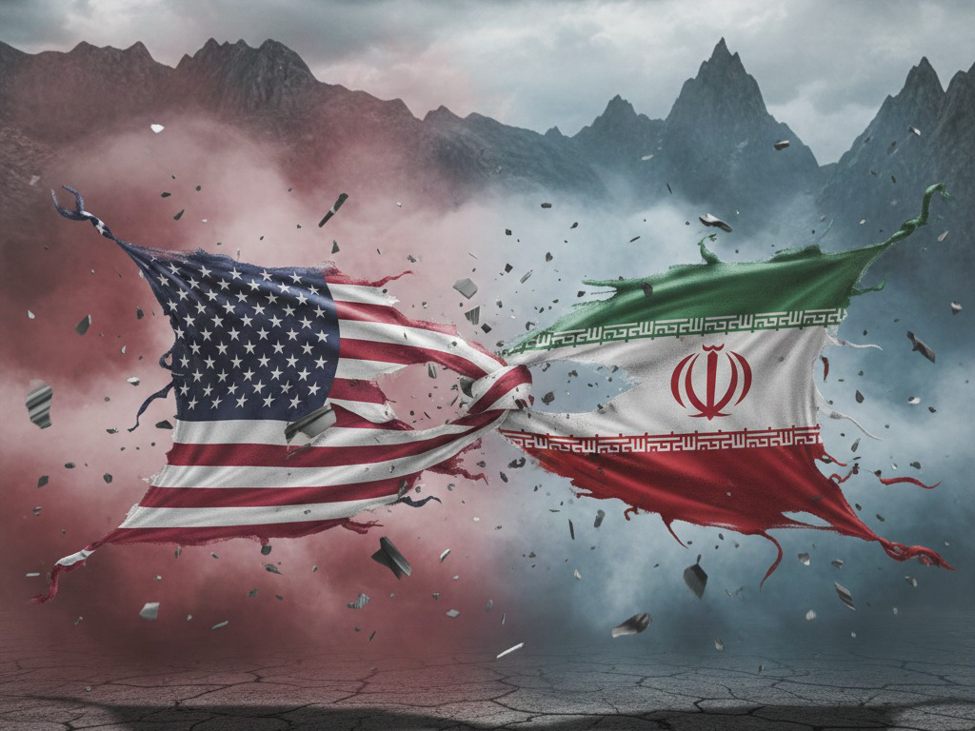
No direct talks with the US took place, only messages via intermediaries Proposals conveyed to Iran have mostly been ‘unrealistic, unreasonable and excessive’Tehran is dismissing reports of direct negotiations with Washington, clarifying that recent diplomatic exchanges have been limited to messages conveyed through third-party intermediaries. Iranian Foreign Ministry spokesperson, Esmaeil Baghaei, emphasized that these communications do not constitute formal “talks,” reiterating the long-standing refusal to engage in direct dialogue under current conditions.According to the Foreign Ministry, the proposals received from the US via these mediators have been largely characterized as “unrealistic, unreasonable, and excessive.” Iranian officials suggest that the terms presented by the US side fail to account for regional realities and represent a “maximalist” approach that Tehran is unwilling to engage. The spokesperson noted that Iran’s leadership has reviewed the messages but found the demands to be deceptive, suggesting they are part of a broader strategy to exert pressure rather than a sincere effort at diplomacy.This stance comes amid a backdrop of heightened tensions, with Tehran pointing to past experiences with American diplomacy as a primary reason for its current skepticism. Specifically, Iranian officials cited instances where they claim the US initiated military actions or applied new sanctions while diplomatic channels were still active. As a result, the Foreign Ministry maintained that the country’s current focus remains on national defense and sovereignty rather than entering into what it views as a lopsided negotiating framework.While several regional “friendly countries”, including Pakistan and Oman, have attempted to facilitate a breakthrough, Iran has remained firm that it will only consider an end to hostilities on its own terms. These conditions reportedly include the total cessation of “aggression and assassinations,” guaranteed reparations for war damages, and formal recognition of Iran’s sovereign rights. Until such conditions are met, the Foreign Ministry indicates that any messages from Washington will continue to be viewed as insufficient.
This article was written by Giuseppe Dellamotta at investinglive.com.
💡 DMK Insight
So, Iran’s dismissing direct talks with the US, and here’s why that matters: this could keep geopolitical tensions high, impacting oil prices and broader market sentiment. With the ongoing uncertainty, traders should keep an eye on oil futures, especially if tensions escalate further. If Iran continues to reject proposals, we might see a spike in volatility in energy markets, which could ripple into currencies like the Iranian Rial and even the Euro, given Europe’s reliance on oil imports. Watch for key resistance levels in crude oil; a break above recent highs could signal a bullish trend, while a failure to hold could lead to a pullback. On the flip side, if any unexpected diplomatic breakthroughs occur, it could lead to a sharp reversal in oil prices, so staying alert to news updates is crucial. Keep an eye on the next few weeks for any shifts in rhetoric or proposals that could change the landscape.
📮 Takeaway
Monitor oil prices closely; any escalation in tensions could push crude above key resistance levels, impacting related currencies and markets.