Bitcoin
  Ethereum
  Tether
  BNB
BNB  XRP
XRP  USDC
USDC  Solana
  TRON
TRON  Lido Staked Ether
  Figure Heloc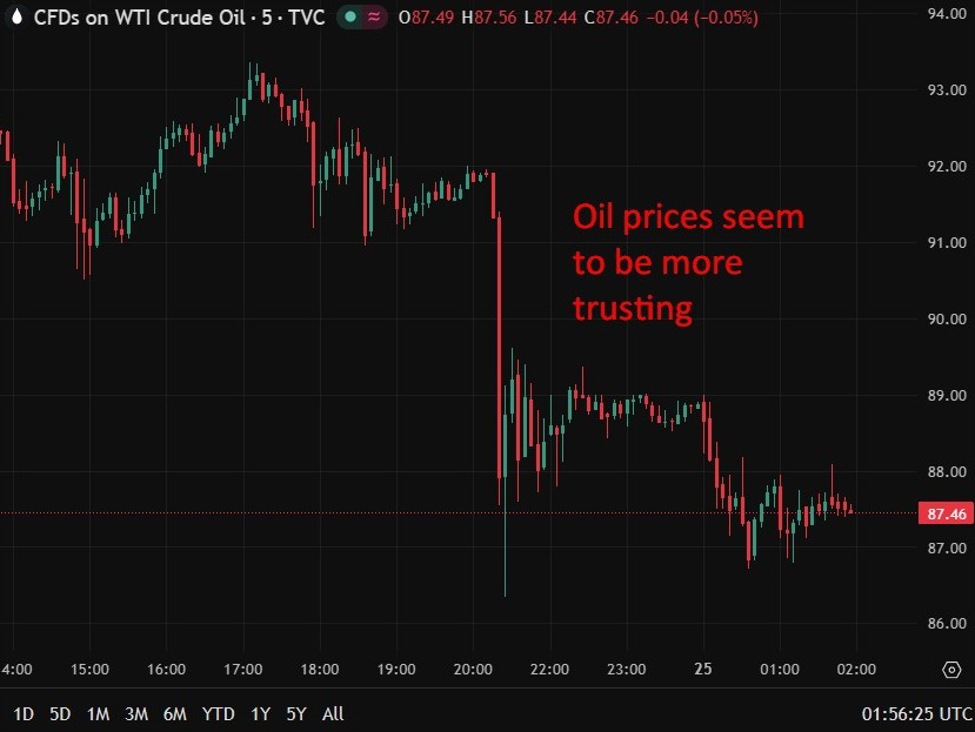
Iran is wary of Trump’s push for talks, believing previous negotiations were used as cover for strikes, even as the US presses ahead with a 15-point plan and a growing military build-up. Info via Axios (though I mentioned it earlier) Summary:Iran suspects Trump’s peace push may be a setup for further strikes.
Tehran told mediators it has been “tricked twice” and is wary of talks.
US still wants in-person talks in Pakistan and is pushing a 15-point plan.
Military build-up continues alongside diplomacy, reinforcing Iranian distrust.
Highlights how fragile and conflicted ceasefire prospects remainIran is increasingly sceptical of President Donald Trump’s latest push for peace talks, telling mediators it believes previous diplomatic efforts were used as cover for military escalation and that it does not want to be “fooled again,” according to Axios.The report underscores the deep trust deficit now shaping any attempt to restart negotiations between Washington and Tehran. Iranian officials have reportedly conveyed their concerns to mediators including Pakistan, Egypt and Turkey, arguing that two prior rounds of diplomacy were followed by major US- and Israel-backed attacks despite public claims that talks were still being pursued.That history appears to be central to Tehran’s reluctance. According to the report, Iranian officials view the latest US military movements, including troop reinforcements and broader force build-up in the region, as further evidence that Trump may be using the prospect of talks as a tactical ruse rather than pursuing negotiations in good faith.From the US side, however, the message is that military pressure and diplomacy are being pursued in parallel. The administration appears to be building leverage while keeping open the option of a negotiated settlement. One Trump adviser reportedly described the strategy as having “a hand open for a deal” while also maintaining the capacity to strike.Axios said Washington is seeking an in-person meeting with Iran in Islamabad as soon as Thursday and has already transmitted a 15-point proposal through mediators. The package reportedly covers ending the war, reopening the Strait of Hormuz, sanctions relief, and securing assurances around Iran’s nuclear activity, missile programme and support for regional proxies.At the same time, the Pentagon’s military posture continues to intensify. More fighter squadrons, Marine units and thousands of troops are expected to arrive in the region, while the command element of the 82nd Airborne Division and an infantry brigade have also been directed to deploy. Officials reportedly say even if talks proceed, plans still envision another two to three weeks of war.For markets, the key message is that diplomacy remains alive, but deeply compromised. Iran’s mistrust, combined with the US strategy of negotiating under military pressure, suggests any path to ceasefire will remain highly uncertain and vulnerable to renewed escalation.
This article was written by Eamonn Sheridan at investinglive.com.
💡 DMK Insight
Iran’s skepticism towards Trump’s negotiation strategy could have immediate geopolitical implications, particularly in the oil markets. As tensions rise, traders should keep a close eye on crude oil prices, which often react sharply to geopolitical events. If Iran perceives the U.S. military build-up as a threat, we could see a spike in oil prices as supply concerns mount. Moreover, this situation could affect broader market sentiment, especially in energy stocks and ETFs. If Iran decides to retaliate or ramp up its military posturing, we could see a cascading effect not just on oil but also on currencies of oil-dependent economies. Traders should monitor the $70 per barrel level for WTI crude as a key resistance point; a breach could signal a bullish trend. On the flip side, if negotiations somehow progress positively, we might see a pullback in oil prices, creating a potential buying opportunity for those looking to enter long positions. Keep an eye on any news from the upcoming talks and military developments, as they could shift market dynamics rapidly.
📮 Takeaway
Watch for crude oil prices around $70 per barrel; geopolitical tensions with Iran could trigger volatility in energy markets.