
 Bitcoin
  Ethereum
  Tether
  XRP
XRP  BNB
BNB  USDC
USDC  Solana
  TRON
TRON  Lido Staked Ether
  Figure Heloc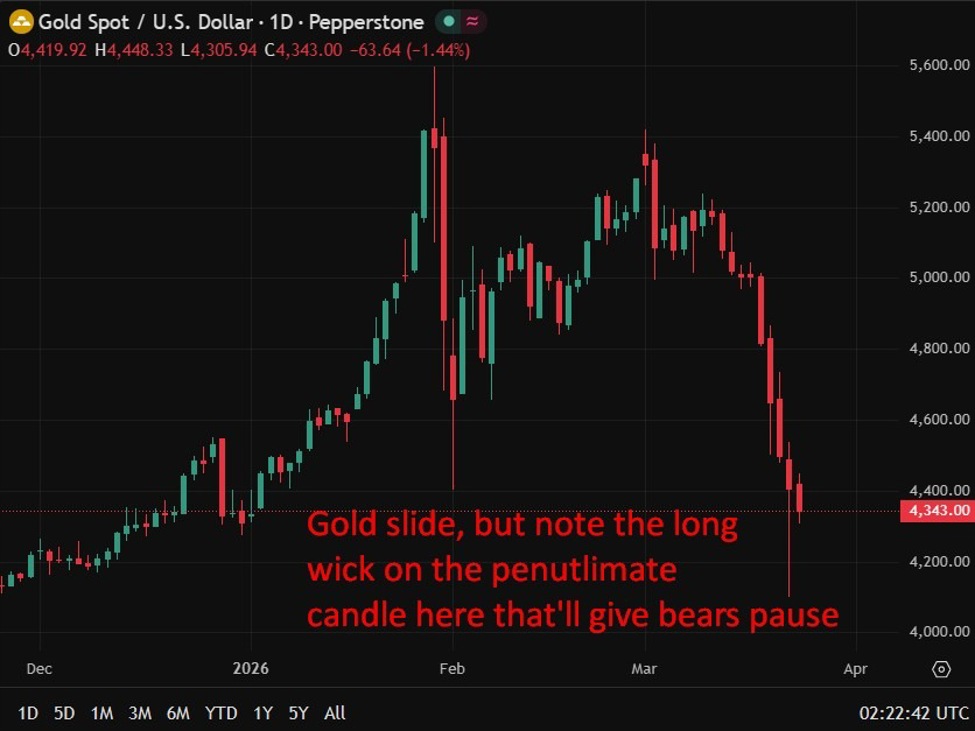
Central banks are expected to keep buying gold amid geopolitical risks and diversification trends, though elevated prices and market dynamics may temper the pace.Summary:Central banks expected to remain active gold buyers in 2026
New and previously inactive buyers entering the market
Recent purchases seen from Indonesia, Malaysia and Guatemala
Demand tied to geopolitical risk and dedollarisation trends
Gold prices sharply lower from recent highs amid forced selling
Elevated prices may slow pace of purchases
Industry forecasts should be viewed in context of vested interestsCentral bank demand for gold is expected to remain a key support for the market in 2026, underpinned by ongoing geopolitical tensions and a continued push toward reserve diversification away from the US dollar.Recent activity points to a broadening base of buyers, with a number of central banks either returning to the market after extended periods of inactivity or initiating purchases for the first time. Countries such as Indonesia, Malaysia and Guatemala have been cited among those increasing gold holdings, reflecting a more geographically diverse pattern of demand.The underlying drivers of this trend remain consistent. Gold continues to serve as a hedge against geopolitical instability, particularly amid rising global tensions and conflict-driven volatility in energy and financial markets. At the same time, it plays a role in diversification strategies as central banks reassess reserve composition in an environment of shifting economic and political alignments.There are also indications that some central banks are sourcing gold domestically, purchasing from local producers to support industry development and retain supply within national borders. This introduces an additional structural element to demand beyond traditional reserve management considerations.However, recent price action adds complexity to the outlook. Gold has seen a sharp correction from earlier record highs, with declines linked in part to margin-driven selling. While previous episodes of price weakness have attracted official sector buying, it remains unclear whether that dynamic is repeating in the current environment.At the same time, elevated price levels themselves may act as a constraint. Higher valuations can deter incremental purchases and increase the relative weighting of gold in reserves, reducing the need for further accumulation.It is also worth noting that some of these outlooks originate from industry bodies such as the World Gold Council, which represents gold producers and has a clear interest in promoting the role of gold in reserve portfolios. While the underlying trends cited are widely observed, such perspectives are typically assessed alongside broader market data and independent analysis.Overall, central bank demand is likely to remain a structural pillar of the gold market, even if the pace of buying moderates from recent highs.
This article was written by Eamonn Sheridan at investinglive.com.
💡 DMK Insight
Central banks are ramping up gold purchases, and here’s why that matters: geopolitical tensions are pushing them to diversify away from traditional assets. With new players like Indonesia, Malaysia, and Guatemala entering the fray, the demand for gold could see a significant uptick. This trend is crucial for traders to watch, especially as elevated prices might limit how aggressively these banks buy. If central banks continue to accumulate gold, it could create upward pressure on prices, impacting not just gold but also related assets like gold miners and ETFs. Traders should keep an eye on key price levels and market sentiment around gold, particularly if it approaches resistance levels that could trigger profit-taking or further buying. On the flip side, while the demand is rising, the pace of purchases might slow due to current price levels. This could lead to volatility in the gold market, so monitoring central bank announcements and geopolitical developments will be essential for making informed trading decisions.
📮 Takeaway
Watch for central bank gold buying trends and price resistance levels; they could signal volatility and trading opportunities in gold and related assets.