
 Bitcoin
  Ethereum
  Tether
  BNB
BNB  XRP
XRP  USDC
USDC  Solana
  TRON
TRON  Lido Staked Ether
  Figure Heloc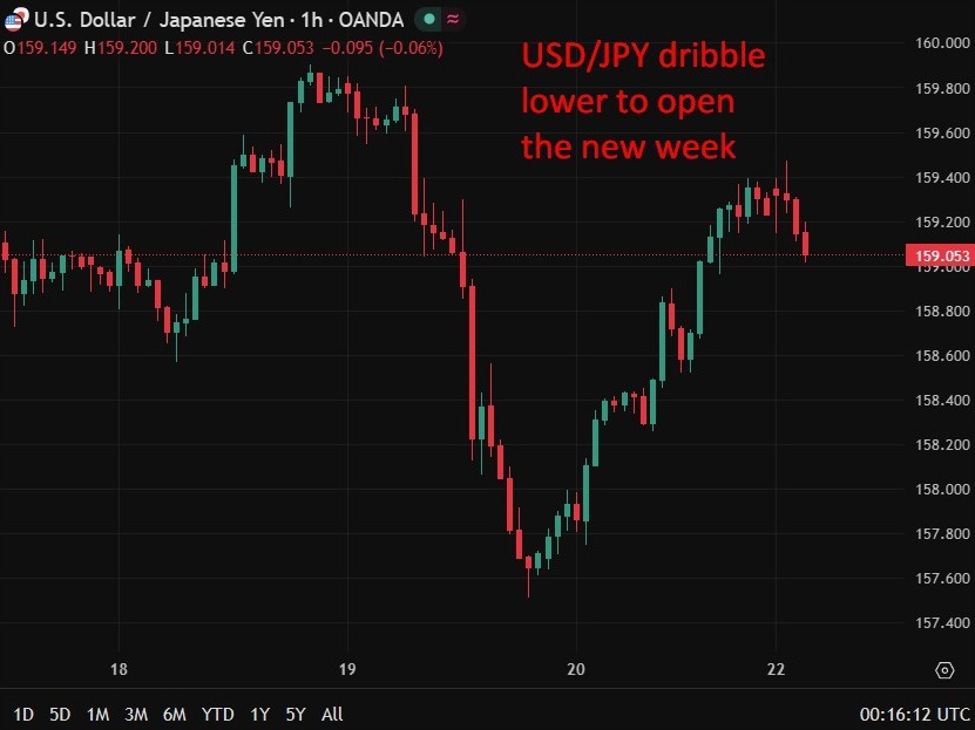
Japan ramps up FX warnings as oil-driven volatility pressures the yen, with authorities signalling readiness to intervene while also deploying fiscal support to offset rising energy costs.Summary:Japan signals readiness to act against FX volatility
Top currency diplomat Mimura flags impact of oil-driven speculation on FX
Comments reinforce concern over rapid yen moves amid global energy shock
Government also preparing fiscal response via fuel subsidies
Japan to deploy ~¥800bn from reserves to curb gasoline prices
Policy mix reflects dual pressure from weak yen and rising energy costs
Intervention risk remains elevated if FX moves become disorderlyJapanese authorities have stepped up their warning on foreign exchange volatility, signalling a readiness to act as global energy-driven market moves spill into currency markets.Japan’s top currency diplomat, Atsushi Mimura, said the government is prepared to take action “on all fronts” in response to excessive FX volatility, underscoring growing concern over the pace and drivers of yen moves. He also highlighted that speculative activity in oil markets is increasingly feeding through into foreign exchange, linking recent currency fluctuations to broader geopolitical and energy price dynamics.The remarks come at a time when global markets are grappling with a sharp rise in oil prices amid escalating tensions in the Middle East. For Japan, which is heavily reliant on energy imports, the combination of higher oil prices and a weaker yen presents a double hit, pushing up import costs and intensifying inflation pressures.Authorities appear increasingly sensitive to the risk that speculative flows, rather than fundamentals, are driving currency moves. Analysts say this distinction is key, as it often determines whether officials escalate verbal warnings into direct intervention in the FX market.Alongside its currency stance, the Japanese government is also preparing fiscal measures to cushion the domestic impact of rising energy costs. According to local media reports, around ¥800 billion will be deployed from budget reserves to help stabilise gasoline prices, signalling a coordinated effort to manage both market volatility and household cost pressures.The combination of verbal intervention and fiscal support highlights the balancing act facing policymakers. While authorities aim to prevent disorderly currency moves, they are also seeking to mitigate the economic fallout from higher energy prices without destabilising public finances.Market participants say the latest comments reinforce the risk of potential intervention if yen weakness accelerates further or becomes detached from underlying economic conditions. With oil markets remaining volatile and geopolitical risks elevated, the yen is likely to remain highly sensitive to both commodity price swings and policy signals in the near term.—Japan’s “top currency diplomat” refers to the senior Finance Ministry official responsible for overseeing foreign exchange policy, typically the Vice Finance Minister for International Affairs. This role involves coordinating FX policy, issuing verbal warnings, and authorising currency intervention when needed. While the Bank of Japan executes interventions operationally, decisions are led by the Finance Ministry, making this position the key public voice on yen policy.
This article was written by Eamonn Sheridan at investinglive.com.
💡 DMK Insight
Japan’s FX warnings are a big deal for traders right now—here’s why. With the yen under pressure from oil-driven volatility, the Bank of Japan’s readiness to intervene could lead to significant market movements. Traders should keep an eye on the yen’s performance against major currencies, especially if oil prices continue to fluctuate. The potential for intervention means that any sudden shifts in the yen could be met with swift action from authorities, impacting positions in both forex and commodities markets. If oil prices rise further, the yen could weaken, prompting a sell-off that might trigger intervention. Watch for key levels around recent lows in USD/JPY, as a break could signal a more aggressive response from Japanese officials. On the flip side, if oil prices stabilize, we might see a rebound in the yen, which could catch many traders off guard. Keep an eye on economic indicators related to energy costs and any fiscal measures announced by the government, as these could provide clues about future volatility and intervention timing.
📮 Takeaway
Monitor USD/JPY closely; any break below recent lows could prompt immediate intervention from Japan, impacting your forex strategies.