Bitcoin
  Ethereum
  Tether
  XRP
XRP  BNB
BNB  USDC
USDC  Solana
  TRON
TRON  Lido Staked Ether
  Figure Heloc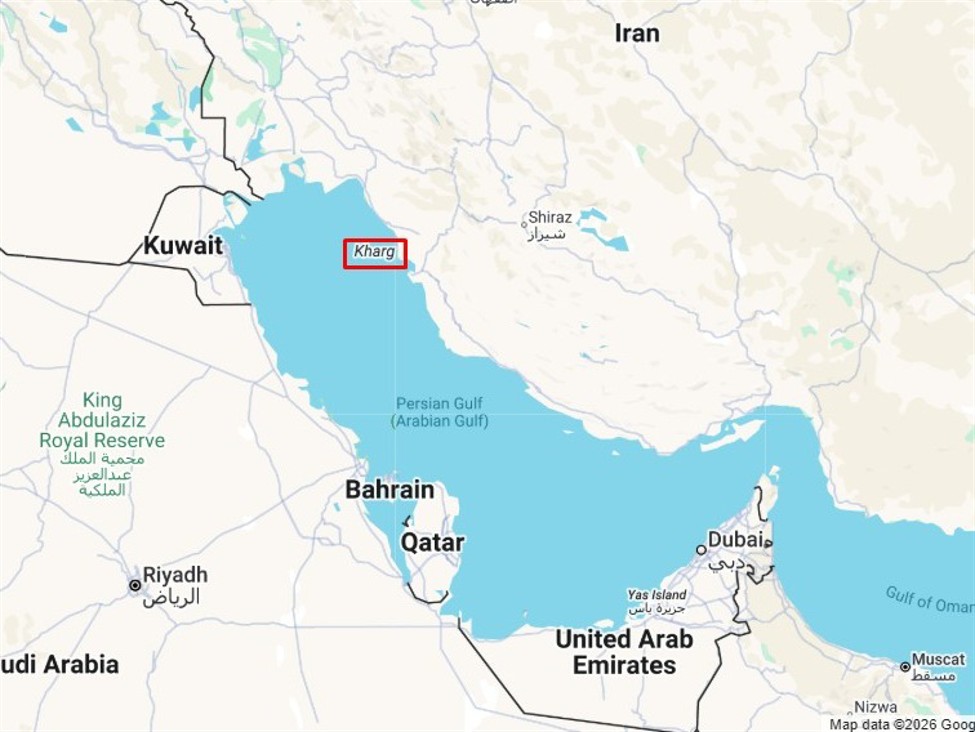
U.S. strikes on military targets at Iran’s Kharg Island have raised fears of a wider escalation that could threaten global oil supplies.Summary:The U.S. struck Iranian military facilities on Kharg Island.Trump said oil infrastructure was deliberately spared.Kharg Island handles about 90% of Iran’s crude exports.Analysts say a direct strike could halt most of Iran’s oil shipments.Tehran could retaliate by targeting energy assets elsewhere in the Gulf.Iran has limited alternative export routes via the Goreh-to-Jask pipeline.Oil prices rose above $100 per barrel amid supply concerns.Trump is weighing a seizure of Iran’s critical oil depot on Kharg IslandU.S. strikes on Iranian military facilities on Kharg Island have pushed one of the country’s most strategically important oil hubs into the center of the escalating conflict between Washington and Tehran.According to reporting by CNBC, U.S. President Donald Trump ordered strikes on military assets located on the island late Friday, while deliberately avoiding oil infrastructure.Trump described the operation as a warning to Iran, signalling that Washington could expand its targets if attacks on commercial shipping in the Strait of Hormuz continue.Kharg Island is one of Iran’s most critical economic assets. The small coral island in the northern Persian Gulf, located roughly 15 miles off Iran’s mainland coast, handles about 90% of the country’s crude oil exports and has a loading capacity of around 7 million barrels per day.Because of its central role in Iran’s energy trade, analysts view the facility as both a strategic pressure point for the United States and a potential flashpoint for broader escalation.Energy analysts say a direct attack on Kharg’s export infrastructure could severely disrupt Iranian oil shipments. Data cited by JPMorgan suggests such a strike could immediately halt most of the country’s roughly 1.5 million barrels per day in crude exports.Experts warn the economic consequences for Iran could be severe.Vandana Hari, founder of Vanda Insights, said the strikes on military installations appeared designed to send a signal to Tehran that its oil infrastructure could be targeted next if maritime attacks persist.However, analysts also caution that a direct strike on Kharg’s export terminals could trigger retaliatory attacks across the region.Edward Fishman of the Council on Foreign Relations said Iran could respond by targeting major energy facilities elsewhere in the Gulf, including Saudi Arabia’s massive Abqaiq oil processing complex.Iran does possess limited alternative export routes. One option is the Goreh-to-Jask pipeline, which bypasses both Kharg Island and the Strait of Hormuz and can transport roughly 1.5 million barrels per day.Still, analysts say the pipeline would not fully offset the loss of Kharg’s export capacity.Markets are already responding to the rising geopolitical risks. Brent crude prices climbed above $100 per barrel, reflecting growing concern about potential disruptions to global oil supply.Some analysts argue the conflict is accelerating a broader shift in energy markets, with geopolitical risk increasingly embedded in commodity pricing.
This article was written by Eamonn Sheridan at investinglive.com.
💡 DMK Insight
The U.S. strikes on Iran’s Kharg Island could send oil prices soaring, and here’s why: With Kharg Island being responsible for around 90% of Iran’s crude exports, any disruption here could tighten global oil supplies significantly. Traders should keep a close eye on Brent crude, which is already sensitive to geopolitical tensions. If prices break above recent highs, we could see a bullish trend that might trigger stop-loss orders and further buying. But there’s a flip side—if the situation de-escalates quickly, we might see a sharp pullback in oil prices. So, watch for key resistance levels around recent highs and any news that could indicate a shift in U.S.-Iran relations. The next few days will be crucial for oil traders, especially with the potential for volatility in related markets like energy stocks and ETFs. Keep your charts ready and monitor for any sudden price movements.
📮 Takeaway
Watch Brent crude closely; a breakout above recent highs could signal a bullish trend, while any de-escalation might lead to a sharp pullback.