
 Bitcoin
  Ethereum
  Tether
  XRP
XRP  BNB
BNB  USDC
USDC  Solana
  TRON
TRON  Lido Staked Ether
  Figure Heloc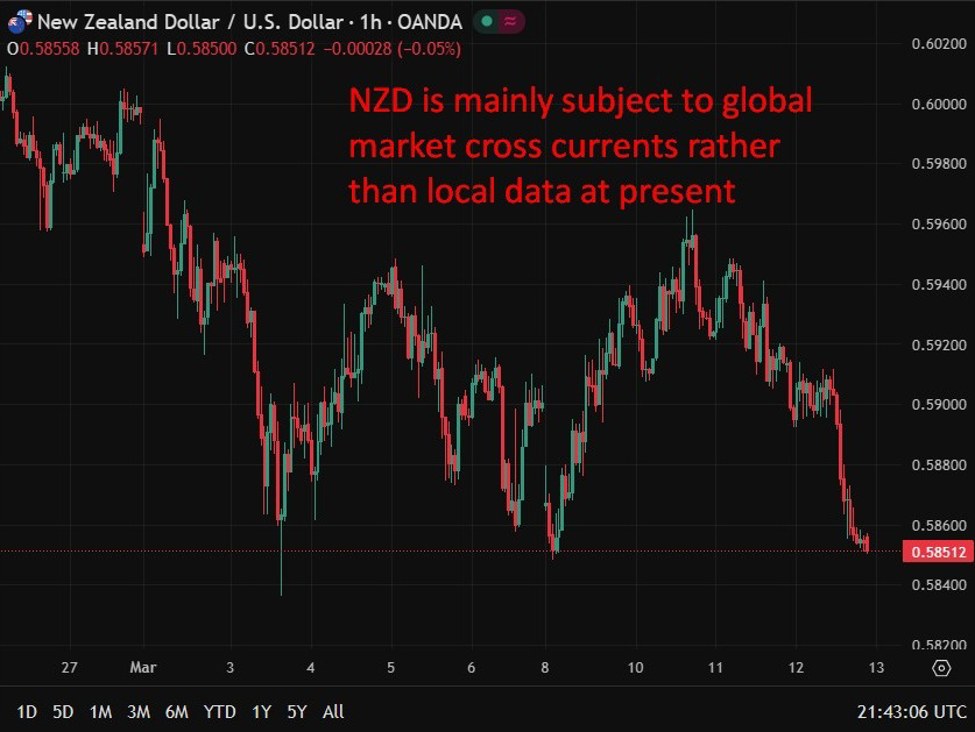
New Zealand manufacturing activity held strong in February with the PMI at 55.0, marking the first three-month run above 55 since mid-2021.Summary:New Zealand manufacturing PMI held at 55.0 in February, signalling continued expansion.Result was almost unchanged from January’s 55.1 and above the long-run average of 52.5.Marks the first three-month run above 55 since mid-2021.New orders (57.6) and production (56.7) led the expansion.Employment eased slightly but remained in expansion at 50.4.Manufacturers reported stronger orders, enquiries and export demand.New Zealand’s manufacturing sector continued to expand solidly in February, with activity holding at elevated levels for a third straight month, according to the latest BNZ–BusinessNZ Performance of Manufacturing Index (PMI).The seasonally adjusted PMI came in at 55.0 in February, almost unchanged from 55.1 in January and comfortably above the survey’s long-run average of 52.5. Readings above 50 indicate expansion in manufacturing activity.The latest result also marks an important milestone for the sector. BusinessNZ Director of Advocacy Catherine Beard noted that February represents the first time since mid-2021 that the PMI has recorded three consecutive months at 55 or higher, suggesting a sustained pickup in manufacturing conditions after a softer period over the past couple of years.Encouragingly, all five of the survey’s sub-indices remained in expansion territory during the month. The strongest components were new orders (57.6) and production (56.7), both of which point to firm underlying demand and a solid pipeline of work for manufacturers.Other indicators also showed continued, if more modest, gains. Deliveries registered 51.0, signalling slightly faster supplier activity, while employment edged down from January but remained in expansion at 50.4. Although the labour component softened slightly, the overall result suggests manufacturers are broadly maintaining staffing levels as activity improves.Sentiment among manufacturers also improved during the month. The proportion of positive comments from survey respondents rose to 55.5%, up from 47.7% in January, though slightly below December’s 57.1% reading. Businesses reported an increase in orders, enquiries and sales, with some pointing to stronger export demand and improving conditions in parts of the manufacturing sector. Others noted a growing pipeline of work and signs of gradually improving business confidence.BNZ Senior Economist Doug Steel cautioned that the survey period largely predates the latest geopolitical developments in the Middle East, which have recently dominated global market attention. Even so, he said the February result provides a reassuring snapshot of the sector’s momentum.According to Steel, the PMI reading well above the 50 breakeven level indicates the manufacturing sector is entering the current period of heightened global uncertainty from a relatively solid position. While external risks could influence activity in coming months, February’s data suggest the sector continues to build momentum as demand conditions gradually improve.
This article was written by Eamonn Sheridan at investinglive.com.
💡 DMK Insight
New Zealand’s manufacturing PMI holding at 55.0 is a bullish signal for traders right now. This sustained expansion indicates robust economic activity, which could influence the NZD positively against major pairs. With the PMI above the long-run average of 52.5, it suggests that the manufacturing sector is not just recovering but gaining momentum. Traders should watch for potential upward pressure on the NZD, especially if this trend continues into the next month. A strong manufacturing sector often correlates with increased consumer spending and investment, which can ripple through to other sectors, potentially boosting the overall economy. However, it’s worth noting that while the PMI is strong, external factors like global supply chain issues or shifts in commodity prices could impact this growth. Keep an eye on the NZD/USD pair, particularly if it approaches key resistance levels. If the PMI dips below 55 in the coming months, it could signal a slowdown, so monitoring this indicator will be crucial for positioning trades effectively.
📮 Takeaway
Watch the NZD/USD closely; a sustained PMI above 55 could lead to upward movement, especially if resistance levels are tested.