
 Bitcoin
  Ethereum
  Tether
  XRP
XRP  BNB
BNB  USDC
USDC  Solana
  TRON
TRON  Lido Staked Ether
  Figure Heloc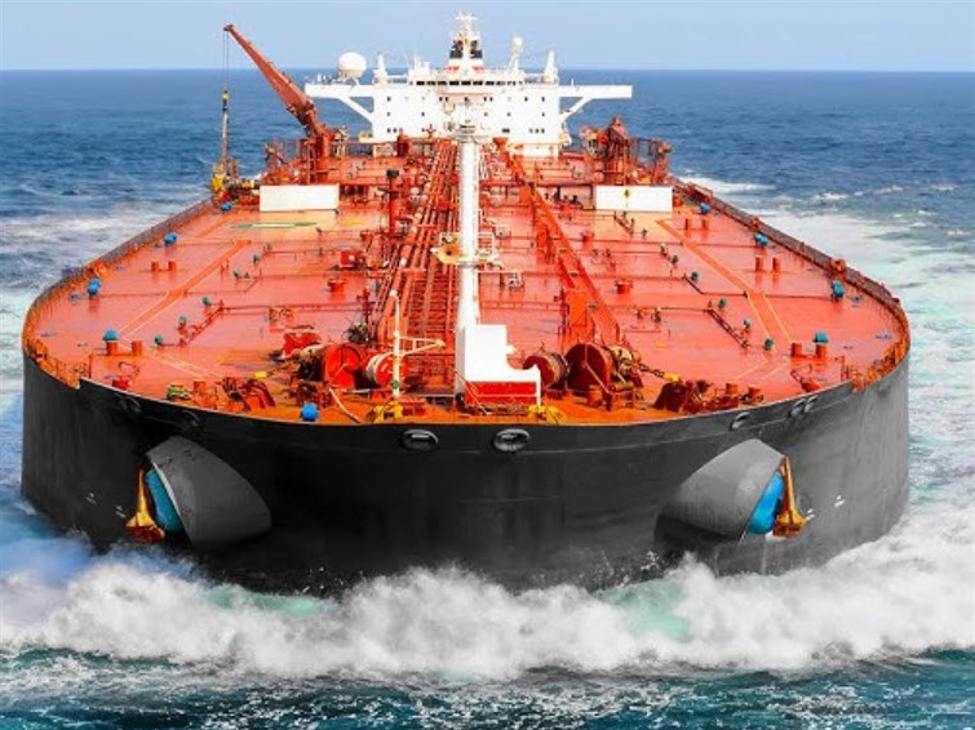
Asia’s heavy reliance on medium-sour Gulf crude is making disruptions in the Strait of Hormuz difficult to replace quickly. Summary:Many Asian refineries are configured for medium-sour Gulf crude.Asia imports around 60% of its oil from the Middle East.Disruptions in the Strait of Hormuz are slowing tanker flows.Substituting U.S., African or Brazilian crude is logistically slow and technically complex.Some Asian refineries are already cutting runs due to crude shortages.The escalating disruption to oil flows through the Strait of Hormuz is exposing a structural vulnerability in global energy markets: many of Asia’s refineries are designed specifically to process crude from the Middle East.For decades, refiners across China, Japan, South Korea, India and Southeast Asia have configured their plants to run medium and heavy sour crude grades produced by Gulf exporters such as Saudi Arabia, Iraq, Kuwait and the United Arab Emirates.That configuration has shaped the region’s supply chain. Asia now sources roughly 60% of its imported crude from the Middle East, making it highly exposed to disruptions in Gulf shipping lanes. With attacks on shipping and heightened military activity in the Strait of Hormuz slowing tanker traffic, refiners across the region are scrambling to secure alternative cargoes. However, replacing Gulf barrels is not straightforward.Oil is not a uniform commodity. Crude grades differ widely in sulphur content and density, and refineries are optimised for particular blends. Middle Eastern grades are typically medium-sour, which many Asian refineries are configured to process efficiently.Alternative sources often present complications.U.S. crude such as West Texas Intermediate is light and sweet, producing different refining yields and requiring adjustments to refinery operations. Russian supplies are already heavily committed to buyers such as China and India, while shipments from the Americas or West Africa face long transit times and rising freight costs.Even where substitutes exist, replacing Gulf crude barrel-for-barrel is difficult. Traders say alternative cargoes from Brazil, the United States or West Africa can take more than a month to reach Asian buyers and may require refiners to alter operating conditions or accept different product yields.The result is already visible across the region. Several Asian refineries have begun reducing throughput or delaying deliveries as crude cargoes from the Gulf become harder to secure. Energy analysts warn that if disruptions to Hormuz persist, the mismatch between refinery configurations and available crude grades could tighten fuel markets across Asia.That dynamic highlights why the Strait of Hormuz remains one of the world’s most strategically important energy chokepoints. Roughly one-fifth of global oil consumption passes through the corridor, much of it destined for Asian refineries.While the global oil system can ultimately reroute supply, the process is neither quick nor seamless. In the short term, disruptions to the specific crude grades that Asian refineries are built to process could create supply bottlenecks, amplify price volatility and keep geopolitical risk elevated across energy markets.
This article was written by Eamonn Sheridan at investinglive.com.
💡 DMK Insight
Asia’s dependence on Gulf crude is a ticking time bomb for oil prices. With around 60% of its oil coming from the Middle East, any disruption in the Strait of Hormuz can have immediate ripple effects on supply chains. Refineries in Asia are specifically designed for medium-sour crude, making it tough to pivot to alternatives like U.S. or African oil quickly. This tight coupling means that if tensions escalate or tanker flows slow further, we could see a sharp spike in prices. Traders should keep an eye on geopolitical developments in the region, as any news could trigger volatility. Additionally, watch for technical levels in crude oil futures; a break above recent highs could signal a bullish trend, while a failure to hold support might indicate a bearish reversal. Here’s the thing: while mainstream coverage might focus on immediate price reactions, the longer-term implications of sustained disruptions could reshape trading strategies. If you’re holding positions in energy stocks or ETFs, consider the potential for increased volatility and adjust your risk management accordingly. Keep an eye on the daily charts for crude oil; a close above a key resistance level could set off a buying frenzy.
📮 Takeaway
Watch for geopolitical developments in the Strait of Hormuz; a break above recent crude oil highs could trigger a bullish trend.