Bitcoin
  Ethereum
  Tether
  BNB
BNB  XRP
XRP  USDC
USDC  Solana
  TRON
TRON  Lido Staked Ether
  Figure Heloc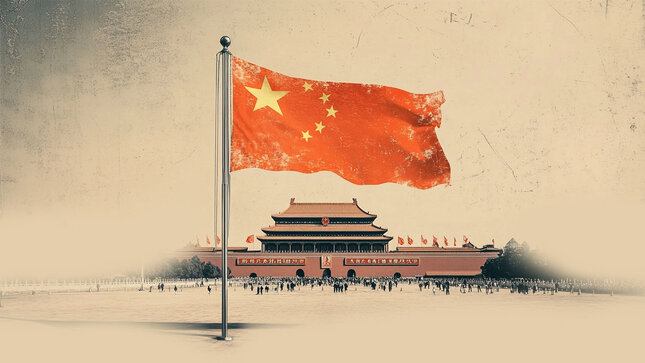
Societe Generale’s team examines China’s position in U.S.–Iran tensions, noting that Iran supplies most of China’s Oil but disruptions are manageable.
💡 DMK Insight
China’s oil supply from Iran is stable, but here’s why that matters now: With ongoing U.S.–Iran tensions, traders should keep a close eye on how geopolitical events can impact oil prices. Iran’s role as a primary supplier means any disruption could ripple through global markets, affecting not just crude but also related assets like energy stocks and currencies tied to oil exports. If tensions escalate, we could see volatility in oil prices, which might lead to trading opportunities in both the energy sector and broader commodities. On the flip side, if disruptions are indeed manageable, as suggested, it could stabilize prices and reduce speculative trading in oil futures. Watch for key levels in crude oil prices; a break above recent highs could signal bullish momentum, while a drop below support levels might trigger sell-offs. Keep an eye on news from both the U.S. and Iran, as any sudden changes in rhetoric or policy could lead to immediate market reactions. Also, monitor how major oil producers respond to these tensions, as their strategies could influence supply dynamics significantly.
📮 Takeaway
Traders should monitor crude oil price levels closely; a breakout above recent highs could signal bullish momentum amid U.S.–Iran tensions.