 Bitcoin
  Ethereum
  Tether
  XRP
XRP  BNB
BNB  USDC
USDC  Solana
  TRON
TRON  Lido Staked Ether
  Figure Heloc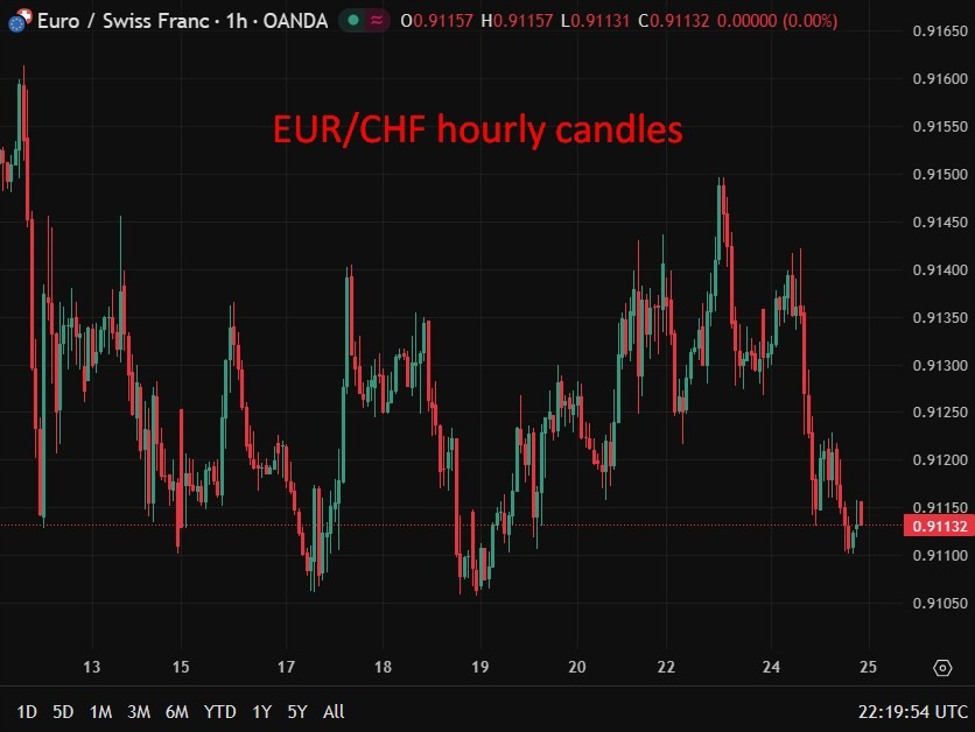
Martin Schlegel is the Chairman of the Governing Board of the Swiss National Bank (SNB).He took over as chairman in 2024 and leads the SNB’s three-member Governing Board, which sets Switzerland’s monetary policy.He spoke Tuesday. Schlegel downplayed short-term deflation risks, keeps medium-term inflation focus, and leaves FX intervention on the table.Summary:SNB expects inflation to rise from current ultra-low levelsTemporary negative prints possible, not a policy alarmInflation at 0.1%, bottom of 0–2% target rangePolicy rate at 0%; FX intervention remains an optionUS tariffs weighing on parts of Swiss industrySchlegel said Switzerland could experience temporary months of negative inflation but stressed that such readings would not automatically trigger concern from policymakers, as the central bank remains focused on medium-term price stability.Speaking in Zurich, Schlegel noted that inflation remains extremely subdued, with January’s annual reading at just 0.1%, the lower edge of the SNB’s 0–2% target range. While acknowledging that inflationary pressures have barely shifted, he said the central bank expects price growth to pick up in the months ahead. A handful of negative prints would not constitute an alarm signal, he added, underscoring that monetary policy decisions are guided by broader trends rather than short-term fluctuations.With the policy rate currently at 0%, the SNB’s room for conventional easing is limited. Earlier this month, Schlegel described the combination of low inflation and a zero policy rate as a challenging environment. Against that backdrop, he reiterated that the SNB stands ready to intervene in foreign exchange markets if necessary to ensure price stability.On the global front, Schlegel warned that US tariffs and heightened uncertainty have weighed on economic growth, though many sectors have proven more resilient than anticipated. Around one in four Swiss companies surveyed by the SNB report negative effects from tariffs, with engineering firms among the most exposed. While some businesses have shifted parts of their production to countries facing lower US tariffs, or directly to the United States, many firms have yet to implement countermeasures.Overall, Schlegel’s remarks reinforced a steady policy stance, with the SNB prepared to act if needed but not alarmed by short-term volatility in inflation data.
This article was written by Eamonn Sheridan at investinglive.com.
💡 DMK Insight
Schlegel’s comments on deflation and inflation are crucial for forex traders right now. By downplaying short-term deflation risks, he signals confidence in the Swiss economy, which could strengthen the Swiss Franc (CHF) against major currencies. Traders should note that a focus on medium-term inflation suggests potential tightening measures ahead, which could lead to volatility in the forex markets. If the SNB shifts its stance, expect reactions from institutions and retail traders alike, particularly if the CHF breaks key resistance levels. Watch for any shifts in economic indicators that could prompt the SNB to intervene in the FX market, especially if inflation data deviates from expectations. The real story is how these insights could ripple through related assets, like European equities, which often correlate with CHF movements. Keep an eye on the upcoming inflation reports and any comments from other central banks that could influence the SNB’s decisions.
📮 Takeaway
Monitor Swiss inflation data closely; a shift could trigger CHF volatility and impact related forex pairs.