
 Bitcoin
  Ethereum
  Tether
  BNB
BNB  XRP
XRP  USDC
USDC  Solana
  TRON
TRON  Lido Staked Ether
  Figure Heloc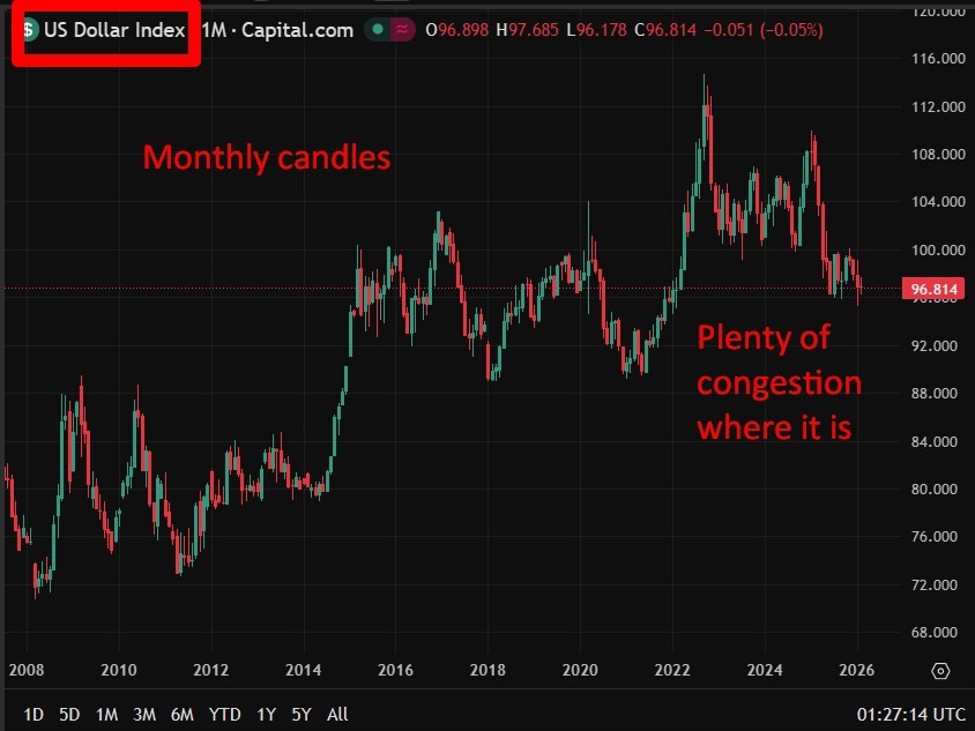
Dollar positioning has reached its most negative level on record in Bank of America’s survey, reflecting broad expectations of US softness and potential Fed easing, with labour market risks seen as the main catalyst for further weakness.Summary:Investor positioning in the US dollar has fallen to its most negative level since at least January 2012.Net exposure to the greenback is at a record underweight in Bank of America’s latest survey.Short positioning exceeds previous bearish extremes, including last April’s lows.Concerns over Fed independence have eased, but this has not revived demand for the dollar.Survey respondents see further US labour market weakness as the key downside risk for the currency.Investor sentiment toward the US dollar has turned decisively bearish, with positioning now at the most underweight level on record in Bank of America’s FX and rates sentiment survey, which dates back to January 2012.The February survey shows net exposure to the dollar falling to unprecedented lows, with short positioning, effectively bets that the currency will decline, reaching its most extreme level in more than 14 years. Exposure has dropped below the previous trough seen last April, underscoring the scale of the shift in conviction against the greenback.The positioning reflects a broad consensus that the dollar faces downside risks. Market participants appear to be leaning toward a softer outlook for US growth and inflation, alongside expectations that Federal Reserve policy could ease over time. Notably, concerns about the Fed’s institutional independence have diminished following President Donald Trump’s nomination of Kevin Warsh as the next Fed Chair. However, the easing of those political anxieties has not translated into renewed appetite for US assets or a rebound in dollar demand.Instead, respondents to the survey cite further deterioration in the US labour market as the primary catalyst that could drive the currency lower. While headline employment data have remained relatively stable, any meaningful softening in hiring or a rise in unemployment could reinforce expectations of rate cuts and widen interest rate differentials against the dollar.At the same time, such extreme positioning introduces asymmetry. When market consensus becomes heavily one-sided, currency moves can become more volatile, particularly if incoming data or Fed communication challenge prevailing assumptions. A surprise upside inflation print or firmer labour market data could force rapid short-covering.For now, however, the message from positioning data is clear: investors are aligned for a weaker dollar. Whether that trade extends or reverses will depend largely on the evolution of US macro data and signals from the Federal Reserve in coming months.
This article was written by Eamonn Sheridan at investinglive.com.
💡 DMK Insight
The US dollar’s positioning is at an all-time low, and here’s why that matters: Bank of America’s latest survey shows a significant shift in sentiment, with investors increasingly bearish on the dollar. This negative positioning suggests that traders are bracing for a potential economic slowdown in the US, driven by concerns over the labor market. If the Fed does ease, as many expect, it could lead to further dollar depreciation, impacting not just forex markets but also commodities priced in dollars. Watch for how this sentiment plays out in the coming weeks, especially with key economic indicators like employment data and inflation reports on the horizon. If the dollar continues to weaken, we might see a rally in gold and other safe-haven assets, which could be a strategic play for traders looking to hedge against dollar risk. On the flip side, this extreme negativity could set the stage for a short squeeze if the dollar unexpectedly strengthens due to positive economic surprises. Keep an eye on the 100-day moving average for the dollar index as a critical level; a bounce from here could trigger a shift in sentiment. The real story is how quickly traders adjust their positions as new data comes in.
📮 Takeaway
Monitor the dollar index around the 100-day moving average; a bounce could signal a shift in sentiment amid bearish positioning.