Bitcoin
  Ethereum
  Tether
  BNB
BNB  XRP
XRP  USDC
USDC  Solana
  TRON
TRON  Lido Staked Ether
  Figure Heloc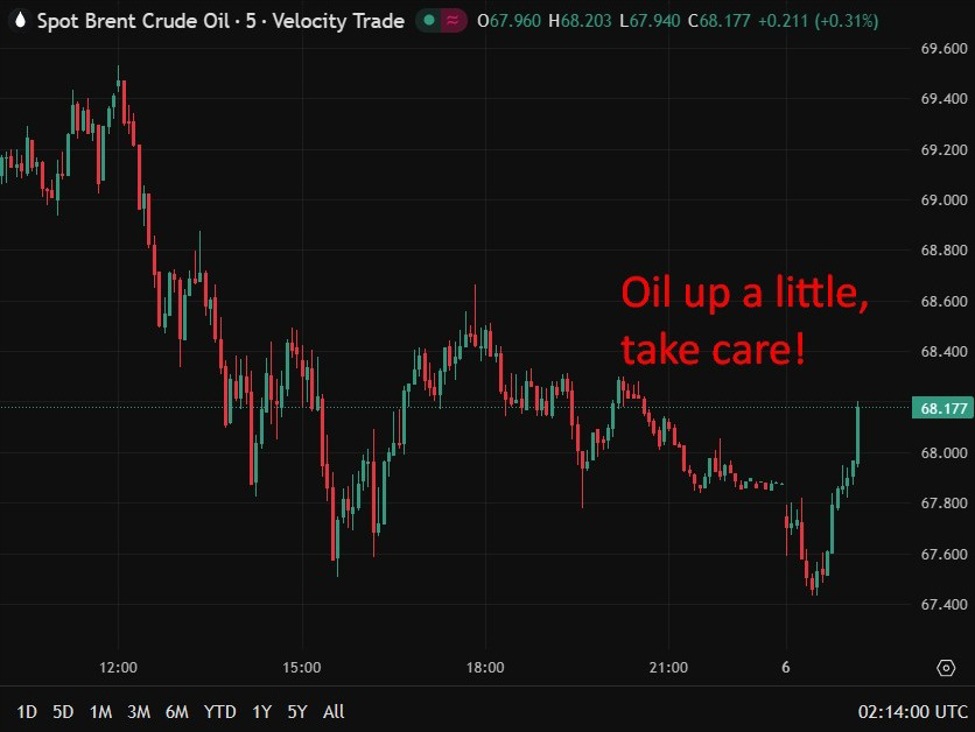
Renewed attention on US advice to leave Iran reflects old guidance, but it reinforces lingering geopolitical risks rather than signalling a new escalation.Summary:Renewed social-media attention on US advice to “leave Iran now” reflects recycled guidance from mid-January, not new escalation.The warning stems from widespread anti-government protests, crackdowns and detention risks, not a fresh diplomatic trigger.US officials stress Americans should not rely on government assistance to exit, given the lack of a US embassy in Tehran.While not new, the advisory keeps geopolitical risk premia alive amid already fragile Middle East sentiment.Oil markets remain sensitive to any perceived deterioration in Iran’s internal stability or regional security.Fresh attention on US advice urging citizens to “leave Iran now” has circulated widely on social media in recent hours, but the warning itself is not new and dates back to mid-January, according to US government statements.As of 12-13 January 2026, the U.S. Department of State and the US Virtual Embassy in Tehran advised all American citizens in Iran to depart immediately, citing escalating security risks, violent and widespread anti-government protests, and the heightened risk of arbitrary detention. The guidance emphasised that Americans should leave without relying on US government assistance, given the absence of a physical US embassy in the country.The advisory followed what officials described as the largest anti-government demonstrations in years, accompanied by lethal crackdowns, intermittent internet shutdowns and rising regional tensions. US authorities warned that dual US-Iranian nationals face particularly high risks, as Iran does not recognise dual citizenship, increasing the chance of detention.Because Washington has no embassy presence in Tehran, consular services are extremely limited. From a market perspective, the resurfacing of the warning is less about new information and more about persistent geopolitical fragility. While there has been no fresh escalation, reminders of internal unrest in Iran tend to keep investors alert to tail risks across the Middle East, particularly where energy supply and shipping routes are concerned.—US and Iranian officials are scheduled to talk in Muscat today, Friday, February 6, 2026.
This article was written by Eamonn Sheridan at investinglive.com.
💡 DMK Insight
The US warning to leave Iran isn’t new, but it highlights ongoing geopolitical tensions that could impact market sentiment. For traders, this situation is a reminder to monitor how geopolitical risks can influence oil prices and broader market volatility. If unrest escalates, we could see a spike in crude oil prices, which often reacts sharply to Middle Eastern tensions. Keep an eye on the $80 per barrel level for WTI crude; a breach could trigger further volatility across commodities and related equities. Additionally, watch for any shifts in US foreign policy that could affect sanctions or military presence, as these factors often ripple through global markets, impacting everything from forex to equities. On the flip side, while the warning may seem like a standard advisory, the potential for increased sanctions or military action could create hidden opportunities for traders looking to capitalize on volatility. Be prepared for rapid price movements, especially if the situation escalates or if there are significant developments in the protests. This is a time to stay alert and adjust positions accordingly.
📮 Takeaway
Watch for crude oil prices around $80 per barrel; geopolitical tensions in Iran could lead to significant market volatility and trading opportunities.