Bitcoin
  Ethereum
  Tether
  BNB
BNB  XRP
XRP  USDC
USDC  Solana
  TRON
TRON  Lido Staked Ether
  Figure Heloc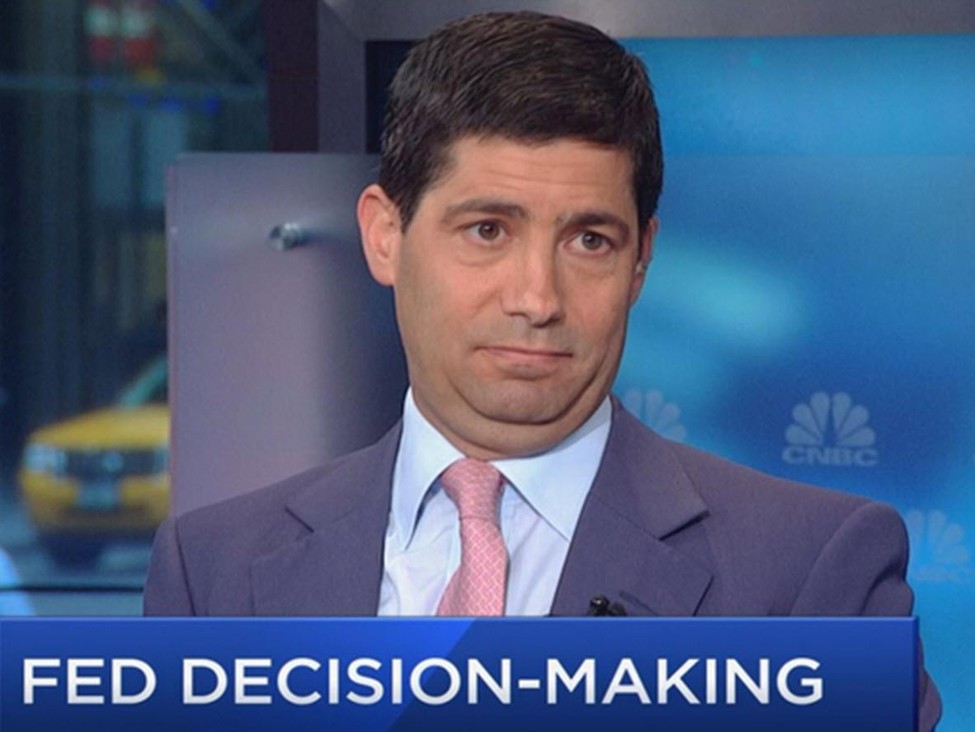
Views are mixed on a Warsh-led Fed, with rate pricing steady but conviction limited.Summary:Investor views on a Warsh-led Fed remain mixed rather than uniformSome participants see scope for a dovish narrative centred on productivity gainsFed funds futures continue to imply two cuts this year, though conviction appears limitedWarsh is widely viewed as institutionally credible and independence-mindedBalance sheet reduction and mandate discipline seen as likely prioritiesNews that Kevin Warsh is to be nominated as the next Federal Reserve chair, replacing Jerome Powell when his term ends in May, has not triggered a decisive shift in market pricing. Instead, investor responses appear fragmented, with no clear consensus emerging around how a Warsh-led Fed would ultimately steer monetary policy.Among some investors, there is an assumption that Warsh could seek to frame policy in a way that allows for eventual easing, leaning on the argument that productivity gains linked to artificial intelligence may help contain inflation pressures over time. This line of thinking suggests inflation could continue to moderate without the need for persistently restrictive interest rates. However, this view is far from universal and appears to coexist with more cautious interpretations of his policy leanings.Despite that divergence, rate futures continue to reflect expectations for two Federal Reserve rate cuts this year, a configuration that has been largely unchanged for several months. Rather than signalling strong conviction, this stability may indicate that investors are not yet prepared to reprice the outlook aggressively in response to leadership speculation alone.Warsh is sometimes characterised as less overtly dovish than some alternative candidates, but he is generally regarded as a credible figure within policy circles. His prior interactions with Federal Reserve officials have reinforced the perception that he would respect institutional norms and avoid actions that could undermine the central bank’s independence. That assessment has helped temper, though not eliminate, concerns that a leadership change under Donald Trump could weaken the Fed’s credibility.As a result, some earlier fears around political interference appear to have eased at the margin, even as uncertainty remains. Expectations are also forming that a Warsh-led Fed would place greater emphasis on balance sheet reduction and a tighter interpretation of the Fed’s mandate, focusing more narrowly on inflation control and financial stability.Overall, the potential leadership transition is being treated cautiously rather than conclusively. While parts of the market appear comfortable with continuity, others remain unconvinced, leaving pricing steady but fragile as investors await clearer policy signals.
This article was written by Eamonn Sheridan at investinglive.com.
💡 DMK Insight
The uncertainty around a potential Warsh-led Fed is creating a mixed sentiment in the markets right now. With Fed funds futures suggesting two rate cuts this year, traders are grappling with the implications of a dovish narrative that could stem from productivity gains. However, the lack of strong conviction among investors indicates that volatility could spike as market participants react to any new data or Fed communications. If Warsh’s leadership leans towards a more dovish stance, we might see a shift in asset allocations, particularly in sectors sensitive to interest rates like tech and real estate. Keep an eye on the 10-year Treasury yield, as any significant movement could signal broader market reactions. On the flip side, if the Fed maintains a hawkish tone, expect pressure on equities and a potential strengthening of the dollar. Traders should monitor economic indicators closely, especially productivity reports and inflation data, as these will be crucial in shaping the Fed’s narrative and market sentiment moving forward.
📮 Takeaway
Watch for economic indicators and Fed communications; a dovish shift could impact tech and real estate sectors significantly.