Bitcoin
  Ethereum
  Tether
  XRP
XRP  BNB
BNB  USDC
USDC  Solana
  TRON
TRON  Lido Staked Ether
  Figure Heloc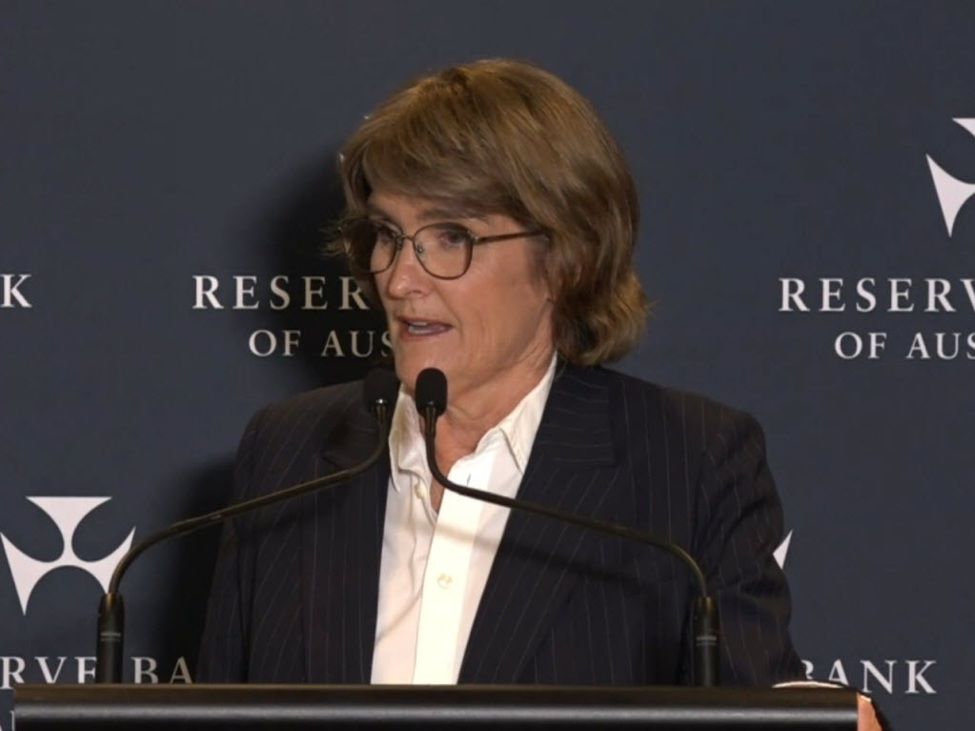
We are still looking to bring inflation down without sacrificing muchThe economy is actually in a really good positionThe labour market is really strong and domestic demand is recoveringBut it is just that we’re supply constrained, and it might be more so than what we thought a while backWe’re still adopting the same approach/strategy but it is always difficult to strike a balanceWe are uncomfortable with inflation at the level it is currentlyIf inflation continues to keep at this level, that is not acceptable; hence, the rate hike todayThere is uncertainty surrounding the persistence of inflation pressuresWe might have to raise the cash rate further if inflation remains more persistentAustralian dollar appreciating does help to provide a buffer for the economyWe already factored in a higher exchange rate into our forecastWe expect Australian dollar to shift up as interest differentials move in our favourThis is not the same tightening cycle when we came out of the Covid pandemicWe cannot rule anything in or out at this stage, it’s not clear one way or the otherNow we’re actively monitoring data to try and figure out how to bring inflation backA lot of the questions are basically just roundabout ways of trying to question if there will be more rate hikes to come and if the RBA has gotten it “wrong” with their policy moves last year. Just as an aside though, this rate hike comes six months after the last rate cut and fits with the timeline lag in how the RBA has conducted policy pivots in the past. So, I’m not sure what the fuss is all about. I guess everyone just wants to find fault with something, as controversy sells.Just to sum things up, Bullock has basically just said that they will be keeping more cautious and they will be taking a more data-dependent approach. They’re not going to pre-commit to any further rate hikes but it is clear now that inflation is the main problem they’re dealing with.Given the circumstances, they’re expecting price developments to look better over time and not rush them to hike rates more aggressively. However, the caveat here is that if inflation pressures are not as temporary as they anticipate, it could force them to raise the cash rate at a quicker pace.So, that is the main takeaway for me here. AUD/USD is trading up 0.9% to 0.7013 currently.
This article was written by Justin Low at investinglive.com.
💡 DMK Insight
Inflation remains a hot topic, and the current economic indicators suggest a complex balancing act. With a strong labor market and recovering domestic demand, traders might feel optimistic. However, the mention of supply constraints hints at potential volatility ahead. If supply issues persist, we could see inflation remain sticky, which might force central banks to adjust their monetary policies sooner than expected. This could impact interest rates and, consequently, forex pairs sensitive to rate changes. For day traders, keeping an eye on economic releases, particularly those related to inflation and employment, is crucial. A sudden shift in these indicators could lead to rapid price movements in both forex and crypto markets. Watch for key levels in major currency pairs; for instance, if USD/JPY breaks above a certain resistance level, it could signal a bullish trend influenced by inflation data. The real story is how these supply constraints could ripple through various sectors, affecting everything from commodities to equities. As we move forward, monitor the upcoming economic reports closely, especially those related to inflation and supply chain metrics, as they could dictate market sentiment and trading strategies.
📮 Takeaway
Watch for inflation reports and supply chain updates; they could trigger significant moves in forex and crypto markets.