 Bitcoin
  Ethereum
  Tether
  XRP
XRP  BNB
BNB  USDC
USDC  Solana
  TRON
TRON  Lido Staked Ether
  Figure Heloc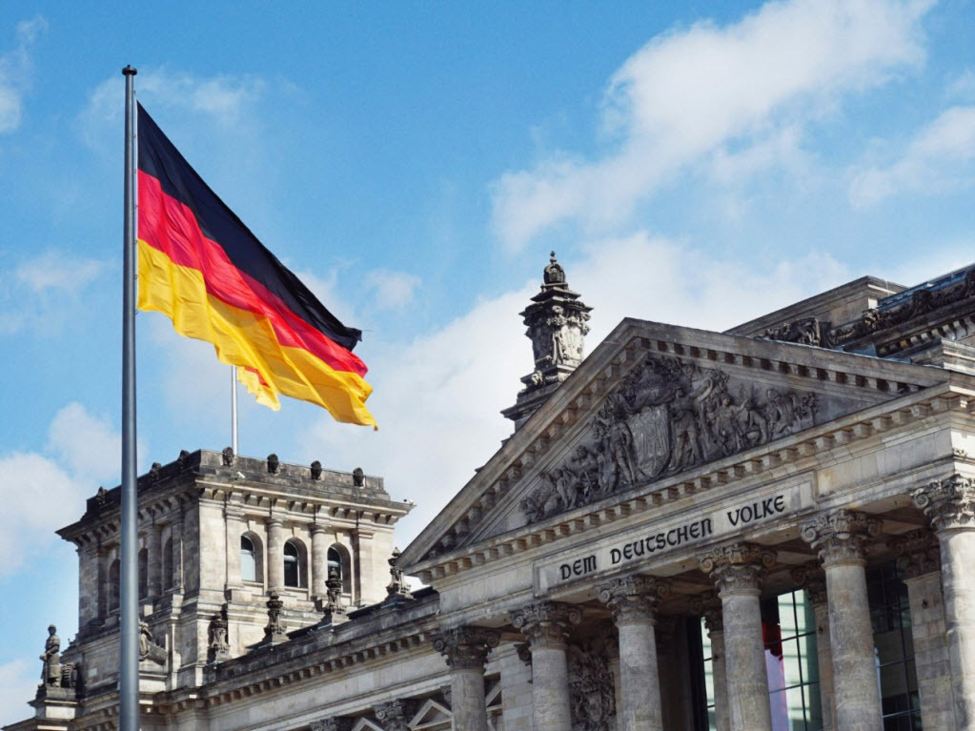
German producer prices saw an average annual decline of 1.2% in 2025, once again exhibiting a decline for a second year running. However, there is a caveat to that figure with it being a case largely owing to a steep decline in energy prices.Of note, energy prices showed a drop of 6.2% compared to the previous year. The breakdown shows that natural gas distribution was 8.3% cheaper on average in 2025 than in 2024, electricity 7.5% cheaper, and petroleum products 5.5% cheaper.If you strip out energy price developments, German producer prices were actually up by 1.2% instead in 2025 compared to the previous year.The more detailed breakdown elsewhere shows intermediate goods were on average 0.3% cheaper in 2025 than in 2024. Meanwhile, the prices for capital goods were on average 1.9% higher, with consumer goods on average 2.7% more expensive in 2025 compared to the year before.The story here is somewhat similar to what we’ve seen with Germany’s consumer price index progression. That being headline annual inflation reflecting a decline that is seen nudging closer to the pivotal 2% mark. However, core annual inflation is still keeping more stubborn and holding above the 2% threshold.The latter continues to be a thorn in the side of the ECB, preventing the central bank from following through on easing monetary policy further since the closing stages of last year.
This article was written by Justin Low at investinglive.com.
💡 DMK Insight
German producer prices are down 1.2% annually, but energy’s steep drop is the real story here. For traders, this decline in energy prices could signal broader deflationary pressures, impacting sectors reliant on energy inputs. If energy costs continue to fall, we might see a ripple effect across commodities and even equities, particularly in manufacturing and transport. Watch for how this influences inflation expectations and central bank policies, especially in the Eurozone. A sustained decline could pressure the ECB to adjust its monetary stance, which would be significant for forex traders focusing on EUR/USD. On the flip side, while lower energy prices can ease inflation, they might also indicate weakening demand, which could be a red flag for economic growth. Keep an eye on related assets like crude oil and natural gas, as their price movements could provide clues about future producer price trends. The key level to watch is the energy price index; if it continues to drop, expect further implications for producer prices and potentially the broader market.
📮 Takeaway
Monitor energy price trends closely; a continued decline could pressure ECB policies and impact EUR/USD trading strategies.