Bitcoin
  Ethereum
  Tether
  BNB
BNB  XRP
XRP  USDC
USDC  Solana
  TRON
TRON  Lido Staked Ether
  Figure Heloc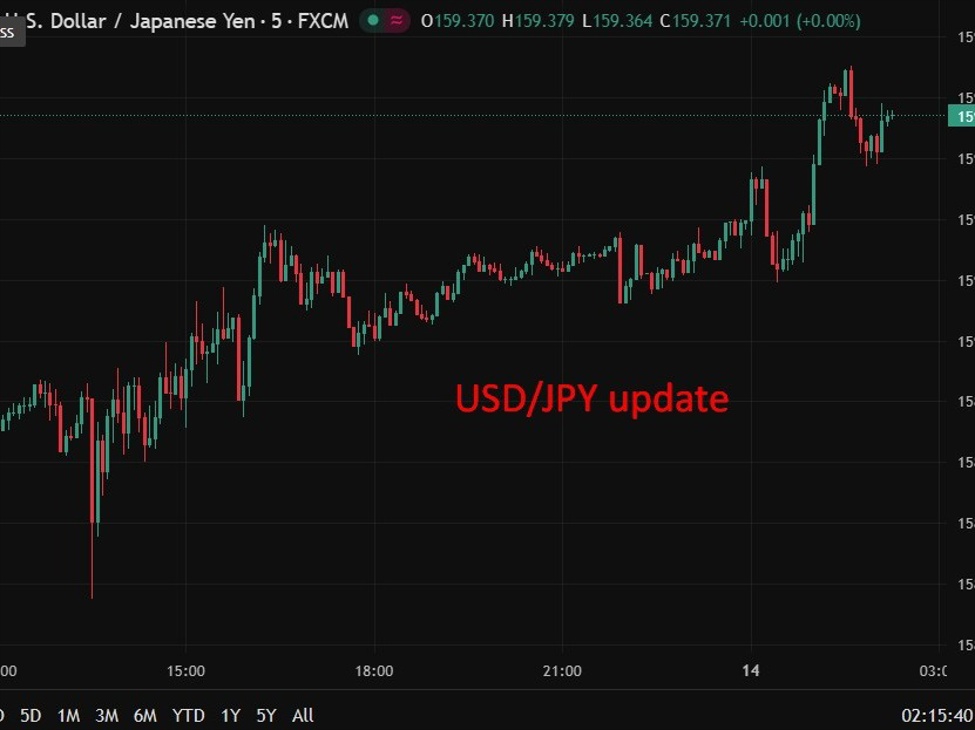
Summary:BOJ market operations meetings are technical, not policy-settingFocus is on bond buying and liquidity mechanicsSmall tweaks can still send strong market signalsOften used to prepare markets ahead of policy shiftsCan move JGBs, yen and equities The Financial Markets Department of the Bank of Japan will hold the “meeting on market operations” on February 26, 2026 the meeting on market operations will discuss recent market developments, BOJ operations, JGB market liquidity and functionality, money markets I wouldn’t read too much into this. I think its significant for the fact that the news of the meeting is hitting headlines at this time of rapid yen weakening. But … its not until February 26! We could be at 200 by then! I exaggerate … but we could be much higher and Japanese officials are already on edge, if they decide to act on some sort of actual intervention they won’t wait another six weeks just to get this meeting out the way. –A Bank of Japan (BOJ) meeting on market operations is a technical but closely watched event that focuses on how monetary policy is implemented in financial markets, rather than the direction of policy itself.Unlike a formal BOJ policy meeting — where interest rates, yield targets or guidance are debated — a market operations meeting concentrates on the mechanics of liquidity provision. These sessions review the BOJ’s bond-buying framework, including the size, frequency and maturity buckets of Japanese government bond (JGB) purchases, as well as money-market operations such as repo facilities and collateral terms.The stated aim is to ensure smooth market functioning and effective policy transmission. In practice, however, even modest operational adjustments can carry meaningful market signals. Changes to purchase amounts at specific maturities, for example, can influence yield curves, affect bank and insurer balance sheets, and alter expectations around the BOJ’s tolerance for higher long-term rates.Markets pay particular attention because, in Japan, operational tweaks have often preceded broader policy shifts. Reducing bond purchases or increasing flexibility around operations can be interpreted as a form of “backdoor tightening,” even if the BOJ insists its overall policy stance is unchanged. As a result, these meetings can move the yen, JGB yields and equities despite their technical framing.Topics typically discussed include liquidity conditions in the JGB market, volatility at specific tenors such as the 10-year or super-long end, distortions created by sustained BOJ buying, and the impact of operations on financial institutions. Outcomes may include fine-tuning purchase schedules, adjusting the balance across maturities, or modifying repo and collateral arrangements.Importantly, a market operations meeting does not signal an imminent rate hike or policy pivot by default. But in a system where the BOJ remains a dominant market participant, changes to the “plumbing” can still shape expectations about the future path of policy.For investors, the distinction matters: while these meetings are not about tightening or easing per se, they can quietly redefine the contours of Japan’s monetary framework and influence asset prices well ahead of any formal announcement.
This article was written by Eamonn Sheridan at investinglive.com.
💡 DMK Insight
The BOJ’s upcoming market operations meeting is a key event for traders to watch closely. While these meetings are technical in nature, the implications can ripple through JGBs, the yen, and equities. Small adjustments in bond buying can signal shifts in liquidity, which might foreshadow larger policy changes. Traders should be aware that even minor tweaks can lead to volatility in the yen and impact correlated assets like Japanese equities. If the BOJ hints at tightening or easing, it could create significant trading opportunities, especially for those focused on short-term strategies. Keep an eye on the JGB yields and the USD/JPY pair as indicators of market sentiment leading up to and following the meeting. The real story is how these operations might set the stage for future policy shifts, so be ready to react to any unexpected signals.
📮 Takeaway
Watch for any changes in JGB yields and the USD/JPY pair around the BOJ meeting for potential trading signals.