 Bitcoin
  Ethereum
  Tether
  XRP
XRP  BNB
BNB  USDC
USDC  Solana
  TRON
TRON  Lido Staked Ether
  Figure Heloc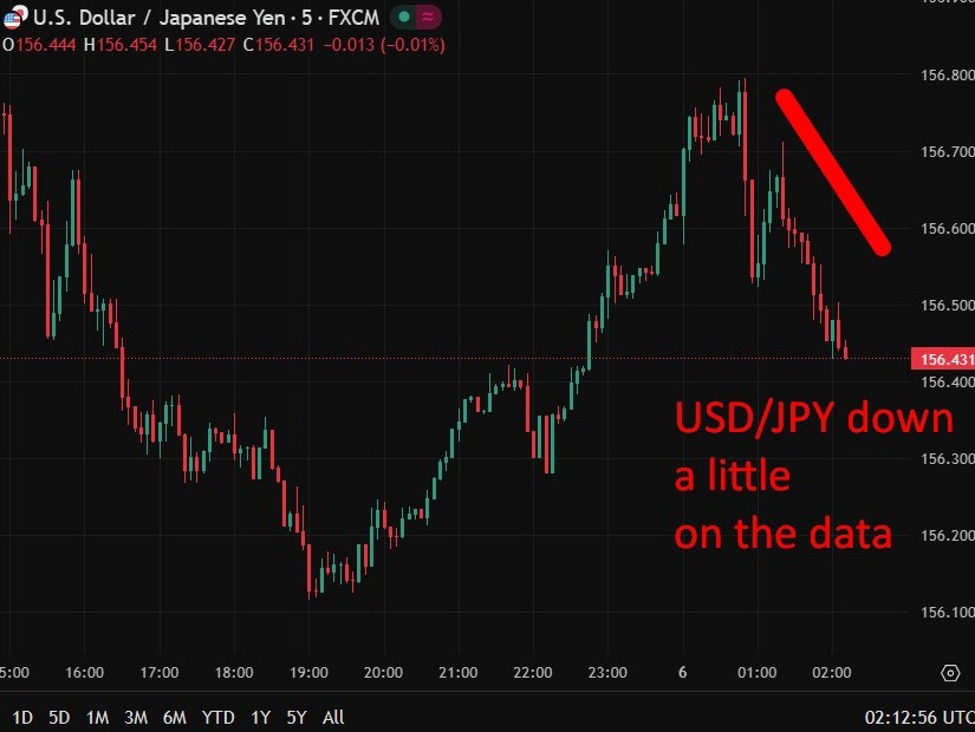
Japan’s monetary base fell in 2025 for first time since 2007Decline reflects BOJ exit from ultra-loose policyDecember monetary base dropped below ¥600tnBond tapering and rate hikes expected to continueBOJ lifted policy rate to 0.75% in DecemberJapan’s monetary base fell in 2025 for the first time in nearly two decades, underscoring the Bank of Japan’s steady retreat from ultra-loose monetary policy and marking a symbolic shift away from the era of extraordinary stimulus.Data released Tuesday showed the average balance of the monetary base, a broad measure of cash in circulation and central-bank liquidity, declined 4.9% year-on-year in 2025. It was the first annual contraction since 2007, when the BOJ was last moving toward tighter policy conditions during a previous rate-hike cycle.The decline reflects the central bank’s decision last year to formally end its decade-long stimulus framework, which had included massive asset purchases, negative short-term interest rates and yield-curve control for Japanese government bonds. Policymakers concluded the economy was approaching a sustainable achievement of the 2% inflation target, allowing them to pivot toward gradual normalisation.Since then, the BOJ has slowed its purchases of Japanese government bonds and wound down a special funding programme designed to encourage bank lending. Those steps have directly reduced the amount of liquidity being supplied to the financial system.The contraction became more pronounced toward year-end. The average monetary base balance in December fell 9.8% from a year earlier to ¥594.19 trillion, slipping below the ¥600 trillion threshold for the first time since September 2020. That move highlights how quickly liquidity conditions are tightening compared with the peak stimulus years.Analysts expect the monetary base to continue shrinking as the BOJ presses ahead with bond-purchase tapering and additional rate increases. Inflation has now exceeded the central bank’s 2% target for close to four years, strengthening the case for further policy adjustment.In December, the BOJ raised its short-term policy rate to 0.75% from 0.5%, taking borrowing costs to levels not seen in decades. Governor Kazuo Ueda has reiterated that the bank stands ready to raise rates further if economic activity and price trends evolve in line with its forecasts.The fall in the monetary base marks a clear turning point for Japan, signalling that the post-deflationary policy regime is giving way to a more conventional monetary framework, albeit one likely to normalise at a cautious pace.
This article was written by Eamonn Sheridan at investinglive.com.
💡 DMK Insight
Japan’s monetary base drop signals a pivotal shift in BOJ policy that traders need to watch closely. The Bank of Japan’s (BOJ) decision to reduce its monetary base below ¥600 trillion for the first time since 2007 is a significant indicator of its exit from an ultra-loose monetary stance. This shift, coupled with the recent rate hike to 0.75%, suggests a tightening environment that could impact not just the yen but also global markets. Traders should consider how this may affect Japanese equities and bond markets, as rising rates typically lead to lower bond prices and could pressure stock valuations as well. Look for potential ripple effects in the forex market, particularly with USD/JPY. If the yen strengthens due to these policy changes, it could lead to a shift in capital flows, impacting other currencies as well. Keep an eye on the ¥600 trillion mark as a psychological level; a sustained decline below this could accelerate selling pressure in yen-denominated assets. The next few months will be crucial as the BOJ continues its tapering and rate hike trajectory, so stay alert for any further announcements or economic data that could influence market sentiment.
📮 Takeaway
Monitor the ¥600 trillion monetary base level closely; a sustained decline could signal further yen strength and impact global markets.