Bitcoin
  Ethereum
  Tether
  XRP
XRP  BNB
BNB  USDC
USDC  Solana
  TRON
TRON  Lido Staked Ether
  Figure Heloc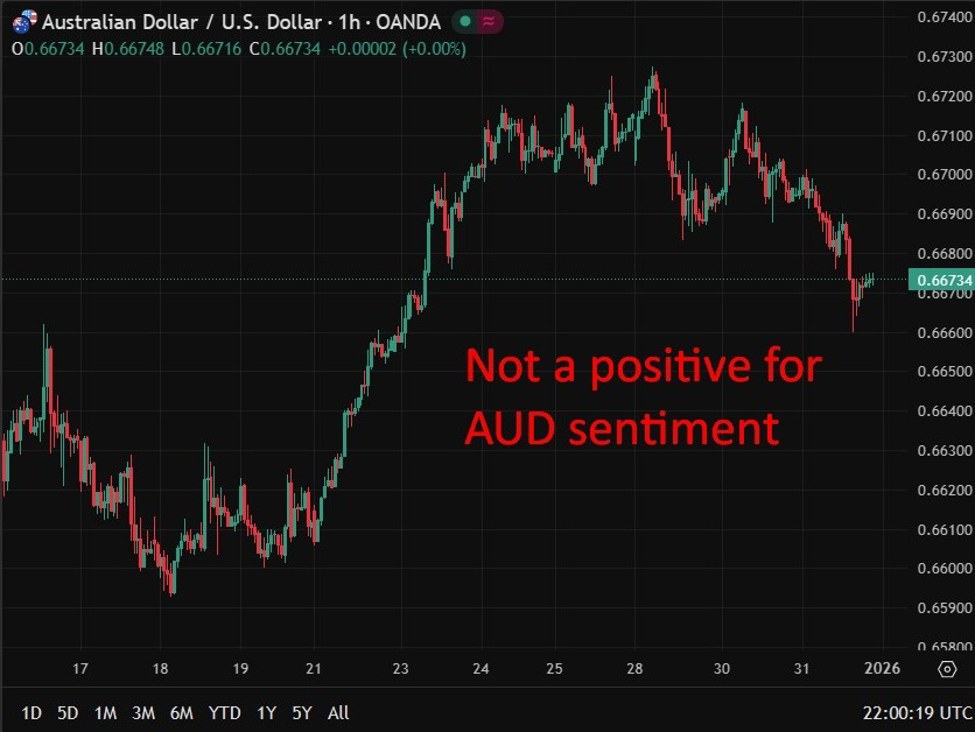
TL;DR summary, and note there is AUD risk in this news:China will impose a 55% tariff on beef imports exceeding newly set quotas from January 1, 2026, under a three-year safeguard regime.The 2026 total import quota is set at 2.7 million tonnes, broadly in line with 2024 imports but below 2025 shipment levels for key suppliers.Brazil and Australia are most affected, with quota caps falling well below their recent export volumes to China.Beijing says the measures are needed to protect the domestic cattle industry, citing damage from rising imports and weak competitiveness.Analysts warn the policy is unlikely to fix structural weaknesses in China’s beef sector and may disrupt global trade flows amid tight supply.Exporters have pushed back, with Australia calling the move disappointing and Brazilian industry groups warning of billions in potential revenue losses.China has announced new safeguard measures on beef imports, imposing a steep 55% tariff on volumes that exceed newly defined country-level quotas, in a move aimed at protecting its domestic cattle industry. The measures will take effect from January 1, 2026, and remain in place for three years, with quotas set to rise modestly each yearUnder the new framework, China has set a total import quota of 2.7 million metric tonnes for 2026, broadly in line with the 2.87 million tonnes imported in 2024 but below shipment levels recorded by several major suppliers during 2025. Brazil and Australia, China’s two largest beef exporters, face quota limits that sit well under their year-to-date shipments, meaning a significant portion of current trade flows could be subject to punitive tariffs.China’s commerce ministry said the surge in imported beef has caused “serious damage” to the domestic industry, following an investigation launched late last year. Officials argue the safeguards will help stabilise breeding-cow inventories and give domestic producers time to restructure, modernise and upgrade operations. Policymakers have already stepped up sector support in 2025, noting cattle farming profitability has improved in recent months.Analysts, however, remain sceptical that tariffs alone can resolve structural challenges. Industry experts point out that China’s beef-cattle sector remains fundamentally uncompetitive relative to producers in Brazil and Argentina, for example, a gap unlikely to be closed quickly through policy or technological change.The decision lands amid a tight global beef market, with supply shortages driving prices to record highs in several regions, including the United States. Exporters have responded cautiously. Australian officials described the move as disappointing, while industry representatives stressed that alternative export destinations remain available. Brazilian authorities struck a more measured tone, signalling potential negotiations with Beijing and an ability to redirect shipments, though domestic lobby groups warned the measures could cost Brazil up to US$3 billion in export revenue in 2026.Overall, the safeguards underscore Beijing’s willingness to prioritise agricultural self-sufficiency, even at the cost of trade friction with key partners.
This article was written by Eamonn Sheridan at investinglive.com.
💡 DMK Insight
China’s upcoming 55% tariff on beef imports is a game changer for traders in the agricultural sector. Starting January 1, 2026, this tariff will significantly impact Australian beef exporters, especially with the quota set at 2.7 million tonnes. Traders should be aware that this could lead to increased volatility in the AUD, as beef is a major export. If demand from China drops due to these tariffs, we might see a ripple effect on related commodities and currencies. Keep an eye on the AUD/USD pair; if it breaks below recent support levels, it could signal further weakness. The broader context here is the ongoing trade tensions and how they affect global supply chains. As we approach 2026, monitoring China’s import policies and any potential retaliatory measures will be crucial for positioning. On the flip side, this could open opportunities for other beef-exporting countries to fill the gap left by Australia. Traders should watch for shifts in market sentiment and potential price adjustments in beef futures as the tariff date approaches.
📮 Takeaway
Monitor the AUD/USD closely; a break below key support levels could indicate further weakness as the 2026 tariff approaches.