Bitcoin
  Ethereum
  Tether
  XRP
XRP  BNB
BNB  USDC
USDC  Solana
  TRON
TRON  Lido Staked Ether
  Figure Heloc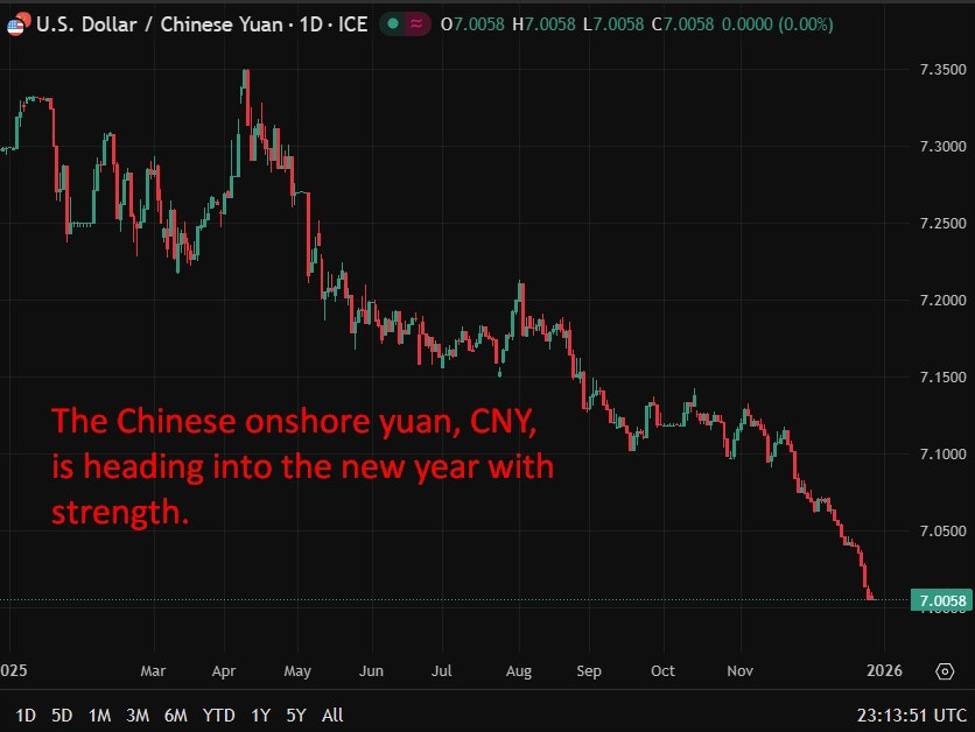
TL;DR summary:China signals a more proactive fiscal stance for 2026Policy focus shifts toward consumption, innovation and social supportAuthorities aim to reduce reliance on exports and lift domestic confidenceGrowth target around 5% likely to be retainedFiscal policy expected to play a central stabilising roleChina’s fiscal stance is set to turn more forcefully supportive in 2026, with the government signalling a renewed push to revive domestic demand, accelerate technological innovation and strengthen the social safety net as the economy continues to grapple with weak confidence at home.In a statement released Sunday after a two-day policy meeting, the China Ministry of Finance said fiscal policy would be “more proactive” next year, reaffirming priorities that include boosting consumption, expanding investment and nurturing new sources of growth. The messaging comes as global trading partners continue to urge Beijing to rebalance away from export-led growth and address structural weaknesses in domestic demand.The ministry said it would actively expand investment in what it described as “new productive forces,” a phrase commonly used by policymakers to refer to advanced manufacturing, digital industries and emerging technologies. Supporting innovation and fostering new growth engines will be a core focus, alongside policies aimed at improving people’s overall development and economic resilience.Strengthening the social security system also featured prominently in the ministry’s agenda. Authorities pledged to improve access to healthcare and education, measures seen as crucial to easing household precautionary saving and encouraging consumers to spend more freely. China’s prolonged property downturn has weighed heavily on sentiment, reinforcing the need for policies that stabilise expectations and rebuild confidence among households.Beyond demand support, the ministry outlined broader structural goals for 2026, including deeper integration between urban and rural economies and further progress toward a greener growth model. These initiatives align with longer-term efforts to shift China’s economy toward more sustainable and balanced development, even as near-term growth pressures persist.Earlier this month, senior leaders reiterated their commitment to a “proactive” fiscal policy designed to stimulate domestic demand while maintaining relatively strong headline growth. The latest comments from the finance ministry reinforce that message, signalling that fiscal support will remain a cornerstone of China’s macro strategy into the year ahead.
This article was written by Eamonn Sheridan at investinglive.com.
💡 DMK Insight
China’s shift to a proactive fiscal stance is a game changer for global markets. With a focus on boosting consumption and innovation, this could signal a significant pivot away from export reliance, which has implications for commodities and currencies tied to Chinese demand. A growth target around 5% suggests stability, but traders should watch for how this impacts the yuan and related assets. If domestic confidence rises, we might see increased demand for commodities like copper and oil, which are heavily influenced by Chinese consumption patterns. Additionally, this could affect forex pairs involving the yuan, particularly if the People’s Bank of China adjusts monetary policy in response. On the flip side, while a proactive fiscal approach is positive, it raises questions about debt levels and long-term sustainability. Traders should monitor key economic indicators and fiscal announcements as we approach 2026, especially any signs of inflation or economic overheating that could alter the current trajectory.
📮 Takeaway
Watch for shifts in the yuan and commodity prices as China’s fiscal policy evolves; key indicators will emerge leading into 2026.