 Bitcoin
  Ethereum
  Tether
  XRP
XRP  BNB
BNB  USDC
USDC  Solana
  TRON
TRON  Lido Staked Ether
  Figure Heloc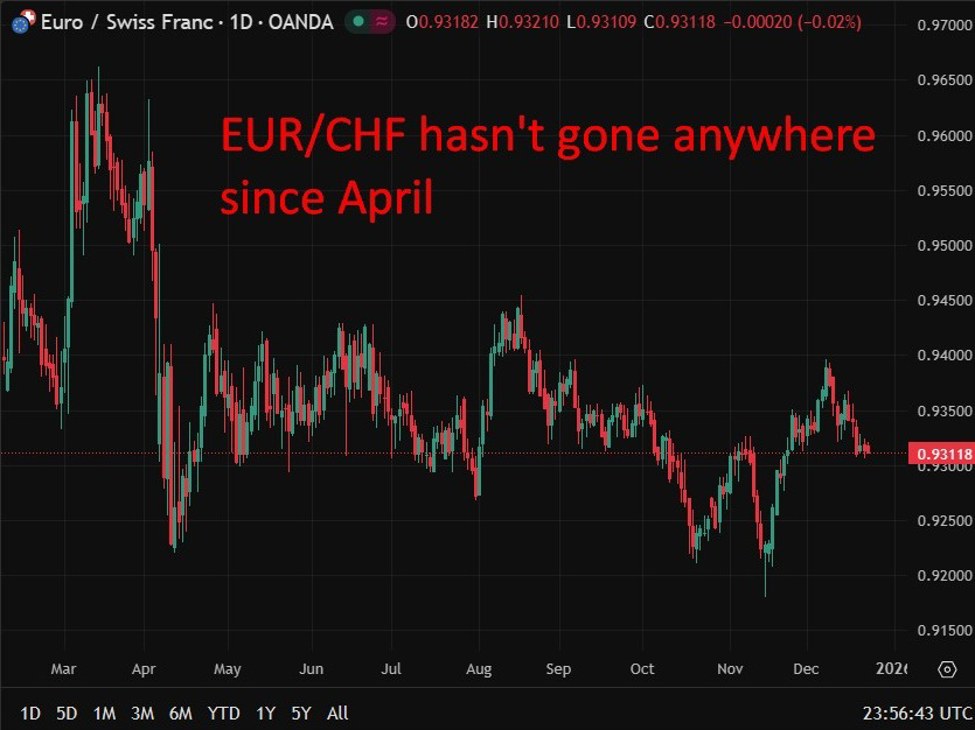
SummaryMUFG says sustained franc strength could force the SNB to respond with negative rates or intervention.Falling oil prices in 2026 could add disinflationary pressure in Switzerland.Negative rates would make the franc more attractive as a funding currency.Fed independence concerns may continue to support CHF against the dollar.Progress on Ukraine peace talks could cap franc gains versus the euro.The Swiss National Bank could be forced back into active policy easing if the Swiss franc remains strong and global energy prices decline further in 2026, according to a research note from MUFG Bank.MUFG analysts argue that persistent franc strength would increase pressure on the SNB to respond through a combination of renewed currency intervention and potentially reintroducing negative interest rates. While Switzerland exited negative rates only recently, the bank warns that prolonged disinflationary forces, particularly from lower oil prices, could undermine the SNB’s inflation outlook and complicate its policy stance.A return to negative rates would likely have broader market implications. MUFG notes that such a move could re-establish the Swiss franc as an attractive funding currency, particularly if global financial-market volatility remains subdued and economic growth improves. Under those conditions, investors may once again look to fund higher-yielding positions through franc-denominated borrowing.The note also highlights external drivers supporting the franc, including lingering concerns around Federal Reserve independence. MUFG suggests that political or institutional uncertainty surrounding the Fed could continue to favour safe-haven demand for the franc against the US dollar, reinforcing upward pressure on the currency.However, MUFG sees potential limits to franc outperformance against the euro. Any meaningful progress toward a peace settlement in Ukraine could reduce safe-haven demand within Europe, softening support for the franc relative to the single currency. In that scenario, EUR/CHF could stabilise even if the franc remains firm against the dollar.Overall, MUFG frames the outlook as one in which policy risks are skewed toward further SNB accommodation should current currency and commodity trends persist into next year.
This article was written by Eamonn Sheridan at investinglive.com.
💡 DMK Insight
The potential for negative rates in Switzerland is a game-changer for traders focused on the franc. With MUFG highlighting that sustained strength in the Swiss franc could prompt the Swiss National Bank (SNB) to consider negative rates or intervention, traders need to be on high alert. If the SNB does move towards negative rates, it could enhance the franc’s appeal as a funding currency, especially for carry trades. This scenario could lead to increased volatility in CHF pairs, particularly against the dollar, where concerns about Fed independence may keep the franc buoyed. Additionally, falling oil prices in 2026 could create disinflationary pressures, further complicating the SNB’s policy decisions and potentially leading to a stronger franc. Traders should watch for key levels in CHF/USD, as any intervention or policy shift could trigger significant price movements. The market’s reaction to geopolitical developments, especially regarding Ukraine, could also influence the franc’s strength. Keep an eye on the daily charts for breakout patterns, as a decisive move could signal a new trend.
📮 Takeaway
Watch for SNB policy changes; negative rates could strengthen the franc, impacting CHF/USD trading strategies significantly.