 Bitcoin
  Ethereum
  Tether
  XRP
XRP  BNB
BNB  USDC
USDC  Solana
  TRON
TRON  Lido Staked Ether
  Figure Heloc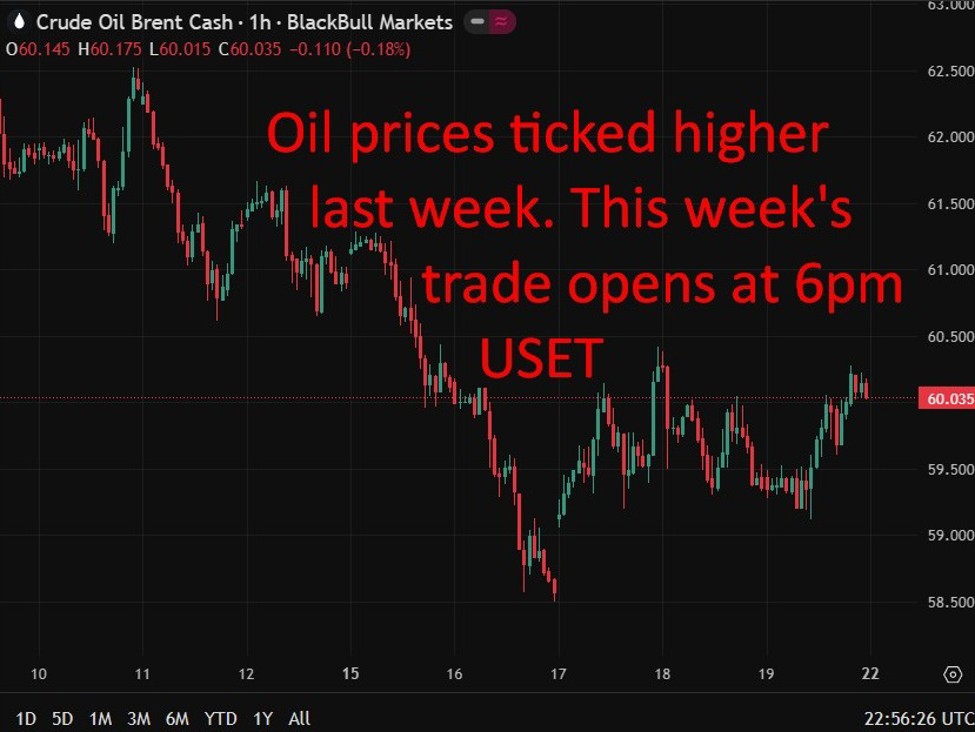
SummaryIsrael warned the Trump administration about Iranian missile exercisesIntelligence is inconclusive but Israel’s risk tolerance is lower post-Oct 7U.S. intelligence sees no imminent Iranian attackSenior Israeli and U.S. military officials coordinated defensive planningRisk of escalation seen as driven by miscalculation rather than intentIsrael has raised concerns with the Trump administration over recent Iranian missile activity, warning that an exercise by the Islamic Revolutionary Guard Corps could be masking preparations for a potential strike on Israel, according to Israeli and U.S. officials familiar with the matter. Axios (gated) reporting. Israeli sources stress that the intelligence does not conclusively show an imminent attack, but argue that Israel’s tolerance for uncertainty has fallen sharply since the Hamas-led surprise assault on October 7, 2023. While Iranian force movements can be consistent with routine drills, Israeli defence officials say the risk of misreading intentions has become too dangerous to ignore.One Israeli official said the probability of an Iranian strike remains below 50%, but cautioned that neither side is willing to assume benign intent given recent history. U.S. intelligence, by contrast, currently sees no clear indication of an imminent Iranian attack, according to an American source briefed on the issue.Israel’s military leadership has moved quickly to coordinate with Washington. Israeli Chief of Staff Eyal Zamir spoke directly with U.S. Central Command head Brad Cooper, warning that missile movements and operational activity by Iran could serve as cover for a surprise attack. Zamir urged closer coordination between Israeli and U.S. forces on defensive preparations.Cooper travelled to Tel Aviv over the weekend and met with senior officials from the Israel Defense Forces to review the situation. Neither the IDF nor CENTCOM publicly commented on the discussions.Israeli officials say the greatest danger is not a deliberate decision to go to war, but a miscalculation, with each side interpreting the other’s actions as preparatory steps for an attack and moving pre-emptively. Israeli intelligence raised similar alarms roughly six weeks ago after identifying missile movements inside Iran, though no escalation followed.Looking ahead, the issue is expected to feature prominently in talks between Benjamin Netanyahu and Donald Trump, who are due to meet later this month. Israeli officials say Netanyahu plans to discuss Iran’s efforts to rebuild its ballistic missile capabilities and the possibility of another Israeli strike in 2026.Israeli intelligence believes Iran is slowly rebuilding after suffering significant losses in the brief war earlier this year, but assessments from military intelligence and the Mossad suggest the pace does not yet justify immediate military action. However, officials warn the risk profile could change later in the year if rebuilding accelerates.
This article was written by Eamonn Sheridan at investinglive.com.
💡 DMK Insight
Tensions in the Middle East are rising, and here’s why that matters for traders: geopolitical risks can lead to volatility in oil and currency markets. With Israel’s heightened alert over Iranian missile exercises, even if U.S. intelligence suggests no immediate threat, the potential for miscalculation could disrupt supply chains or trigger military responses. This could impact oil prices, which are already sensitive to geopolitical events. Traders should keep an eye on crude oil futures, especially if prices start to breach key resistance levels. The situation could also affect the forex market, particularly currencies tied to oil-exporting nations. If tensions escalate, we might see a flight to safety in the U.S. dollar and gold, while riskier assets could take a hit. Watch for any shifts in sentiment or military movements, as these could create trading opportunities. The next few weeks are crucial; any misstep could lead to significant market reactions, so stay alert for updates from both Israeli and U.S. officials.
📮 Takeaway
Monitor crude oil prices closely; any escalation in Middle East tensions could push prices past key resistance levels, impacting related forex markets.