Bitcoin
  Ethereum
  Tether
  BNB
BNB  XRP
XRP  USDC
USDC  Solana
  TRON
TRON  Lido Staked Ether
  Figure Heloc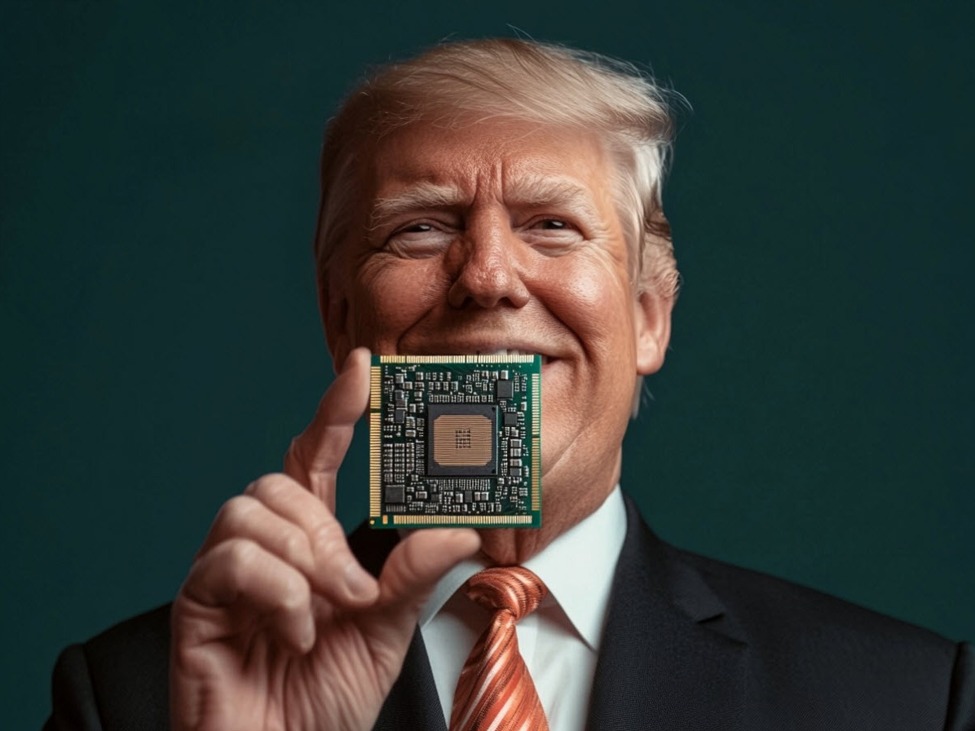
Amazon and Microsoft have thrown their support behind the proposed Gain AI Act, a U.S. bill that would restrict Nvidia and other chipmakers from exporting advanced semiconductors to China and other embargoed markets until domestic demand is fully met. The move marks an unusual policy rift between Nvidia and two of its biggest customers, highlighting intensifying competition for AI chips inside the United States.The legislation aims to safeguard U.S. supply for cloud providers and data-centre operators racing to build AI infrastructure. It has gained backing from Amazon, Microsoft and AI developer Anthropic, who favour a clause granting “trusted entities” export exemptions without requiring government licences, a provision that would ease their global operations and potentially give them a competitive advantage.Nvidia, which controls about 80% of the AI chip market, has mounted a heavy lobbying effort against the bill, spending US$3.5 million this year. The company argues the act risks distorting global semiconductor markets and could trigger even tighter export restrictions from Washington.The Gain AI Act has support from key Democrats including Senate Majority Leader Chuck Schumer and could be folded into the National Defense Authorization Act before year-end. But it still needs approval from Senate and House Republicans, and faces scepticism from some White House officials. Supporters maintain the bill is essential to preventing future chip shortages and reinforcing U.S. leadership in AI.
This article was written by Eamonn Sheridan at investinglive.com.
💡 DMK Insight
Amazon and Microsoft’s backing of the Gain AI Act is a game changer for chipmakers like Nvidia. This legislation could significantly impact Nvidia’s supply chain and pricing power, especially if they can’t meet domestic demand before exporting. For traders, this means keeping an eye on Nvidia’s stock performance and any potential supply chain disruptions. If Nvidia’s share price starts to falter, it could create ripple effects across the tech sector, particularly for companies reliant on their chips. The broader implications could also affect related markets, like semiconductor ETFs or tech indices. Watch for Nvidia’s response to this bill and any shifts in their production strategy—key levels to monitor would be their recent support and resistance points. If the stock breaks below a critical level, it could signal a bearish trend. Here’s the thing: while this may seem like a win for domestic production, it could also lead to increased prices and supply shortages, which might not sit well with consumers and businesses alike. Keep an eye on the legislative timeline and any amendments that could alter the bill’s impact.
📮 Takeaway
Traders should monitor Nvidia’s stock closely for any price drops below key support levels as the Gain AI Act progresses.