
 Bitcoin
  Ethereum
  Tether
  BNB
BNB  XRP
XRP  USDC
USDC  Solana
  TRON
TRON  Lido Staked Ether
  Figure Heloc
USTR Greer said an agricultural deal worth double-digit billions is expected from the US-China summit, with China meeting soybean commitments, though no tariff rate commitment was offered.Summary: US Trade Representative Jamieson Greer:A deal for double-digit billions of dollars in US agricultural sales to China is expected to emerge from the summit, with China said to be fulfilling existing soybean purchase commitmentsGreer described the summit as having delivered significant successes in rebalancing trade with China, though he declined to commit to any specific tariff rate on Chinese goodsTrade investigation findings are expected to be released within weeksNvidia H200 chip purchases by China were described as a sovereign decision for Beijing, with chip export controls said not to have been a major topic at the meetingThe Trump-Xi meeting was characterised as candidUS Trade Representative Jamieson Greer signalled meaningful progress on agricultural trade with China following the latest bilateral summit, while maintaining deliberate ambiguity on tariffs and sidestepping questions around semiconductor export controls.Greer said the US expects an agreement covering double-digit billions of dollars in American agricultural sales to China to emerge from the summit, pointing to the talks as evidence of tangible rebalancing in the trade relationship. China, he added, is fulfilling its commitments on soybean purchases, a development that will be closely watched by agricultural commodity markets given the scale of China’s buying power in that sector.On tariffs, Greer was careful not to offer any specific commitment on the rate that will apply to Chinese goods going forward. He acknowledged that China understands a certain level of US tariffs will remain in place, but declined to be drawn on where that level will ultimately sit. The position preserves negotiating flexibility for Washington but leaves importers and businesses exposed to US-China trade flows without the certainty they have been seeking. Findings from ongoing trade investigations are expected to be published within weeks, which may provide more clarity on the direction of tariff policy.The technology dimension of the relationship received notably less attention at the summit than some had anticipated. Greer described chip export controls as not having been a major topic in the meeting, and framed any potential Chinese purchases of Nvidia H200 chips as a sovereign decision for Beijing to make. That framing stops well short of any US commitment to ease restrictions, while avoiding an explicit hardening of the existing controls.Greer’s overall characterisation of the Trump-Xi meeting was that it was candid, a diplomatic term that typically signals substantive but not necessarily comfortable exchanges. The combination of agricultural progress, tariff ambiguity and chip restraint reflects a relationship that is moving incrementally rather than toward any comprehensive resolution.—The prospect of a double-digit billion dollar agricultural deal would provide meaningful support for US soybean and broader agricultural commodity prices, with China’s confirmed fulfilment of soybean purchase commitments already a positive signal for that market. The refusal to commit to a specific tariff rate on Chinese goods keeps uncertainty elevated for supply chains and importers exposed to US-China trade flows. The framing of Nvidia H200 chip purchases as a sovereign decision by China leaves a potentially significant technology trade flow unresolved, with implications for semiconductor sector sentiment. Trade investigation findings expected within weeks add another near-term catalyst for markets tracking the bilateral relationship. This article was written by Eamonn Sheridan at investinglive.com. 🔗 Source 💡 DMK Insight A potential multi-billion dollar agricultural deal with China could shift market dynamics significantly. Traders should pay close attention to how this impacts soybean prices, especially if China follows through on its commitments. The lack of a tariff rate commitment could mean volatility in related commodities, as uncertainty often leads to speculative trading. If soybean prices react positively, we might see a ripple effect across the agricultural sector, influencing ETFs and stocks tied to farming and exports. Keep an eye on technical levels for soybeans; a breakout above recent highs could signal strong bullish momentum. Conversely, if the deal falls through or underdelivers, expect a swift correction. Here’s the thing: while the mainstream narrative focuses on the deal’s potential, the real story is the lack of clarity on tariffs, which could create a double-edged sword for traders. Monitor the upcoming reports from the summit for any surprises that could shift sentiment quickly. 📮 Takeaway Watch soybean prices closely; a breakout above recent highs could signal bullish momentum, while any tariff uncertainty might lead to increased volatility.
Japan wholesale prices surge 4.9% as Iran war drives import cost spike
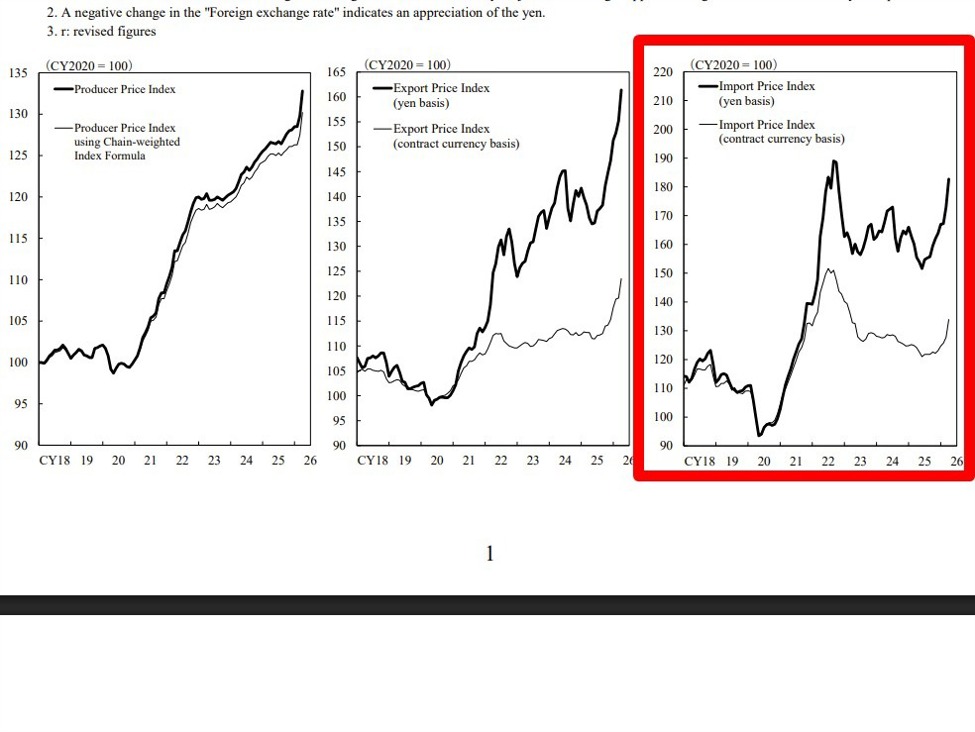
Japan’s wholesale prices rose 4.9% year-on-year in April, far above the 3.0% forecast, as Iran war-driven oil costs pushed import prices up 17.5% and naphtha surged 83.2% month-on-month. Summary:Japan’s corporate goods price index rose 4.9% year-on-year in April, well above the 3.0% median market forecast and sharply up from a revised 2.9% in March, marking the biggest annual rise since May 2023The yen-based import price index surged 17.5% year-on-year in April, the fastest pace since December 2022, after a revised 8.0% gain the prior monthNaphtha prices rose 83.2% month-on-month and 79.4% year-on-year in April, while chemical goods prices climbed 9.2% year-on-year, the fastest since September 2022A BOJ official attributed the broad-based price rises to uncertainty surrounding the Middle East conflict and the effective closure of the Strait of HormuzThe data is expected to increase pressure on the BOJ to raise interest rates at its next policy meeting in JuneJapan’s wholesale inflation surged well beyond expectations in April, with data released by the Bank of Japan pointing to rapidly intensifying cost pressures driven by the ongoing Middle East conflict and the near-closure of the Strait of Hormuz to commercial shipping.The corporate goods price index, which tracks the prices companies charge each other for goods and services, rose 4.9% year-on-year in April. That was sharply higher than the median market forecast of 3.0% and a significant acceleration from the revised 2.9% recorded in March. It was also the largest annual increase since May 2023, underscoring how quickly the energy shock is transmitting through Japan’s supply chain.Import prices told an even starker story. The yen-based import price index climbed 17.5% year-on-year in April, the fastest pace since December 2022, after a revised 8.0% gain the previous month. A BOJ official attributed the broad-based price increases to uncertainty generated by the Middle East conflict and the effective closure of the Strait of Hormuz, identifying oil and chemical products as the primary drivers.The petrochemical segment saw particularly severe moves. Naphtha, a key feedstock for plastics and chemical manufacturing, rose 83.2% month-on-month and 79.4% year-on-year in April. Chemical goods prices as a whole climbed 9.2% year-on-year, the fastest rate of increase since September 2022. The scale of those moves suggests the inflation impulse from the energy shock is far from fully absorbed, with further passthrough to downstream industrial and consumer prices likely in the months ahead.The data arrives at a sensitive moment for the BOJ, which had already been on a gradual tightening path before the latest energy shock complicated the global inflation picture. The April print is expected to sharpen debate within the central bank ahead of its June policy meeting, with markets likely to bring forward expectations for the next rate hike. A wholesale inflation reading nearly double the consensus forecast gives BOJ policymakers limited room to look through the data as transitory, particularly given the structural nature of the supply disruption driving it.ps. Takaichi has a call scheduled with Trump today. —A wholesale inflation print nearly double market expectations significantly raises the probability of a BOJ rate hike at the June meeting, which would have broad implications for yen-denominated assets and global carry trades funded in Japanese yen. The 83.2% month-on-month surge in naphtha prices signals acute stress in petrochemical supply chains that will take time to pass through to consumer and industrial prices. With import prices rising at the fastest pace since late 2022, the BOJ faces a narrowing window to maintain its gradual tightening path without being forced into a more aggressive response. Energy and chemical sector cost pressures of this magnitude typically take several months to fully transmit through manufacturing supply chains. This article was written by Eamonn Sheridan at investinglive.com. 🔗 Source 💡 DMK Insight Japan’s wholesale price surge signals potential inflationary pressures that could ripple through global markets. The 4.9% year-on-year increase in wholesale prices, driven by a staggering 17.5% rise in import costs due to the Iran conflict, raises concerns about sustained inflation. This could lead the Bank of Japan to reconsider its ultra-loose monetary policy sooner than expected, impacting the yen and Japanese equities. Traders should watch for shifts in the USD/JPY pair, especially if it breaks above key resistance levels. Additionally, commodities like oil and naphtha could see increased volatility as these price hikes filter through supply chains. But here’s the flip side: if inflation expectations rise too quickly, it could trigger a flight to safety, benefiting the dollar and gold. Keep an eye on the upcoming economic data releases, as they could provide further clarity on whether this trend is temporary or indicative of a longer-term shift. Watch for any comments from the Bank of Japan regarding their policy stance, as that could be a major catalyst for market movements. 📮 Takeaway Monitor the USD/JPY pair closely; a break above key resistance could signal significant market shifts amid rising inflation concerns.
Japan finance minister heads to G7 as energy costs and bond yields dominate
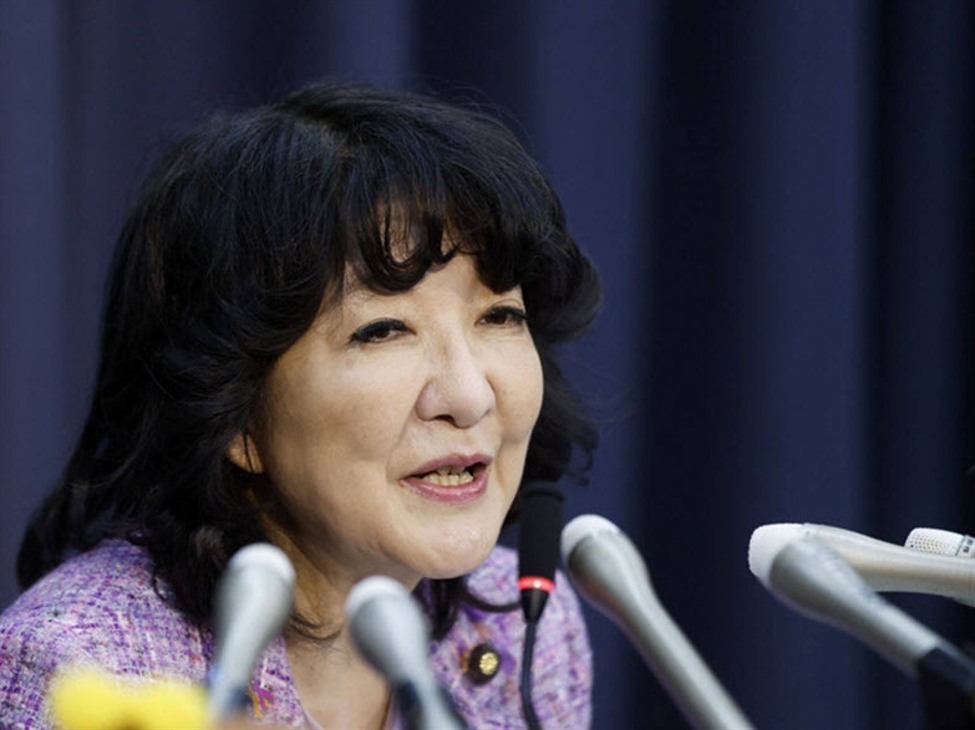
Japan’s finance minister will attend the G7 meeting in France from May 17, flagging a flexible fiscal response to energy costs while noting rising global bond yields are likely to feature on the agenda. Summary:Katayama will travel to France from May 17 to attend the G7 Finance Ministers’ meetingJapan has 1 trillion yen in reserve funds within the fiscal 2026 budget and sees no immediate need for an extra budgetThe government will monitor how rising energy import costs feed through to electricity prices before deciding on any revival of energy subsidiesA flexible fiscal response to protect household livelihoods was pledgedRising bond yields across major economies including the US and UK are expected to be a key topic at the G7 finance meetingJapanese Finance Minister Katayama will travel to France this weekend to attend the G7 Finance Ministers’ meeting, arriving with energy costs and rising global bond yields set to dominate the international agenda.Katayama said Japan will take a flexible approach to protecting household livelihoods as energy import costs continue to climb in the wake of Middle East supply disruptions. However, she stopped short of committing to a revival of energy subsidies, saying the government will first assess how rising import costs are feeding through into electricity prices before making any decisions on further support measures.On the domestic fiscal position, Katayama said Japan holds 1 trillion yen in reserve funds within the current fiscal 2026 budget, giving the government near-term capacity to respond to economic pressures without immediately resorting to a supplementary budget.Beyond the energy question, Katayama pointed to rising sovereign bond yields as a global concern that will likely feature prominently at the G7 gathering. With yields climbing across major economies including the United States and the United Kingdom, the issue has moved from a country-specific concern to a systemic one that finance ministers from the world’s leading economies will need to address collectively. The G7 forum provides an opportunity to assess whether the yield moves reflect shifting growth and inflation expectations or a broader reassessment of sovereign risk, and to coordinate messaging if needed.Japan’s own bond market has been under scrutiny given the BOJ’s ongoing policy normalisation, making the global yield discussion particularly relevant for Tokyo. With wholesale inflation data released earlier on Thursday already raising expectations for a BOJ rate hike as soon as June, Katayama heads to France at a moment when the interaction between fiscal policy, energy costs and monetary conditions is unusually complex.—Katayama’s acknowledgement that rising bond yields are a global phenomenon, likely to feature on the G7 agenda, signals that sovereign debt markets will be under coordinated scrutiny at the highest level of international finance. Japan’s decision to monitor electricity cost passthrough before committing to subsidy revival keeps fiscal options open but adds uncertainty for energy-intensive industries facing near-term cost pressure. The 1 trillion yen reserve fund provides a near-term buffer, but markets will be watching whether the energy shock forces Tokyo’s hand on additional spending before the G7 meeting concludes. This article was written by Eamonn Sheridan at investinglive.com. 🔗 Source 💡 DMK Insight Japan’s finance minister’s attendance at the G7 could signal shifts in fiscal policy that impact global markets. With rising energy costs and global bond yields on the agenda, traders should keep an eye on how Japan’s fiscal response might influence the yen and broader forex markets. If Japan signals a more aggressive fiscal stance, it could lead to a weaker yen, impacting currency pairs like USD/JPY. Additionally, the focus on bond yields could affect equities and commodities, especially if central banks are pushed to adjust their monetary policies in response. Watch for any comments on inflation targets or interest rate adjustments, as these could provide critical insights into future market movements. The G7 meeting is set for May 17, so expect volatility in the lead-up as traders position themselves based on anticipated outcomes. 📮 Takeaway Monitor USD/JPY closely as Japan’s fiscal response at the G7 could trigger significant currency movements, especially around May 17.
PBOC sets USD/ CNY reference rate for today at 6.8415 (vs. estimate at 6.7976)
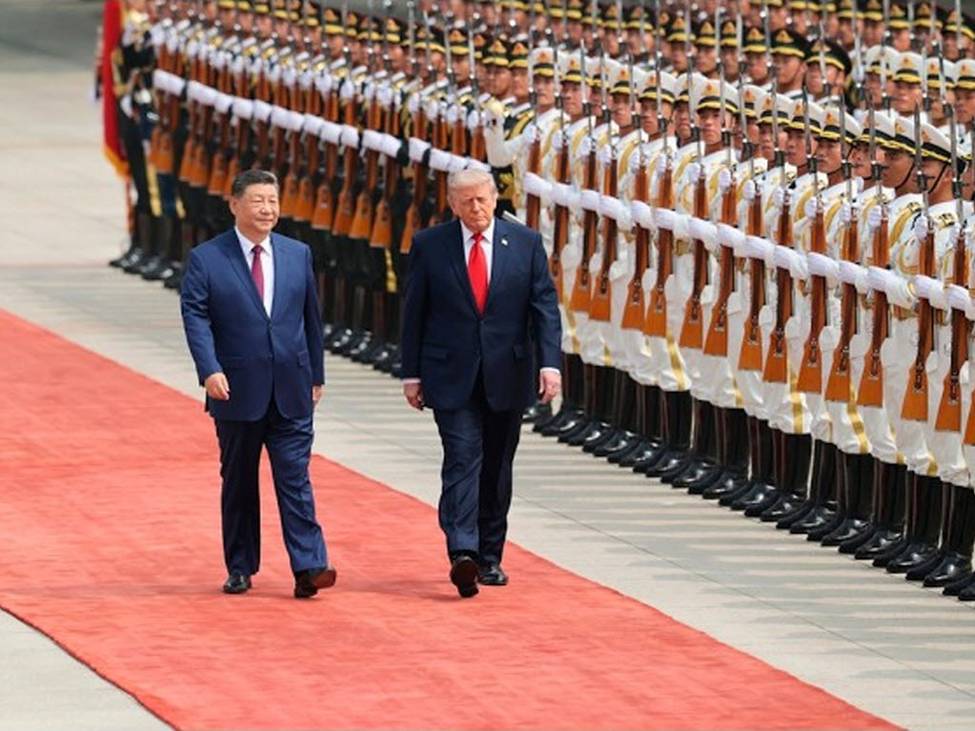
The PBOC allows the yuan to fluctuate within a +/- 2% range, around this reference rate. Injects 500mn yuan via 7-day reverse repos in open market operates today. Unchanged rate of 1.4%.-Earlier:Here is Trump’s schedule in China today, Friday, May 15, 2026 This article was written by Eamonn Sheridan at investinglive.com. 🔗 Source 💡 DMK Insight The PBOC’s recent move to inject 500 million yuan via reverse repos signals a proactive stance in managing liquidity, and here’s why that matters for traders: With the yuan’s fluctuation allowed within a +/- 2% range, this liquidity injection aims to stabilize the currency amid potential volatility. Traders should keep an eye on how this impacts the USD/CNY pair, especially if the yuan approaches its upper or lower limits. The unchanged rate of 1.4% suggests the PBOC is not looking to tighten monetary policy just yet, which could lead to a weaker yuan if external pressures mount. Look for potential ripple effects in related markets, particularly commodities priced in yuan, as a weaker currency could boost prices. On the flip side, if the yuan strengthens unexpectedly, it could pressure export-driven sectors. Traders should monitor the daily chart for USD/CNY, particularly any breakouts above or below key levels, which could indicate further directional moves. Keep an eye on upcoming economic data releases that could influence the PBOC’s next steps. 📮 Takeaway Watch the USD/CNY pair closely; a breakout above or below key levels could signal significant moves in response to PBOC actions.
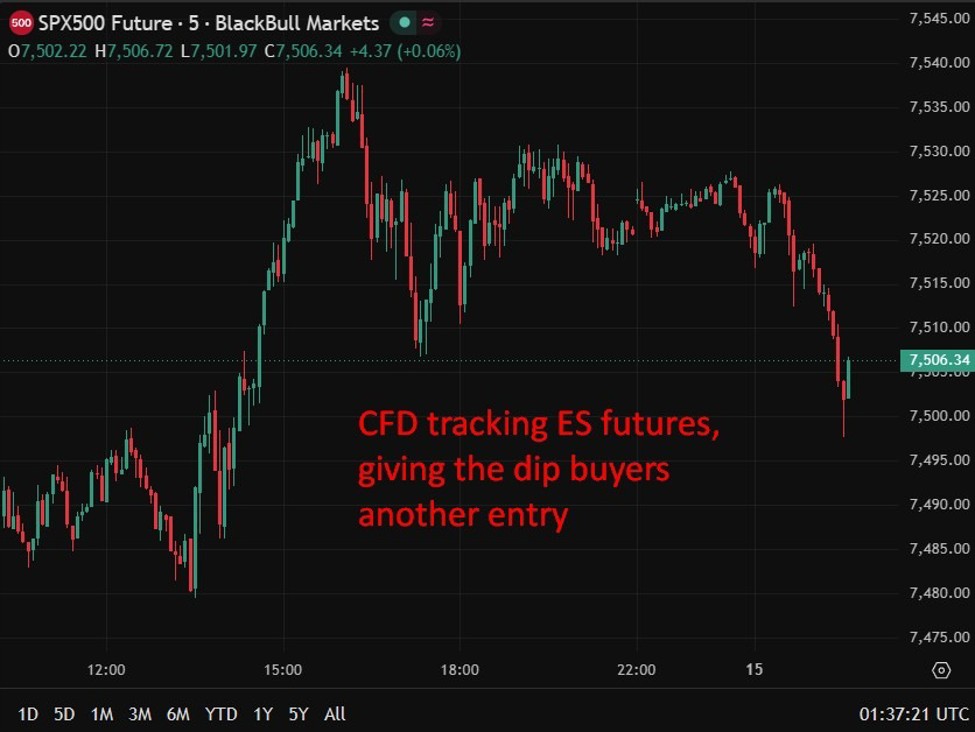
Trump touts China trade wins on Fox as oil rises and markets turn cautious (equities down)
Trump told Fox News that China will open its market in stages, buy US farm goods and oil, and receive shipments at Texas, Louisiana and Alaska ports, as oil prices rose and equity futures fell. Summary:Trump said China will open its market in stages and intends to purchase significant volumes of US agricultural products and oilChinese oil shipments were described as heading to Texas, Louisiana and AlaskaVisa Company was raised by Trump as a topic in the US-China talks, though no detail was providedOil prices rose following the comments while US equity index futures declinedThe 10-year US Treasury yield continued to climb, moving above 4.5%President Donald Trump used a Fox News interview on Thursday evening to outline what he described as significant concessions and commitments from China following recent trade talks, though the remarks were characterised by limited detail and broad assertions that markets appeared to greet with caution.Trump said China would open its market in stages, a formulation that signals a gradual rather than immediate shift and leaves considerable ambiguity around the pace and scope of any liberalisation. He said China would buy substantial volumes of American farm products, consistent with comments made earlier in the day by US Trade Representative Jamieson Greer, who flagged an expected agricultural deal worth double-digit billions of dollars. Trump also said China wants to purchase US oil, with shipments set to be directed to ports in Texas, Louisiana and Alaska.The mention of Visa Company as a topic raised during the China talks was notable but unexplained, with no further detail offered on what was discussed or what outcome, if any, was sought.Market reaction to the interview was mixed at best. Oil prices moved higher on the energy trade comments, while US equity index futures declined, suggesting investors were not fully persuaded by the optimism or were already focused on a more pressing concern: yields. The 10-year US Treasury yield continued its climb, pushing above 4.5%, a level that historically exerts meaningful pressure on equity valuations and risk appetite more broadly.The juxtaposition of a president talking up trade progress while bond markets and equity futures move in the opposite direction captures the tension that has defined markets this week, where geopolitical and trade developments are competing for attention with a rate environment that is becoming harder to ignore. —Added:says current Iran leaders are more reasonableIran has a lot of inner turmoilNot going to be much more patient on IranIran’s enriched uranium could be entombed (bombed again), would rather get itHave our eyes on Iran’s enriched uranium-Oil markets are drawing support from Trump’s comments that China wants to buy US crude, with shipments flagged to Texas, Louisiana and Alaska ports, though the vagueness of the remarks leaves the scale and timeline undefined. Equity index futures declining alongside rising yields suggests markets are tempering enthusiasm for the trade optimism with concern about the broader rate environment, where the 10-year Treasury yield climbing above 4.5% is doing its own work on risk appetite. Agricultural commodity markets may find near-term support from the farm product purchasing comments, consistent with the double-digit billion dollar deal flagged earlier by USTR Greer. The combination of rising oil and rising yields is a challenging backdrop for equities regardless of trade headline flow. This article was written by Eamonn Sheridan at investinglive.com. 🔗 Source 💡 DMK Insight Trump’s comments on China’s market opening could shift oil dynamics significantly. With oil prices already rising, this news might fuel further bullish sentiment in the energy sector. Traders should watch for how this impacts WTI and Brent crude prices, especially if China follows through on purchasing U.S. farm goods and oil. If the bullish momentum continues, we could see WTI testing resistance levels around recent highs. On the flip side, equity futures falling suggests that investors might be cautious about the broader implications of these trade dynamics, particularly if they perceive this as a short-term fix rather than a long-term solution. Keep an eye on the market’s reaction over the next few days, as volatility could spike depending on how these developments unfold and whether they lead to actual changes in trade flows. Watch for any updates on shipment logistics and actual purchase agreements, as these will be key indicators of whether this news translates into sustained price movements. 📮 Takeaway Monitor WTI crude prices closely; a sustained rise above recent highs could signal a bullish trend, especially if China follows through on its commitments.
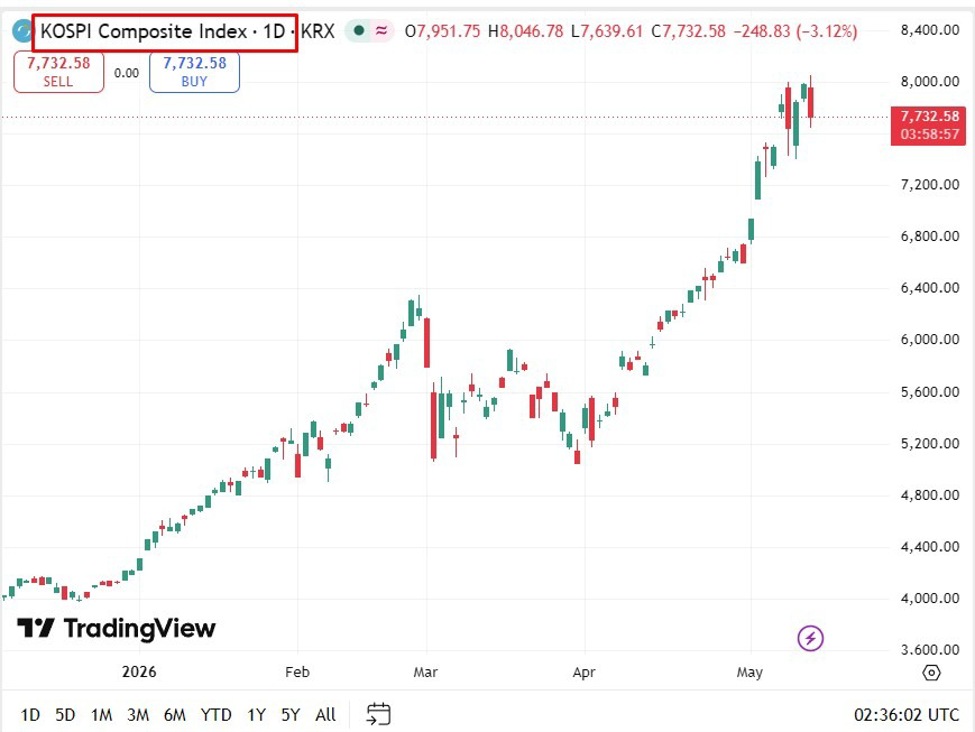
South Korean stocks reverse record highs as Trump patience on Iran wears thin
South Korea’s KOSPI reversed from a record high above 8,046 to fall more than 2% after Trump signalled diminishing patience with Iran, lifting oil prices and pulling US equity futures lower.Summary:South Korea’s KOSPI hit an all-time high of 8,045+ before reversing to fall more than 2%, though it remained on course for a sixth consecutive weekly gain, up more than 3% for the weekTrump said in a Fox News interview he would not be much more patient with Iran and that it is only a matter of time, urging Tehran to reach a deal with WashingtonTrump also suggested Iran’s enriched uranium could be entombed but said he would prefer to remove itWashington reportedly informed Israel of the possibility that Trump could order strikes inside Iran, with Israeli officials said to be on high alertOil prices edged higher as geopolitical escalation risk increased, while US equity futures turned lower following Trump’s remarksSouth Korean stocks swung sharply on Friday, erasing a historic rally to record levels after US President Donald Trump signalled hardening resolve toward Iran, sending a chill through risk assets and lifting oil prices on fresh fears of geopolitical escalation.The KOSPI briefly touched an all-time high of 8,046.78 before reversing course to fall more than 2%, as Trump’s comments in a Fox News interview aired Thursday night shifted market sentiment. Despite the intraday reversal, the index remained more than 3% higher for the week and on track for a sixth consecutive weekly gain, a run that had carried it to historic territory before Friday’s selloff.Trump’s remarks were pointed. He said he would not be much more patient with Iran and framed the standoff as a matter of time, pressing Tehran to reach a deal with Washington. He also addressed the question of Iran’s enriched uranium stockpile, suggesting it could be entombed but expressing a preference for removing it entirely, comments that hardened the impression of a president prepared to consider more forceful options.The market reaction was swift. US stock futures turned lower following the interview, with the South Korean market extending losses in tandem. Traders cited Trump’s Iran comments directly as the trigger for the reversal from record highs.Adding to the unease, reports emerged that Washington had informed Israel of the possibility that Trump could order strikes inside Iran. Israeli officials were said to be on high alert this weekend in anticipation of a potential decision to resume military operations. Those reports gave operational weight to what might otherwise have been read as negotiating rhetoric, and oil markets responded accordingly, edging higher as the risk of renewed conflict and further Strait of Hormuz disruption grew.The episode underscores how finely balanced sentiment remains across global markets, where record equity levels and ongoing trade optimism are proving vulnerable to sudden shifts in the geopolitical backdrop.—Trump’s comments represent a material escalation in rhetoric toward Iran and have injected fresh geopolitical risk premium into oil markets, which edged higher on the prospect of resumed military action. Reports that Washington has informed Israel of the possibility of strikes inside Iran, with Israeli officials said to be on high alert, add operational credibility to what might otherwise be read as negotiating pressure. Equity markets are right to reprice: a resumption of hostilities would tighten the Strait of Hormuz further, amplifying the supply shock already weighing on global inflation and growth. The KOSPI’s sharp reversal from a record high illustrates how quickly risk appetite can turn when geopolitical headlines shift. This article was written by Eamonn Sheridan at investinglive.com. 🔗 Source 💡 DMK Insight The KOSPI’s sharp reversal from an all-time high signals volatility ahead for traders. With Trump’s comments on Iran impacting oil prices and US equity futures, this could indicate a broader risk-off sentiment. Traders should be wary of how geopolitical tensions can ripple through markets, especially in Asia. The KOSPI’s drop of over 2% suggests that the bullish momentum may be stalling, and this could affect related assets like South Korean tech stocks, which are heavily weighted in the index. If the KOSPI fails to hold above the 8,000 level, we might see further selling pressure, potentially leading to a test of support around 7,800. Keep an eye on oil prices and US futures, as they could dictate the KOSPI’s direction in the short term. If oil continues to rise, it might exacerbate inflation fears, leading to more volatility across global markets. Watch for any developments in US-Iran relations, as these could trigger significant market moves. The next few trading sessions will be crucial for determining whether this is a temporary pullback or the start of a more sustained downtrend. 📮 Takeaway Watch the KOSPI closely; if it breaks below 8,000, expect increased volatility and potential tests of 7,800 support.
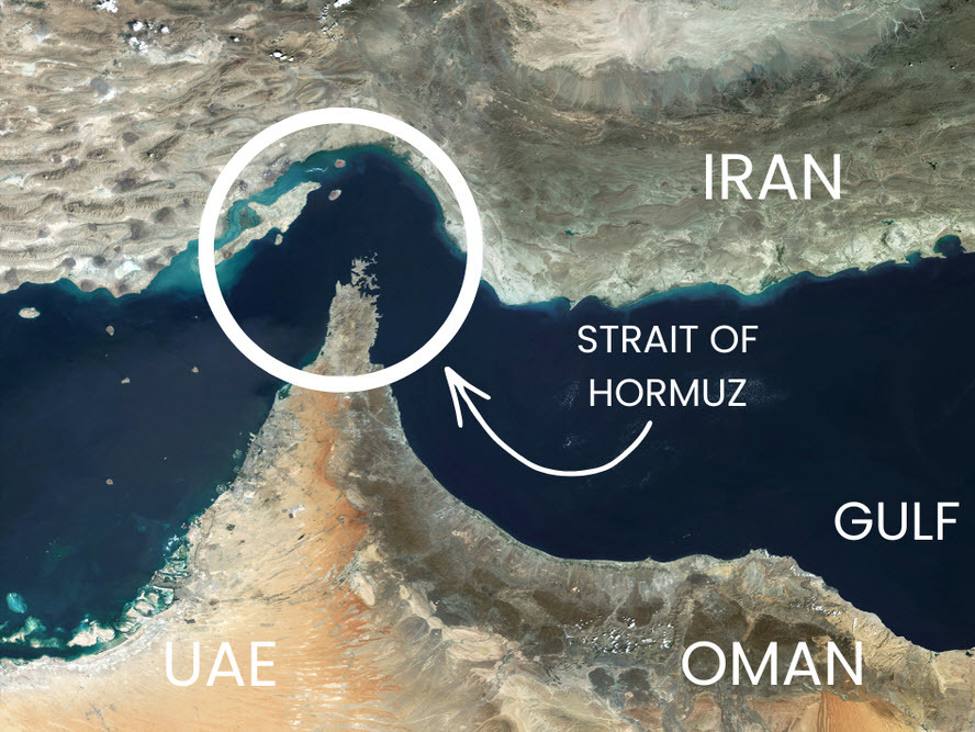
China foreign ministry says we should reopen Hormuz ASAP
China foreign ministry, on Iran situation:A comprehensive and lasting ceasefire should be reached as soon as possibleWe should reopen the channel as soon as possibleFinding a solution earlier is beneficial to both the United States and Iran, as well as regional countriesSomething specific would be nice, yeah? This article was written by Eamonn Sheridan at investinglive.com. 🔗 Source 💡 DMK Insight The ongoing geopolitical tensions, particularly regarding Iran, could have ripple effects on crypto markets, especially Ethereum and Solana. As ETH hovers around $2,259.92, traders should be aware that any significant developments in the Iran situation could lead to increased volatility. Geopolitical stability often correlates with risk appetite in markets; if tensions escalate, we might see a flight to safety, impacting crypto investments. Conversely, a resolution could boost market sentiment, potentially pushing ETH towards resistance levels above $2,300. Look for trading volume and sentiment indicators as key metrics to gauge market reactions. If ETH breaks above $2,300, it could signal a bullish trend, while a drop below $2,200 might trigger bearish sentiment. Keep an eye on SOL as well, currently at $91.42, as it often moves in tandem with ETH. A broader market rally could see SOL testing the $95 resistance level, but geopolitical news will be the primary driver in the short term. 📮 Takeaway Watch for ETH to break $2,300 for bullish momentum; geopolitical developments could trigger volatility in both ETH and SOL.
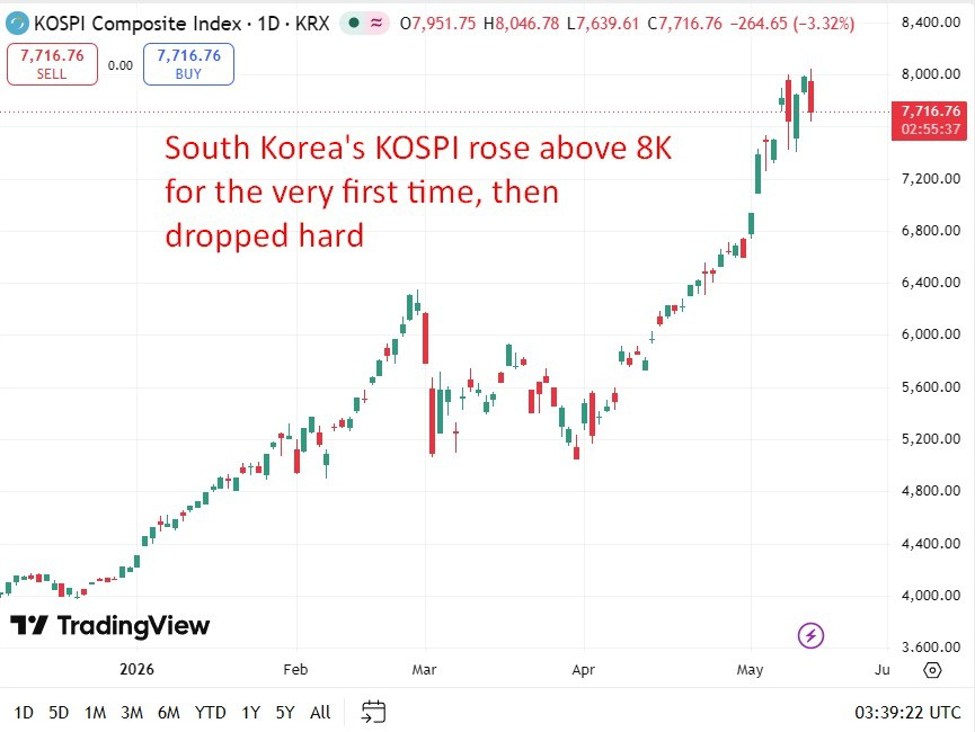
investingLive Asia-Pacific FX news wrap: KOSPI 8K record short-lived as Iran nerves bite
China foreign ministry says we should reopen Hormuz ASAPSouth Korean stocks reverse record highs as Trump patience on Iran wears thinTrump touts China trade wins on Fox as oil rises and markets turn cautious (equities down)PBOC sets USD/ CNY reference rate for today at 6.8415 (vs. estimate at 6.7976)Japan finance minister heads to G7 as energy costs and bond yields dominateJapan wholesale prices surge 4.9% as Iran war drives import cost spikeUSTR Greer flags China ag deal progress but holds firm on tariff uncertaintyMore from Fed’s Barr – hasn’t decided on what to do at June FOMC meetingJapan April wholesale prices surge, PPI +4.9% y/y (expected +3%, prior +2.6%)Ex-Google CEO Schmidt says cash, not energy, is the real limit on AI growthFed’s Barr warns shrinking balance sheet via liquidity cuts risks stabilityMore from Fed’s Williams, sees no case for rate move as policy sits in good placeNew Zealand manufacturing expansion slows sharply in April, PMI data showsFed Williams sitting on the fence on inflation, but says persistent above targetTrump says “President Xi congratulated me”!Trump win. US House ties on Iran war vote. War costs, gas prices test Republican unity.Morgan Stanley sees AI and consumers driving growth as energy shock clouds outlookWarsh Fed appointment unlikely to deliver rate cuts, analysts warnTrump ethics filing reveals $220m in trades across major US stocksinvestingLive Americas FX news wrap 14 May:AI boom powers markets higher. USD higher.Government bond yields ground higher across the session, with the 10-year US Treasury pushing above 4.5%, lending support to the dollar while weighing on equities and metals. It was a broadly risk-off tone that built gradually through the day rather than arriving in one sharp move.The Federal Reserve provided the early narrative. New York Fed President John Williams said monetary policy is in a good place and that he sees no reason to raise or lower rates right now, a stance he grounded in his view that tariff-driven inflation has largely passed through and that the labour market is not generating unusual second-round price pressures. Fed Governor Barr added a separate note of caution, pushing back firmly against proposals to loosen bank liquidity rules as a means of shrinking the Fed’s balance sheet, warning the approach would increase financial stability risks rather than reduce the central bank’s footprint.From Asia, Japan’s wholesale price data delivered a jolt. The corporate goods price index rose 4.9% year-on-year in April, nearly double the forecast, as Iran war-driven energy costs pushed import prices up 17.5% and naphtha surged 83.2% month-on-month. The print is expected to intensify debate at the BOJ ahead of its June meeting, with rate hike expectations likely to be brought forward. Finance Minister Katayama, meanwhile, pledged a flexible fiscal response to rising energy costs but stopped short of committing to a subsidy revival, noting Japan holds 1 trillion yen in budget reserves as a near-term buffer. She heads to France this weekend for the G7 Finance Ministers’ meeting, where rising global bond yields are expected to feature prominently on the agenda.Indian state fuel retailers raised diesel and gasoline prices on Friday for the first time in four years, a sign that energy cost pressures are beginning to force the hand of governments that had previously absorbed them.On the AI front, former Google chief executive Eric Schmidt made waves with a blunt assessment of where the real constraint on artificial intelligence development lies. It is not energy, he argued, but capital. At roughly $50 billion per gigawatt of compute capacity, a 10-gigawatt buildout would cost around half a trillion dollars, a sum only a handful of countries and institutions can realistically mobilise. Schmidt identified China as capable of matching the US at that scale, while describing Europe as effectively priced out of the race by the limitations of its capital markets. The comments add a financial lens to a debate that has largely focused on power and compute, and carry pointed implications for how the AI competitive landscape develops over the next decade.On trade, US Trade Representative Jamieson Greer said the US-China summit had delivered meaningful progress, with a deal covering double-digit billions of dollars in American agricultural sales to China expected to emerge from the talks. China is already fulfilling existing soybean purchase commitments, Greer said. He declined to commit to any specific tariff rate on Chinese goods, however, preserving negotiating flexibility while leaving businesses without the certainty they have been seeking. Findings from ongoing trade investigations are expected within weeks, a timeline that could generate fresh headlines early next week. Notably, Greer said chip export controls were not a major topic at the summit, and framed any potential Chinese purchases of Nvidia H200 chips as a sovereign decision for Beijing.Oil drifted higher through the session, with two competing explanations on offer.1. Trump told Fox News that Xi Jinping is keen on buying more US crude, a comment that added a demand-side dimension to the trade optimism of recent days. But the more unsettling driver was geopolitical. 2. Reports emerged that Washington had informed Israel of the possibility that Trump could order strikes inside Iran, with Israeli officials said to be on high alert this weekend. Trump himself said it is only a matter of time on Iran and that his patience is running thin, adding that while he would prefer to remove Iran’s enriched uranium stockpile he could accept it being locked under monitoring.South Korean equities captured the mood of the session neatly. The KOSPI briefly touched a record high above 8,046 before reversing to close more than 2% lower as Trump’s Iran comments landed. It remained on track for a sixth consecutive weekly gain, but the intraday swing said everything about how quickly sentiment can turn.Trump departs Beijing later today to head home. It is going to be another nervy weekend. This article was written by Eamonn Sheridan at investinglive.com. 🔗 Source 💡 DMK Insight China’s push to reopen the Strait of Hormuz is a game changer for oil traders right now. With South Korean stocks reversing from
Japan currency intervention not likely to sustainably curb yen weakness – poll
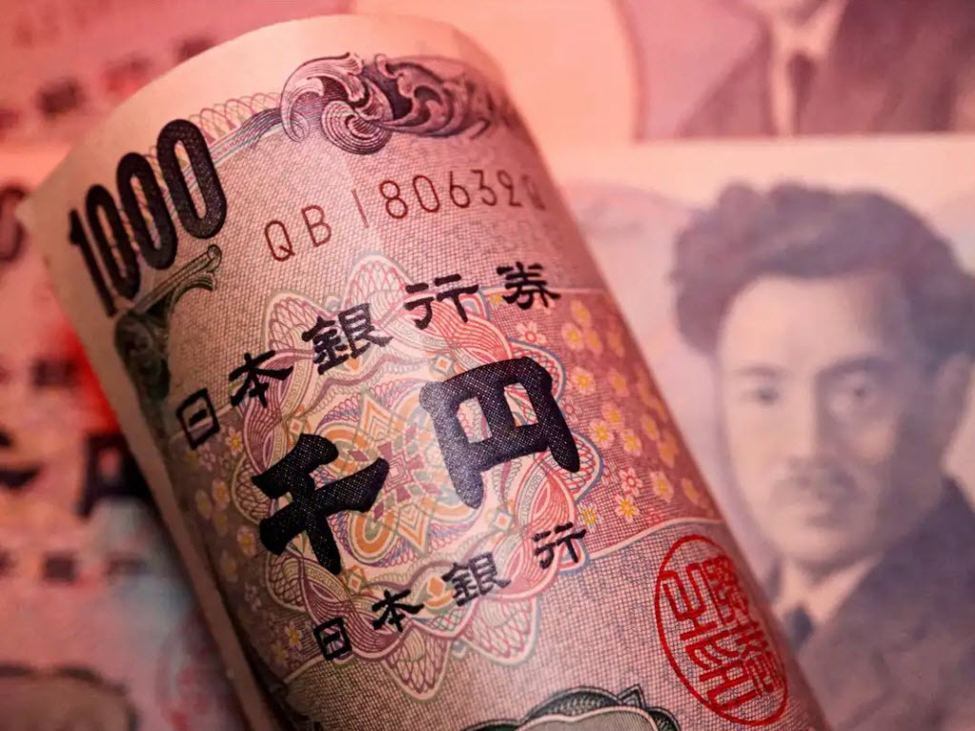
This is the findings from the latest Reuters’ poll on economists, involving the BOJ and the Japanese economy:Median forecast sees BOJ raising interest rates to 1.25% in Q4 (unchanged)65% of economists anticipate policy rate to rise to 1.00% in June74% of economists see currency intervention as unlikely to sustainably curb yen weakness72% of economists see sustained inflation as being the bigger risk to the economy than demand slowdownThe pressure is certainly rising for Japan and Tokyo officials as the Middle East conflict drags on. The ministry of finance’s intervention efforts are not leading anywhere with USD/JPY now climbing back to 158.50. That is the highest level in two weeks, marking the time when they first intervened in the market this year.The move higher in the currency pair has negated all the ammunition that they have thrown out during last week. There have been some minor hiccups here and there this week but they could be rate checks more than actual intervention on the part of Tokyo officials.But as they struggle to go up against the market, is it about time that the ministry of finance turn to the BOJ for assistance?Nomura argues that the BOJ would be inclined to raise rates in June in part to help address the upside risks that may arise from a further depreciation in the yen currency. However, several other economists from the poll above argue that the BOJ may want to hold off until there is more clarity from Middle East developments. That as the negative impact on the Japanese economy may be much greater than anticipated currently.It’s a fine balance but the BOJ have only themselves to blame, after having had ample opportunities to deliver more rate hikes in the past year. And now, they are put in a very tough spot as the US-Iran war continues to play out for longer. This article was written by Justin Low at investinglive.com. 🔗 Source 💡 DMK Insight The BOJ’s potential rate hike is a game changer for forex traders focused on JPY. With a median forecast of 1.25% by Q4 and 65% of economists expecting a 1.00% rise in June, the market is gearing up for volatility. This could strengthen the yen against major pairs, especially if traders position themselves ahead of these anticipated moves. However, the 74% consensus against effective currency intervention suggests that any short-term gains might be fleeting. If the BOJ raises rates, watch for resistance levels around recent highs in USD/JPY, as a breakout could signal a stronger yen trend. On the flip side, if the BOJ fails to act, expect a potential sell-off in JPY pairs as traders recalibrate their expectations. Keep an eye on the upcoming economic indicators and central bank communications to gauge sentiment and adjust your strategies accordingly. 📮 Takeaway Watch for the BOJ’s rate decision in June; a hike could strengthen JPY significantly against USD/JPY, while failure to act may lead to a sell-off.
Risk-off wave starts to sweep across markets ahead of European trading
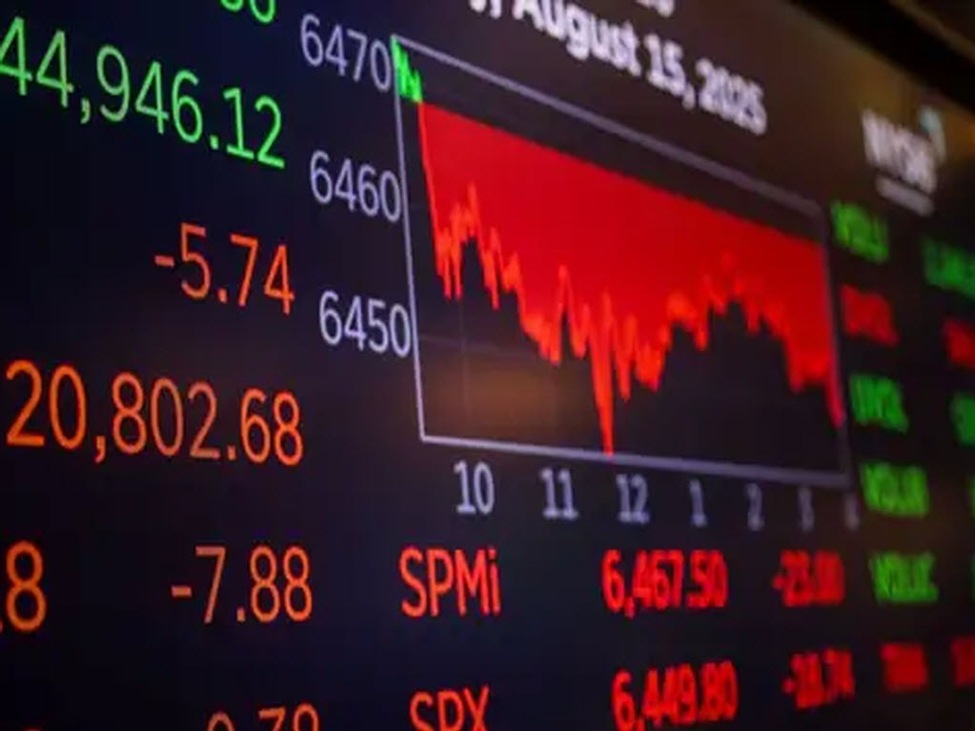
After the record highs in Wall Street yesterday, the mood music is switching around as we get into the new day. With markets turning their attention to Trump’s visit to China, the war in the Middle East continues to rage on. While there might have been some hopeful optimism about maybe expecting Trump to push Beijing to take action on Iran, that doesn’t seem to be coming as we draw closer to the weekend.And that is arguably why we’re starting to see markets get caught by another risk-off wave as we approach the final stretch of the week.US-Iran talks remain stalled and all China are saying is that “yes, there is no point in continuing the conflict” and that “the Strait of Hormuz must remain open for the good of everyone”.All this while traffic along the strait itself remains at a standstill, with only a minimal amount of bulk cargo and small tankers passing through (less than 10 vessels per day). With no oil tankers still able to transit, the status quo remains.Oil prices are keeping higher with WTI crude (June contract) up 1.5% to $102.65 currently. Meanwhile, Brent crude is up 1.3% to $107.05 on the day.At the same time, we’re seeing the dollar move up across the board alongside bond yields too. EUR/USD is down another 0.2% today to 1.1643 and AUD/USD down 0.7% to 0.7167 on the day. Meanwhile, 10-year Treasury yields are up by nearly 7 bps to 4.53% and 30-year yields in the US are up over 5 bps to 5.06%.In the equities space, we’re seeing US futures take a knock with S&P 500 futures now down 0.5% and Nasdaq futures down 0.8%. European stock futures are also down by over 1% ahead of the open later.And looking to precious metals, gold is down 1.4% to $4,583 and silver down 4% to $80.10 currently. This article was written by Justin Low at investinglive.com. 🔗 Source 💡 DMK Insight So Wall Street’s record highs are feeling a bit shaky today, and here’s why that matters: the focus is shifting to geopolitical tensions and Trump’s visit to China. Traders should be cautious as the optimism from yesterday’s gains could quickly evaporate if news from China or the Middle East escalates. The interplay between these events can create volatility, especially in sectors sensitive to trade relations and geopolitical stability. If tensions rise, we could see a flight to safety, impacting not just equities but also forex pairs like USD/JPY or commodities like gold. Keep an eye on key support levels in the S&P 500; a breach below recent lows could trigger further selling pressure. On the flip side, if Trump’s visit yields positive outcomes, we might see a short-term rally. But remember, the market’s reaction to geopolitical news can be unpredictable. Watch for any statements or developments coming out of China that could sway market sentiment significantly. 📮 Takeaway Monitor S&P 500 support levels closely; any breach could signal increased volatility as geopolitical tensions unfold.