
 Bitcoin
  Ethereum
  Tether
  XRP
XRP  BNB
BNB  USDC
USDC  Solana
  TRON
TRON  Lido Staked Ether
  Figure Heloc
 The Third Circuit affirmed an injunction blocking New Jersey from enforcing its gambling laws against Kalshi’s sports-related event contracts. The court said Kalshi had shown … 🔗 Source 💡 DMK Insight Kalshi’s recent legal win is more than just a victory for the company; it could reshape how event contracts are viewed in the broader gambling and trading markets. With the Third Circuit’s ruling, Kalshi can now operate without the looming threat of state gambling laws, which opens the door for other platforms to explore similar models. This could lead to increased liquidity and trading volume in event contracts, attracting both retail and institutional traders. Keep an eye on how this decision influences related sectors, particularly online betting and derivatives trading. If Kalshi’s model gains traction, we might see a shift in regulatory attitudes toward event-based trading, potentially impacting stocks tied to gambling and fintech sectors. However, it’s worth noting that this ruling may face challenges from states looking to protect their gambling revenues. Traders should monitor any upcoming legislative responses or appeals that could create volatility in Kalshi’s market position. Watch for key price levels around Kalshi’s trading volume metrics to gauge market sentiment moving forward. 📮 Takeaway Traders should watch for Kalshi’s trading volume and any state responses to the ruling, as these could signal significant market shifts.

Ether treasuries need liquid staking edge to beat ETFs, says Lido exec
Lido’s institutional lead argues that more crypto treasury companies will need to incorporate liquid staking to outperform the returns generated by staked Ether ETFs. 🔗 Source 💡 DMK Insight Lido’s push for liquid staking is a game changer for institutional investors looking to maximize returns. With ETH currently at $2,241.70, the conversation around liquid staking is heating up. As more treasury companies consider this strategy, they could potentially outpace returns from traditional staked Ether ETFs. This shift could lead to increased demand for ETH, pushing prices higher as institutions look to capitalize on the flexibility liquid staking offers. Traders should keep an eye on how this trend develops, especially if we see a significant uptick in institutional adoption. But here’s the flip side: if liquid staking becomes the norm, it could dilute the returns from traditional staking methods, creating a competitive landscape. Watch for any regulatory updates or institutional announcements that could influence this trend, as they may provide critical insights into market direction. Key levels to monitor include $2,300 as a resistance point and $2,100 for support, which could define short-term trading strategies. 📮 Takeaway Watch for institutional announcements on liquid staking adoption; key levels are $2,300 resistance and $2,100 support for ETH.

Gold trades choppy as Trump’s Iran ultimatum weighs on market sentiment
Gold (XAU/USD) is trading in a choppy range on Tuesday with markets on edge as the ultimatum from US President Donald Trump to reach a deal with Iran nears its deadline. 🔗 Source 💡 DMK Insight Gold’s choppy trading reflects heightened geopolitical tensions, and here’s why that matters: With President Trump’s ultimatum regarding Iran looming, traders are understandably jittery. Gold often acts as a safe haven during times of uncertainty, so any escalation could drive prices higher. If we see a break above recent resistance levels, it could trigger a wave of buying from both retail and institutional investors. On the flip side, if the situation de-escalates, we might see a quick sell-off as traders take profits. Keep an eye on the $1,800 mark; a sustained move above could signal a bullish trend, while a drop below $1,750 might indicate a bearish reversal. Watch for any news updates from the White House or Iran, as they could shift market sentiment dramatically in the short term. 📮 Takeaway Monitor gold’s price action around $1,800 and $1,750; geopolitical developments could lead to significant volatility in the coming days.

Central banks: Asia and EM seen on hold this week – BBH
Brown Brothers Harriman’s (BBH) Elias Haddad anticipates the RBI, NBP, BCRP and BOK will all leave policy rates unchanged at upcoming meetings. 🔗 Source 💡 DMK Insight Central banks holding rates steady could signal stability, but here’s why traders should stay alert: With the RBI, NBP, BCRP, and BOK likely to maintain their current policy rates, this suggests a cautious approach to economic conditions. For traders, this stability might initially seem positive, but it could also indicate underlying concerns about inflation or growth that aren’t being addressed. If these banks are hesitant to adjust rates, it might reflect a broader trend of economic uncertainty, which could impact currency pairs tied to these economies. Look for potential volatility in related markets, especially if any unexpected comments or data emerge from these meetings. The forex market could react sharply to any hints of future rate changes or economic forecasts. Traders should keep an eye on the USD/INR, PLN/USD, and other pairs influenced by these central banks, especially around the meeting dates. Monitoring economic indicators like inflation rates or GDP growth in these regions will also be crucial for anticipating market movements. 📮 Takeaway Watch for any unexpected comments from the RBI, NBP, BCRP, and BOK meetings, as they could trigger volatility in related currency pairs.

Pound Sterling Price News and Forecast:Climbs as ceasefire hopes in the Mid-East battle fresh fears
The Pound Sterling rose by over 0.20% on Tuesday amid speculation of a ceasefire agreement, but newswires revealed that the chances of a deal are far, increasing the likelihood of an US attack as Trump’s deadline approaches. The GBP/USD trades at 1.3241, still above its opening price. Read More… 🔗 Source 💡 DMK Insight The Pound’s recent rise of over 0.20% is a classic case of market reaction to geopolitical speculation, but here’s the kicker: the optimism might be misplaced. With GBP/USD currently at 1.3241, traders should be cautious. The speculation around a ceasefire could quickly turn sour if the US escalates its military actions, especially as Trump’s deadline looms. This could lead to a sharp reversal in the Pound’s gains. Watch for key support around 1.3200; a break below could trigger further selling pressure. Additionally, keep an eye on related assets like US Treasuries, which might react to any shifts in risk sentiment. If the situation deteriorates, we could see a flight to safety that impacts the GBP negatively, so stay nimble and ready to adjust positions as news unfolds. 📮 Takeaway Monitor GBP/USD closely; a drop below 1.3200 could signal a bearish shift amid escalating geopolitical tensions.

United States 3-Year Note Auction: 3.897% vs 3.579%
United States 3-Year Note Auction: 3.897% vs 3.579% 🔗 Source 💡 DMK Insight The recent 3-Year Note auction yielding 3.897% compared to 3.579% signals a shift in bond market sentiment that traders need to watch closely. Higher yields typically indicate increased borrowing costs, which could pressure equities and risk assets as investors reassess their portfolios. This uptick in yields might lead to a stronger dollar, impacting forex pairs like EUR/USD and GBP/USD. If the trend continues, we could see a rotation out of stocks and into safer assets, especially if inflation concerns resurface. Keep an eye on the 3.90% level; a sustained break above this could trigger further selling in equities as market participants adjust to the new interest rate environment. Conversely, if yields stabilize or drop, it could provide a short-term relief rally in risk assets. Watch for upcoming economic data releases and Fed commentary that could influence these trends. The next few weeks will be crucial for gauging market sentiment and potential volatility in both bond and equity markets. 📮 Takeaway Monitor the 3.90% yield level on the 3-Year Note; a break above could signal further pressure on equities and a stronger dollar.
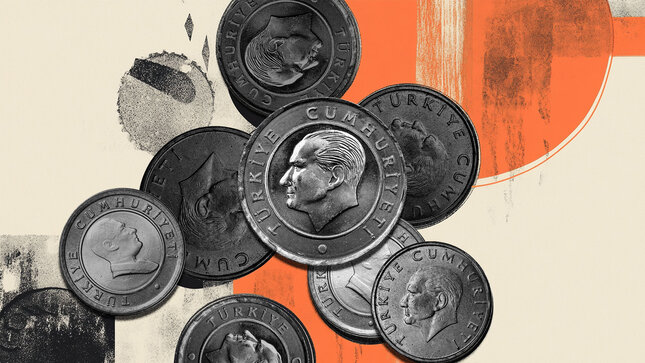
TRY: Fragile as oil shock worsens outlook – Commerzbank
Commerzbank’s Tatha Ghose argues that Turkey’s brief disinflation respite is already obsolete as higher Oil prices and external shocks dominate. Headline CPI slowed in March, but core dynamics remain strong and credibility concerns persist. 🔗 Source 💡 DMK Insight Turkey’s inflation narrative is shifting, and here’s why that matters for traders: rising oil prices could fuel renewed inflationary pressures, impacting currency pairs like USD/TRY. With SOL currently at $85.63, traders should keep an eye on how these external shocks influence emerging markets. If oil prices continue to rise, we could see a weakening of the Turkish lira, which might prompt volatility in related assets. The core inflation dynamics suggest that the disinflation trend may not hold, leading to potential rate hikes from the Central Bank of Turkey. This could create trading opportunities in forex markets, especially for those looking to capitalize on the USD/TRY pair. Watch for key resistance levels in SOL as well, as shifts in global sentiment could ripple through crypto markets, affecting altcoins tied to emerging economies. 📮 Takeaway Monitor oil price movements closely; a sustained increase could trigger volatility in USD/TRY and impact SOL’s performance around key resistance levels.

WTI remains volatile ahead of Trump’s Iran deadline
West Texas Intermediate (WTI) Crude Oil trades in a volatile and choppy range on Tuesday as traders remain cautious ahead of a deadline set by US President Donald Trump for Iran to reach a deal. 🔗 Source 💡 DMK Insight WTI Crude Oil’s choppy trading reflects market nerves ahead of a critical Iran deal deadline. With traders on edge, the volatility could lead to sharp price swings. If the deadline approaches without a resolution, we might see a sell-off, especially if key support levels break. Keep an eye on the $70 mark; a drop below could trigger further bearish sentiment. Conversely, if a deal is struck, expect a rally that could push prices back towards the recent highs. This situation isn’t just about oil; related markets like energy stocks and ETFs could also react strongly, amplifying the impact across sectors. Watch for volume spikes as they often precede significant moves, indicating where the market sentiment is heading next. 📮 Takeaway Monitor WTI Crude Oil around the $70 level; a break could signal a bearish trend, while a deal with Iran might push prices higher.

Asian FX: Sideways as Hormuz risks linger – OCBC
OCBC strategists Christopher Wong and Sim Moh Siong note that Asian FX, including South Korean Won (KRW), has traded slightly firmer on hopes of de-escalation in the Middle East, but stresses that geopolitics remains the key driver. 🔗 Source 💡 DMK Insight Asian FX is showing slight strength, but here’s why traders need to stay cautious: The recent firmness in currencies like the South Korean Won (KRW) is largely driven by hopes for geopolitical stability in the Middle East. However, this optimism could be short-lived. Geopolitical tensions often lead to volatility, and any sudden developments could quickly reverse these gains. Traders should keep an eye on key levels—if the KRW breaks above recent resistance, it could signal further bullish momentum. Conversely, if tensions escalate, we could see a swift sell-off. It’s also worth noting that the broader market context, including U.S. dollar strength and interest rate expectations, will play a significant role in shaping FX movements. Watch for any news that could impact sentiment, as that will likely dictate short-term trading strategies. In this environment, monitoring geopolitical news and economic indicators will be crucial. The real story is that while there’s potential for gains, the risks are equally pronounced, making it a tricky landscape for traders to navigate. 📮 Takeaway Keep an eye on KRW resistance levels and geopolitical news; volatility could spike with any sudden developments.

Fed’s Goolsbee: Inflation would come roaring back
Austan Goolsbee, President of the Federal Reserve (Fed) Bank of Chicago, said that inflation will come roaring back, citing that with Oil prices rising, this is a stagflationary shock to the market in a prepared speech in Detroit on Tuesday. 🔗 Source 💡 DMK Insight Goolsbee’s stagflation warning is a wake-up call for traders: rising oil prices could stifle growth. With inflation fears resurfacing, traders need to keep a close eye on crude oil’s trajectory. If oil continues to climb, it could pressure consumer spending and corporate profits, leading to a potential slowdown. This scenario could trigger volatility across equities and commodities, especially in sectors sensitive to energy costs. Watch for key resistance levels in oil prices; a break above recent highs could signal further inflationary pressures. On the flip side, if inflation expectations rise, we might see a shift in Fed policy, potentially leading to interest rate hikes sooner than anticipated. This could impact the forex market, especially USD pairs, as traders adjust their positions based on new monetary policy expectations. Keep an eye on the upcoming economic data releases for clues on how the market might react. 📮 Takeaway Monitor oil prices closely; a sustained rise could signal inflationary pressures and impact trading strategies across equities and forex markets.