
 Bitcoin
  Ethereum
  Tether
  BNB
BNB  XRP
XRP  USDC
USDC  Solana
  TRON
TRON  Lido Staked Ether
  Figure Heloc
 United States Nonfarm Payrolls above forecasts (60K) in March: Actual (178K) 🔗 Source 💡 DMK Insight Nonfarm Payrolls smashing expectations is a game changer for traders right now. With the actual figure coming in at 178K versus the forecasted 60K, this signals a stronger labor market than anticipated, which could lead to a shift in Federal Reserve policy. Traders need to watch how this impacts interest rates and the dollar. A robust jobs report often leads to speculation about rate hikes, and if the Fed feels confident about the economy, we might see a tightening sooner than expected. This could strengthen the USD against other currencies, particularly the euro and yen, so keep an eye on those pairs. On the flip side, if the market overreacts to this news, we could see a pullback as traders take profits. Watch for key resistance levels in the USD index, and consider how equities might react—strong payrolls can sometimes lead to a sell-off in stocks as investors reassess growth expectations. The next few sessions will be crucial, so monitor the 1.5% threshold on the 10-year Treasury yield as a potential pivot point for market sentiment. 📮 Takeaway Traders should monitor the USD’s reaction to the strong Nonfarm Payrolls report, especially against the euro and yen, for potential trading opportunities.

United States U6 Underemployment Rate fell from previous 7.9% to -8% in March
United States U6 Underemployment Rate fell from previous 7.9% to -8% in March 🔗 Source 💡 DMK Insight The drop in the U6 underemployment rate from 7.9% to 8% is a significant indicator for traders, suggesting a tightening labor market. This shift could influence the Federal Reserve’s monetary policy decisions, potentially leading to interest rate hikes sooner than expected. A tighter labor market often correlates with increased consumer spending, which can boost economic growth but also raise inflation concerns. Traders should keep an eye on how this data impacts the broader market, especially sectors sensitive to interest rates like financials and consumer discretionary. However, it’s worth noting that a drop in the U6 rate doesn’t always translate to immediate market gains. If the Fed reacts too aggressively, it could stifle growth and lead to volatility in equities and forex markets. Watch for the next Fed meeting and any statements regarding interest rates, as these could create significant trading opportunities. Key levels to monitor include support and resistance in major indices and currency pairs that are sensitive to U.S. economic data. 📮 Takeaway Traders should watch for Fed reactions to the U6 rate drop, particularly any hints of interest rate hikes that could impact market volatility.

United States Average Hourly Earnings (MoM) below expectations (0.3%) in March: Actual (0.2%)
United States Average Hourly Earnings (MoM) below expectations (0.3%) in March: Actual (0.2%) 🔗 Source 💡 DMK Insight Average Hourly Earnings came in lower than expected, and here’s why that matters: a 0.2% increase versus the anticipated 0.3% could signal weakening wage growth, impacting consumer spending and inflation expectations. For traders, this data point is crucial as it feeds into the broader narrative of economic health. If wage growth continues to lag, it could lead the Federal Reserve to reconsider its tightening stance, potentially affecting interest rates and the dollar’s strength. Look for reactions in the forex market, particularly with USD pairs, as traders adjust their positions based on anticipated Fed policy changes. Additionally, keep an eye on related assets like commodities, which often react to shifts in inflation expectations. But here’s the flip side: if the market overreacts to this data, it could create buying opportunities in sectors that benefit from lower rates. Watch for key support levels in the USD index and adjust your strategies accordingly, especially if we see a shift in sentiment over the coming days. 📮 Takeaway Monitor the USD index closely; a sustained move below key support levels could signal a shift in market sentiment following the disappointing wage growth data.

United States Average Weekly Hours below forecasts (34.3) in March: Actual (34.2)
United States Average Weekly Hours below forecasts (34.3) in March: Actual (34.2) 🔗 Source 💡 DMK Insight Average Weekly Hours in the U.S. just missed forecasts, and here’s why that matters: A drop to 34.2 hours from the expected 34.3 could signal weakening labor demand, which might impact consumer spending and overall economic growth. For traders, this is a crucial indicator to watch, especially if you’re in sectors sensitive to labor trends like retail or services. If this trend continues, it could prompt the Fed to reconsider its interest rate strategy, potentially affecting both forex and equity markets. Look for reactions in the dollar and equities as traders digest this news. A sustained decline in hours worked could lead to increased volatility, especially in the upcoming employment reports. Keep an eye on the 34-hour mark; if we breach that, it could indicate a more significant downturn in labor market health, prompting a bearish sentiment across multiple asset classes. 📮 Takeaway Watch for any further declines in Average Weekly Hours; a drop below 34 hours could trigger bearish sentiment in equities and impact the dollar.

Anthropic launches PAC amid tensions with Trump administration over AI policy
AI firm Anthropic forms an employee-funded PAC while facing questions over political balance and a growing dispute with the Pentagon over AI use. 🔗 Source 💡 DMK Insight Anthropic’s move to create an employee-funded PAC is more than just a funding strategy; it signals a shift in how tech firms are engaging with political dynamics, especially around AI regulation. As the company navigates scrutiny over its political affiliations and its contentious relationship with the Pentagon regarding AI applications, traders should consider the potential implications for the broader tech sector. If Anthropic’s PAC influences policy in favor of AI development, it could lead to increased investment in AI stocks, impacting companies like Google and Microsoft that are also heavily involved in AI. Conversely, if the backlash against AI use intensifies, we might see regulatory hurdles that could stifle growth and innovation in the sector. Watch for any upcoming announcements from Anthropic or related firms that could signal shifts in political strategy or regulatory responses. Key indicators to monitor include changes in stock performance for AI-related companies and any legislative developments that could affect the industry. 📮 Takeaway Keep an eye on Anthropic’s PAC developments and related regulatory news, as they could significantly impact AI stocks and investor sentiment in the coming weeks.

Crypto faces ‘existential’ token problem as supply outpaces value creation
A surge in token supply is diluting returns and breaking the link between fundamentals and price, raising concerns about crypto’s long-term model. 🔗 Source 💡 DMK Insight A surge in token supply is shaking up crypto markets, and here’s why you should care: When token supply increases, it often leads to dilution of returns, which can disconnect price movements from underlying fundamentals. This is especially concerning for traders who rely on traditional valuation metrics. If the supply continues to rise without corresponding demand, we could see significant price corrections across various cryptocurrencies. Keep an eye on key resistance levels; if Bitcoin or Ethereum break below their recent support zones, it could trigger a broader market sell-off. On the flip side, this situation might create opportunities for savvy traders. If you can identify tokens that maintain strong fundamentals despite supply increases, they could outperform in the long run. Watch for any shifts in trading volume or sentiment indicators that might signal a reversal. The next few weeks will be crucial as traders reassess their positions in light of these developments. 📮 Takeaway Monitor key support levels in Bitcoin and Ethereum; a break below could signal a broader market downturn amid rising token supply.
Navigating Regulatory Landscapes: The Rising Growth of Prediction Markets in Asia and the Legal Challenges Ahead
📰 DMK AI Summary Prediction markets are expanding into Asia’s largest economies, despite unclear legal definitions and strict gambling laws in countries like China, Japan, and India. The industry’s rapid growth mirrors the early days of crypto, where technology outpaced regulation, leading platforms to enter markets before clear rules were in place. Local barriers in Asia pose challenges for prediction markets, as different countries have varying restrictions and regulatory environments. 💬 DMK Insight The expansion of prediction markets in Asia highlights the clash between rapid industry growth and evolving regulatory landscapes. As platforms target demand in the region, legal classification will play a crucial role in shaping the future of prediction markets. The distinction between gambling and information markets could determine whether these platforms face regulatory hurdles or find a pathway similar to financial instruments, impacting their potential for growth and expansion in Asia. 📊 Market Content The development of prediction markets in Asia reflects broader trends in the fintech industry, where innovative technologies often outpace regulatory frameworks. As the industry navigates legal challenges in key Asian markets, investors and traders will closely monitor regulatory developments to assess the potential impact on the growth and adoption of prediction markets in the region.

Prediction markets are testing legal limits in strict Asian markets
Prediction markets are expanding into Asia’s largest economies, but unclear legal definitions and strict gambling laws may limit how far they can go. 🔗 Source 💡 DMK Insight Prediction markets are gaining traction in Asia, but legal hurdles could stifle growth. The expansion of prediction markets into major Asian economies is a double-edged sword. On one hand, these markets can offer unique trading opportunities, especially for those looking to hedge against uncertainty in political or economic events. On the other hand, the lack of clear legal frameworks and stringent gambling laws could deter institutional participation, which is crucial for liquidity and market depth. Traders should be wary of how these legal uncertainties might affect volatility in related assets, particularly in sectors like tech and finance that are heavily influenced by regulatory changes. Here’s the kicker: while mainstream coverage may focus on the potential upside, the real story is about the risks involved. If legal definitions remain ambiguous, we could see a slowdown in market adoption, which might lead to price stagnation or even declines in assets tied to prediction markets. Keep an eye on regulatory announcements and any shifts in public sentiment, as these could be pivotal for market dynamics in the coming months. 📮 Takeaway Watch for regulatory updates in Asia regarding prediction markets, as these could significantly impact market participation and asset volatility.

Nevada judge extends ban on Kalshi, rejects event contract defense
The judge said Kalshi’s event contracts are indistinguishable from sports betting, supporting the state’s position that the platform requires a gaming license. 🔗 Source 💡 DMK Insight Kalshi’s recent ruling could shake up the event contract market, and here’s why: The judge’s decision to classify Kalshi’s event contracts as akin to sports betting means that the platform may need to secure a gaming license. This is significant because it raises questions about the regulatory landscape for similar platforms. Traders who utilize event contracts for hedging or speculative purposes should be aware that increased regulation could lead to higher operational costs and potential limitations on trading strategies. If Kalshi is forced to comply with gaming regulations, it might set a precedent that impacts other platforms offering similar products. Moreover, this ruling could create volatility in related markets, particularly for assets tied to event outcomes, like prediction markets or even certain crypto projects that leverage similar mechanisms. Keep an eye on how this develops, as it could influence trading volumes and liquidity in the short term. Watch for any announcements from Kalshi regarding their next steps and how they plan to navigate this regulatory hurdle. 📮 Takeaway Traders should monitor Kalshi’s response to the ruling closely, as it may impact trading strategies and liquidity in event contracts and related markets.
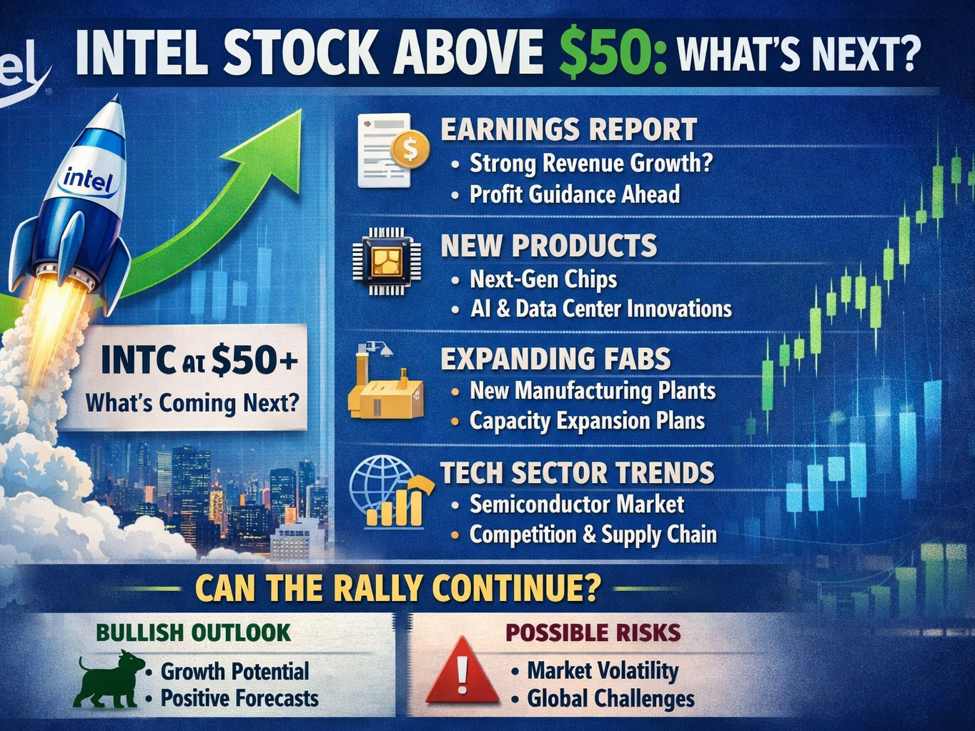
Intel stock is up again – here's what this INTC stock analysis shows to watch next
Intel stock analysis today: INTC reclaims 48.50 support, shifts the next upside level to 53.50, and heads into April 23 earnings with improving momentumPrediction score: +5.7 Bias: Moderately bullish Outlook: Bullish repair in progress, but not a fully proven breakout yetINTC is an interesting stock. Some think it’s up for some wrong reasons. Others watch the price and technicals and do not care.Intel stock is starting to look more constructive for both traders and investors. INTC was last shown at 50.38 with the market closed. That matters because the technical map has changed. The old upside checkpoint around 48.50 is no longer the next level to watch. It now shifts into an important support and reclaim zone. The next major upside reference is 53.50.That is the key update. Intel is no longer just trying to bounce from weakness. It is trying to prove that it can build acceptance at higher prices.The timing also matters. Intel announced on April 1, 2026 that it plans to repurchase Apollo’s 49% equity interest in the joint venture related to Fab 34 in Ireland for $14.2 billion. Intel is also scheduled to report first-quarter 2026 financial results after the close on April 23, followed by an earnings call at 2 p.m. PT. That means the stock is moving into an important technical zone just as a fresh corporate catalyst and the next earnings event come into focus. Intel stock analysis today: why the structure looks better nowThe short version is simple. The 4-hour chart improved first, and now the weekly structure is starting to confirm it.Earlier in the sequence, buyers showed up, but they were not always getting the market to accept meaningfully higher prices. That kept the bullish case from becoming stronger too early. More recently, that changed. Price acceptance improved, the center of trade started moving higher again, and the broader weekly structure stopped looking like a one-way deterioration.One of the best ways to understand that shift is through the point of control, or POC. In plain English, POC is the price area where the most business got done during a given period. When POC keeps falling, the market is accepting lower prices. When it stabilizes and then climbs, the market is becoming more comfortable doing business at higher prices.That is what makes Intel more interesting now. On the weekly structure you provided, the stock had gone through a major repricing lower. Then it began to base. After one more weak push, value snapped back higher. That is a healthier sequence than a random relief bounce. It suggests the stock may be moving from damage control into repair.INTC stock price outlook: 53.50 is now the next level to watch53.50 is the next major upside level to watch. 48.50 becomes the first major support and reclaim zone. 45.50 remains the broader base area below that. 43.50 is a lower pivot that would come back into focus if the stock loses momentum. 41.50 is the deeper tactical failure zone for the recent repair thesis.This is important because it changes the conversation from “Can Intel reclaim 48.50?” to “Can Intel hold above 48.50 and work its way toward 53.50?”That is a much more constructive question.Intel stock support and resistance: what traders should watch nextFor traders, the bullish case does not require a straight-line rally. It only requires the stock to behave constructively around the reclaimed area.If Intel can keep holding above 48.50, and especially if dips are bought without a fast collapse back below that zone, then the bullish repair remains alive and 53.50 stays in play. That would suggest buyers are not just chasing momentum for a day or two, but are actually defending higher value.If the stock slips back below 48.50 and starts accepting trade there, then the quality of the rebound starts to weaken. In that scenario, 45.50 becomes the more relevant downside reference again, and the move risks being reclassified as a sharp bounce inside a still-damaged structure.So the practical map is straightforward:Hold above reclaim, and the market can keep probing higher. Lose reclaim, and the repair thesis starts losing credibility.Intel stock before earnings: what investors should focus onFor investors, the next test is not only technical. It is also fundamental.Intel has framed the Ireland fab transaction as a move that realigns its capital structure with its long-term strategy, while the company’s investor relations calendar confirms that the next major checkpoint is the April 23, 2026 earnings release and conference call. That means the improving chart still needs validation from execution, guidance, and management commentary. In practical terms, investors should be asking a few simple questions into earnings:Is Intel showing enough operational progress to support the recent price improvement? Does management reinforce confidence in its broader strategy and capital discipline? Can the company keep the market focused on repair and forward progress rather than on the damage from the earlier downtrend?If the answers lean constructive, the improving technical structure has a better chance of holding. If not, the stock may still need more time inside a broader rebuilding phase.How traders and investors can use this Intel stock mapThis article is best used as a decision-support map, not as a prediction that price must move in one straight line. Unless price crosses down the aformentioned support below the current price, the prediction score for INTC stock at investingLive.com is bullish with a score of 5.7If Intel stays above the reclaimed zone but struggles to build further upside acceptance, traders may choose to stay tactical and take partial profits on strength. If the stock keeps accepting higher prices and starts pressing toward 53.50, that would strengthen the bullish case.On the other hand, if Intel cannot sustain the reclaim and starts slipping back under the key support zone, that would be an early sign that the market still sees the move as incomplete repair rather than a genuine trend improvement.That is the value of having clear thresholds. They help traders and investors adapt instead of guessing.In summary, Intel stock analysis today remains moderately bullish.The