
 Bitcoin
  Ethereum
  Tether
  BNB
BNB  XRP
XRP  USDC
USDC  Solana
  TRON
TRON  Lido Staked Ether
  Figure Heloc
Eurozone Industrial Confidence came in at -7, above expectations (-9) in March 🔗 Source 💡 DMK Insight Eurozone Industrial Confidence beating expectations is a key signal for traders: it suggests resilience in the manufacturing sector. A reading of -7, compared to the anticipated -9, indicates that industrial sentiment is less pessimistic than previously thought. This could lead to a stronger Euro as investors reassess growth prospects in the Eurozone. Look for potential upward pressure on EUR/USD, especially if this trend continues in upcoming economic releases. Traders should keep an eye on the 1.10 level for EUR/USD; a sustained break above could trigger further bullish momentum. But don’t overlook the flip side—if other indicators start to show weakness, this confidence might be short-lived. Watch for any shifts in PMI data or employment figures that could impact overall sentiment. The real story is whether this confidence translates into actual production increases, which could take time to materialize. 📮 Takeaway Monitor EUR/USD around the 1.10 level; a sustained break above could signal bullish momentum following the improved industrial confidence.

Greece Producer Price Index (YoY) climbed from previous -3.7% to -1.7% in February
Greece Producer Price Index (YoY) climbed from previous -3.7% to -1.7% in February 🔗 Source 💡 DMK Insight Greece’s Producer Price Index (PPI) shift from -3.7% to -1.7% is a critical signal for traders focused on European markets. This change indicates a potential easing of deflationary pressures, which could influence monetary policy decisions by the European Central Bank. A less negative PPI might suggest that inflationary trends are stabilizing, prompting traders to reassess their positions in Euro-denominated assets. If this trend continues, we could see a stronger Euro against currencies like the USD, impacting forex trading strategies. Traders should keep an eye on related markets, particularly commodities and equities that are sensitive to production costs. However, it’s worth noting that while this improvement is positive, it doesn’t necessarily indicate a robust recovery. Traders should remain cautious, as external factors like geopolitical tensions or energy prices could still disrupt this trend. Watch for the next PPI release and any comments from ECB officials that could provide further insight into future monetary policy adjustments. 📮 Takeaway Monitor the next Greece PPI release closely; a continued upward trend could strengthen the Euro and impact related forex positions.

Oil: Geopolitics drives price risks – Rabobank
Rabobank’s Senior Macro Strategist Stefan Koopman notes that Brent has risen to 115 dollars as the Iran war enters its fifth week, with markets focused on when oil flows through the Strait of Hormuz will resume and at what price Oil shifts from an inflation to a recession story. 🔗 Source 💡 DMK Insight Brent’s surge to 115 dollars signals a critical pivot for traders: we’re shifting from inflation fears to recession concerns. As the Iran conflict drags on, the market’s focus is squarely on the Strait of Hormuz, a vital chokepoint for global oil supply. If disruptions continue, we could see prices spike further, impacting not just oil but also related assets like energy stocks and commodities. Traders should watch for volatility in the coming weeks, especially if geopolitical tensions escalate or if there’s any sign of a resolution. The shift in narrative from inflation to recession could lead to broader market implications, affecting everything from equities to forex pairs tied to commodity prices. Here’s the thing: while rising oil prices typically signal inflation, they can also trigger recession fears if they lead to higher costs for consumers and businesses. Keep an eye on key technical levels for Brent; a sustained break above 115 could lead to further upside, while a pullback below this level might indicate a correction. Watch for any news from Iran or OPEC that could influence supply dynamics in the near term. 📮 Takeaway Monitor Brent’s price action around 115 dollars; a sustained break could signal further upside, while a pullback may indicate a correction amid recession fears.
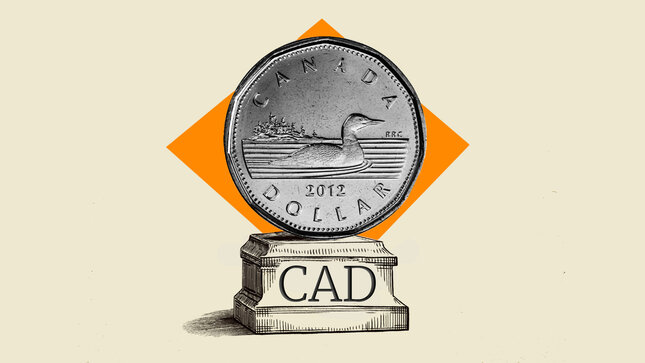
CAD: Strength seen moderating on policy repricing – HSBC
HSBC analysts argue the Canadian Dollar (CAD) has outperformed most G10 peers during the Middle East conflict but now appears to be losing momentum. 🔗 Source 💡 DMK Insight The CAD’s recent strength amidst geopolitical tensions is fading, and here’s why that matters: HSBC’s observation highlights a critical shift in the CAD’s performance against G10 currencies. While it initially benefited from safe-haven flows due to the Middle East conflict, the current loss of momentum suggests traders should reassess their positions. This could indicate a broader market sentiment shift, especially as risk appetite fluctuates. If the CAD continues to weaken, it may signal a potential reversal in the trend, prompting traders to consider short positions or hedging strategies. Watch for key technical levels around recent support zones. If the CAD breaks below these levels, it could trigger further selling pressure. Additionally, keep an eye on correlated assets like oil, as CAD often moves in tandem with crude prices. A dip in oil could exacerbate CAD’s decline, making it crucial for traders to monitor these developments closely. 📮 Takeaway Traders should watch for CAD support levels; a break could signal further weakness, especially if oil prices decline.

EUR/GBP steady as geopolitical tensions, German inflation risks cap moves
EUR/GBP trades around 0.8680 on Monday at the time of writing, virtually unchanged on the day. Price action remains limited as investors adopt a cautious stance amid rising geopolitical tensions in the Middle East and ahead of key inflation data from Germany. 🔗 Source 💡 DMK Insight EUR/GBP is stuck at 0.8680, and here’s why that’s significant right now: With geopolitical tensions escalating in the Middle East, traders are understandably hesitant to make bold moves. This caution is reflected in the stagnant price action, which suggests a wait-and-see approach ahead of Germany’s crucial inflation data. If inflation comes in hotter than expected, it could prompt the European Central Bank to reconsider its monetary policy stance, potentially impacting the euro’s strength against the pound. On the flip side, if inflation data disappoints, we might see the euro weaken further, pushing EUR/GBP below key support levels. Keep an eye on the 0.8650 level; a break below could trigger a wave of selling. Conversely, a strong inflation report might push the pair toward 0.8700. Given the current volatility, it’s wise to monitor market sentiment closely, especially from institutional players who might react sharply to these upcoming data points. 📮 Takeaway Watch for Germany’s inflation data this week; a surprise could push EUR/GBP below 0.8650 or rally it toward 0.8700.

Belgium Consumer Price Index (YoY) climbed from previous 1.45% to 1.65% in March
Belgium Consumer Price Index (YoY) climbed from previous 1.45% to 1.65% in March 🔗 Source 💡 DMK Insight Belgium’s CPI jump to 1.65% is a signal for traders to reassess their positions. This uptick, while modest, indicates rising inflationary pressures that could influence the European Central Bank’s monetary policy. If inflation continues to trend upward, we might see a shift in interest rates, which could impact the euro and related forex pairs. Traders should keep an eye on the EUR/USD pair, especially if it approaches key resistance levels. A sustained CPI increase could lead to volatility in both the euro and equities, as markets adjust to potential rate hikes. But here’s the flip side: if inflation is perceived as temporary, the ECB might hold off on aggressive tightening, which could stabilize the euro. Watch for the next ECB meeting for clues on their stance, and monitor the CPI data in the coming months for any trends. The immediate focus should be on how the market reacts to this CPI data and any shifts in sentiment around the eurozone’s economic outlook. 📮 Takeaway Keep an eye on the EUR/USD pair as inflation trends could lead to volatility; watch for ECB signals in upcoming meetings.

Belgium Consumer Price Index (MoM) declined to 0.12% in March from previous 0.54%
Belgium Consumer Price Index (MoM) declined to 0.12% in March from previous 0.54% 🔗 Source

Gold: Technical rebound faces yield headwinds – OCBC
OCBC strategists Sim Moh Siong and Christopher Wong describe Gold’s latest bounce as largely technical after a near 20% drawdown since the Iran conflict began. 🔗 Source 💡 DMK Insight Gold’s recent bounce is a technical rebound, but here’s why traders should be cautious: After a nearly 20% drop linked to geopolitical tensions from the Iran conflict, this uptick might not signal a sustainable recovery. Traders often react to such drawdowns with short-covering rallies, but the underlying fundamentals—like inflation and interest rate expectations—still loom large. If inflation continues to rise, central banks may tighten policies, which could further pressure gold prices. Watch for resistance around key levels; if gold can’t hold above recent highs, it might be a false breakout. On the flip side, if geopolitical tensions escalate, that could drive safe-haven demand back into gold. Keep an eye on the daily chart for patterns; a failure to break above certain resistance points could signal a return to bearish sentiment. For now, monitor the $1,800 level closely—if it holds, it could indicate a stronger bullish case, but if it breaks, expect more downside risk. 📮 Takeaway Watch the $1,800 resistance level in gold; a failure to hold could signal more downside risk amid ongoing geopolitical tensions.

ECB: Policy flexibility returns in 2026 – TD Securities
TD Securities strategists Julie Ioffe and James Rossiter argue that the ECB faces a more benign backdrop in 2026 than in 2022. 🔗 Source 💡 DMK Insight The ECB’s outlook for 2026 is shaping up to be significantly less turbulent than 2022, and here’s why that matters for traders: A more stable economic environment could lead to a more predictable monetary policy, which is crucial for forex traders. If the ECB signals a shift towards easing or maintaining rates, we could see the euro strengthen against other currencies, particularly if the Fed continues its tightening cycle. Traders should keep an eye on economic indicators leading up to 2026, such as inflation rates and GDP growth in the Eurozone, as these will influence ECB decisions. But don’t overlook the potential for volatility in the interim. If the ECB’s stance shifts unexpectedly due to geopolitical tensions or economic shocks, it could create short-term trading opportunities. Watch for key levels in EUR/USD; a break above recent resistance could signal a bullish trend. The real story is how the market reacts to these evolving narratives, so stay alert for any shifts in sentiment or economic data releases that could impact the euro’s trajectory. 📮 Takeaway Monitor EUR/USD closely; a break above resistance could indicate a bullish trend as the ECB’s outlook improves heading into 2026.

USD/JPY pulls back to 159.50 amid rising intervention warnings
The US Dollar (USD) has snapped a four-day rally against the Japanese Yen on Monday, and retreated from 20-month highs above 160.00 reached on Monday, a level considered a line in the sand for Japanese authorities. 🔗 Source 💡 DMK Insight The USD’s retreat from 20-month highs against the JPY signals potential volatility ahead. Traders should note that the 160.00 level has been a critical threshold for Japanese authorities, suggesting intervention could be on the table if the USD continues to weaken. This pullback could trigger profit-taking among long USD/JPY positions, especially after a solid four-day rally. Watch for any comments from the Bank of Japan, as they may provide clues on their stance regarding currency strength. If the USD breaks below recent support levels, it could open the door for a deeper correction, impacting correlated assets like Japanese equities. On the flip side, if the USD finds support and rebounds, it could reinforce bullish sentiment, pushing the pair back toward those highs. Keep an eye on the daily charts for any emerging patterns, as well as economic indicators that could sway market sentiment, particularly U.S. inflation data or Japanese trade figures in the coming days. 📮 Takeaway Watch for USD/JPY around the 160.00 mark; a break below could trigger volatility and potential intervention from Japanese authorities.