
 Bitcoin
  Ethereum
  Tether
  BNB
BNB  XRP
XRP  USDC
USDC  Solana
  TRON
TRON  Lido Staked Ether
  Figure Heloc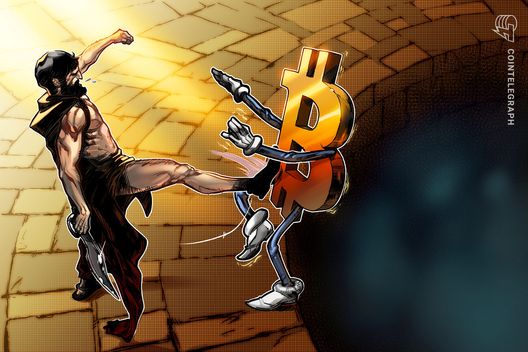
Bitcoin grabbed downside liquidity as oil-supply pressure sent BTC price action below $66,500 to its lowest levels since March 9. 🔗 Source 💡 DMK Insight Bitcoin’s drop below $66,500 is a critical moment for traders to reassess their positions. The recent oil-supply pressures are creating a ripple effect across markets, and BTC’s decline to its lowest point since March 9 signals potential bearish sentiment. This could lead to increased volatility, especially if we see further weakness in correlated assets like equities or commodities. Traders should keep an eye on the $66,000 support level; a sustained break below this could trigger more selling pressure and push BTC towards the next psychological level around $65,000. On the flip side, if BTC manages to reclaim the $67,000 mark, it could signal a short-term reversal, but that’s a big if given the current macroeconomic backdrop. Watch for any news or data that could impact oil prices or overall market sentiment, as these could influence BTC’s trajectory significantly in the coming days. 📮 Takeaway Monitor Bitcoin’s price action closely; a break below $66,000 could lead to further declines, while reclaiming $67,000 might signal a reversal.
US Senator Lummis Touts Strong Protections in CLARITY Act Amid Debate on DeFi Developer Liability
📰 DMK AI Summary US Senator Cynthia Lummis refutes claims that the Digital Asset Market Clarity Act lacks protections for DeFi developers, asserting recent changes make it the “strongest protection ever enacted.” However, crypto lawyer Jake Chervinsky argues that certain provisions in the draft may still expose non-custodial DeFi developers to legal liabilities. The Senate Banking Committee is making progress on the CLARITY Act, with bipartisan efforts focusing on stablecoin rewards. 💬 DMK Insight The debate surrounding the CLARITY Act highlights the importance of legislative clarity for the cryptocurrency industry, especially in protecting DeFi developers from legal uncertainties. While Lummis emphasizes the bill’s strengthened safeguards, concerns raised by Chervinsky underscore the need for precise definitions to prevent unintended consequences for non-custodial software creators. As the regulatory landscape evolves, ensuring clarity in regulations is crucial for fostering innovation and sustainable growth in the crypto space. 📊 Market Content The ongoing discussions around the CLARITY Act reflect the broader trend of regulatory developments impacting the crypto market. Clarity in regulations not only provides legal certainty for developers but also influences market sentiment and investor confidence. As lawmakers fine-tune legislation to address the nuances of decentralized finance, the outcome of these regulatory efforts could significantly shape the future of the crypto industry.

A PENGU ETF Would Put Pudgy Penguins NFTs Inside a Regulated US Fund — What That Actually Means
An ETF that could place Pudgy PenguinsNFTs inside a regulated investment product in the U.S. is testing the boundaries of traditional finance, as illiquid assets are introduced into a capital The post A PENGU ETF Would Put Pudgy Penguins NFTs Inside a Regulated US Fund — What That Actually Means appeared first on NFT Evening. 🔗 Source 💡 DMK Insight The potential Pudgy Penguins ETF could reshape how NFTs are perceived in traditional finance. This move signals a growing acceptance of illiquid assets within regulated frameworks, which could attract institutional investors looking for exposure to the NFT market. If successful, this ETF might set a precedent, encouraging more similar products and increasing liquidity in the NFT space. Traders should keep an eye on regulatory responses and market sentiment surrounding this ETF, as they could influence broader crypto and NFT valuations. Additionally, if this ETF gains traction, it could lead to increased interest in other NFT collections, potentially boosting their prices. Watch for any announcements regarding approval timelines or institutional interest, as these could serve as key indicators for market movement in the NFT sector. 📮 Takeaway Monitor regulatory developments around the Pudgy Penguins ETF, as approval could trigger significant interest and liquidity in the NFT market.

BlockDAG Price Today: BDAG Price Chart and Performance
The BlockDAG price today is one of the most volatile and closely watched data points in the Layer-1 crypto space, and it’s easy to see why. BDAG hit exchanges in The post BlockDAG Price Today: BDAG Price Chart and Performance appeared first on NFT Evening. 🔗 Source 💡 DMK Insight BlockDAG’s price volatility is a double-edged sword for traders right now. As a Layer-1 solution, its performance can significantly impact the broader crypto market, especially as investors look for alternatives to Ethereum and Bitcoin. With BDAG recently hitting exchanges, traders should be on high alert for price swings that could create both opportunities and risks. If BDAG’s price breaks key resistance levels, it could attract more speculative trading, while a drop below support might trigger sell-offs across related assets. Here’s the thing: while the hype around new Layer-1 solutions is palpable, it’s crucial to remain skeptical. Many projects promise innovation but fail to deliver long-term value. Keep an eye on trading volumes and market sentiment; a spike in interest could indicate a potential breakout. Watch for critical price levels that might signal a shift in momentum, and be prepared for volatility as traders react to news and market trends. 📮 Takeaway Monitor BlockDAG’s price closely for key resistance and support levels, as volatility could present trading opportunities in the Layer-1 space.

Lummis says CLARITY Act offers ‘strongest’ developer protections
Crypto lawyer Jake Chervinsky said legislation covering crypto developer protections has been overshadowed by the intense focus on stablecoin yield in the CLARITY Act. 🔗 Source 💡 DMK Insight The spotlight on stablecoin yield in the CLARITY Act is diverting attention from crucial protections for crypto developers. This shift in focus could have significant implications for the crypto landscape, especially as regulatory clarity becomes increasingly vital for institutional adoption. If developers feel unprotected, innovation may stall, impacting the broader market. Traders should keep an eye on how this legislative tug-of-war unfolds, as it could lead to volatility in related assets, particularly those tied to DeFi projects. The real story is that while stablecoins are getting all the buzz, the underlying infrastructure that supports these assets could be at risk. Watch for any updates on the CLARITY Act’s progress, as changes could trigger reactions across the crypto market, especially among altcoins that rely heavily on developer engagement and innovation. 📮 Takeaway Keep an eye on the CLARITY Act’s developments; shifts in developer protections could impact altcoin volatility and innovation in the coming weeks.

Kalshi legal woes grow with Washington state gambling suit
The Washington attorney general became the latest state authority to sue Kalshi, alleging on Friday that the prediction markets operator violated state regulations. 🔗 Source 💡 DMK Insight Kalshi’s legal troubles could shake up the prediction markets, and here’s why that matters: With the Washington attorney general’s lawsuit, we’re seeing increasing scrutiny on prediction markets, which could lead to tighter regulations across the board. For traders, this means potential volatility as market participants react to the uncertainty surrounding Kalshi’s operations. If the lawsuit gains traction, it might not just impact Kalshi but could also set a precedent affecting other prediction platforms. Keep an eye on how this unfolds, as it could influence trading strategies, especially for those involved in speculative assets. If you’re trading in prediction markets, watch for any significant price movements or changes in liquidity as news breaks. This could also ripple into correlated markets, like crypto, where speculative trading is prevalent. The flip side? If Kalshi manages to navigate this lawsuit successfully, it could bolster confidence in prediction markets, potentially attracting more participants. So, monitor the legal developments closely, as they could create both risks and opportunities in the near term. 📮 Takeaway Watch for updates on Kalshi’s lawsuit; any significant legal rulings could impact prediction markets and related speculative assets significantly.
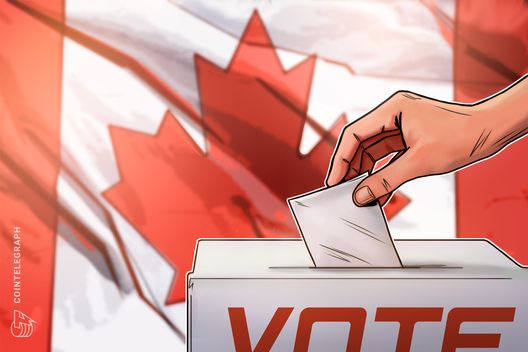
Canada proposes crypto political donation ban over foreign interference fears
A similar bill was proposed in 2024 but it failed to advance past the second reading in the House of Commons and ultimately died before it could become law. 🔗 Source 💡 DMK Insight The failure of the proposed bill in 2024 is a stark reminder of the volatility in legislative support for crypto regulations. Traders should recognize that political uncertainty can lead to sudden market shifts, especially in the crypto space where sentiment is often swayed by regulatory news. If a similar bill resurfaces, it could reignite discussions around compliance and taxation, impacting trading strategies and asset valuations. Moreover, the historical context of failed legislation suggests that traders should be cautious about overreacting to potential regulatory news. The market often prices in optimism prematurely, only to face corrections when reality sets in. Keeping an eye on legislative developments is crucial, as any new proposals could create ripples across related assets, particularly altcoins that thrive on regulatory clarity. As we move forward, watch for any announcements from lawmakers that could signal a renewed push for crypto regulation. Key dates for potential hearings or discussions could serve as pivotal moments for market volatility, so stay alert for updates that could impact your positions. 📮 Takeaway Keep an eye on upcoming legislative discussions; any new proposals could significantly impact crypto market sentiment and trading strategies.

Future US governments could crack down on crypto without clear rules: Coin Center
The CLARITY Act stalled in the Senate after banks, crypto firms, and lawmakers failed to reach an agreement on key provisions like allowing stablecoin yields. 🔗 Source 💡 DMK Insight The CLARITY Act’s stall in the Senate highlights a critical impasse that could impact crypto regulation and market stability. Without a clear framework for stablecoin yields, traders should brace for increased volatility. This uncertainty could lead to a risk-off sentiment among institutional investors, potentially affecting liquidity across crypto markets. If banks and crypto firms can’t find common ground, we might see a ripple effect that extends to related assets, particularly stablecoins like USDC and USDT, which are heavily influenced by regulatory clarity. Watch for any developments in the coming weeks, as this could set the stage for significant market movements, especially if a consensus emerges or further delays occur. 📮 Takeaway Keep an eye on developments around the CLARITY Act; any progress could stabilize or destabilize stablecoin markets significantly.
Prediction markets are no longer just getting faster than traditional coverage
For investors and traders navigating the current volatility, here is a backdrop of what happened over the recent trading sessions, characterized by escalating geopolitical tension and significant market retreats:Geopolitical Escalation: The conflict involving Iran has intensified as Houthis in Yemen announce entry into the conflict to support Tehran. While Trump signals to allies no immediate plans for an Iran invasion, diplomatic confusion persists. This was highlighted when Trump said Iran asked for a pause, a claim Iran quickly denied.Energy and Commodity Spikes: Crude prices have reacted sharply to the instability. WTI Crude oil touched $100 per barrel as markets eye the steel industry and brace for promised revenge from Iran. Adding to the tension, Trump joked about the Strait of Hormuz as the war drags on and NATO doubts resurface.Equity Market Sell-off: The broader markets are feeling the weight of the uncertainty. Major US stock indices closed lower for the fifth consecutive week.Tech Sector Hits: Technology shares have been particularly hard hit, with the Nasdaq falling below 21,000 for the first time since August, a move exacerbated by Tesla (TSLA) shares dropping more than 3%.Those are some important catch-up from investingLive.com and now let’s dive in some interesting angles I see from the prediction markets lately.Prediction Markets Are Starting to Price Time, Not Just OutcomesKey points:Prediction markets are shifting from pricing the size of shocks to pricing their sequence. Rates markets increasingly imply an uneven policy reaction function, with inflation drawing faster responses than growth weakness. Elections are no longer being treated as a clean uncertainty reset. Crypto and regulation are becoming more sensitive to timing, liquidity, and enforcement shocks. The biggest edge now may come from understanding when risks hit, not just what the risks are. Prediction markets are no longer just moving faster than traditional coverage. I think they are starting to model uncertainty differently.The change is subtle but important. Markets are becoming more focused on time structure. Not just what happens, but when it happens, in what order it lands, and how policymakers react once one shock collides with another. That is a meaningful shift because many analysts still discuss risks in isolation, while market pricing is increasingly treating them as linked and sequential.That is where the newest divergence is emerging.Macro is shifting from fragility to path dependencyThe clearest change is in macro. Markets are acting less as if shocks can be measured one by one and added together neatly. Instead, they are behaving as if outcomes depend on sequence.That makes sense. An inflation surprise that hits before growth weakens is not the same as an inflation surprise that lands after activity has already rolled over. The shock may look similar on paper, but the policy consequences are very different. A late rate cut is not equivalent to an early one, even if the final number of cuts ends up being similar.This is where prediction markets appear to be ahead of much of the standard macro discussion. They are not just pricing magnitude. They are pricing interaction and order.In practical terms, that means investors may need to think less in terms of static scenario trees and more in terms of evolving chains of cause and effect. Once stress is already in the system, the next shock tends to matter more.Rates are starting to price an asymmetric central bank responseRates markets also seem to be moving away from the old idea of a balanced, fully symmetric reaction function.The growing market assumption looks more like this: central banks respond faster to inflation risk than to growth deterioration. That creates an important asymmetry. Upside inflation surprises get attention quickly, while downside growth risks may linger longer before policymakers feel comfortable stepping in.That is a very different framing from the standard “data-dependent both ways” narrative.You can see this in how traders interpret recent central bank communication. The market is less willing to assume that softening growth automatically leads to quick relief. At the same time, it remains highly sensitive to any sign that inflation could reaccelerate or become politically difficult to ignore. That creates skew across bonds, equities, FX, and crypto because the policy floor under growth may be weaker than many had assumed.Geopolitics is no longer just a cost storyAnother important shift is in how geopolitical stress is being interpreted.Traditional coverage still focuses heavily on direct economic channels such as oil, shipping disruptions, or trade friction. Markets, however, seem increasingly focused on the policy distortion channel. In other words, the real issue is not only the immediate shock. It is how governments respond to it.That includes subsidies, tariffs, trade restrictions, industrial policy, emergency support measures, and politically motivated interventions. Once that layer becomes dominant, the same geopolitical event can produce very different outcomes depending on the policy response that follows.This is one reason market pricing can look more unstable than the headlines suggest. The first-order shock may be understandable. The second-order political response is often much harder to model.Elections are shifting uncertainty forward, not removing itElections are another area where the time structure has changed.The old assumption was simple: once the vote is over, uncertainty declines. Markets now seem less convinced. In many cases, the vote is no longer the endpoint. It is the starting point for a new phase of uncertainty.That can mean delayed implementation, coalition bargaining, legal friction, contested mandates, or institutional drag. So instead of resolving risk, elections may now redistribute it into the weeks and months that follow.This is a meaningful shift in market psychology. It suggests volatility may increasingly migrate from the pre-election period into the post-election phase. That has implications not only for political contracts, but also for rates, FX, equities, and event-sensitive sectors.Crypto is becoming more short-horizon liquidity sensitiveCrypto may be the cleanest example of this broader transition.The old macro view treated crypto as mainly tied to longer cycle liquidity conditions over quarters. Now the sensitivity appears more compressed. Short-horizon rate expectations, central bank communication, and near-term liquidity conditions seem to matter more than before.That helps explain why crypto can react so
USD/MXN: Downside risks for Peso after Banxico cut – Standard Chartered
Standard Chartered’s Dan Pan and Erwin He note that Banxico’s surprise 25 bps cut and guidance for another easing step have increased downside risks for the Mexican Peso (MXN). They highlight crowded MXN long positioning and a narrower carry advantage versus other EM high-yielders. 🔗 Source