
 Bitcoin
  Ethereum
  Tether
  BNB
BNB  XRP
XRP  USDC
USDC  Solana
  TRON
TRON  Lido Staked Ether
  Figure Heloc
Crypto’s hidden trading costs demand the adoption of transaction cost analysis. Slippage, fees and fragmentation erode trust as crypto matures into institutional markets. 🔗 Source 💡 DMK Insight Crypto’s hidden costs are a big deal for traders—here’s why you should care: As the crypto market evolves, the impact of slippage, fees, and fragmentation is becoming more pronounced. These factors can significantly erode profits, especially for day traders and swing traders who rely on precision. When executing trades, even minor slippage can lead to unexpected losses, making transaction cost analysis essential for optimizing strategies. Institutions are increasingly scrutinizing these costs, which could lead to a shift in how trades are executed, potentially favoring platforms that offer better transparency and lower fees. But here’s the flip side: while these hidden costs might deter some retail traders, they could also create opportunities for those who can navigate the complexities. Understanding where slippage occurs and which exchanges have the lowest fees can give savvy traders an edge. Keep an eye on trading volumes and liquidity metrics across platforms, as these can indicate where fragmentation might be most severe. As we move into a more institutional-focused market, being aware of these costs will be crucial for maintaining profitability. 📮 Takeaway Monitor slippage and fees closely—consider using transaction cost analysis to refine your trading strategies and maximize profits.
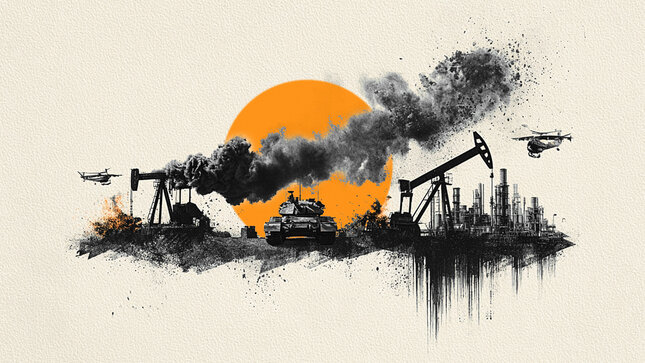
Middle East Conflict Latest: Trump gives Iran 48-hour ultimatum to open Strait of Hormuz
Here is a rundown of latest headlines surrounding the crisis in the Middle East as the United States (US) and Israel’s war against Iran enters the fourth week: 🔗 Source 💡 DMK Insight The ongoing conflict in the Middle East is creating ripples across global markets, and here’s why traders need to pay attention. As the US and Israel’s military actions against Iran escalate, geopolitical tensions are likely to impact oil prices significantly. Historically, such conflicts have led to spikes in crude oil due to supply concerns, and with Brent crude already sensitive to geopolitical events, any further escalation could push prices above key resistance levels. Traders should also keep an eye on the forex markets, particularly the USD and JPY, as safe-haven currencies often see increased demand during times of uncertainty. If the situation worsens, we could see a flight to safety, which might strengthen the yen against the dollar. Additionally, commodities like gold could see upward pressure as investors seek refuge. Monitoring the daily price action in these assets will be crucial, especially as we approach the end of the month when traders often reassess positions. The flip side is that if diplomatic efforts succeed, we might see a rapid unwinding of these positions, leading to sharp corrections. So, watch for any news on ceasefire talks or diplomatic interventions, as they could provide critical signals for market movements. 📮 Takeaway Keep an eye on Brent crude prices; any escalation in the Middle East could push them above key resistance levels, impacting oil and safe-haven currencies.

Australian Dollar weakens as Middle East tensions escalate
The AUD/USD pair attracts some sellers to near 0.7000 during the early Asian session on Monday, pressured by risk-off sentiment. The US Dollar (USD) edges higher against the Australian Dollar (AUD) as escalating tensions in the Middle East boost safe-haven demand. 🔗 Source 💡 DMK Insight The AUD/USD pair’s dip near 0.7000 signals a shift in trader sentiment amid rising geopolitical tensions. With the US Dollar gaining traction as a safe haven, this trend could continue if risk aversion persists. Traders should keep an eye on the 0.6950 support level; a break below could trigger further selling pressure. Conversely, if the pair rebounds from 0.7000, it might indicate a short-term buying opportunity, especially if broader market conditions stabilize. Given the current risk-off mood, related assets like commodities may also feel the impact, particularly if the Australian economy’s outlook dims. Watch for any news developments that could shift sentiment, as they could lead to volatility in both the AUD and USD pairs. 📮 Takeaway Monitor the AUD/USD around the 0.7000 level; a break below 0.6950 could signal further downside, while a rebound may present a buying opportunity.

US Treasury Secretary Bessent: Sometimes you have to 'escalate to de-escalate'
When asked in an NBS News interview on Sunday if President Donald Trump was “winding down” the war or “escalating” it, US Treasury Secretary Scott Bessent said, they are not mutually exclusive. Sometimes you have to escalate to de-escalate.” 🔗 Source 💡 DMK Insight So, Treasury Secretary Bessent’s comments about escalating to de-escalate could shake up market sentiment. In the current geopolitical climate, traders need to be wary of how such statements can influence risk assets, especially in the forex and commodities markets. If tensions rise, we might see a flight to safety, pushing investors towards the US dollar and gold. On the flip side, riskier assets like emerging market currencies could take a hit. Keep an eye on the USD index and gold prices for immediate reactions. Also, consider the broader implications: if the US takes a more aggressive stance, it could lead to volatility in oil prices, which are already sensitive to geopolitical tensions. Watch for key levels in crude oil—if prices break above recent highs, it could signal further escalation in the region. Overall, Bessent’s remarks are a reminder that geopolitical factors can have swift and significant impacts on market dynamics. 📮 Takeaway Monitor the USD index and gold prices closely; any escalation in tensions could lead to a flight to safety.
Iran threatens to target financial entities that finance US military budget
In a social media post on Sunday, Mohammad Bagher Qalibaf, Iran’s parliament speaker, threatened financial entities that fund the US military. 🔗 Source 💡 DMK Insight Iran’s parliament speaker just issued a stark warning to financial entities backing the US military, and here’s why that matters: This kind of rhetoric can shake investor confidence, especially in markets sensitive to geopolitical tensions. Traders should keep an eye on how this affects oil prices and the broader Middle Eastern markets, as any escalation could lead to volatility in commodities. If tensions rise, we might see a flight to safe-haven assets like gold or the US dollar, which could impact forex pairs significantly. Watch for any immediate reactions in oil futures, as they often respond quickly to geopolitical news. On the flip side, this could also present a buying opportunity for those looking to capitalize on short-term dips in affected markets. If the situation stabilizes, we could see a rebound. Keep an eye on key levels in oil—if it breaks above a certain threshold, it could signal a bullish trend. For now, monitor the news closely and be ready to adjust your positions accordingly. 📮 Takeaway Watch for immediate impacts on oil prices and forex pairs as geopolitical tensions rise; key levels in oil could signal trading opportunities.
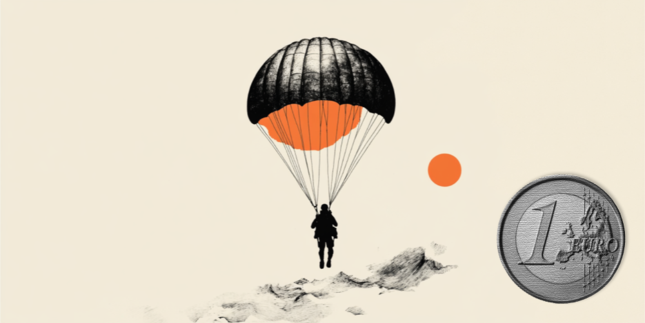
EUR/USD declines to near 1.550 amid Middle East crisis
The EUR/USD pair loses ground to around 1.1560 during the early Asian trading hours on Monday. The Euro (EUR) weakens against the US Dollar (USD) as heightened geopolitical tensions in the Middle East have spurred volatility and weighed on the riskier assets. 🔗 Source 💡 DMK Insight The EUR/USD dip to 1.1560 highlights a critical moment for traders amid rising geopolitical tensions. As the Euro falters against the Dollar, it’s essential to consider how these tensions are influencing risk appetite. The current volatility could lead to further declines if the geopolitical situation escalates, making the Euro a risk-off asset in the eyes of many traders. Watch for key support levels around 1.1500; a break below could trigger more selling pressure. Conversely, if the situation stabilizes, we might see a rebound, but that’s contingent on broader market sentiment. Don’t overlook the potential ripple effects on related assets like commodities or equities, which often react to shifts in currency strength. Institutions may adjust their positions based on these developments, so keep an eye on volume and order flow for clues on market sentiment. The next few days will be crucial, especially if any new developments arise in the geopolitical landscape. 📮 Takeaway Watch for EUR/USD at 1.1500; a break below could signal further declines, while stabilization may lead to a rebound.

US considers ground operation to seize Iran’s Kharg Island
Citing two sources familiar with the matter, The Jerusalem Post reported early Monday, the United States (US) is preparing to launch a ground military operation to seize the Iranian island of Kharg. 🔗 Source 💡 DMK Insight The potential US military operation to seize the Iranian island of Kharg could shake up oil markets significantly. Geopolitical tensions often lead to volatility in crude oil prices, and Kharg is a critical oil export hub for Iran. If the US moves forward, we could see immediate spikes in oil prices as traders react to supply concerns. Keep an eye on the Brent Crude benchmark; a breach above recent highs could signal a strong bullish trend. On the flip side, if the operation is met with minimal resistance or is resolved quickly, we might see a rapid pullback in oil prices. Traders should monitor the situation closely, especially any updates from OPEC or Iranian responses, as these could influence market sentiment. Watch for key levels around $90 per barrel on Brent for potential breakout or reversal signals in the coming days. 📮 Takeaway Watch Brent Crude closely; a breakout above $90 could signal a bullish trend amid rising geopolitical tensions.

Pound Sterling declines as US prepares ground operation to seize Iran’s Kharg Island
The GBP/USD pair faces some selling pressure near 1.3320 during the early Asian session on Monday, pressured by risk-off sentiment. Ongoing conflicts in the Middle East fuel demand for safe-haven currencies such as the US Dollar (USD) and create a headwind for the major pair. 🔗 Source 💡 DMK Insight The GBP/USD is feeling the heat at 1.3320, and here’s why that matters: Risk-off sentiment is pushing traders towards safe-haven assets, particularly the USD, as geopolitical tensions escalate in the Middle East. This shift not only pressures GBP/USD but also signals a broader trend where currencies tied to risk appetite are likely to falter. If the pair breaks below 1.3300, it could trigger further selling, opening the door for a deeper pullback. Keep an eye on how the market reacts to any new developments in the region, as they could exacerbate this trend. On the flip side, if GBP/USD manages to hold above 1.3320, it might indicate a temporary floor, suggesting that traders could look for buying opportunities, especially if UK economic data comes in stronger than expected. Watch for key resistance around 1.3400, which could be a significant hurdle if sentiment shifts back towards risk-on. Overall, the immediate focus should be on geopolitical developments and their impact on market sentiment. 📮 Takeaway Watch for GBP/USD to hold above 1.3320; a break below 1.3300 could signal further downside, while resistance at 1.3400 is crucial for any recovery.

Japanese Yen stays defensive despite the Middle East war escalation
The Japanese Yen (JPY) is underperforming against the US Dollar (USD) in the early Asian trades on Monday, despite the Middle East conflict extending into a fourth week, with no signs of de-escalation in sight. 🔗 Source 💡 DMK Insight The JPY’s weakness against the USD signals a potential shift in risk sentiment among traders. With the ongoing Middle East conflict, safe-haven assets like the JPY typically gain traction. However, the current underperformance suggests that traders might be favoring the USD due to its relative strength and the Fed’s monetary policy stance. This divergence could lead to increased volatility in the USD/JPY pair, especially if the conflict escalates further or economic data from Japan disappoints. Watch for key levels around recent lows in the JPY, as a break could trigger further selling pressure. On the flip side, if the situation stabilizes, we might see a rebound in the JPY, making it crucial to monitor geopolitical developments closely. Keep an eye on the upcoming economic indicators from both the US and Japan, as they could provide additional context for this currency pair’s movement. 📮 Takeaway Watch the USD/JPY pair closely; a break below recent JPY lows could signal further weakness, while stabilization in the Middle East might prompt a rebound.

Canadian Dollar holds steady amid Middle East tensions, rising oil prices
The USD/CAD pair trades on a flat note near 1.3725 during the early Asian trading hours on Monday. Traders will closely monitor the situation in the Middle East. Additionally, traders weigh a hawkish hold from the Federal Reserve (Fed) against a dovish hold from the Bank of Canada (BoC). 🔗 Source 💡 DMK Insight The USD/CAD pair is hovering around 1.3725, and here’s why that matters now: With geopolitical tensions in the Middle East escalating, traders are on high alert. This uncertainty can lead to increased volatility in currency pairs, particularly those tied to commodity prices like CAD, which is sensitive to oil movements. The Fed’s hawkish stance contrasts sharply with the BoC’s dovish hold, creating a divergence that could push USD/CAD higher if the Fed maintains its tightening bias while the BoC remains accommodative. Watch for any shifts in sentiment that could trigger a breakout above 1.3750, which would signal a stronger dollar against the loonie. Conversely, if CAD strengthens due to oil price rebounds or positive economic data, a drop below 1.3700 could be in play. Traders should also keep an eye on related assets like crude oil, as fluctuations there could directly impact CAD’s strength. The real story is how these central bank policies will play out against the backdrop of geopolitical risks, which could lead to unexpected moves in the forex market. Be prepared for potential whipsaws as the market digests these factors. 📮 Takeaway Watch for USD/CAD to break above 1.3750 or below 1.3700, as geopolitical tensions and central bank policies could drive volatility.