
 Bitcoin
  Ethereum
  Tether
  XRP
XRP  BNB
BNB  USDC
USDC  Solana
  TRON
TRON  Lido Staked Ether
  Figure Heloc
Prior -0.2%The breakdown shows that producer prices in Switzerland fell by 0.5% on the month in February with import prices increasing slightly by 0.2%. At the balance, this still points to a 0.3% monthly drop. On an annual basis, producer and import prices are seen down 2.7% relative to the same month a year ago.Looking at the breakdown, the main drag in producer prices last month were for pharmaceutical products and for chemical products. That is slightly offset by a bit of an increase in prices for petroleum products and electricity. Of note, the core inflation reading for this index is seen down 0.5% on the month and down 1.8% year-on-year.As for import prices, the increase was a result of price jumps in petroleum products as well as petroleum and natural gas mostly. The core inflation reading for this index also shows a slight drop of 0.1% with the year-on-year estimate being down 2.5%.Overall, the core inflation reading* for the producer and index price is down 0.4% on the month in February and down 2.1% compared to the same month last year.That points to negative contributions, which won’t be welcome by the SNB as they continue to have to deal with deflationary pressures alongside a stronger currency in recent weeks amid the US-Iran conflict.*excluding raw materials and any product groups close to raw materials whose prices are subject to high volatility (in particular agricultural products, meat, petroleum products, metals, gas This article was written by Justin Low at investinglive.com. 🔗 Source 💡 DMK Insight Producer prices in Switzerland dropped 0.5% last month, and here’s why that matters: This decline signals potential deflationary pressures, which could impact the Swiss National Bank’s (SNB) monetary policy. With import prices rising slightly by 0.2%, the overall trend of a 0.3% monthly drop in producer prices suggests that domestic demand might be weakening. Traders should keep an eye on how this affects the Swiss Franc (CHF) against major currencies, especially if the SNB decides to adjust interest rates in response. A continued decline could lead to a bearish sentiment in the CHF, particularly if the annual drop of 2.7% persists. But don’t overlook the potential for a rebound if import prices start to climb significantly. If the SNB perceives inflation risks from rising import costs, they might maintain or even tighten policy, which could strengthen the CHF. Watch for key levels around recent lows in the CHF against the Euro and Dollar; a break below these could trigger further selling pressure. Keep an eye on upcoming economic indicators and SNB statements for clues on their next moves. 📮 Takeaway Monitor the Swiss Franc closely; a sustained drop in producer prices could lead to bearish sentiment, especially if it breaks recent lows against major currencies.
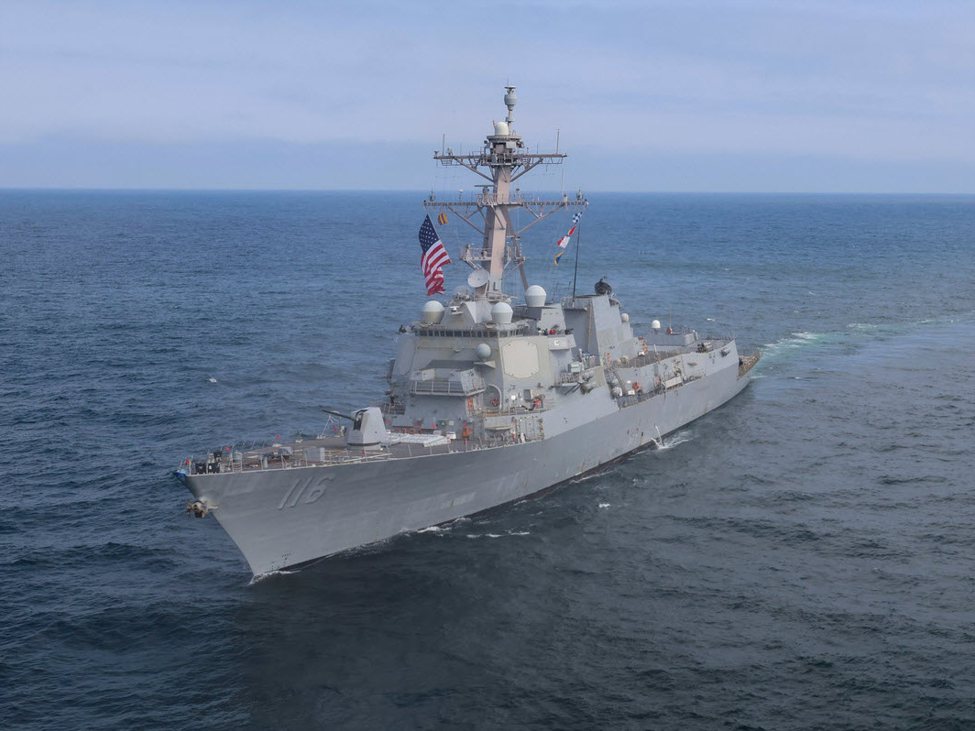
Military escorts not a sustainable solution to opening up Strait of Hormuz, says IMO chief
Dominguez spoke to the FT earlier and said that naval escorts are not a “100 percent guarantee” in terms of ship safety in the Strait of Hormuz. Adding that:”It reduces the risk, but the risk is still there. The merchant ships and seafarers can be affected.”As such, he argues that military intervention to try and smooth the passageway is “not a long-term or sustainable solution” in opening up the strait.As a reminder, US president Trump had over the weekend called on allies to send warships to the region in order to act as military escorts for oil tankers to pass through. Of course, everyone rejected him and with good reason. As mentioned earlier this week, it makes no sense for other countries to get involved now without any political benefit.With regards to moving through the Strait of Hormuz, I highlighted yesterday how the risk-reward just doesn’t make sense at the moment:”Having escorts doesn’t mean that the Strait of Hormuz becomes fully operational again.The most likely scenario for escorting ships would be to gather a bunch of them as a convoy and then move along slowly through the strait. It means that the opening up of the blockade in this instance would be more of a trickle rather than a flow/rush.The speed of the movement of the convoy would be extremely slow, not least already having to cater to the slowest of the vessels among the bunch. However, there’s also the fact that these ships will still have to navigate through the thousands of naval mines laid out by Iran while at the same time needing to fight off drones and shore-based missiles. It’s a full war-torn republic.And you also have to add to the fact that Iran likely has jammers in the region to disrupt GPS and AIS tracking. And that means most ships will still be flying blind, making it even more perilous to navigate through the strait.” This article was written by Justin Low at investinglive.com. 🔗 Source 💡 DMK Insight The uncertainty surrounding naval escorts in the Strait of Hormuz is a red flag for traders, especially those in commodities and shipping sectors. With Dominguez’s comments highlighting that these measures aren’t foolproof, we could see increased volatility in oil prices and shipping costs. If tensions escalate, traders should brace for potential disruptions in supply chains, which could lead to spikes in crude oil prices. For those trading oil futures or related ETFs, keep an eye on key resistance levels. If oil breaches recent highs, it could signal a bullish trend, but any significant geopolitical event could trigger a sharp sell-off. Watch for reactions from major players in the oil market, as their positioning could impact price movements. Additionally, monitor shipping stocks, as increased insurance costs and operational risks might weigh heavily on their performance. In this environment, it’s crucial to stay alert for news updates and adjust positions accordingly, especially if you’re trading on shorter timeframes like daily or weekly charts. 📮 Takeaway Traders should monitor oil prices closely for potential spikes if tensions in the Strait of Hormuz escalate, especially if prices breach recent highs.
Italy February final CPI +1.5% vs +1.6% y/y prelim
Prior +1.0%HICP +1.5% vs +1.6% y/y prelimPrior +1.0%The most notable thing from the report is that core annual inflation is seen making a big jump, up from 1.7% in January to 2.4% in February. Even if you take inflation excluding energy alone, that shows a material jump from 1.9% in January to 2.5% in February.The breakdown shows that services prices is what is driving higher price pressures last month in Italy. That is seen up from 2.5% previously to 3.6% in February. Meanwhile, goods price inflation continue to show a decline of 0.2% – same as it was in January. This article was written by Justin Low at investinglive.com. 🔗 Source 💡 DMK Insight Core inflation’s jump to 2.4% is a game changer for traders: here’s why. The recent report showing core annual inflation rising from 1.7% to 2.4% in just one month is significant. This uptick signals potential shifts in monetary policy, which could impact interest rates and, consequently, forex and crypto markets. Traders should be on alert for how central banks might react—if they tighten policy sooner than expected, it could strengthen the dollar and pressure risk assets like Bitcoin and Ethereum. Keep an eye on the 2% inflation target; breaching it could lead to volatility across markets. But here’s the flip side: if inflation expectations start to stabilize, we might see a relief rally in risk assets. Traders should monitor the upcoming economic indicators closely, especially any Fed commentary. Watch for key levels in the dollar index and major crypto pairs, as these will likely react to any shifts in sentiment around inflation and interest rates. 📮 Takeaway Watch for the dollar’s reaction to inflation data; a sustained move above 2% could trigger volatility in risk assets like Bitcoin and Ethereum.

Strait of Hormuz disruption keeps oil prices supported; de-escalation is the only fix
FUNDAMENTAL OVERVIEWWe saw a classic “sell the fact” reaction last week after the G7 economies and the IEA agreed to release a record 400 million barrels of oil from strategic reserves. Despite that, oil prices climbed back into triple-digit territory as hopes for a quick end to the war faded and disruptions in the Strait of Hormuz continued.Trump is now pushing for military escorts in the Strait and urging other nations to join the effort. So far, no country has signed on that as nobody wants to get directly involved in the conflict. Even if they did, it’s unlikely that oil prices would drop much.Trump reiterated yesterday that oil prices would “drop like a rock” once the war ends, and he’s absolutely right. The key issue, though, is the timing. When pressed on that, he remained vague, as usual, but admitted it’s not happening this week.Until we see real de-escalation, the path of least resistance for oil prices is still to the upside, with limited room for a meaningful correction.CRUDE OIL TECHNICAL ANALYSIS – DAILY TIMEFRAMEOn the daily chart, we can see that crude oil is consolidating between the 93.00 support and the 100.00 handle. There’s not much we can glean from this timeframe, so we need to zoom in to see some more details. CRUDE OIL TECHNICAL ANALYSIS – 4 HOUR TIMEFRAMEOn the 4 hour chart, we can see more clearly the consolidation between the 93.00 support and the 100.00 handle. The buyers will likely continue to step in around the support with a defined risk below it to keep pushing into new highs, while the sellers will look for a break lower to pile in for a drop back into the 80.00 handle next.CRUDE OIL TECHNICAL ANALYSIS – 1 HOUR TIMEFRAMEOn the 1 hour chart, we have a minor downward trendline defining the recent pullback into the support. The sellers will likely continue to lean on the trendline with a defined risk above it to keep pushing into new lows, while the buyers will look for a break higher to increase the bullish bets into new highs. The red lines define the average daily range for today.UPCOMING CATALYSTSTomorrow we have the US PPI report and the FOMC policy decision. On Thursday, we get the latest US Jobless Claims figures. The focus remains on the US-Iran war, so keep an eye on the headlines, especially those regarding the Strait of Hormuz. This article was written by Giuseppe Dellamotta at investinglive.com. 🔗 Source 💡 DMK Insight Oil prices bouncing back into triple digits after a strategic reserve release is a big deal for traders. The G7’s decision to release 400 million barrels was expected to ease supply concerns, but the market’s reaction shows deeper issues at play. With geopolitical tensions still high, particularly regarding the ongoing war, traders are realizing that short-term fixes might not address long-term supply constraints. This ‘sell the fact’ behavior indicates that market participants are skeptical about the effectiveness of such measures. For day traders and swing traders, this volatility could present opportunities, especially if oil prices break key resistance levels. Watch for the $100 mark as a psychological barrier; a sustained move above could trigger further buying momentum. Conversely, if prices falter, it could signal a return to bearish sentiment. Keep an eye on related markets like energy stocks and ETFs, as they often move in tandem with oil prices. The real story is how these geopolitical factors will continue to influence supply and demand dynamics in the coming weeks. Traders should monitor inventory reports and OPEC’s next moves for additional signals. 📮 Takeaway Watch for oil prices around the $100 mark; a break above could lead to significant buying, while failure to hold may signal bearish sentiment returning.
Germany March ZEW economic sentiment index -0.5 vs 39.0 expected
Prior 58.3Current conditions -62.9 vs – 67.3 expectedPrior -65.9I had to double check the number because of the huge deviation. This is much lower than expected as the lowest forecast was 30.0. The US-Iran war and the surge in energy prices have certainly played a major role here.ZEW President Professor Achim Wambach said: “The ZEW Indicator has collapsed. The escalation in the Middle East spikes energy prices and increases inflationary pressure. This heightens the risk for the German economy that the emerging trend of economic recovery will slow down. How strong these effects will turn out depends on the intensity and the duration of the conflict. The financial market experts are sceptical that a quick resolution of the conflict will take place.”WHAT IS THE ZEW INDEXThe ZEW Indicator of Economic Sentiment is an influential monthly survey that gauges the economic expectations of financial experts in Germany. It is considered a “leading indicator,” meaning it is used to gauge the future health of the German economy, the largest in the Eurozone, about six months in advance.Unlike the Ifo Business Climate Index (which surveys company managers), the ZEW surveys up to 350 institutional investors and financial analysts (from banks, insurance companies, and financial departments). Experts are asked whether they expect the economic situation to improve, stay the same, or worsen over the next six months.The index is a “diffusion index.” It is calculated by subtracting the percentage of pessimistic responses from the percentage of optimistic responses. If the index is above zero, it indicates that the majority of experts are optimistic about future growth. If it’s below zero, it signals prevailing pessimism. This article was written by Giuseppe Dellamotta at investinglive.com. 🔗 Source 💡 DMK Insight The unexpected drop to -62.9 in economic sentiment is a wake-up call for traders. This significant deviation from the expected -67.3 signals growing concerns about geopolitical tensions, particularly the US-Iran conflict, and its impact on energy prices. Traders should be wary of how this sentiment shift could influence market volatility, especially in energy and related sectors. The current environment suggests a potential risk-off sentiment, which could lead to sell-offs in equities and a flight to safe-haven assets like gold or the US dollar. Keep an eye on energy prices; if they continue to rise, it could exacerbate inflation fears and further dampen economic outlooks. Watch for any technical levels around recent lows in the S&P 500 or oil prices, as these could trigger significant trading opportunities or risks depending on how the market reacts to this news. 📮 Takeaway Monitor energy prices closely; a continued rise could lead to increased market volatility and impact risk assets significantly.

Iran's Supreme Leader says "not the right time for peace", US and Israel must be defeated
Iran’s new Supreme Leader in foreign policy session rejects proposals for ‘reducing tensions or seek peace with the US’Supreme Leader rejected proposals that were sent to Iran’s foreign ministry by two intermediary countriesSupreme Leader told foreign policy session ‘not the right time for peace’, US and Israel must be defeated, pay compensationIran’s new Supreme Leader has rejected proposals aimed at de-escalating tensions with the United States and Israel, according to a senior Iranian official who spoke to Reuters. During his first foreign policy session, the leader dismissed diplomatic roadmaps delivered to the Iranian Foreign Ministry by two intermediary countries, asserting that now is not the right time for peace.The official told Reuters that Khamenei’s stance for revenge against the US and Israel was “very tough and serious”. He reportedly told the session that the Islamic Republic would not seek to reduce tensions until the US and Israel are defeated and forced to pay compensation for damages. By demanding financial and political compensation as a prerequisite for any cessation of hostilities, the Supreme Leader appears to be prioritizing a “victory-first” doctrine over the economic stabilization sought by international mediators. Although Iran remains militarily inferior, it has effectively leveraged oil prices, which are now weighing on global economic sentiment and financial markets. Just yesterday, reports suggested that direct US-Iran communications had resumed in recent days. However, Iran’s Foreign Minister quickly dismissed those claims, saying they “appear geared solely to mislead oil traders and the public.” This suggests a clear interest in keeping oil prices elevated, or at least preventing them from falling. This article was written by Giuseppe Dellamotta at investinglive.com. 🔗 Source 💡 DMK Insight Iran’s Supreme Leader’s rejection of peace proposals signals escalating geopolitical tensions, which could impact oil prices and regional stability. For traders, this development is crucial as it suggests that any hopes for easing sanctions or improving relations with the US are off the table for now. This stance could lead to increased volatility in oil markets, especially if military actions or further sanctions are anticipated. Watch for oil prices to react, particularly if they approach key resistance levels. Additionally, the broader Middle East geopolitical landscape may see ripple effects, influencing currencies tied to oil exports, like the Russian ruble or the Gulf states’ currencies. On the flip side, while mainstream narratives might focus solely on the negative implications, there could be hidden opportunities for traders who can capitalize on the volatility created by these tensions. Keeping an eye on oil futures and geopolitical news will be essential as the situation develops. 📮 Takeaway Monitor oil prices closely; geopolitical tensions could drive volatility, especially if prices approach key resistance levels in the coming weeks.
Bitmine speeds pace of Ethereum buys, boosting treasury to 4.6M ETH
About two-thirds of the company’s tokens are currently staked, generating an estimated $180 million in annualized revenue. 🔗 Source 💡 DMK Insight With two-thirds of the company’s tokens staked, generating $180 million annually, traders should pay attention to the implications for liquidity and price stability. High staking levels often indicate strong investor confidence, but they also mean less token availability for trading, which can lead to price volatility if demand spikes. If the market sentiment shifts or if there’s a sudden influx of selling pressure, the limited supply could amplify price movements. It’s worth noting that this situation can create a feedback loop; as prices rise, more investors might want to stake their tokens, further tightening supply. Traders should monitor the staking ratios closely, especially if there are upcoming events or announcements that could influence market sentiment. Watch for any changes in staking behavior or shifts in annualized revenue, as these could signal potential market corrections or bullish trends. Keep an eye on related assets as well, as movements in this token could impact broader market dynamics. 📮 Takeaway Watch the staking levels closely; any significant changes could lead to increased volatility and trading opportunities in the coming weeks.

Oil: Red Sea chokepoints reshape Saudi export risks – TD Securities
TD Securities’ Senior Commodity Strategist Ryan McKay analyzes how disruptions around the Strait of Hormuz and Bab El-Mandeb are reshaping Saudi crude export risks and bypass capacity, with implications for Oil supply tightness. 🔗 Source 💡 DMK Insight Crude export risks from the Strait of Hormuz and Bab El-Mandeb are heating up, and here’s why that matters: With tensions in these critical chokepoints, traders need to keep a close eye on supply disruptions that could tighten the oil market. Saudi Arabia’s ability to export crude could be compromised, leading to potential price spikes. If these disruptions escalate, we could see WTI and Brent crude prices react sharply, especially if they breach key resistance levels. Historically, similar geopolitical tensions have led to rapid price increases, so the current situation warrants caution. But it’s not just about immediate price reactions; longer-term implications could reshape trading strategies. If supply tightness persists, traders might want to consider bullish positions or hedge against volatility. Monitoring OPEC’s response will also be crucial, as any production adjustments could further influence market dynamics. Watch for key price levels around recent highs, as breaking through these could signal a new bullish trend. 📮 Takeaway Keep an eye on crude prices; disruptions in the Strait of Hormuz could lead to significant volatility, especially if prices breach recent highs.

Riksbank: War risk keeps policy on hold – Nordea
Nordea economists Kjetil Olsen and Sara Midtgaard expect the Sweden’s central bank, Riksbank to leave its policy rate at 1.75% on 19 March and through 2026, as inflation forecasts are only modestly revised and uncertainty over energy prices is high. 🔗 Source 💡 DMK Insight Riksbank’s decision to hold rates at 1.75% signals a cautious approach amid inflation and energy price uncertainty. For traders, this means the Swedish Krona (SEK) could remain under pressure as the central bank prioritizes stability over aggressive monetary tightening. With inflation forecasts only modestly revised, the likelihood of a rate hike in the near term seems slim. This could lead to a divergence in monetary policy compared to other central banks, potentially affecting SEK’s performance against major currencies like the Euro and Dollar. Keep an eye on the upcoming inflation data and energy price trends, as these will be critical in shaping Riksbank’s future decisions. If inflation remains stubbornly high, the central bank might be forced to reconsider its stance, but for now, the focus is on maintaining the current rate. Watch for any shifts in market sentiment around March 19, as traders react to the Riksbank’s announcement and any accompanying commentary. A failure to signal future hikes could lead to further SEK weakness, especially if other central banks continue tightening. 📮 Takeaway Monitor the Riksbank’s March 19 announcement closely; a lack of rate hike signals could weaken SEK against major currencies.

Colombia Retail Sales (YoY) below forecasts (10.1%) in January: Actual (7.8%)
Colombia Retail Sales (YoY) below forecasts (10.1%) in January: Actual (7.8%) 🔗 Source 💡 DMK Insight Colombia’s retail sales growth of 7.8% fell short of the expected 10.1%, and here’s why that matters: This underperformance signals potential weakness in consumer spending, which could ripple through the Colombian economy and impact the forex market. Traders should keep an eye on the Colombian peso, as disappointing retail figures might lead to increased volatility. If this trend continues, it could prompt the central bank to reconsider its monetary policy stance, affecting interest rates and overall market sentiment. Watch for how this data influences the peso against major currencies like the USD, especially if the peso approaches key support levels. On the flip side, if retail sales rebound in the coming months, it could indicate a stronger economic recovery, which might boost investor confidence. So, keep an eye on upcoming economic indicators and consumer sentiment reports for a clearer picture. The immediate focus should be on the next set of retail data and any central bank commentary that could shift market dynamics. 📮 Takeaway Watch the Colombian peso closely; a sustained decline in retail sales could trigger increased volatility and impact monetary policy decisions.