
 Bitcoin
  Ethereum
  Tether
  XRP
XRP  BNB
BNB  USDC
USDC  Solana
  TRON
TRON  Lido Staked Ether
  Figure Heloc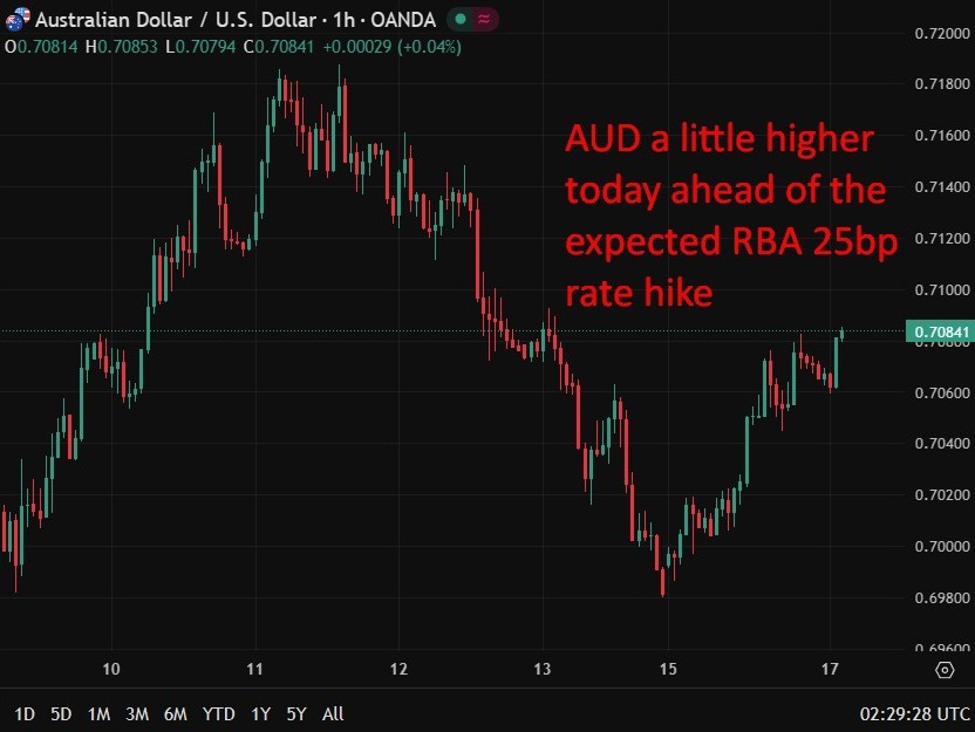
Australian consumer confidence hits pandemic-era lows while inflation expectations surge ahead of an expected RBA rate hike:Australian dollar supported as markets bet on RBA rate hikes – preview of today’s decisionEconomic & event calendar Asia 17 March 2026, Reserve Bank of Australia rate hike expectedSummary:ANZ–Roy Morgan Australian Consumer Confidence fell to 68.5, the lowest level since March 2020 when pandemic lockdowns began.Households are becoming increasingly pessimistic about both the one-year and five-year outlook for the economy.The deterioration in sentiment appears linked to geopolitical uncertainty and shifting expectations around inflation and interest rates.Inflation expectations remain elevated, reaching their highest level since November 2022, partly driven by a sharp rise in petrol prices.The weak sentiment data arrives just hours before the Reserve Bank of Australia’s policy decision, where markets expect a 25bp rate hike to 4.1%.With inflation still above target and the labour market tight, policymakers may show limited tolerance for energy-driven inflation shocks.Australian consumer sentiment has fallen to its weakest level since the early stages of the COVID-19 pandemic, underscoring growing anxiety among households as the country faces rising energy costs and renewed inflation risks.The ANZ–Roy Morgan consumer confidence index dropped to 68.5 points, its lowest reading since March 2020 when the first nationwide lockdowns were announced. The decline highlights a sharp deterioration in household sentiment as Australians grapple with a more uncertain economic environment.Survey results indicate households are increasingly pessimistic about both the short-term and longer-term outlook for the economy. Confidence in the economic outlook over the next year and the next five years has weakened notably, reflecting heightened geopolitical uncertainty and concerns that inflation may remain higher for longer than previously expected.A key driver of those concerns appears to be the renewed rise in inflation expectations. The survey showed that expectations for future inflation remain at their highest level since November 2022. The increase is partly linked to the recent surge in petrol prices, which tends to have an outsized impact on household perceptions of inflation because fuel costs are highly visible and affect everyday spending.The data arrives just ahead of the Reserve Bank of Australia’s policy decision, where markets widely expect the central bank to raise the cash rate by 25 basis points to 4.1%.Policymakers are balancing several competing forces. While consumer confidence has weakened significantly, inflation remains above the RBA’s 2–3% target range and the labour market continues to be viewed as tight. In that environment, central bank officials may be less willing to tolerate additional inflationary pressure from external shocks such as rising oil prices.Higher energy prices tied to geopolitical tensions have already begun to filter through to inflation expectations, potentially complicating the central bank’s task.For the RBA, maintaining credibility on inflation control may take priority even as household sentiment deteriorates, particularly if policymakers judge that inflation risks remain skewed to the upside.The combination of record-low consumer confidence and elevated inflation expectations highlights the difficult environment facing policymakers as they attempt to bring inflation back to target without triggering a deeper slowdown in economic activity. This article was written by Eamonn Sheridan at investinglive.com. 🔗 Source 💡 DMK Insight Consumer confidence in Australia is plummeting, and that’s a big deal for traders right now. With the ANZ-Roy Morgan index hitting pandemic-era lows, it signals a potential shift in consumer spending patterns, which could impact economic growth. Coupled with rising inflation expectations, the Reserve Bank of Australia (RBA) is likely to respond with rate hikes, making the Australian dollar more attractive for traders looking to capitalize on interest rate differentials. If the RBA raises rates, expect volatility in AUD pairs, particularly against the USD and NZD. Watch for key support and resistance levels around recent highs and lows in these pairs, as traders react to the RBA’s decision. On the flip side, if consumer confidence continues to deteriorate despite rate hikes, it could lead to a slowdown in economic activity, which might weaken the AUD in the longer term. Keep an eye on the upcoming economic data releases and market sentiment to gauge how these factors interplay. The immediate focus should be on the RBA’s announcement and subsequent market reactions, especially if the rate hike is more aggressive than anticipated. 📮 Takeaway Watch for the RBA’s rate decision today; a hike could strengthen the AUD, but declining consumer confidence may pose longer-term risks.
Tanker struck near Strait of Hormuz as UK maritime agency warns ships
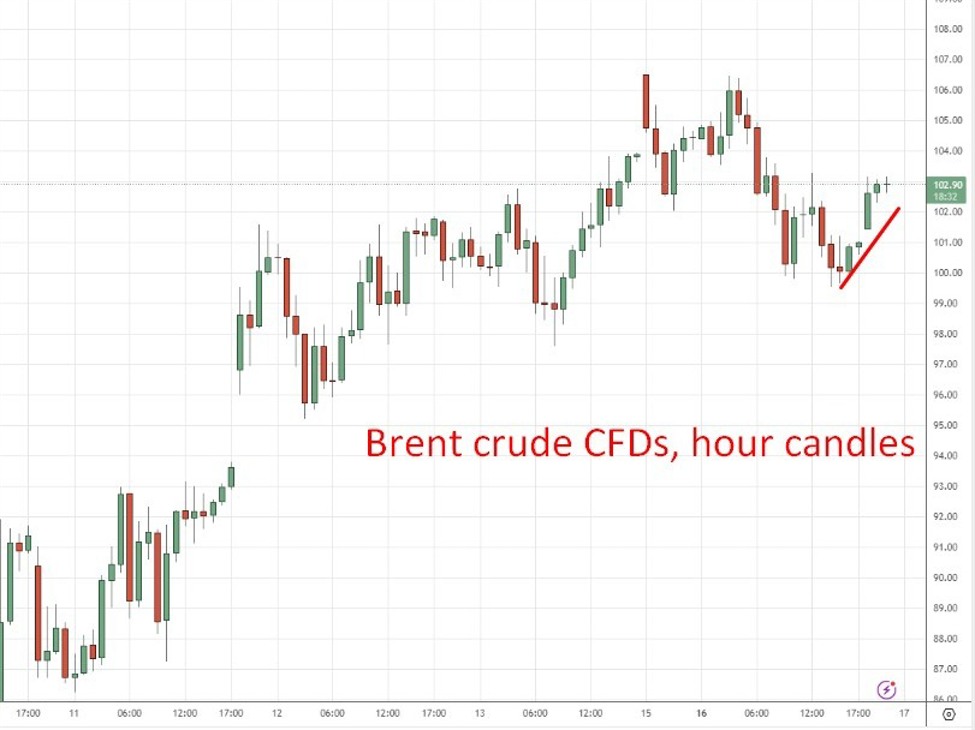
A tanker was struck by a projectile near Fujairah in the Gulf of Oman, prompting a shipping warning near the Strait of Hormuz.Summary:A tanker was struck by an unknown projectile while at anchor in the Gulf of Oman, near Fujairah in the United Arab Emirates.The United Kingdom Maritime Trade Operations (UKMTO) centre reported the incident occurred about 23 nautical miles east of Fujairah.The vessel sustained minor structural damage but no crew injuries were reported.UKMTO issued a warning to ships operating in the vicinity of the Strait of Hormuz, urging caution.The incident marks the first reported attack on a vessel in the area in more than 72 hours.Renewed maritime threats could increase shipping risk and insurance costs in one of the world’s most important energy corridors.A tanker has been struck by an unknown projectile in the Gulf of Oman near the United Arab Emirates, prompting a warning to ships operating close to the Strait of Hormuz from the United Kingdom Maritime Trade Operations (UKMTO) centre.According to UKMTO, the incident occurred approximately 23 nautical miles east of Fujairah, a key Emirati port and major oil storage hub located just outside the Strait of Hormuz.The vessel was reportedly at anchor when it was hit. Authorities said the strike caused minor structural damage to the tanker, though no injuries to crew members were reported.UKMTO issued an advisory to vessels in the surrounding area following the report, urging ships transiting or operating in nearby waters to exercise caution and remain vigilant.The incident represents the first reported maritime attack in the region in more than three days, raising renewed concerns about shipping safety in waters that serve as one of the world’s most critical energy transit routes.The Strait of Hormuz, located between Iran and Oman, is a strategic chokepoint for global oil and gas flows. Roughly one-fifth of the world’s petroleum consumption passes through the narrow waterway, making the security of surrounding shipping lanes closely watched by governments and energy markets.Recent tensions linked to the conflict involving Iran have already increased risk perceptions in the region, with previous attacks on tankers and commercial vessels prompting naval patrols and warnings from maritime security agencies.While the latest incident appears limited in scale, even minor attacks can have outsized implications for global shipping and energy markets. Increased threats to vessels can raise insurance premiums, disrupt tanker movements and contribute to volatility in oil prices.Maritime authorities typically issue alerts through UKMTO and other regional security bodies to ensure shipping operators remain aware of emerging threats.With geopolitical tensions still elevated across the Middle East, shipping activity around the Strait of Hormuz is likely to remain under heightened scrutiny in the coming days. This article was written by Eamonn Sheridan at investinglive.com. 🔗 Source 💡 DMK Insight Tensions in the Gulf of Oman just spiked, and here’s why traders should pay attention: The recent incident involving a tanker being struck by a projectile near Fujairah raises significant concerns about shipping safety in one of the world’s busiest maritime corridors. The Strait of Hormuz is a critical chokepoint for oil transport, with a substantial percentage of global oil passing through. Any disruption here could lead to immediate spikes in oil prices, impacting not just crude but also related assets like energy stocks and ETFs. Traders should monitor Brent and WTI crude futures closely, especially if prices approach key resistance levels. But it’s not just about oil. Increased military activity or further incidents could lead to heightened volatility across markets, including forex pairs sensitive to geopolitical risk. Look for safe-haven assets like gold and the Swiss franc to react as traders seek refuge from potential instability. Keep an eye on any official statements from maritime authorities or military sources, as these could provide critical updates that influence market sentiment in the short term. 📮 Takeaway Watch for oil price movements, especially if Brent approaches resistance levels, as geopolitical tensions escalate in the Gulf of Oman.
BOJ’s Ueda says inflation rising toward 2% ahead of policy meeting – recap
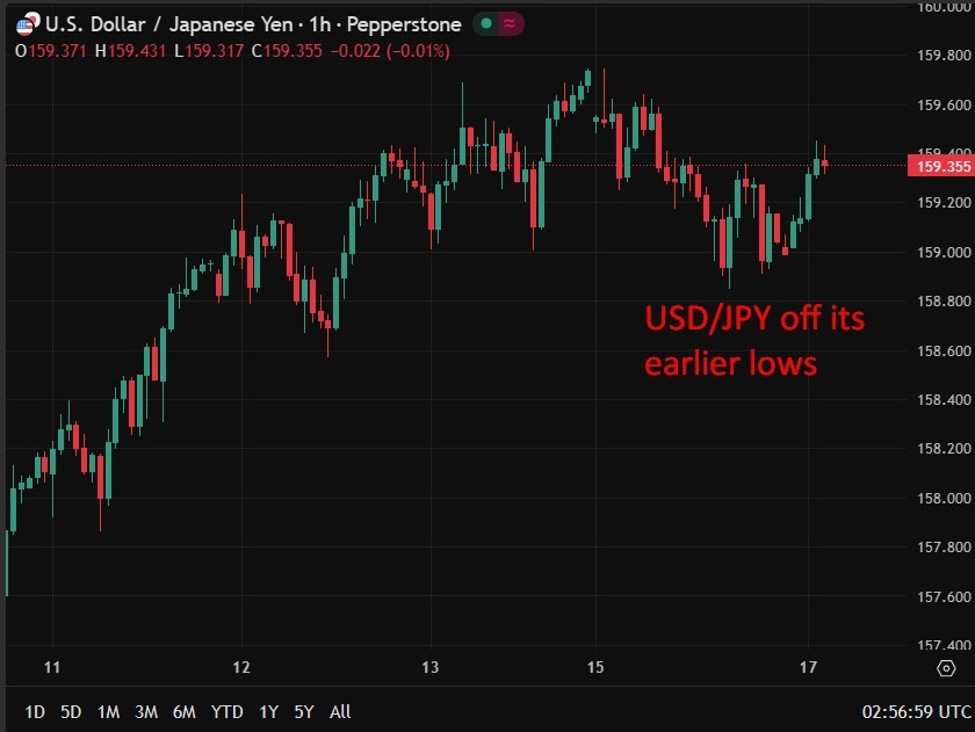
BOJ Governor Ueda reiterates inflation progress and wage growth focus ahead of policy meeting.Summary:Bank of Japan Governor Kazuo Ueda reiterated that underlying inflation is gradually accelerating toward the 2% target.He stressed that sustainable inflation must be supported by wage growth, reinforcing the BOJ’s long-standing policy condition.The comments came ahead of the BOJ’s two-day policy meeting ending Thursday, where rates are widely expected to remain unchanged at 0.75%.Ueda said wages and prices are rising moderately together, as companies become more willing to pass on higher input and labour costs.The BOJ expects underlying inflation to converge toward the 2% target between the second half of fiscal 2026 and fiscal 2027.Ueda also reiterated the BOJ’s readiness to act if government bond yields rise sharply, maintaining flexibility in the JGB market.Bank of Japan Governor Kazuo Ueda has reiterated that underlying inflation in Japan is gradually strengthening toward the central bank’s 2% target, reinforcing the message policymakers have been delivering ahead of this week’s monetary policy decision.Speaking in parliament, Ueda said the current inflation trend reflects a gradual alignment between wages and prices as companies become more willing to pass on higher raw material and labour costs to consumers. The development marks a notable shift in Japan’s inflation dynamics, where persistent price increases historically proved difficult to sustain without corresponding wage growth.Ueda emphasised that the central bank’s objective is not simply to reach the 2% inflation target temporarily but to achieve it in a durable and stable manner supported by rising wages. According to the BOJ’s current outlook, underlying inflation is expected to move closer to the target level between the second half of fiscal 2026 and fiscal 2027.The remarks largely reinforce the policy outlook that markets have been anticipating ahead of the Bank of Japan’s two-day policy meeting, which concludes on Thursday. Investors widely expect the central bank to keep its policy rate unchanged at 0.75%, following the rate increase delivered in December that lifted borrowing costs to their highest level in roughly three decades.While the BOJ has begun normalising policy after years of ultra-loose settings, officials remain cautious about tightening too quickly until they are confident that wage-driven inflation can be sustained.Ueda also addressed developments in Japan’s government bond market, reiterating that long-term interest rates are primarily determined by market forces reflecting expectations about the economic outlook, inflation and policy direction.At the same time, he reaffirmed that the central bank stands ready to act in exceptional circumstances if yields rise abruptly in a way that threatens financial stability.The comments underscore the BOJ’s careful balancing act as it gradually exits ultra-easy policy while monitoring inflation dynamics, wage growth and bond market stability. This article was written by Eamonn Sheridan at investinglive.com. 🔗 Source 💡 DMK Insight Ueda’s comments signal a potential shift in BOJ policy, and here’s why that matters: With inflation inching closer to the 2% target, traders should keep a close eye on how wage growth evolves in the coming months. If wage increases start to materialize, it could prompt the BOJ to reconsider its ultra-loose monetary policy sooner than expected. This is particularly relevant as the market has been pricing in a prolonged period of low interest rates. A shift in BOJ policy could lead to a stronger yen and impact related assets, including Japanese equities and global commodities. Watch for any signs of wage growth in upcoming economic reports, as this could be a key indicator of the BOJ’s next moves. The immediate focus should be on the next policy meeting, where any hints of a tightening stance could trigger volatility across forex pairs, especially USD/JPY. On the flip side, if wage growth remains stagnant, the BOJ may maintain its current course, which could keep the yen under pressure. Traders should monitor the 2% inflation threshold closely, as breaking through it could lead to significant market shifts. Keep an eye on the daily charts for USD/JPY, particularly around key resistance levels, as any hawkish signals from the BOJ could spark a rally. 📮 Takeaway Watch for wage growth indicators ahead of the BOJ’s next policy meeting; a shift could strengthen the yen and impact USD/JPY significantly.
Reserve Bank of Australia raise its cash rate by 25bps, as widely expected
Reserve Bank of Australia vote was (almost) evenly split at 5-4. Summary:The Reserve Bank of Australia raised its cash rate by 25 basis points to 4.1%, delivering a surprise tightening in a narrow 5–4 board vote.Policymakers said inflation had picked up materially in the second half of 2025, reflecting stronger capacity pressures in the economy.The board warned there is a material risk inflation will remain above the 2–3% target range for longer than previously expected.Rising fuel prices linked to the Middle East conflict were cited as a key risk that could add further inflation pressure.Short-term inflation expectations have already begun to increase, raising concern about entrenched price pressures.Despite tighter financial conditions, the RBA said the degree of policy restrictiveness remains uncertain, reinforcing a cautious approach.The Reserve Bank of Australia raised its benchmark cash rate by 25 basis points to 4.1% at its latest policy meeting, delivering the increase in a closely divided 5–4 decision that highlights growing concern among policymakers about the persistence of inflation pressures.The move follows mounting evidence that inflation momentum strengthened during the second half of 2025, reversing some of the progress made after price growth peaked in 2022. According to the central bank, a broad range of recent economic indicators suggests underlying inflation pressures have picked up again, partly reflecting stronger capacity constraints within the economy.Policymakers said incoming data since the February meeting indicated that some of the renewed inflation pressure is linked to tighter supply conditions and stronger demand relative to the economy’s productive capacity.The board concluded that inflation is likely to remain above the RBA’s 2–3% target range for longer than previously anticipated and that the balance of risks has shifted further to the upside.The decision was not unanimous, however. Five members supported raising rates, while four preferred leaving the cash rate unchanged at 3.85%, highlighting a significant divergence of views within the policy committee about the appropriate response to evolving inflation dynamics.The board also highlighted the role of global developments in shaping the inflation outlook. The conflict in the Middle East has led to a sharp increase in fuel prices, which policymakers said could add to inflationary pressure if energy costs remain elevated.Rising fuel prices have already contributed to an increase in short-term inflation expectations, a development that central banks closely monitor because it can influence wage negotiations and price-setting behaviour.At the same time, the RBA acknowledged that developments in the Middle East remain highly uncertain and could affect the economy in different ways depending on how events unfold. While higher energy prices could push inflation higher, geopolitical tensions could also weigh on global growth.Financial conditions in Australia have tightened somewhat this year, reflecting higher interest rates and evolving market conditions. However, the central bank noted that it remains unclear how restrictive current policy settings are for the economy.The rate increase underscores the RBA’s determination to keep inflation expectations anchored even as policymakers face a complex global environment marked by geopolitical risks and renewed commodity price volatility. AUD whipsaw. This article was written by Eamonn Sheridan at investinglive.com. 🔗 Source 💡 DMK Insight The RBA’s surprise rate hike to 4.1% is a game changer for traders: here’s why. With the vote nearly split at 5-4, this move signals a serious concern over inflation, which has reportedly picked up in the latter half of 2025. Traders should be on high alert as this could lead to increased volatility in both the AUD and broader forex markets. A tighter monetary policy often strengthens a currency, but it can also dampen economic growth, creating a mixed bag for traders. Watch for how the AUD/USD reacts in the coming days; a breach above recent resistance levels could signal further strength, while a failure to hold might indicate a reversal. On the flip side, if inflation pressures ease, the RBA might reconsider its stance, leading to potential rate cuts down the line. Keep an eye on economic indicators like employment data and consumer spending, as these will be crucial in shaping future monetary policy. The immediate focus should be on the next RBA meeting and any forward guidance they provide, which could set the tone for the AUD’s trajectory into 2026. 📮 Takeaway Monitor the AUD/USD closely; a break above resistance could signal further strength, while economic indicators will guide future RBA decisions.
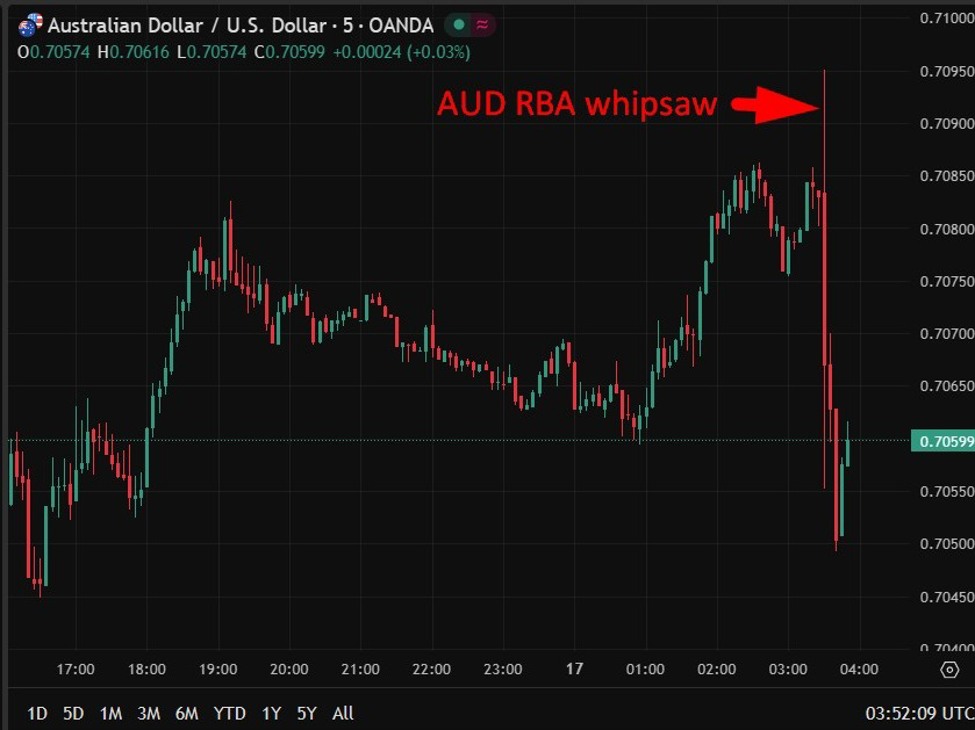
investingLive Asia-Pacific FX news wrap: RBA raised its cash rate by 25bp
Reserve Bank of Australia raise its cash rate by 25bps, as widely expectedBOJ’s Ueda says inflation rising toward 2% ahead of policy meeting – recapTanker struck near Strait of Hormuz as UK maritime agency warns shipsAustralian confidence hits pandemic low as inflation expectations surge before RBA hikeFed faces new inflation shock as Middle East war cuts rate-cut odds this year to 47%Japan officials signal vigilance on yields, fiscal policy and FX as yen weakness persistsPBOC sets USD/ CNY central rate at 6.8961 (vs. estimate at 6.8874)Morgan Stanley sees Fed cuts starting June, warns oil at $125–$150 raises recession riskBOJ’s Ueda says inflation rising toward 2% target ahead of March 18 &19 meetingSingapore February exports rise 4.0% y/y, missing forecasts of 5.5%Heads for Bank of Japan Governor Ueda to speak today at 0020 GMT / 2020 US Eastern timeCBA says rising oil prices from Iran war could weaken yen via trade balanceAustralian dollar supported as markets bet on RBA rate hikes – preview of today’s decisionUBS forecasts gold rising to $5,900–$6,200 in 2026 on debt and geopolitical risksBIS urges central banks to look through oil spike unless Iran conflict persistsNew Zealand Food Price Index +0.1% m/m in February (prior +2.5%)Iran denies active talks with US after reports of Witkoff text messagesTrump has asked China to delay the meeting with Xi for a monthinvestingLive Americas FX news wrap 16 Mar:Risk-On Monday: Stocks up, USD down, Oil downAt a glance:RBA raised the cash rate by 25bp to 4.1% in a split 5–4 decision, warning inflation risks have tilted further to the upside.AUD initially whipsawed but later weakened, as markets digested the split vote and uncertain growth outlook.BOJ Governor Ueda said underlying inflation is gradually moving toward the 2% target, reinforcing expectations the BOJ will keep rates steady at 0.75% this week.Trump requested China postpone his meeting with President Xi, suggesting the Middle East conflict could extend into April.A tanker was struck by a projectile in the Gulf of Oman near Fujairah, prompting a UKMTO shipping warning near the Strait of Hormuz.Oil prices rebounded from earlier session lows as geopolitical tensions resurfaced.The Reserve Bank of Australia raised its cash rate by 25 basis points to 4.1%, delivering the move in a narrow 5–4 split decision that underscored the delicate balance policymakers face between persistent inflation pressures and risks to economic growth.The central bank said inflation pressures strengthened materially in the second half of 2025 and warned that the balance of risks has shifted to the upside. Policymakers judged that inflation is likely to remain above the 2–3% target range for some time, particularly as higher fuel prices linked to the Middle East conflict threaten to add further price pressure.The close vote highlighted internal divisions on the board between members focused on inflation risks and those more concerned about slowing economic momentum.The Australian dollar initially whipsawed on the announcement before moving lower, as markets digested both the rate increase and the split nature of the decision.In Japan, Bank of Japan Governor Kazuo Ueda reiterated that underlying inflation is gradually accelerating toward the central bank’s 2% target, while emphasising that sustainable price growth must be supported by wage gains. The remarks reinforced expectations that the BOJ will leave its policy rate unchanged at 0.75% at its meeting later this week.Geopolitical developments also remained a key focus.U.S. President Donald Trump has reportedly asked China to postpone his planned meeting with President Xi for a month or longer, citing his focus on the ongoing conflict in the Middle East. Trump had been scheduled to visit China between March 31 and April 2, suggesting the administration may expect hostilities to continue into early April.Tensions in the region intensified again overnight after Iranian forces struck a tanker in the Gulf of Oman, marking the first successful attack east of the Strait of Hormuz in nearly two weeks.According to the United Kingdom Maritime Trade Operations centre, a tanker anchored roughly 23 nautical miles east of Fujairah in the United Arab Emirates was hit by an unknown projectile. The vessel sustained minor structural damage but no crew injuries were reported.The UAE also briefly closed its airspace following a drone strike, highlighting the heightened security environment across the region.Oil prices moved higher from earlier session lows following the renewed shipping incident, as markets continued to monitor risks to one of the world’s most critical energy transit corridors. This article was written by Eamonn Sheridan at investinglive.com. 🔗 Source 💡 DMK Insight The RBA’s 25bps rate hike is a clear signal that inflation is becoming a pressing issue, and here’s why that matters for traders right now: With the Reserve Bank of Australia tightening monetary policy, traders should brace for potential volatility in the AUD/USD pair. This hike, while anticipated, underscores a broader trend of central banks reacting to inflationary pressures, which could lead to a stronger Australian dollar in the short term. Keep an eye on the 0.6500 level for AUD/USD; a break above could signal further bullish momentum. Meanwhile, the Bank of Japan’s comments about rising inflation also suggest that global monetary policy is shifting, which could impact forex pairs involving JPY as well. On the flip side, rising inflation expectations could dampen consumer confidence, as indicated by the Australian confidence hitting pandemic lows. This duality creates a complex trading environment where short-term gains might be offset by longer-term economic concerns. Traders should monitor economic indicators closely, particularly any shifts in consumer sentiment and inflation reports, as these will be crucial in shaping future rate decisions and market reactions. 📮 Takeaway Watch the AUD/USD closely; a break above 0.6500 could indicate bullish momentum following the RBA’s rate hike.

Aussie dollar sees a mixed reaction as the RBA delivers another rate hike today
There’s quite a bit to break down from the decision earlier, with traders still digesting it all ahead of RBA governor Bullock’s press conference at the bottom of the hour. In case you missed it: Reserve Bank of Australia raise its cash rate by 25 bps, as widely expectedThe key thing is that they raised the cash rate from 3.85% to 4.10%. However, that only came about amid a 5-4 vote. It is as close of a split as you can get. And that says a lot considering that the Australian economy is already dealing with high inflation persistence domestically before the whole US-Iran conflict started. As a reminder, the RBA also raised its cash rate in February here.The Australian dollar is keeping rather mixed on the day after a bit of a whipsaw on the decision. AUD/USD is now down 0.1% to 0.7060 levels with the near-term price action depicted below:The whipsaw jump failed to hold a break above the 100-hour moving average (red line) at 0.7084. So, that is stopping buyers from running away with a more near-term bullish momentum. We’re now caught in a bit of a tussle near the 200-hour moving average (blue line) at 0.7064 but the key line in the sand to any downside reach is the 0.7000 mark as defined on the daily chart. The latter has held all through the Middle East conflict so far this month and will continue to be a key line in the sand to any downside push.Looking at the RBA decision, traders were pricing in ~82% odds of a rate hike already coming into today. So, the central bank definitely did deliver. However, the 5-4 vote split is arguably leaning more dovish especially if you consider the notion that policymakers were already having to deal with more stubborn and persistent inflationary pressures domestically before all this.The US-Iran conflict even prompted this additional line by the RBA:”Developments in the Middle East remain highly uncertain, but under a wide range of possible scenarios could add to global and domestic inflation. In light of these considerations, the Board judged that inflation is likely to remain above target for some time and that the risks have tilted further to the upside, including to inflation expectations.”So, the tighter vote split is arguably not as hawkish as most would hope for.All that being said, the general language in the statement still reads that the RBA is prepared to deliver another rate hike if need be. However, they are not going to pre-commit to that. And rightfully so.As things stand, no major central bank is going to prematurely tighten policy after just 18 days of the US-Iran conflict. The RBA is an exception in this move because of the fact that the domestic inflation backdrop was already triggering alarm bells. Even before all this, Bullock had already warned of the potential for rate hikes at the end of last year. And they duly delivered on that last month, before taking another proactive step today.So, what’s next?I would argue that the threshold for the next rate hike would be much higher. And that will greatly depend on oil prices and how long the Middle East conflict drags on for. In other words, the latest rate hike here puts the RBA closer in terms of positional stance to other major central banks. However, the risk of them actually taking necessary action is still bigger than it would be for the likes of the ECB for example.The market odds of a 25 bps rate hike in May are at ~38% now. As for the next full 25 bps rate hike, that is priced in for August. So, that will be the benchmark to work with in the weeks to come. This article was written by Justin Low at investinglive.com. 🔗 Source 💡 DMK Insight The RBA’s 25 bps rate hike is a clear signal that inflation concerns are still front and center, and here’s why that matters for traders right now. With the cash rate now higher, expect increased volatility in the AUD/USD pair as traders reassess their positions. This move could strengthen the Aussie dollar in the short term, but keep an eye on how the market reacts to Bullock’s comments. If he hints at further tightening, we might see the AUD rally further, potentially breaking resistance levels. Conversely, if he downplays future hikes, the AUD could weaken, creating a trading opportunity for short positions. Watch the 0.65 level on AUD/USD closely; a break below could signal a bearish trend. Also, consider the ripple effects on commodities, particularly gold and oil, as higher interest rates can dampen demand. Traders should monitor these correlations closely as they could provide additional insights into market sentiment and potential reversals. 📮 Takeaway Watch the AUD/USD around the 0.65 level; Bullock’s comments could trigger significant volatility and trading opportunities in both forex and commodities.
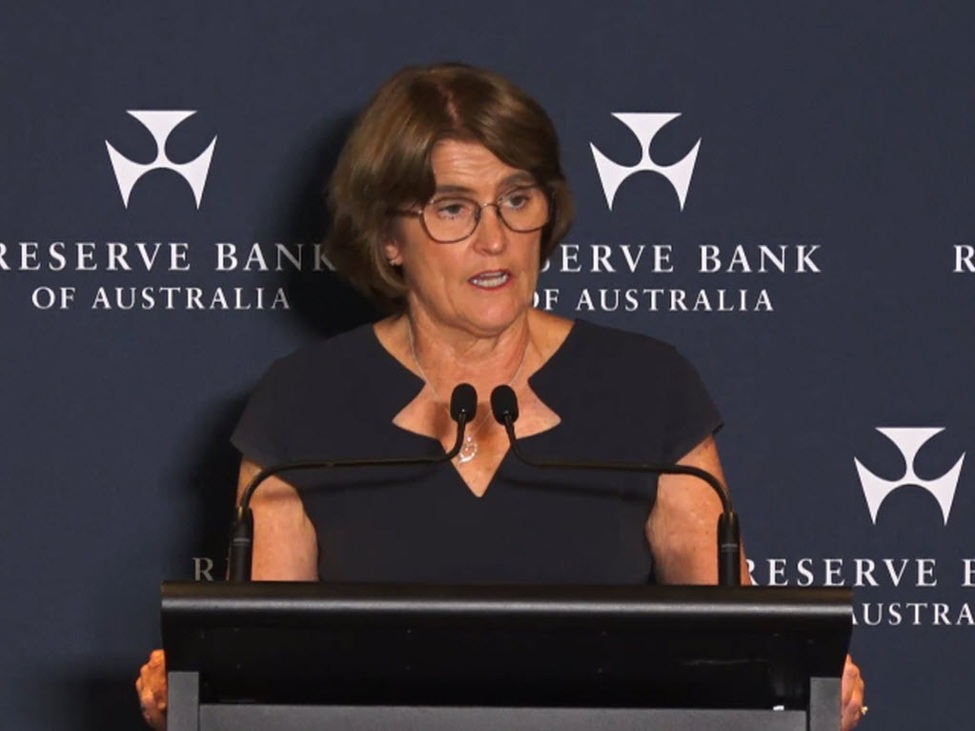
RBA governor Bullock: Cash rate was not high enough to bring inflation back to the target
Inflation was already too high, reflecting the fact that demand was outstripping supplyThe cash rate was not high enough to bring inflation back to the targetHigher petrol prices will add to inflation but they were not the reason for today’s decisionThe risks to inflation have tilted to the upsideWe must also make sure that higher inflation does not lead to inflation expectations moving higherWill continue to be guided by incoming dataAnd now remarks from the Q&A session:All members agreed that inflation was too highMembers voting to hold was voting to do so in a hawkish senseThe discussion was about timing, not direction of policy settingMiddle East uncertainty is what led to differing views on timing of rate hikeThere was consideration to hold off until MayThe main issue was not monetary policy direction, just timing and balance of risks tied to Middle East conflictThe risks for inflation are more to the upside with regards to employment, rather than the downsideIf we don’t bring excess demand down now, businesses will build higher prices into their costsAnd that will make it even worse for everyoneAdjusting cash rate is the only monetary policy instrument that we haveHer clarification on the vote split sheds a lot of light as to how the central bank is actually feeling. At the balance, it definitely sounds more hawkish than what the 5-4 vote split suggested at the face of it earlier. And Bullock also mentions that higher petrol prices “is just another problem” and that if they don’t take a more proactive step, it could give rise to second-round effects.AUD/USD was keeping around 0.7060 earlier before she spoke but is now holding around 0.7070 on the day. This article was written by Justin Low at investinglive.com. 🔗 Source 💡 DMK Insight With ETH at $2,315.01, inflation concerns are back in focus, and here’s why that matters for traders: Rising inflation typically leads to increased volatility in crypto markets, as investors reassess risk and potential returns. If inflation continues to outpace expectations, we could see a shift in sentiment that drives ETH and other cryptocurrencies lower, especially if central banks respond with tighter monetary policy. Traders should keep an eye on key resistance levels around $2,400 and support near $2,200, as these will be crucial for short-term price action. Additionally, with petrol prices contributing to inflationary pressures, the broader economic context could lead to a flight to safety, impacting risk assets like crypto. On the flip side, if inflation data shows signs of stabilizing, we might see a bullish reversal in ETH. Watch for any upcoming economic reports that could influence market sentiment, particularly those related to consumer prices. The next few weeks will be critical in determining whether ETH can break through resistance or if it will test lower support levels. 📮 Takeaway Monitor ETH’s resistance at $2,400 and support at $2,200 as inflation data unfolds; these levels will dictate short-term trading strategies.
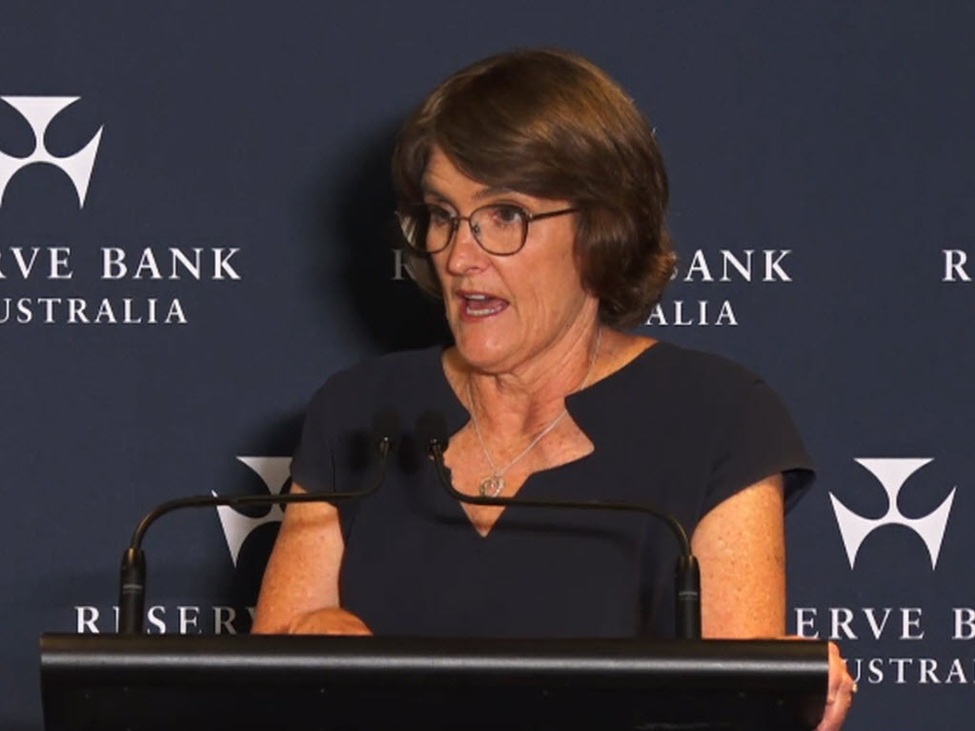
RBA governor Bullock: If we have to change tack on policy, we will do so
The world economy actually did okay despite tariffs threat last yearIt is still possible that if Middle East conflict resolves, everything turns out okayBut we are alert to the risks and if circumstances changeIf the world economy is going to be in big trouble, that will have different implications for inflationAnd if we have to change tack on policy, we will do so”No comment” on whether herself or Hauser looked to be pushing for a rate hike ahead of todayHauser laid out arguments for hiking and for holding, did not express a view one way or the otherMarkets perhaps misinterpreted comments by HauserNot going to divulge what the cash rate recommendation was for todayReaffirms that “the direction isn’t the issue, it was the timing”The rate hike today does not say anything about the forward pathThe forward path for rates remains uncertainA 50 bps rate hike would have been a lotRates are in the middle of the range of neutralThe most interesting question was arguably the one on her view and Hauser’s in the lead up to today’s meeting. In case you missed it, Hauser’s comments here led to a significant shift in expectations ahead of the RBA meeting this week. Before this, markets were pricing in a rate cut as perhaps being a coin toss. But coming into today, the odds of that have jumped up to ~82% prior to the decision.Bullock defends that he did not give anything away though, reaffirming that there was a “misinterpretation” on the part of markets. Adding that the podcast was scheduled for weeks in advance.Well, I would say it wasn’t the worst of things or slip ups (if you can even call it that). In fact, it doesn’t seem like much at all. But yeah, these journalists gotta find something to try and fault as always.AUD/USD is up around 15 pips since she spoke, trading at 0.7075 currently – up 0.1% on the day. This article was written by Justin Low at investinglive.com. 🔗 Source 💡 DMK Insight SOL’s current price of $93.53 reflects a market that’s cautiously optimistic about global economic stability. Despite last year’s tariff threats, the economy has shown resilience, which could support SOL’s upward momentum. However, traders should keep an eye on geopolitical tensions, particularly in the Middle East, as any resolution could lead to a risk-on sentiment that boosts crypto assets. If the situation deteriorates, we might see a flight to safety, impacting SOL negatively. Watch for key support around $90; a drop below this level could trigger selling pressure. Conversely, if SOL breaks above $95, it could signal a bullish trend, attracting more buyers. Here’s the thing: while the broader economic outlook seems stable, the crypto market remains sensitive to external shocks. Keep an eye on macroeconomic indicators and geopolitical developments, as they could shift sentiment quickly. 📮 Takeaway Monitor SOL closely; a break above $95 could signal bullish momentum, while a drop below $90 may trigger selling pressure.

FX option expiries for 17 March 10am New York cut
There is arguably just one to take note of on the day, as highlighted in bold below.That being for EUR/USD at the 1.1500 level. The downside push at the end of last week and early this week fell short of critically testing the 1.1400 level. And amid the turn in the risk mood yesterday, the dollar stumbled back a little with EUR/USD now inching closer towards the 1.1500 mark.The 100-hour moving average, seen at 1.1512 currently, will act alongside the expiries in terms of limiting gains in the session ahead. That unless we see a material change to the overall risk narrative once again.As a reminder, the biggest driver and influence of trading sentiment remains the US-Iran conflict. As such, oil prices are the be all and end all to driving broader market sentiment still at this time.For now, oil prices are creeping back up a little today as the Middle East conflict drags on. Trump’s call for aid on the Strait of Hormuz has fallen on deaf ears and here’s why even US escorts won’t do much to alleviate the situation. So unless there is a material change to the status quo, the war will continue to rage on.The dollar is trading marginally higher today as the risk mood settles back with S&P 500 futures down 0.2% now. So, that will keep the expiries at the 1.1500 level in play for the session ahead; all else being equal.For more information on how to use this data, you may refer to this post here.Head on over to investingLive (formerly ForexLive) to get in on the know! This article was written by Justin Low at investinglive.com. 🔗 Source 💡 DMK Insight EUR/USD is flirting with the 1.1500 level, and here’s why that’s crucial right now: The recent downside pressure that almost tested 1.1400 indicates a potential support zone, but failing to break below it could signal a bullish reversal. Traders should keep an eye on this 1.1500 resistance level; a solid break above could open the door to further gains, possibly targeting the next psychological level around 1.1600. On the flip side, if we see a rejection at 1.1500, it could trigger a sell-off back towards 1.1400, which would be a critical level to watch for potential bounce or breakdown. With the broader market sentiment still shaky, especially with ongoing economic data releases, volatility is likely to remain high. Pay attention to any news that could impact the Eurozone or U.S. economic outlooks, as these could provide the catalyst needed for a decisive move. Watch for volume spikes around these levels, as they can indicate the strength of the move. 📮 Takeaway Monitor the EUR/USD at 1.1500; a break above could lead to gains towards 1.1600, while a rejection may push it back to 1.1400.

One down, six more to go on the week..
It’s a big, big week for major central bank decisions. And as mentioned last week, the RBA is arguably the most interesting of the ones on the agenda this week. And they duly delivered on that earlier by raising the cash rate from 3.85% to 4.10% today.The RBA made it clear that they were responding to a material shift to upside risks to the inflation outlook, amid the US-Iran conflict, as well as domestic pressures. However, the vote split was more mixed with it being a 5-4 decision. That being said, RBA governor Bullock did well to clarify that the split was more to do with timing and not direction of monetary policy.Her press conference helped to provide much clarity on the decision today, reaffirming that the central bank remains ready to act further if necessary. But for now, they won’t pre-commit to anything further after taking one step closer to be more aligned with other major central banks in waiting on how the Middle East developments will play out.(RBA rate hike odds shifted even further to ~82% before the decision today)As mentioned in the week before:”As for the other major central banks, the rate decisions will be less interesting with no changes expected across the board. The only main thing to watch will be how policymakers respond to possibly higher inflation to come. Will they revert back to what we saw back in 2021-22 in dismissing it all as “transitory”? That was a mistake at the time, so it will be interesting to see if history will repeat itself. But considering that we’re just less than two weeks into the conflict, I would expect central banks to play for flexibility. And that means reaffirming a wait-and-see approach and not jumping to conclusions on how price developments are going to change. They will definitely acknowledge the risks of higher oil prices and inflation to come, but they won’t prematurely commit to anything so early on.”A reminder on the agenda to follow:Reserve Bank of Australia (RBA) meeting decision – 17 MarchBank of Canada meeting (BOC) decision – 18 MarchFederal Reserve (Fed) FOMC meeting decision – 18 MarchBank of Japan (BOJ) meeting decision – 19 MarchSwiss National Bank (SNB) meeting decision – 19 MarchBank of England (BOE) meeting decision – 19 MarchEuropean Central Bank (ECB) meeting decision – 19 March This article was written by Justin Low at investinglive.com. 🔗 Source 💡 DMK Insight The RBA’s rate hike to 4.10% signals a tightening stance that could ripple through global markets. For traders, this move is crucial as it reflects the central bank’s commitment to combating inflation, which could influence forex pairs like AUD/USD. A stronger Aussie dollar might emerge, especially if other central banks lag in their tightening cycles. Watch for how this affects commodity prices, particularly gold and oil, as higher interest rates typically strengthen the currency and can lead to lower demand for these assets. Additionally, keep an eye on the 4-hour and daily charts for AUD-related pairs; a break above recent resistance levels could indicate further bullish momentum. However, there’s a flip side—if the RBA’s actions lead to a slowdown in economic growth, we might see a reversal in market sentiment. Traders should be cautious of volatility spikes in the coming days as the market digests this news and anticipates reactions from other central banks, particularly the Fed and ECB. Overall, this week is pivotal for setting the tone in forex and commodity markets for the near term. 📮 Takeaway Monitor AUD/USD closely for potential breakouts above resistance levels following the RBA’s rate hike, as this could signal further strength in the Aussie dollar.