
 Bitcoin
  Ethereum
  Tether
  XRP
XRP  BNB
BNB  USDC
USDC  Solana
  TRON
TRON  Lido Staked Ether
  Figure Heloc
Regulators found 6.65 million AML violations at Bithumb, including 45,772 crypto transfers involving 18 unregistered overseas VASPs. 🔗 Source 💡 DMK Insight Bithumb’s 6.65 million AML violations raise serious questions about compliance in crypto exchanges. For traders, this isn’t just a regulatory headache; it could lead to increased scrutiny across the entire sector. If regulators ramp up enforcement, we might see a ripple effect impacting liquidity and trading volumes, especially for exchanges that are already under the microscope. The involvement of unregistered overseas VASPs suggests that cross-border transactions could face tighter regulations, potentially affecting arbitrage opportunities. Traders should keep an eye on how this situation unfolds, particularly in the next few weeks, as any new regulations could shift market dynamics significantly. On the flip side, this could create opportunities for exchanges that maintain robust compliance. If Bithumb faces penalties or operational restrictions, competitors might gain market share, making it essential to monitor their performance and any shifts in trading volumes. Watch for any announcements from regulators that could signal broader implications for the crypto market. 📮 Takeaway Keep an eye on regulatory developments around Bithumb; increased scrutiny could impact liquidity and create opportunities for compliant exchanges in the coming weeks.

US, UK, Canada launch joint operation to disrupt crypto fraud
Dubbed “Operation Atlantic,“ the effort involves law enforcement agencies from the three countries and is aimed at preventing phishing attacks involving cryptocurrencies. 🔗 Source 💡 DMK Insight Operation Atlantic is a serious move against crypto phishing, and here’s why traders should care: Phishing attacks have been a persistent threat in the crypto space, often leading to significant losses for investors. With law enforcement from multiple countries collaborating, this initiative could signal a tightening grip on illicit activities, potentially restoring some confidence in the market. If successful, we might see a decrease in scams, which could lead to increased participation from retail investors who have been wary of entering the market due to security concerns. But there’s a flip side: while this operation may deter some bad actors, it won’t eliminate the risks entirely. Traders should remain vigilant and continue to employ best practices for security, like using hardware wallets and enabling two-factor authentication. Keep an eye on any announcements from these agencies, as they could influence market sentiment and lead to short-term volatility. Monitoring the overall trading volume and sentiment in the crypto markets will be crucial in the coming weeks as this operation unfolds. 📮 Takeaway Watch for updates on Operation Atlantic; a successful crackdown on phishing could boost market confidence and increase trading volume in the short term.

SEC seeks comment on crypto handling in OTC broker-dealer rule
The SEC has proposed narrowing Rule 15c2-11 to equity securities only, and is now seeking comment on whether it should apply to certain crypto assets, among other questions. 🔗 Source 💡 DMK Insight The SEC’s move to focus Rule 15c2-11 on equity securities could signal a tightening regulatory environment for crypto assets, and here’s why that matters now: With ETH currently at $2,315.01, traders should be wary of potential volatility as regulatory scrutiny increases. If the SEC decides to apply this rule to crypto, it could limit market access for certain assets, impacting liquidity and trading strategies. This could lead to a sell-off in the short term as traders react to uncertainty. Keep an eye on how institutional players respond; they often set the tone in these situations. If large holders start offloading, it could create a cascading effect across the market. On the flip side, this could also present buying opportunities if prices dip significantly. Historically, regulatory news can lead to short-term panic but often results in a recovery as the market adjusts. Watch for ETH to hold above key support levels around $2,250; a break below could trigger further selling pressure. In the coming weeks, monitor SEC comments closely for any hints on how they might treat crypto moving forward. 📮 Takeaway Watch ETH closely; if it breaks below $2,250, it could trigger significant selling pressure amid regulatory uncertainty.
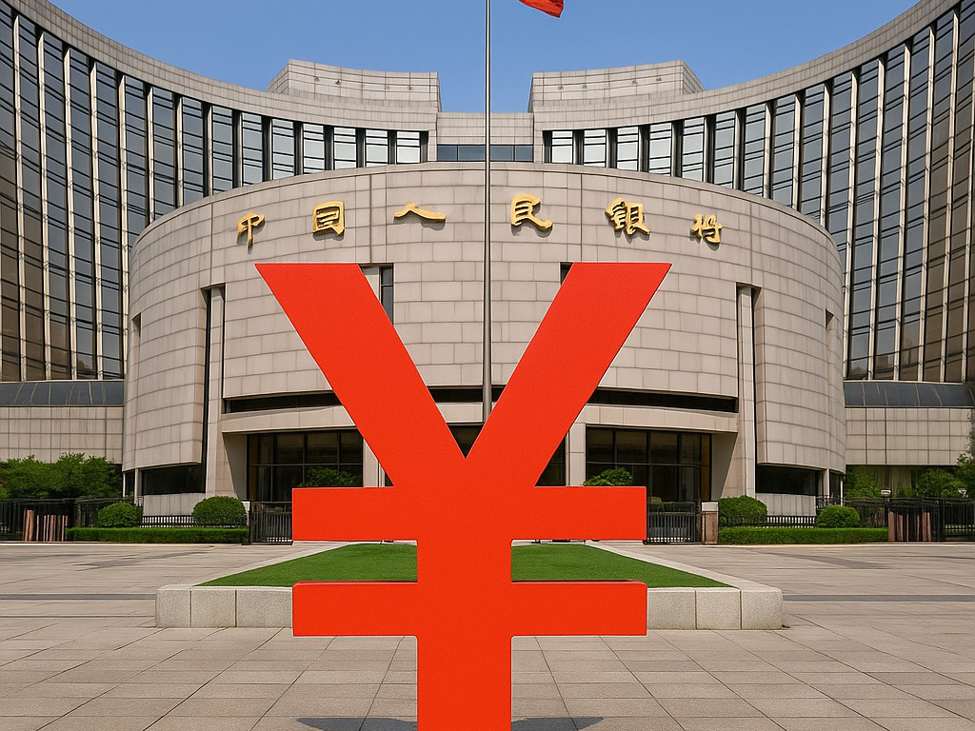
PBOC is expected to set the USD/CNY reference rate at 6.8874 – Reuters estimate
The People’s Bank of China is due to set the daily USD/CNY reference rate at around 0115 GMT (2115 US Eastern time), a fixing that remains one of the most closely watched signals in Asian foreign exchange markets. China operates a managed floating exchange rate system, under which the renminbi (yuan) is allowed to trade within a prescribed band around a central reference rate, or midpoint, set each trading day by the PBOC. The current trading band permits the currency to move plus or minus 2% from the official midpoint during onshore trading hours. Each morning, the PBOC determines the midpoint based on a range of inputs. These include the previous day’s closing price, movements in major currencies, particularly the US dollar, broader international FX conditions, and domestic economic considerations such as capital flows, growth momentum and financial stability objectives. The midpoint is not a purely mechanical calculation, allowing policymakers discretion to guide market expectations. Once the midpoint is announced, onshore USD/CNY is free to trade within the allowable band. If market pressures push the yuan toward either edge of that range, the central bank may step in to smooth volatility. Intervention can take the form of direct buying or selling of yuan, adjustments to liquidity conditions, or guidance through state-owned banks. As a result, the daily fixing is often interpreted as a policy signal rather than just a technical reference point. A stronger-than-expected CNY midpoint is typically read as a sign the PBOC is leaning against depreciation pressure, while a weaker fixing for the CNY can indicate tolerance for a softer currency, often in response to dollar strength or domestic economic headwinds.In periods of heightened global volatility, such as shifts in US rate expectations, trade tensions or capital flow pressures, the fixing takes on added significance. For investors, it provides insight into Beijing’s currency priorities, balancing competitiveness, capital stability and financial market confidence. This article was written by Eamonn Sheridan at investinglive.com. 🔗 Source 💡 DMK Insight The upcoming USD/CNY reference rate fixing is crucial for traders, especially given the current volatility in forex markets. As the People’s Bank of China sets this rate, expect it to influence not just the yuan but also broader Asian currencies. A stronger yuan could signal confidence in China’s economic recovery, while a weaker fix might raise concerns about economic stability. Traders should keep an eye on the 7.00 level for USD/CNY, as a breach above could trigger further selling pressure on the yuan. Additionally, monitor related assets like commodities, which often react to shifts in the yuan’s strength. The real story here is how this fixing could ripple through global markets, affecting everything from trade balances to investor sentiment. Watch for any unexpected moves or comments from the PBOC post-fixing, as these could provide clues on future monetary policy shifts. The immediate impact will be felt in the forex markets, but the longer-term implications could shape trading strategies across various asset classes. 📮 Takeaway Keep an eye on the USD/CNY reference rate around 0115 GMT; a fix above 7.00 could signal further yuan weakness.
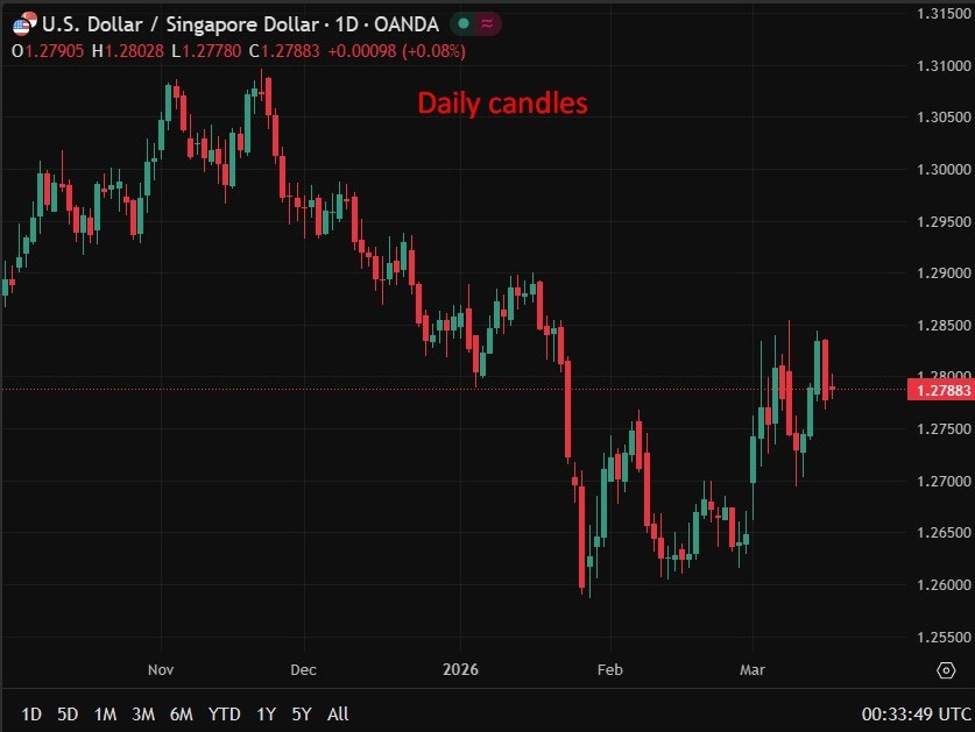
Singapore February exports rise 4.0% y/y, missing forecasts of 5.5%
Singapore’s February exports rose 4.0% y/y, missing expectations as electronics gains were partly offset by weaker non-electronics shipments.Summary:Singapore’s non-oil domestic exports (NODX) rose 4.0% year-on-year in February, below expectations for a 5.5% increase in a Reuters poll.Export growth was driven by electronics shipments, particularly integrated circuits and disk media products.Non-electronics exports declined, limiting the overall expansion in shipments.Exports to South Korea, Taiwan and Hong Kong increased, while shipments to Indonesia and the United States fell.The data comes as U.S. authorities launch trade investigations into several partners, including Singapore, citing persistent trade surpluses.Singapore’s Trade Ministry pushed back, noting the city-state actually runs a large overall trade deficit with the United States.Singapore’s export growth slowed in February, with official data showing non-oil domestic exports rising 4.0% from a year earlier, missing market expectations and highlighting the uneven nature of global trade recovery.The latest figures from Enterprise Singapore showed shipments expanding at a slower pace than the 5.5% increase forecast by economists in a Reuters poll. Despite the softer-than-expected headline number, the data still signalled continued resilience in parts of Singapore’s export sector.Growth was largely driven by electronics exports, particularly integrated circuits and disk media products, which remain core components of Singapore’s advanced manufacturing sector. Demand for semiconductors and related technology products has been gradually recovering after a prolonged downturn in the global electronics cycle.However, the broader export picture remained mixed. Non-electronics exports declined during the month, offsetting part of the strength seen in the electronics segment and keeping overall export growth below expectations.Looking at destination markets, exports to several regional technology hubs recorded gains. Shipments to South Korea, Taiwan and Hong Kong increased compared with a year earlier, reflecting stronger trade flows within Asia’s electronics supply chain.In contrast, exports to Indonesia and the United States were lower on a year-earlier basis, suggesting uneven demand across key trading partners.The data arrives amid renewed scrutiny of global trade balances by the United States. Last week, U.S. authorities announced investigations into alleged unfair trade practices involving 16 trading partners, including Singapore, citing concerns about persistent trade surpluses and manufacturing expansion.Singapore’s Trade Ministry rejected those claims, stating that the country actually runs an overall trade deficit with the United States amounting to roughly $27 billion. Officials also noted that Singapore’s industrial property occupancy rates remain high, at around 90%, countering suggestions that excess manufacturing capacity is being built.Singapore’s export performance is closely watched by investors because the city-state’s trade-dependent economy often provides an early signal about the health of global demand, particularly in technology supply chains. This article was written by Eamonn Sheridan at investinglive.com. 🔗 Source 💡 DMK Insight Singapore’s February export growth missed expectations, and here’s why that matters: The 4.0% year-on-year increase in non-oil domestic exports (NODX) is a clear signal that while electronics are still performing well, the broader non-electronics sector is struggling. This divergence could indicate underlying weaknesses in global demand, particularly for non-electronic goods, which may affect trade-dependent markets. Traders should keep an eye on how this impacts the Singapore dollar and related currency pairs, especially if the trend continues. If the NODX growth doesn’t pick up, we could see increased volatility in the SGD, particularly against the USD and JPY, as traders reassess their positions based on economic health. Here’s the flip side: while the electronics sector is buoying the numbers, it’s worth questioning whether this is sustainable. If global demand for tech products starts to wane, we might see a ripple effect across other sectors. Watch for any revisions in export forecasts or shifts in central bank policy that could stem from these figures. Key levels to monitor would be the SGD/USD pair around recent support levels, as a breach could signal further weakness in the currency. 📮 Takeaway Keep an eye on Singapore’s NODX growth; if it continues to underperform, watch for potential volatility in the SGD against the USD and JPY.
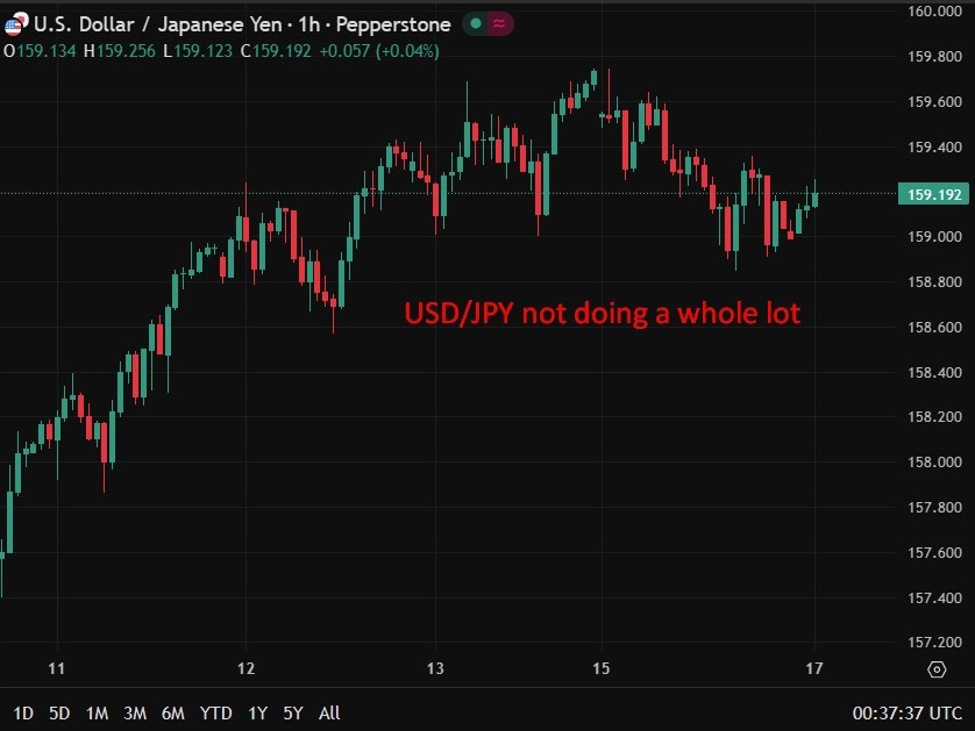
BOJ’s Ueda says inflation rising toward 2% target ahead of March 18 &19 meeting
BOJ Governor Ueda says inflation is gradually moving toward target ahead of the March 19 policy meeting.Bank of Japan Governor Kazuo Ueda told parliament that underlying inflation is gradually accelerating toward the BOJ’s 2% target.He reiterated the central bank will adjust policy as needed to achieve stable and durable inflation at the target level.Ueda said underlying inflation is expected to converge toward the 2% target between the second half of fiscal 2026 and fiscal 2027.The remarks come just days before the BOJ’s policy decision on Wednesday, March 19, 2026, where the bank is widely expected to hold its policy rate at 0.75%.Markets are closely watching for signals on the timing of the next rate hike and possible adjustments to bond purchases.The yen remains under pressure, leaving investors sensitive to policy signals that could affect USD/JPY dynamics.Bank of Japan Governor Kazuo Ueda said underlying inflation in Japan is gradually strengthening toward the central bank’s 2% target, reinforcing the view that price pressures are becoming more sustainable even as policymakers move cautiously on further monetary tightening.Speaking in Japan’s parliament on Monday, Ueda indicated that underlying inflation is continuing to gain momentum and is expected to converge toward the BOJ’s price stability target between the second half of fiscal 2026 and fiscal 2027.The remarks provide fresh context ahead of the Bank of Japan’s upcoming policy meeting scheduled for Wednesday/Thursday, March 18 & 19, 2026, where the central bank is widely expected to keep its policy rate unchanged at 0.75%. That level was set following the rate increase delivered in December 2025, which lifted borrowing costs to their highest point in roughly three decades.While the BOJ has been gradually normalising policy after years of ultra-loose settings, officials have emphasised the need to confirm that inflation can remain sustainably around the 2% target before moving further with tightening.Ueda’s latest comments suggest the central bank continues to see progress toward that goal, although the timeline for achieving stable inflation remains relatively extended.Investors are paying close attention to the BOJ’s outlook as Japan navigates a complex economic environment that includes rising global energy prices, a weakening yen and still uneven wage growth.At the upcoming meeting, markets will focus not only on the rate decision itself but also on the central bank’s updated economic projections and any potential signals regarding future policy moves.Some economists have previously suggested the BOJ could consider another rate increase as early as April 2026 if inflation momentum continues to build.In addition, attention will remain on the BOJ’s approach to government bond purchases. Japanese government bond yields have risen in recent months, prompting speculation that policymakers could adjust the pace of their bond purchase tapering to maintain stability in long-term yields.Currency markets are also closely watching developments in Japan’s monetary policy outlook. The yen has faced persistent downward pressure, leaving traders alert to the possibility of intervention by Japanese authorities if USD/JPY were to approach the 160 level.Against this backdrop, Ueda’s comments reinforce the message that the BOJ sees inflation gradually moving in the right direction but remains cautious about tightening policy too quickly. This article was written by Eamonn Sheridan at investinglive.com. 🔗 Source 💡 DMK Insight Ueda’s comments signal a potential shift in BOJ policy, and here’s why that matters: With inflation inching closer to the 2% target, traders should brace for possible adjustments in monetary policy that could impact the yen. If the BOJ moves to tighten, it could strengthen the yen against other currencies, particularly the USD. This is crucial for forex traders who are currently navigating a volatile market. Keep an eye on the USD/JPY pair as it approaches key resistance levels. A break above those could indicate a stronger yen, while failure to hold might suggest continued weakness. But don’t overlook the broader implications. If the BOJ signals a more hawkish stance, it could ripple through global markets, affecting equities and commodities as investors recalibrate their risk appetite. Watch for reactions from major institutions and how they position themselves ahead of the March 19 meeting. This could lead to increased volatility in the forex market, especially if traders misinterpret the BOJ’s intentions. The next few weeks will be critical for gauging market sentiment and positioning accordingly. 📮 Takeaway Monitor the USD/JPY pair closely; a shift in BOJ policy could trigger significant volatility ahead of the March 19 meeting.

Morgan Stanley sees Fed cuts starting June, warns oil at $125–$150 raises recession risk
Morgan Stanley expects the Fed to begin cutting rates in June but warns a surge in oil prices could lift U.S. recession risk.The Federal Reserve’s Federal Open Market Committee (FOMC) meet March 17 and 18. Summary:Morgan Stanley maintains its forecast that the Federal Reserve will begin cutting interest rates in June, with another reduction expected in September.The bank believes easing will begin even as inflation risks remain elevated due to energy prices.Chief economist Michael Gapen warns that a sharp rise in oil prices could materially alter the economic outlook.Oil trading in the $125–$150 per barrel range could weigh on U.S. economic growth, increasing downside risks to activity.Under such a scenario, Morgan Stanley estimates the probability of a U.S. recession could rise to around 20%.Energy-driven inflation shocks could complicate the Fed’s policy path by simultaneously slowing growth while keeping price pressures elevated.Morgan Stanley continues to expect the Federal Reserve to begin lowering interest rates in mid-2026, with the first reduction anticipated in June and a second cut projected for September.The forecast comes as policymakers face an increasingly complex macroeconomic environment shaped by rising geopolitical tensions and volatile energy markets. While inflation has gradually eased from its peak levels, the sharp surge in oil prices linked to the conflict in the Middle East has introduced new uncertainty into the outlook for both inflation and economic growth.Morgan Stanley’s chief economist Michael Gapen has warned that a significant escalation in energy prices could pose a meaningful threat to the U.S. economy. In particular, oil prices moving into the $125 to $150 per barrel range would likely act as a drag on economic activity by raising costs for businesses and consumers while eroding household purchasing power.Higher energy prices can ripple through the economy in several ways. Elevated fuel costs increase transportation and production expenses across multiple industries, which can push consumer prices higher while simultaneously dampening demand. At the same time, rising gasoline and energy bills tend to reduce discretionary spending, slowing overall economic momentum.According to Morgan Stanley’s assessment, a sustained oil price shock of that magnitude could raise the probability of a U.S. recession to roughly 20%, highlighting the delicate balance policymakers must manage.For the Federal Reserve, this dynamic presents a challenging policy environment. On one hand, a slowdown in economic growth could justify easing monetary policy through rate cuts. On the other hand, higher energy prices risk reigniting inflation pressures, potentially complicating the timing and pace of policy adjustments.Morgan Stanley’s baseline outlook still anticipates the Fed beginning its easing cycle in June, followed by another rate reduction in September. However, the bank notes that the trajectory of energy prices and the broader geopolitical environment will remain key variables shaping the policy outlook in the months ahead.With markets closely watching oil prices and global developments, the intersection of energy shocks, inflation risks and economic growth will likely remain central to expectations for U.S. monetary policy throughout the year.Earlier:Barclays pushes back expectations for Fed rate cutsThe central bank bonanza returns This article was written by Eamonn Sheridan at investinglive.com. 🔗 Source 💡 DMK Insight Morgan Stanley’s prediction of rate cuts starting in June could shift market dynamics significantly. If the Fed does indeed lower rates, it could lead to increased liquidity, benefiting risk assets like equities and crypto. However, the looming threat of rising oil prices complicates this picture, as higher energy costs could stifle economic growth and elevate recession fears. Traders should keep an eye on the FOMC meeting on March 17-18, as any hints from the Fed regarding future monetary policy will be crucial. A sudden spike in oil could trigger volatility across markets, particularly in sectors sensitive to energy prices, like transportation and consumer goods. On the flip side, if oil prices stabilize or decline, it may bolster confidence in the Fed’s ability to manage inflation without derailing growth. Watch for key levels in oil futures and how they correlate with equity indices; a break above recent highs could signal trouble ahead. Overall, keep your strategies flexible as these macroeconomic factors unfold. 📮 Takeaway Monitor the FOMC meeting on March 17-18 for potential rate cut signals and watch oil prices closely, as they could impact market sentiment significantly.
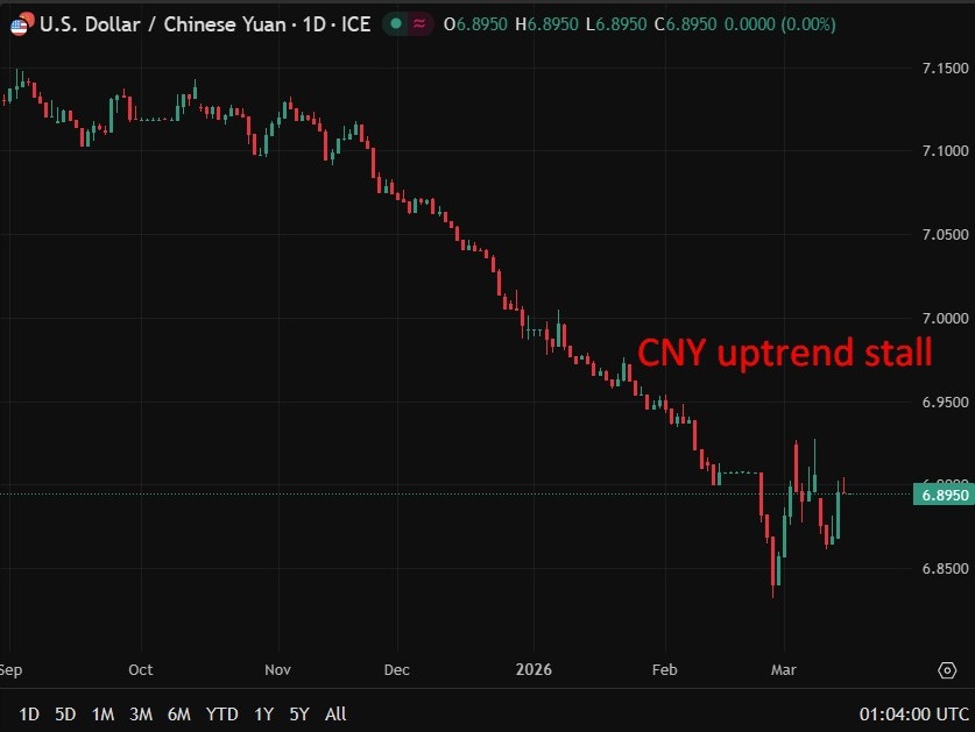
PBOC sets USD/ CNY central rate at 6.8961 (vs. estimate at 6.8874)
The PBOC allows the yuan to fluctuate within a +/- 2% range, around this reference rate. PBOC injects 51bn yuan in 7-day reverse repos at 1.4% (unchanged) in open market operations This article was written by Eamonn Sheridan at investinglive.com. 🔗 Source 💡 DMK Insight The PBOC’s recent injection of 51 billion yuan signals a commitment to stabilize the yuan, and here’s why that matters: With the yuan allowed to fluctuate within a +/- 2% range, traders should keep a close eye on how this impacts forex pairs, especially USD/CNY. The unchanged 1.4% rate on reverse repos suggests the PBOC is balancing liquidity without aggressive easing, which could influence market sentiment. If the yuan weakens significantly, it could trigger capital outflows, impacting not just the Chinese market but also commodities priced in yuan. Look for potential resistance around key levels in USD/CNY; a break above recent highs could signal further weakness in the yuan. But here’s the flip side: if the yuan holds steady or strengthens, it could bolster confidence in Chinese assets, potentially drawing in foreign investment. Traders should monitor the 7-day reverse repo rate closely for any shifts, as changes could indicate a pivot in PBOC policy. Watch for volatility spikes in related markets, particularly commodities and emerging market currencies, as they could react to yuan fluctuations. 📮 Takeaway Keep an eye on USD/CNY levels; a break above recent highs could indicate further yuan weakness, impacting broader market sentiment.
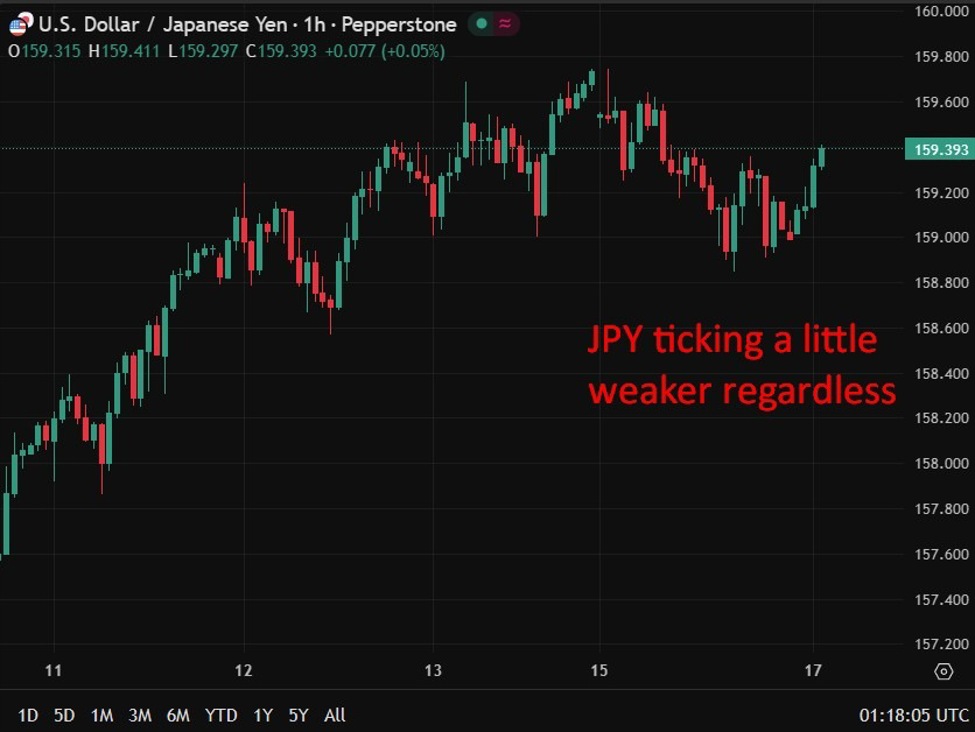
Japan officials signal vigilance on yields, fiscal policy and FX as yen weakness persists
Japanese officials deliver coordinated policy remarks as markets watch for signs of support amid yen weakness.Summary:Japan’s Finance Minister Katayama and BOJ Governor Kazuo Ueda issued a series of remarks within minutes of each other, addressing fiscal policy, bond markets and currency dynamics.Katayama stressed that monetary policy tools, including BOJ bond purchases, remain the central bank’s responsibility, reinforcing institutional independence.He also rejected suggestions Japan is effectively monetising government debt, warning such perceptions could trigger higher interest rates and inflation.Ueda said long-term interest rates should reflect market views on economic conditions and the policy outlook, while reiterating the BOJ would respond flexibly if yields rise abruptly.The BOJ governor also discussed the interaction between fiscal policy, economic demand and inflation dynamics, noting fiscal spending can stimulate activity and wage growth but may also expand supply capacity and mitigate inflation pressures.The timing and tone of the remarks suggest mild coordinated messaging aimed at stabilising the yen and reassuring markets.Japanese policymakers delivered a closely timed set of remarks addressing monetary policy, fiscal dynamics and financial market stability, in what market participants may interpret as subtle coordinated messaging aimed at supporting the yen.Finance Minister Katayama emphasised that decisions related to monetary policy tools, including the Bank of Japan’s bond purchasing operations, fall solely within the authority of the central bank. The statement reinforced the institutional separation between fiscal authorities and monetary policy decision-making at a time when global investors are scrutinising the sustainability of Japan’s policy framework.Katayama also addressed concerns surrounding Japan’s large public debt burden and the role of the central bank in government bond markets. He stressed that Japan is not pursuing de facto debt monetisation and warned that if financial markets were to perceive the government as monetising its debt, the result could be a sharp rise in interest rates accompanied by excessive inflation.In addition, Katayama noted that exchange rates are influenced by a wide range of factors, signalling that currency movements are shaped by broader economic conditions rather than a single policy variable.At roughly the same time, Bank of Japan Governor Kazuo Ueda commented on developments in the government bond market, stating that long-term interest rates naturally fluctuate in response to market expectations regarding economic conditions, inflation and the outlook for monetary policy.Ueda reiterated that the BOJ’s stance remains unchanged in terms of acting flexibly in exceptional situations if Japanese government bond yields rise abruptly or become unstable. The comments suggest the central bank remains ready to intervene in bond markets if volatility increases.The BOJ governor also discussed the interaction between fiscal policy and inflation dynamics. He noted that government spending can stimulate economic demand and support wage growth and inflation, while also highlighting that fiscal investment aimed at improving the economy’s productive capacity could help offset inflationary pressures by expanding supply.The combination of remarks from both fiscal and monetary authorities comes as the yen remains under pressure in foreign exchange markets. Rising global energy prices, higher U.S. yields and widening interest rate differentials have all contributed to the currency’s weakness.Against this backdrop, the coordinated tone of the comments may be interpreted as an attempt to reassure investors about Japan’s fiscal discipline, monetary policy framework and bond market stability, while also signalling vigilance toward currency movements.Japan finance minister Katayama This article was written by Eamonn Sheridan at investinglive.com. 🔗 Source 💡 DMK Insight Japan’s coordinated policy remarks signal a potential shift in currency dynamics, and here’s why that matters: With Finance Minister Katayama and BOJ Governor Ueda speaking in unison, traders should pay close attention to the yen’s performance against major currencies. The emphasis on monetary policy tools suggests the BOJ might be gearing up for intervention if the yen continues to weaken. This could lead to increased volatility in the forex market, particularly for pairs like USD/JPY. If the yen breaches key support levels, it could trigger a wave of selling, impacting not just the yen but also Japanese equities and global risk sentiment. But here’s the flip side: if these remarks fail to translate into concrete action, traders could see a false sense of security, leading to a potential short squeeze in the yen. Keep an eye on the 145 level for USD/JPY; a sustained break above could signal further weakness for the yen. Watch for any announcements or actions from the BOJ in the coming weeks, as they could provide critical insights into future currency trends. 📮 Takeaway Monitor the USD/JPY pair closely; a break above 145 could signal further yen weakness and increased market volatility.
Fed faces new inflation shock as Middle East war cuts rate-cut odds this year to 47%
Earlier:Morgan Stanley sees Fed cuts starting June, warns oil at $125–$150 raises recession risk—A new energy shock linked to the Middle East conflict is complicating the Federal Reserve’s path toward rate cuts.This via Nick Timiraos, Wall Street Journal (gated). In brief …. Summary:The Federal Reserve is confronting new inflation risks linked to the Middle East conflict, complicating expectations for rate cuts.The Fed’s preferred inflation gauge, core PCE, accelerated to 3.1% in January from 2.6% last April, signalling stalled progress toward the 2% target.Markets have sharply repriced policy expectations, with probability of a rate cut by December falling to 47% from 74% before the Iran war began.The Fed’s policy debate now centres less on when rate cuts begin and more on whether easing will occur at all this year.Policymakers must weigh the risk that higher oil prices could push inflation higher while slowing economic growth, complicating the policy outlook.Attention this week will focus on the policy statement, updated economic projections and Chair Powell’s press conference for signals on the Fed’s next move.Federal Reserve policymakers are once again confronting a shifting inflation landscape as geopolitical tensions in the Middle East threaten to derail the central bank’s progress toward restoring price stability.For the fifth consecutive year, the Fed’s effort to bring inflation back to its 2% target has been disrupted by external shocks. The pandemic’s economic aftereffects were followed by Russia’s invasion of Ukraine and a global energy spike, then trade tensions and tariffs. Now, the conflict involving the United States and Iran risks pushing commodity prices higher again and delaying the path toward lower inflation.Recent data already suggested that progress toward price stability had stalled even before the latest geopolitical escalation. The Fed’s preferred measure of underlying inflation, the core personal consumption expenditures price index, rose to 3.1% in January after falling to 2.6% last April, signalling renewed price pressures.The emerging oil shock could complicate the central bank’s outlook further. Rising energy prices tend to boost inflation while simultaneously weakening economic growth by raising costs for businesses and consumers.As officials meet this week, the key question confronting policymakers is no longer simply when the next rate cut will occur, but whether the Federal Reserve can still credibly signal that easing remains likely.The immediate response to the new uncertainty is expected to be caution. The conflict has increased the range of possible economic outcomes, making it difficult for officials to commit to a clear policy trajectory. Oil prices could retreat if tensions ease or surge further if the conflict expands, producing a combination of higher inflation and slower growth.Financial markets have already adjusted expectations sharply. Traders now see less than a fifty-fifty chance of a rate cut by the end of the year, a significant drop from the expectations that prevailed before the Middle East conflict intensified.At the upcoming meeting, investors will focus on three key elements: the language in the policy statement, the updated economic projections from policymakers and the signals delivered by Chair Jerome Powell during the post-meeting press conference.If inflation forecasts are revised higher, the case for interest-rate cuts becomes more difficult to justify, particularly if policymakers believe current policy settings are no longer significantly restraining the economy.At the same time, some officials remain concerned about the resilience of the labour market and the potential for an energy shock to squeeze household spending and slow growth.The result is a policy environment marked by heightened uncertainty, where the Federal Reserve may need to wait for clearer evidence on both inflation and economic activity before deciding whether the next move in interest rates will be up, down or delayed further.—Statement due Wednesday: This article was written by Eamonn Sheridan at investinglive.com. 🔗 Source 💡 DMK Insight Morgan Stanley’s forecast of Fed rate cuts starting in June is now clouded by rising oil prices, which could signal a recession. With oil projected to hit $125–$150, traders need to consider how this energy shock complicates the Fed’s monetary policy. Higher oil prices typically lead to increased inflation, which could delay rate cuts and keep the dollar strong. This scenario could pressure equities and risk assets, especially if inflation expectations rise. Watch for how sectors like energy and transportation react, as they often feel the brunt of rising fuel costs. Additionally, keep an eye on the S&P 500 and its correlation with oil prices; a sustained rise in oil could lead to a significant pullback in equities. On the flip side, if the Fed does proceed with cuts despite these pressures, it could create a short-term rally in risk assets. But the real story is how persistent inflation could reshape market expectations. Traders should monitor the upcoming CPI data and Fed commentary closely for clues on their next moves. 📮 Takeaway Watch for oil prices approaching $125–$150; this could delay Fed rate cuts and impact equities significantly.