
 Bitcoin
  Ethereum
  Tether
  BNB
BNB  XRP
XRP  USDC
USDC  Solana
  TRON
TRON  Lido Staked Ether
  Figure Heloc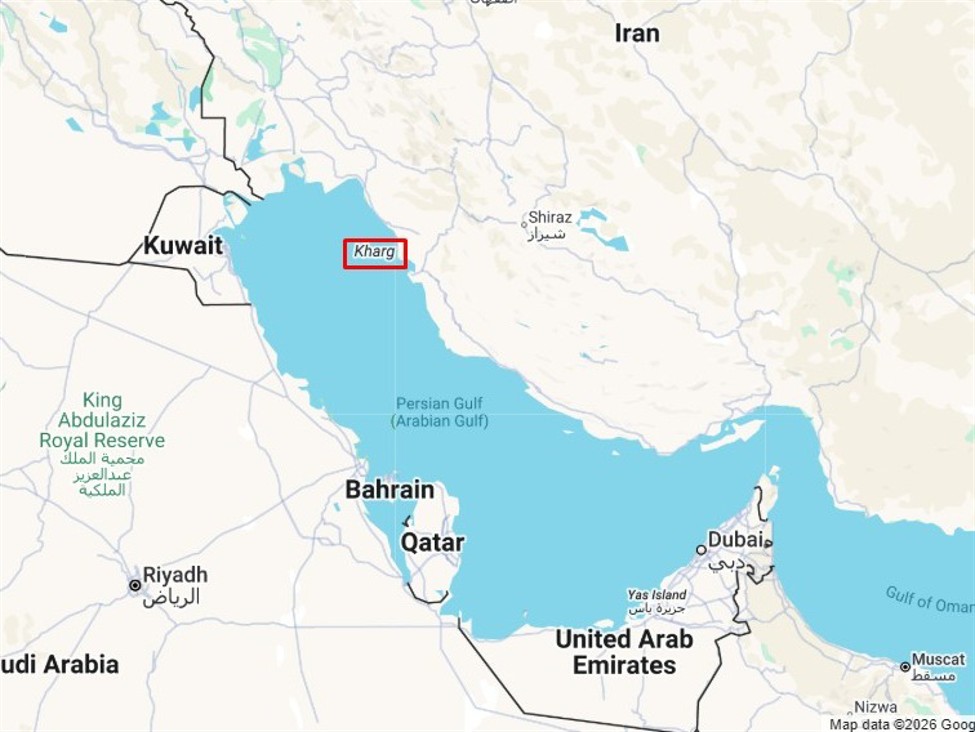
Trump is pushing to form an international naval coalition to reopen the Strait of Hormuz while weighing a potential seizure of Iran’s Kharg Island oil hub.Summary:Trump is working to assemble a multinational coalition to reopen the Strait of Hormuz.The White House hopes to announce the coalition later this week.Washington has been urging allies to send ships to secure the shipping route.The strait carries roughly 20% of global oil and LNG supply.U.S. officials say Trump is also considering seizing Iran’s Kharg Island oil hub.Such an operation would require U.S. ground forces.The option is being considered if tankers remain trapped in the Gulf.U.S. President Donald Trump is working to assemble a multinational naval coalition aimed at reopening shipping through the Strait of Hormuz, according to people familiar with the discussions.Sources cited by Axios said the White House hopes to announce the coalition later this week as Washington scrambles to restore maritime traffic through the key energy corridor, which has been heavily disrupted by the ongoing conflict with Iran.The Strait of Hormuz is one of the most strategically important waterways in global energy markets, carrying roughly one-fifth of the world’s oil and liquefied natural gas shipments. Shipping activity through the route has collapsed in recent days amid attacks on vessels and escalating military tensions in the region.Trump has been pressing allies and other major economies to contribute naval assets to help secure the passage and escort commercial vessels through the strait.The U.S. president has argued that countries benefiting from the corridor should participate in protecting it, and has publicly urged partners including European allies and Asian energy importers to join the effort.At the same time, U.S. officials say the administration is weighing a far more aggressive contingency plan if shipping disruptions persist.According to Axios, Trump is considering the possibility of seizing Iran’s Kharg Island oil export hub, a move that would require deploying U.S. ground forces.(Bolding mine … boots on the ground would be a huge escalation). Kharg Island is the primary terminal for Iranian crude exports and plays a central role in the country’s oil infrastructure. A military operation targeting the facility would represent a major escalation in the conflict and could significantly alter global energy supply dynamics.Officials say the option is being considered in the event that tankers remain trapped in the Persian Gulf and international efforts fail to reopen the Strait of Hormuz.The discussions highlight the mounting urgency in Washington as policymakers attempt to stabilise global energy markets and prevent prolonged disruption to oil flows from the Gulf.However, any move to seize Iranian energy infrastructure would likely carry significant geopolitical risks and could further escalate tensions across the region. This article was written by Eamonn Sheridan at investinglive.com. 🔗 Source 💡 DMK Insight Trump’s push for a naval coalition in the Strait of Hormuz could shake oil markets significantly. The Strait is a critical chokepoint for global oil supply, and any disruption here can lead to immediate price spikes. Traders should be on high alert, especially if the coalition announcement comes with aggressive rhetoric or military posturing. Historically, tensions in this region have led to volatility in crude oil prices, often resulting in sharp moves in related assets like energy stocks and ETFs. If the coalition is formed and tensions escalate, we could see WTI crude testing resistance levels that traders should monitor closely. On the flip side, if the coalition fails to materialize or if diplomatic channels prevail, we might see a pullback in oil prices. Keep an eye on the daily charts for crude oil; a break below key support levels could signal a shift in sentiment. Watch for any updates from the White House later this week, as these could provide crucial insights into market direction. 📮 Takeaway Monitor WTI crude oil prices closely; a coalition announcement could trigger volatility, especially if tensions escalate in the Strait of Hormuz.

China says economy off to solid start but demand remains weak
Summary:China’s statistics bureau said the economy has made a “sound start” to 2026.Industrial output and retail sales beat expectations earlier in the day.Officials cited technological innovation and AI as supporting growth.Authorities warned the economy still faces “strong supply, weak demand.”Consumption is expected to rise as policy support measures take effect.The government may need additional steps to strengthen demand.China said its energy supply capacity is sufficient despite global volatility.Chinese officials said the economy has started the year on a relatively solid footing but acknowledged that weak domestic demand remains a key challenge despite stronger industrial activity.Speaking after the release of China’s latest economic data, a spokesperson for the National Bureau of Statistics said the economy had made a “sound start” to 2026, supported by what officials described as the development of “new productive forces,” including technological innovation and advances in artificial intelligence.The remarks followed data showing industrial output rose 6.3% year-on-year in January–February, beating market expectations for a 5.0% increase. Retail sales also exceeded forecasts, rising 2.8% compared with expectations of 2.5%.Despite the better-than-expected headline figures, officials cautioned that China’s economic recovery remains uneven.The statistics bureau said the economy still faces the challenge of “strong supply but weak demand,” reflecting subdued household spending and lingering caution among businesses.Authorities expect consumer activity to gradually strengthen over the course of the year as policy support measures begin to take effect. Officials said government initiatives aimed at boosting household incomes and supporting consumption should help improve the overall price environment.However, the spokesperson acknowledged that further policy support may still be required to fully revive domestic demand.China’s leadership has increasingly emphasised consumption as a key driver of economic growth, particularly as the country’s property sector continues to struggle and global trade conditions remain uncertain.The statistics bureau also addressed concerns about energy markets amid global volatility linked to geopolitical tensions.Officials said China’s energy supply capacity remains sufficient to cope with fluctuations in global prices, suggesting policymakers are confident the country can manage potential disruptions in international energy markets.Overall, authorities said they expect the economy to maintain a broadly steady growth trend through the remainder of the year.The comments underline Beijing’s effort to balance a cautiously optimistic tone following stronger industrial data while acknowledging structural challenges tied to weak domestic demand and the ongoing property sector downturn. This article was written by Eamonn Sheridan at investinglive.com. 🔗 Source 💡 DMK Insight China’s economy is showing signs of resilience, but here’s the catch: weak demand could stifle growth. The recent uptick in industrial output and retail sales is encouraging, especially as officials highlight technological innovation and AI as growth drivers. However, the warning about ‘strong supply, weak demand’ is a red flag for traders. This suggests that while production is ramping up, consumer appetite may not keep pace, which could lead to inventory build-ups and price pressures. For forex traders, this could impact the yuan’s strength against major currencies, especially if consumption doesn’t pick up as anticipated. Keep an eye on economic indicators like consumer confidence and retail sales figures in the coming months. On the flip side, if consumption rises as policy support kicks in, we could see a bullish trend in related markets, particularly commodities linked to manufacturing. Watch for key levels in the yuan and related assets, as any significant movement could signal broader market shifts. The next few weeks will be crucial for gauging whether this growth momentum can be sustained. 📮 Takeaway Monitor China’s retail sales and consumer confidence metrics closely; a rise could strengthen the yuan, while stagnation may trigger volatility.
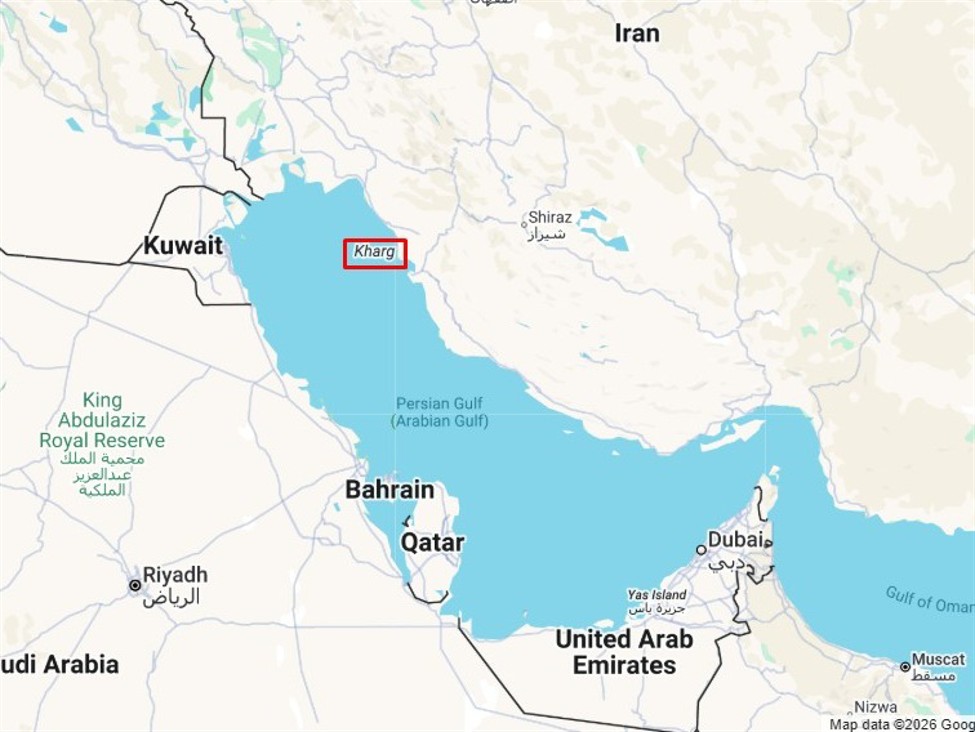
US strikes on targets at Iran’s Kharg Island have raised fears of a wider escalation
U.S. strikes on military targets at Iran’s Kharg Island have raised fears of a wider escalation that could threaten global oil supplies.Summary:The U.S. struck Iranian military facilities on Kharg Island.Trump said oil infrastructure was deliberately spared.Kharg Island handles about 90% of Iran’s crude exports.Analysts say a direct strike could halt most of Iran’s oil shipments.Tehran could retaliate by targeting energy assets elsewhere in the Gulf.Iran has limited alternative export routes via the Goreh-to-Jask pipeline.Oil prices rose above $100 per barrel amid supply concerns.Trump is weighing a seizure of Iran’s critical oil depot on Kharg IslandU.S. strikes on Iranian military facilities on Kharg Island have pushed one of the country’s most strategically important oil hubs into the center of the escalating conflict between Washington and Tehran.According to reporting by CNBC, U.S. President Donald Trump ordered strikes on military assets located on the island late Friday, while deliberately avoiding oil infrastructure.Trump described the operation as a warning to Iran, signalling that Washington could expand its targets if attacks on commercial shipping in the Strait of Hormuz continue.Kharg Island is one of Iran’s most critical economic assets. The small coral island in the northern Persian Gulf, located roughly 15 miles off Iran’s mainland coast, handles about 90% of the country’s crude oil exports and has a loading capacity of around 7 million barrels per day.Because of its central role in Iran’s energy trade, analysts view the facility as both a strategic pressure point for the United States and a potential flashpoint for broader escalation.Energy analysts say a direct attack on Kharg’s export infrastructure could severely disrupt Iranian oil shipments. Data cited by JPMorgan suggests such a strike could immediately halt most of the country’s roughly 1.5 million barrels per day in crude exports.Experts warn the economic consequences for Iran could be severe.Vandana Hari, founder of Vanda Insights, said the strikes on military installations appeared designed to send a signal to Tehran that its oil infrastructure could be targeted next if maritime attacks persist.However, analysts also caution that a direct strike on Kharg’s export terminals could trigger retaliatory attacks across the region.Edward Fishman of the Council on Foreign Relations said Iran could respond by targeting major energy facilities elsewhere in the Gulf, including Saudi Arabia’s massive Abqaiq oil processing complex.Iran does possess limited alternative export routes. One option is the Goreh-to-Jask pipeline, which bypasses both Kharg Island and the Strait of Hormuz and can transport roughly 1.5 million barrels per day.Still, analysts say the pipeline would not fully offset the loss of Kharg’s export capacity.Markets are already responding to the rising geopolitical risks. Brent crude prices climbed above $100 per barrel, reflecting growing concern about potential disruptions to global oil supply.Some analysts argue the conflict is accelerating a broader shift in energy markets, with geopolitical risk increasingly embedded in commodity pricing. This article was written by Eamonn Sheridan at investinglive.com. 🔗 Source 💡 DMK Insight The U.S. strikes on Iran’s Kharg Island could send oil prices soaring, and here’s why: With Kharg Island being responsible for around 90% of Iran’s crude exports, any disruption here could tighten global oil supplies significantly. Traders should keep a close eye on Brent crude, which is already sensitive to geopolitical tensions. If prices break above recent highs, we could see a bullish trend that might trigger stop-loss orders and further buying. But there’s a flip side—if the situation de-escalates quickly, we might see a sharp pullback in oil prices. So, watch for key resistance levels around recent highs and any news that could indicate a shift in U.S.-Iran relations. The next few days will be crucial for oil traders, especially with the potential for volatility in related markets like energy stocks and ETFs. Keep your charts ready and monitor for any sudden price movements. 📮 Takeaway Watch Brent crude closely; a breakout above recent highs could signal a bullish trend, while any de-escalation might lead to a sharp pullback.
investingLive Asia-Pacific news wrap: Trump begging China, EU, UK, NATO for help on Hormuz
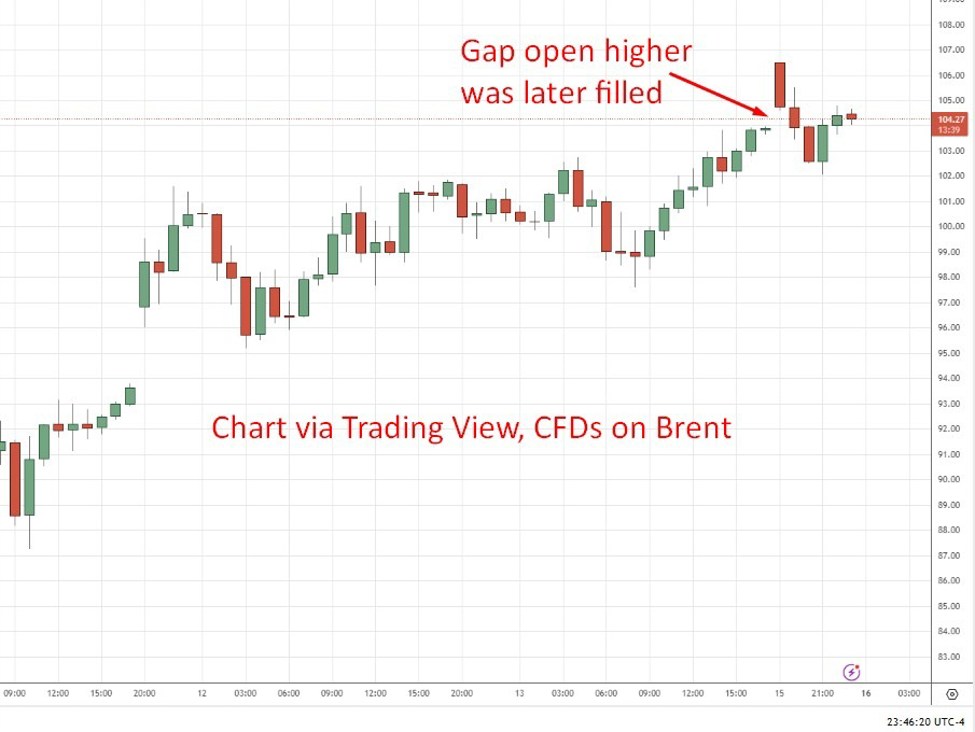
US strikes on targets at Iran’s Kharg Island have raised fears of a wider escalationChina says economy off to solid start but demand remains weakTrump is weighing a seizure of Iran’s critical oil depot on Kharg IslandChina industrial output beats forecasts as property slump deepensStrait of Hormuz ship traffic collapses to zero amid conflict, energy corridor shutsChinese house price slump continues: -3.2% y/y in February (-3.1% prior)PBOC sets USD/ CNY reference rate for today at 6.9057 (vs. estimate at 6.9061)Global equity funds see largest outflows since DecemberJapan warns ready to take decisive action on FX – ramps up verbal intervention on yenOil lower to fill gap as Trump presses allies for Hormuz helpReserve Bank of New Zealand (RBNZ) says U.S. tariffs may ease inflation short termTrump on his knees. Begging for help from China, EU, UK, NATO on Hormuz.EU weighs naval response as Trump’s Strait of Hormuz disruption surges oil pricesFrench President Emmanuel Macron spoke direct with Iranian President Masoud PezeshkianU.S. and China hold talks ahead of Trump–Xi talks. Talk, talk, talk …. rinse, repeat.U.S. oil executives warn Trump energy crisis could worsen. Oil futures higher at the open.New Zealand electronic card retail spending rose in February from the previous monthNew Zealand services sector falls back into contraction in FebruaryTaiwan reports surge in Chinese military aircraft after unusual lull. China needling TrumpThere is a BIG BUT on this: US preparing multinational naval escorts for Strait of HormuzIndia is kicking Trump’s ass on Iran war, getting tankers through Strait of HormuzWeekend co-ordinated FX intervention warning – Japan, South Korea firm on FX volatilityMonday open indicative forex prices, 16 March 2026Trump ask China and others for help in opening Strait of HormuzAt a glance:Oil prices slipped Monday, paring early gap higher gains as markets assessed efforts to secure the Strait of Hormuz.Trump pressed allies including NATO members and China to help reopen the key energy corridor.The U.S. struck Iranian military targets on Kharg Island over the weekend, prompting threats of retaliation from Tehran.Japan and Australia signalled they will not send naval vessels to the region despite U.S. requests.Energy infrastructure incidents were reported in the UAE, including a drone strike near Fujairah and a fuel depot fire near Dubai airport.The dollar softened slightly at the start of the week, while FX markets remained volatile.USD/JPY traded choppily after Japan warned it is prepared to take decisive steps on currency volatility.Oil prices eased on Monday, trimming early gap up gains as markets assessed geopolitical developments and diplomatic efforts aimed at restoring shipping through the Strait of Hormuz, a critical conduit for global oil and gas flows.U.S. President Donald Trump said Washington is pressing other countries to help safeguard the strait and is currently in discussions with several nations about policing the waterway. The remarks came after Trump urged NATO allies and major energy importers, including China, to participate in U.S.-led efforts to reopen the corridor.Trump said the United States remains in contact with Iran but expressed scepticism that Tehran is ready for meaningful negotiations. Iranian officials have pushed back strongly on that claim. Iran’s foreign minister told CBS there was little reason to engage in talks with Washington after the United States attacked Iranian targets while negotiations were still ongoing.The conflict intensified over the weekend after the United States struck Iranian military infrastructure on Kharg Island. Trump later warned that additional strikes could target the island’s oil export facilities if attacks on shipping in the Strait of Hormuz continue. Kharg Island handles roughly 90% of Iran’s crude exports, making it a highly sensitive energy asset.Tehran responded with threats of retaliation, warning it could target ports and other facilities in the region that it believes were used to support the strikes. The United Arab Emirates rejected those accusations, saying they reflected a “confused policy” and reaffirming its commitment to restraint.Several incidents affecting regional energy infrastructure were also reported. A fire briefly halted operations at a major oil storage facility in Fujairah after what authorities said was an intercepted drone strike. Operations have since resumed. Separately, a fuel depot near Dubai International Airport was struck overnight, prompting a temporary suspension of flights before the situation was brought under control with no injuries reported.Meanwhile, international support for U.S. efforts to secure the strait appeared mixed. Japan’s Prime Minister Sanae Takaichi said Tokyo currently has no plans to send naval vessels to the Middle East, though Japan will participate in coordinated releases of strategic oil reserves as part of an International Energy Agency initiative to stabilise markets. Australia also said it would not deploy naval ships to the area. Separately, U.S. President Donald Trump is reportedly seeking to assemble a multinational naval coalition to help reopen shipping through the Strait of Hormuz, according to people familiar with the discussions cited by Axios.In currencies, the U.S. dollar softened slightly at the start of the week. EUR/USD rebounded from around a seven-month low, while USD/JPY traded choppily after Japanese Finance Minister Satsuki Katayama warned authorities are prepared to take decisive steps if foreign-exchange volatility intensifies.The Australian and New Zealand dollars recovered modestly from earlier losses ahead of the Reserve Bank of Australia policy meeting on Tuesday, where markets widely expect another rate hike. In data releases, China’s latest activity showed industrial output, retail sales and fixed-asset investment all beating expectations, but the property sector remained firmly in contraction. The ongoing housing slump continues to weigh heavily on consumer confidence, with new home prices falling for a 33rd straight month and second-hand home prices declining for a 34th consecutive month. This article was written by Eamonn Sheridan at investinglive.com. 🔗 Source 💡 DMK Insight The geopolitical tensions surrounding Iran’s Kharg Island are creating ripples in the oil market, and here’s why that matters for traders: With SOL currently at $93.83, the escalation in the Strait of Hormuz could lead to increased volatility in energy prices, particularly oil, which often correlates with crypto assets like SOL. Traders should keep an eye on how these geopolitical events impact oil supply and demand, as
Trump demands allies to help on Strait of Hormuz but here's why it won't work
But no one will answer.In a desperate attempt to try and “fix” this whole mess of a situation, US president Trump has called for allies to step in and help with the Strait of Hormuz de facto closure. His suggestion is for the countries affected to send their own warships to help escort ships through the strait.In particular, he calls on Japan, China, South Korea, and the UK to do so since they are the ones who are the most impacted by the Strait of Hormuz blockade. However, here are two key reasons why that just won’t do. And even so, the practicality of the whole situation also might not make much sense.The first being that no other country wants to get involved in a war that they have no business with. It’s wild to think that Trump would believe other countries will want to be part of all of this when the US and Iran are still exchanging missile strikes day after day. To so blindly enter an active war zone is madness. Besides seeing energy disruptions, no other US ally nation has much else to gain by interfering with the affairs here in this present state.The second is that even if these countries are willing to get involved, no commercial vessel will still take on the risk to pass through the Strait of Hormuz. Insurance firms have already stripped war risk coverage on the strait, so any ships passing through will have to bear all the risk in doing so. Even with US warships acting as escorts, who is going to bear the consequences when a five-figure cost Iranian drone or naval mine sinks a vessel worth millions of dollars? The risk-reward just doesn’t add up here.Moving on to the practicality of it all, it also brings about another set of issues even if let’s say the countries above agree to help. It’s a long shot but let’s assume in some other dimension that this does happen. Having escorts doesn’t mean that the Strait of Hormuz becomes fully operational again.The most likely scenario for escorting ships would be to gather a bunch of them as a convoy and then move along slowly through the strait. It means that the opening up of the blockade in this instance would be more of a trickle rather than a flow/rush.The speed of the movement of the convoy would be extremely slow, not least already having to cater to the slowest of the vessels among the bunch. However, there’s also the fact that these ships will still have to navigate through the thousands of naval mines laid out by Iran while at the same time needing to fight off drones and shore-based missiles. It’s a full war-torn republic.And you also have to add to the fact that Iran likely has jammers in the region to disrupt GPS and AIS tracking. And that means most ships will still be flying blind, making it even more perilous to navigate through the strait.All in all, it just seems that Trump is desperate for any solution in opening up the Strait of Hormuz currently. It arguably points to the fact that his pain threshold is continuing to be tested in all of this. As for other countries stepping in, the risk-reward is just not sensible at this stage no matter how you look at it. All it takes is just one lucky shot by an Iranian drone or missile and everything will blow up once again. No pun intended. This article was written by Justin Low at investinglive.com. 🔗 Source 💡 DMK Insight The call for allies to send warships to the Strait of Hormuz is a significant geopolitical move that could escalate tensions in the region. This area is crucial for global oil supply, and any disruption can lead to immediate price spikes in crude oil. Traders should be aware that increased military presence could lead to volatility in oil prices, impacting not just crude but also currencies tied to oil exports, like the Canadian dollar and Norwegian krone. Moreover, if tensions rise, we might see a flight to safe-haven assets like gold and the US dollar, which could shift market dynamics. It’s worth noting that similar situations in the past have led to sharp price movements, so keeping an eye on Brent crude futures and related ETFs could be vital. Watch for any developments in military deployments or diplomatic responses over the coming weeks, as these could serve as catalysts for significant market reactions. 📮 Takeaway Monitor Brent crude prices closely; any escalation in the Strait of Hormuz could trigger volatility, impacting oil-related assets and currencies.

FX option expiries for 16 March 10am New York cut
There aren’t any major expiries to take note of on the day, with the full list seen below.The dollar continues to go from strength to strength, with EUR/USD in particular falling off to its lowest since the summer of 2025. The late July and early August lows from then at 1.1400 will be key now but we might be eyeing a further breakdown towards 1.1200 next should the Middle East situation stay as it is.As things stand, the main driver of trading sentiment among major currencies is still the US-Iran conflict. In that regard, oil prices remain the most critical factor as it continues to be the tail that is wagging the dog.In that regard, WTI crude oil is bordering on $100 again now as the Strait of Hormuz remains in de facto closure. Iran has also grown more bold over the weekend in escalating military actions across the region. And that is keeping tensions as high as ever and underpinning oil prices, as the conflict looks set to be prolonged.US president Trump has tried to get allies on board to help but that does not seem feasible whatsoever. From earlier: Trump demands allies to help on Strait of Hormuz but here’s why it won’t workAs such, we’re very much continuing from where we left off at the end of last week.For more information on how to use this data, you may refer to this post here.Head on over to investingLive (formerly ForexLive) to get in on the know! This article was written by Justin Low at investinglive.com. 🔗 Source 💡 DMK Insight The dollar’s strength is reshaping the forex landscape, and here’s why you should care: With EUR/USD hitting lows not seen since summer 2025, traders need to pay attention to the implications for both the euro and dollar pairs. A stronger dollar typically signals a risk-off sentiment, which could lead to further declines in euro-based assets. This trend may also impact commodities priced in dollars, like gold and oil, as their prices could drop further if the dollar maintains its bullish momentum. Watch for key levels in EUR/USD; if it breaks below the recent lows, it could trigger stop-loss orders and accelerate the downward trend. Conversely, if the dollar’s strength is challenged, a rebound could set up a short-term buying opportunity for euro traders. Keep an eye on upcoming economic indicators, especially U.S. employment data, which could further influence dollar strength. The market’s reaction to these figures will be crucial, especially if they deviate from expectations. If you’re trading EUR/USD, monitor the 1.0500 level closely; a sustained break below could open the floodgates for further selling pressure. 📮 Takeaway Watch the 1.0500 level in EUR/USD; a break could signal further declines as the dollar strengthens.
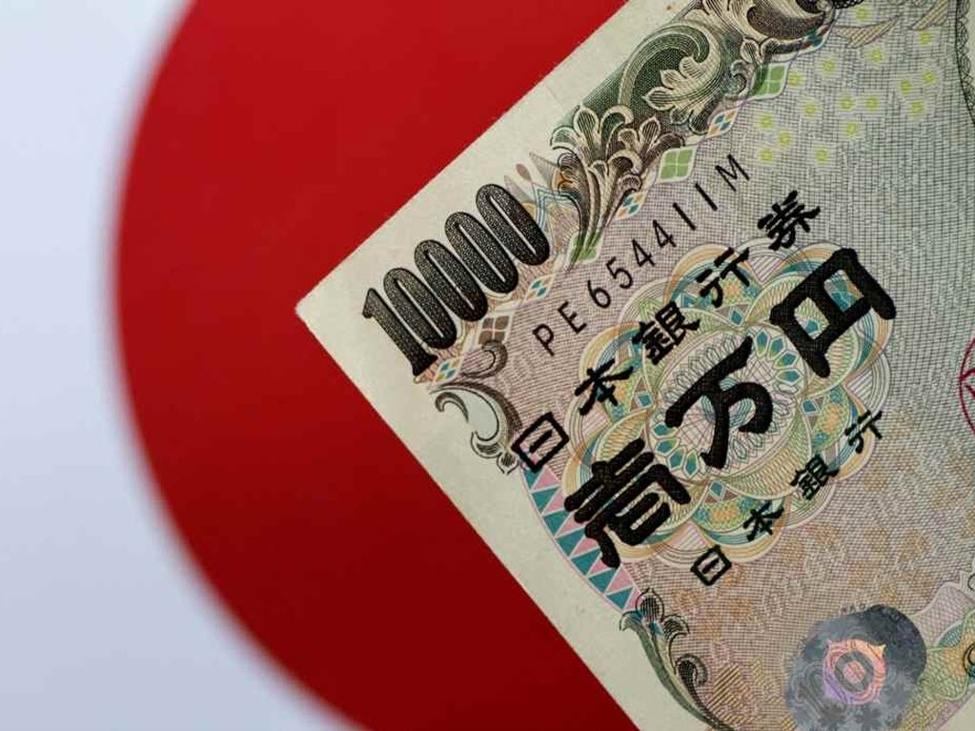
Tokyo intervention looms large as USD/JPY nears 160 mark
Just about everything has gone wrong for Japan ever since the US-Iran conflict started. The war in the Middle East has not only caused a surge in oil prices, hampering supply to the Japanese economy, but also thrown plans by both the Ministry of Finance (MOF) and Bank of Japan (BOJ) into disarray.The Japanese yen currency has struggled in the past two weeks, not least with the economic outlook being downgraded but also as BOJ rate hike odds fade despite growing promise ahead of the spring wage negotiations outcome. The latter was meant to tee up the next rate hike by the central bank. However, it is now looking to be just a maybe factor at best amid all else that is happening.In January and February itself, we’ve seen Tokyo officials step in with speculated ‘rate checks’ in pushing back against USD/JPY gains. But in having to consider the US-Iran conflict now, they’ve not yet taken the more decisive step in actually intervening in the market. So far today, all they have done is deliver another verbal warning as seen here.So, what’s next for USD/JPY?As we get closer to the 160 level, it is clear that the pain threshold for the MOF is starting to be reached. That was a clear line that they appeared to have drawn in the weeks before. However, they still also have to pick their battles when they actually do try to intervene in the market. And right now, external forces are working against them. So, that could be one reason to hold back for just a little bit more.As the Takaichi trade remains well anchored, the fear with any intervention is that it might not stay the course. That was the case back in July 2024 when USD/JPY was hit down from above 160 and fell to a low around 140. But by January 2025, the currency pair had recovered all the way back to near 159 before the dollar faltered.In the present situation, the strong negative drag on the yen currency is another factor working against any intervention efforts. And that may be one key reason holding back Tokyo officials for now. They most likely could be waiting, and surely hoping, that the US-Iran conflict settles down soon.All that being said, the closer we get to 160 and test levels above that, it is surely testing the tolerance and patience of the MOF. Having already indirectly drawn a line near the figure level in the past two months, they might be firm to assert their position of authority over markets if traders get a little too frisky in running USD/JPY up above that in quick fashion.So, just keep that in mind as the pair hovers just above 159 now at its highest levels since July 2024. This article was written by Justin Low at investinglive.com. 🔗 Source 💡 DMK Insight Japan’s economy is feeling the heat from the US-Iran conflict, and here’s why that matters for traders: rising oil prices are squeezing supply chains and could lead to inflationary pressures. As oil prices surge, Japan’s already fragile economic recovery could face significant headwinds, impacting everything from consumer spending to export competitiveness. Traders should keep an eye on the Japanese yen, which may weaken further against the dollar as the Bank of Japan grapples with these external pressures. If inflation rises, the BOJ might be forced to reconsider its ultra-loose monetary policy, which could lead to volatility in both forex and equity markets. On the flip side, if oil prices stabilize or decline, it could provide some relief to Japan’s economy, but that seems unlikely in the current geopolitical climate. Watch for key economic indicators from Japan, particularly inflation rates and trade balances, as they could signal shifts in market sentiment. The next few weeks will be crucial for gauging how these external factors play out in the forex market. 📮 Takeaway Monitor the Japanese yen closely; a continued rise in oil prices could weaken it further against the dollar, impacting trading strategies.

ETH leads crypto rally as Bitcoin holds $73K – updated crypto market predictions
Ethereum Analysis Today: ETH Futures Lead Crypto Rally as Bitcoin Holds $73K – Crypto Market Predictions Turn Cautiously BullishIf you have been following investingLive Crypto, you’ve already been an early bull 2+ weeks ago but now the other bulls are joining in. Recent analysis from investingLive shows that the current bullish momentum actually began building early in March. As early as March 4, Bitcoin was already testing range highs near $70,000 while Ether was quietly improving its underlying structure after reclaiming the $2,000 level. Despite a “risk-off” global shock that sent traditional markets reeling, the crypto complex exhibited a stubborn refusal to collapse, with Bitcoin eventually stabilizing above $70,000 and Ether maintaining its resilience throughout the macro uncertainty.Technical indicators progressively shifted from neutral to a mild bullish bias as both assets reclaimed critical moving averages and volume levels. While Bitcoin wrestled with its range ceiling, order flow analysis for Ethereum revealed a steady migration of fair value higher, confirming that the upside bias was firmly intact. For those following the technical map, the overarching message was that the market was choosing to “bend but not break,” rewarding flexible traders who prioritized price action over the prevailing negative news cycle.Ethereum analysis and Bitcoin analysis: crypto market surgesIn today’s Ethereum analysis and Bitcoin analysis, the crypto market is seeing strong upside momentum, led by Ethereum futures.Ethereum futures price: around $2,270Bitcoin futures price: around $73,995Ethereum is gaining roughly 7% on the day, significantly outperforming Bitcoin and highlighting renewed risk appetite across the broader crypto market.This relative strength is important for crypto market predictions, because Ethereum often leads during periods when traders rotate into higher-beta digital assets.However, after such a strong move, part of the bullish momentum is already reflected in current prices, meaning some of the upside may already be priced in for the short term.Ethereum analysis: underlying activity suggests buyers gaining controlFrom an Ethereum futures analysis perspective, recent trading activity suggests buyers have been gradually gaining control.Several sessions showed:Strong buying participation emerging during pullbacksSelling attempts failing to push price meaningfully lowerIncreasing acceptance of higher price levelsThis pattern suggests that demand has been quietly accumulating beneath the surface rather than chasing price after the breakout.Another constructive sign for Ethereum comes from the migration of key participation zones higher.Earlier trading activity clustered around:1,975 to 2,075More recently, activity has shifted toward:2,125 to 2,175and now 2,225 to 2,275When the market repeatedly builds new trading activity at higher levels, it often signals growing confidence among buyers.Bitcoin analysis: BTC holds structure but momentum is slowerIn this Bitcoin analysis, BTC futures are also moving higher, but the advance has been more measured.Bitcoin has remained broadly stable while Ethereum accelerates. This often happens during crypto rallies where capital rotates from Bitcoin into Ethereum and other digital assets.For traders following Bitcoin price predictions, the key takeaway is that Bitcoin continues to maintain its broader structure even without aggressive buying pressure.That stability often supports continued upside in the overall crypto market trend.Crypto market predictions: Ethereum leadership expands risk appetiteOne of the most notable signals in today’s crypto market analysis is Ethereum’s strong outperformance versus Bitcoin.When Ethereum leads the market higher, it typically indicates:Increasing risk appetite among crypto tradersExpanding participation across the digital asset marketMomentum spreading beyond Bitcoin aloneHistorically, these conditions tend to support continued crypto market strength, although short-term consolidations are common after sharp rallies.Ethereum price prediction: key levels to watchFor traders monitoring Ethereum price predictions, several important levels stand out.Key areas include:2,275 to 2,300 – immediate resistance zone2,175 – recent breakout support2,075 – deeper structural supportHolding above 2,175 keeps the bullish Ethereum structure intact.Bitcoin price prediction: critical support zonesFor Bitcoin price predictions, the most important reference levels currently include:73,750 to 74,500 – near-term resistance zone72,750 – recent participation pivot71,250 to 71,750 – strong support bandAs long as Bitcoin holds above the lower support area, the broader crypto market outlook remains constructive.Crypto market scenariosBullish crypto market scenarioIf Ethereum continues holding above 2,175 and buyers absorb pullbacks, the crypto market could see further upside momentum.In this case, Ethereum would likely continue leading the rally while Bitcoin gradually follows.Bearish crypto market scenarioThe bullish crypto market prediction would weaken if:Ethereum falls below 2,075Bitcoin loses the 71,750 support zoneSelling pressure begins generating sustained downside follow-throughThat would suggest the current rally was driven more by short covering than long-term demand.Crypto market predictions: bias scoreCrypto market bias score: +3 (moderately bullish)Under normal conditions, the underlying activity could justify a stronger bullish score. However, because Ethereum has already rallied sharply today, part of the upside momentum is already priced into the market.For that reason, the outlook remains bullish but not aggressively bullish at current levels.A period of consolidation would likely be healthy before the next directional move.Bias scale: scores range from -10 (extremely bearish) to +10 (extremely bullish) and reflect the balance between buying and selling pressure rather than a guaranteed price prediction.What could change the crypto market outlookThe outlook for Bitcoin, Ethereum, and the broader crypto market would change if:Ethereum begins accepting prices below 2,075Bitcoin falls below 71,750Strong selling pressure appears with sustained downside momentumRisk noteThis analysis is intended for educational and decision-support purposes only. It is not financial advice. Markets are inherently uncertain, and all trading and investing decisions carry risk.For real-time trade ideas, follow-ups, and market insights across stocks, indices, commodities, and crypto, check out the investingLive Stocks Telegram channel. Trade ideas are shared for educational purposes only and at your own risk.https://t.me/investingLiveStocks This article was written by Itai Levitan at investinglive.com. 🔗 Source 💡 DMK Insight Ethereum’s recent surge to $2,275.68 is more than just a number—it’s a signal that bulls are gaining momentum. With ETH futures leading the charge, this rally could indicate a broader shift in market sentiment, especially as Bitcoin holds steady around $73K. Traders should be aware that this bullish behavior in ETH could attract more retail and institutional interest, potentially pushing prices higher. Watch for key resistance levels around $2,400, as a breakout here could trigger further buying. On the flip side, if ETH fails to maintain this momentum,

Binance's 'Wait and See' Strategy: Richard Teng's Comments on U.S. Market Prospects
It’s been several years since Binance’s global operation left the US market. But at the WEF this year, Co-CEO Richard Teng implied to CNBC that the company will consider returning under the right conditions. With the global spotlight on the US and its GENIUS Act and the potential for an upcoming Clarity Act advancement, it’s clear that regulators still have a long way to go before they can potentially bring big players like Binance back into the fold.“Wait and See” ApproachIn January, CNBC interviewed Richard Teng while he was in Davos for the World Economic Forum 2026. When asked about Binance’s future and if there are any plans to return to the US, Teng said that Binance is taking a “wait and see” approach. The company left the US market in 2023 and has not shared any official plans to return. Instead, the company has been posturing itself towards the US in a manner that is cautious but open-minded. As part of its State of the Blockchain 2025 year-end report, several Binance officers commented on the need for more legal clarity while not directly touching on the US itself.The Binance General Counsel Eleanor Hughes said on the issue of regulatory needs, “Digital assets are evolving into strategic financial tools… This trend will accelerate as institutions diversify into altcoins and governments implement clearer regulations and pilot programs, including CBDCs.”In other words, the regulations need to come first. Once those are in place, companies like Binance can easily deploy technologies and strategies that grow the market at scale.Source: https://www.elliptic.co/blog/a-world-of-crypto-regulation-at-a-glanceSpeaking on risks that all blockchain companies face, the CLO added: “The risk landscape can be addressed through four pillars: clear and consistent regulation, active collaboration between industry and policymakers, stronger platform security infrastructure, and widespread user education.”The company isn’t shy about boasting its successes in other markets where regulatory clarity is already in place. In the year-end report, the Binance Head of VIP & Institutional Catherine Chen said, “Binance has demonstrated how regulation and scale can coexist”, meaning it’s not an either-or scenario. Binance Succeeds Where Frameworks are in PlaceThe list of countries where Binance is available to users is lengthy. It’s far longer than the list of countries where the service is not available, which includes the US, North Korea, Iran, Cuba, and a few others.In a separate interview at Davos with CNBC-TV18, Teng said that the company has 300 million users currently and is gaining around 60 million new sign-ups per year. The demand for the company’s services is clearly there and growing, but the US is still on the short list of locations where Binance is unavailable. Without speculating on what the company may do in the future, it is safe to say that the potentially upcoming Clarity Act could greatly change the regulatory environment for all companies in the US that handle crypto or other digital assets.Among the goals the legislation is aimed at meeting are to finally define with absolute specificity what digital assets are. For example, which are securities, commodities, and stablecoins? Which governmental body is responsible for overseeing the market, the SEC or the Clarity Act’s proposed change to the CFTC? Further, the act contains language that would give the federal government the ability to supersede state laws on crypto. This means that if a company runs afoul of a state law but is in compliance with the federal laws, then the federal laws will prevail. This type of legislation can protect both companies and users.The Impact of US Legislation on the Global Crypto MarketSpeaking on the issue of creating regulatory clarity with CNBC-TV18, Teng said that “once the US does it, the rest of the world will be forced to sit up and take notice.” He also commented on the US that with it being “the champion by fostering growth, talent density and innovation”, the country is poised to be “at the leading edge” of the crypto world. Teng spoke positively about the US and its potential as a crypto hub, but so far the company has remained quiet on the idea of returning. His “wait and see” strategy he touched on in the other interview suggests that perhaps the company isn’t ruling out the idea of returning entirely. So far, the company has not yet made any statements about intent or timelines for returning to the US. This article was written by IL Contributors at investinglive.com. 🔗 Source 💡 DMK Insight Binance’s potential return to the US market could shake up the crypto landscape significantly. Co-CEO Richard Teng’s comments at the WEF suggest that Binance is open to re-entering the US under favorable conditions, which could be a game changer for traders. If this happens, it might lead to increased liquidity and trading volume as Binance is one of the largest exchanges globally. Traders should keep an eye on regulatory developments, particularly surrounding the GENIUS Act, which could influence Binance’s decision. A successful re-entry could also impact related assets, such as Bitcoin and Ethereum, as increased access to trading platforms often correlates with price movements. However, there’s a flip side—if regulatory hurdles remain high, Binance’s plans could stall, leading to uncertainty in the market. Traders should monitor key regulatory announcements and Binance’s official statements closely. Watch for any price movements in major cryptocurrencies as speculation around Binance’s US operations unfolds. 📮 Takeaway Keep an eye on Binance’s regulatory developments and the GENIUS Act; a return could boost crypto liquidity and volatility.

China reaffirms that they are in communication with US on Trump's visit
As a reminder, US president Trump is scheduled to make a visit to China from 31 March to 2 April. Beijing has not officially confirmed the dates but it seems like the visit will still take place regardless. After all, it’s now a case of Trump needing to do so or risk losing face. That especially after the US Supreme Court shot down his tariffs, which now gives China more leverage on their end.Top officials from both sides met in Paris over the weekend, with reports suggesting that talks were “remarkably stable” and that they were “candid and constructive”.With Trump and Xi set to meet for the first time since October last year, both sides will want to lay out more “progress” on both trade and economic ties surely. But as mentioned before, all of this is going to be for show more than anything else. It’s all about putting on an act and performing the necessary theatrics in telling a story to the world.On the Chinese side, it seems that they will continue to promise to step up purchases of US agricultural goods. However, we all know that this has been a lie and a strategy that they’ve been using time and time again to try and appease US lawmakers since 2018 already. Remember the whole Phase One trade deal? Yeah, I wouldn’t blame anyone for forgetting about that as it has become irrelevant at this stage.Some added gestures of goodwill are also likely to follow from both sides. Either way, all of this will just be formulated in a way to let Trump boast and take home a “win” in his books at least. But in actuality, this whole thing will just be an act and the status quo between both sides will very much remain as it has been since last year. This article was written by Justin Low at investinglive.com. 🔗 Source