
 Bitcoin
  Ethereum
  Tether
  BNB
BNB  XRP
XRP  USDC
USDC  Solana
  TRON
TRON  Lido Staked Ether
  Figure Heloc
FUNDAMENTAL OVERVIEWThe S&P 500 went back into risk aversion in the final part of last week as prospects of a quick end to the war faded and oil prices resumed the upward trend towards triple digit levels. The market continues to be driven solely by the US-Iran war and the disruption in the Strait of Hormuz. As of now, there’s no real solution in sight.The longer this war drags on, the greater the negative impact will be on the economy and the stock market, especially given the Fed’s inability to cut rates without risking another inflationary wave.The bulls should just wait for Trump to fold and end the hostilities as that will highly likely trigger a strong relief rally. Until then, the bearish bias will likely persist.S&P 500 TECHNICAL ANALYSIS – DAILY TIMEFRAMEOn the daily chart, we can see that the S&P 500 fell back below the 6,760 zone as risk aversion returned and eventually dropped close to monthly lows. The target for the sellers should be the November lows around the 6,540 level. If the price gets there, we can expect the buyers to step in with a defined risk below the support to position for a rally back into the 6,760 resistance. S&P 500 TECHNICAL ANALYSIS – 4 HOUR TIMEFRAMEOn the 4 hour chart, we have a downward trendline defining the bearish structure. If the price pulls back to the trendline, we can expect the sellers to lean on the trendline with a defined risk above it to keep pushing into new lows. The buyers, on the other hand, will look for a break higher to increase the bullish bets into new all-time highs. S&P 500 TECHNICAL ANALYSIS – 1 HOUR TIMEFRAMEOn the 1 hour chart, we have a minor downward trendline defining the bearish momentum on this timeframe. We can expect the sellers to lean on the trendline with a defined risk above it to keep pushing into new lows and increase the bearish bets on the break of the swing low around the 6,650 level. The buyers, on the other hand, will look for a breakout to pile in for a rally into the next major trendline. The red lines define the average daily range for today.UPCOMING CATALYSTSOn Wednesday we have the US PPI report and the FOMC policy decision. On Thursday, we get the latest US Jobless Claims figures. The focus remains on the US-Iran war, so keep an eye on the headlines, especially those regarding the Strait of Hormuz. This article was written by Giuseppe Dellamotta at investinglive.com. 🔗 Source 💡 DMK Insight With SOL at $93.80, the S&P 500’s risk aversion signals potential volatility ahead. The recent uptick in oil prices and the ongoing US-Iran conflict are creating a precarious environment for equities, which could spill over into crypto markets. Traders should be aware that SOL’s performance may be influenced by broader market sentiment, especially if risk-off behavior persists. If the S&P 500 continues to decline, we might see a flight to safety that could impact altcoins like SOL, especially if they’re perceived as higher-risk assets. Watch for SOL to hold above $90 as a critical support level; a drop below that could trigger further selling pressure. On the flip side, if oil prices stabilize or the geopolitical situation improves, we could see a rebound in risk appetite, potentially lifting SOL back towards its recent highs. Keep an eye on the correlation between oil prices and crypto sentiment, as shifts in one can lead to reactions in the other. The next few days will be crucial, so monitor the S&P 500 closely for signs of stabilization or further decline. 📮 Takeaway Watch SOL closely around the $90 support level; a break could lead to increased selling pressure amid ongoing geopolitical tensions.
Gold Price Prediction 2026: How High Can Gold Go This Year?
What Is Gold Trading at Today? Gold has been on a historic run, crossing the $5,000 mark for the first time in early 2026. That milestone reflects years of steady The post Gold Price Prediction 2026: How High Can Gold Go This Year? appeared first on NFT Evening. 🔗 Source 💡 DMK Insight Gold’s recent surge past $5,000 is more than just a number—it’s a signal of shifting market dynamics. With inflation fears and geopolitical tensions driving demand for safe-haven assets, traders need to reassess their positions. This historic milestone could attract both retail and institutional investors, potentially leading to increased volatility in related markets like silver and cryptocurrencies. But here’s the catch: while the bullish sentiment is palpable, it’s crucial to watch for resistance levels around $5,200. A failure to maintain momentum above this point could trigger profit-taking and a pullback. Moreover, if gold’s rally is fueled by speculative trading rather than fundamental demand, we might see a sharp correction. Keep an eye on economic indicators like inflation rates and central bank policies, as these will heavily influence gold’s trajectory in the coming months. As we move forward, monitor the $5,200 resistance closely. A breakout could signal further upside, while a rejection might lead to a retracement. The next few weeks will be critical for establishing whether this rally has legs or if it’s a flash in the pan. 📮 Takeaway Watch for gold’s resistance at $5,200; a breakout could lead to further gains, while a rejection may trigger a pullback.

CLARITY Act risks handing crypto to centralized players: Gnosis exec
The legislation assumes that all crypto activity must pass through financial intermediaries licensed by the US government, warns Gnosis co-founder. 🔗 Source 💡 DMK Insight The push for all crypto transactions to go through licensed intermediaries is a game changer for traders. This legislation could significantly impact liquidity and trading strategies, especially for those relying on decentralized platforms. If intermediaries are mandated, expect increased costs and potential delays in transactions, which could deter retail traders and shift market dynamics. Moreover, this could create a ripple effect in related markets, like DeFi, where the essence of decentralization is challenged. Traders should keep an eye on regulatory developments and how major exchanges respond. Here’s the kicker: if this legislation gains traction, it might lead to a consolidation of power among a few licensed entities, potentially stifling innovation. Watch for key announcements from regulatory bodies and any shifts in trading volumes on decentralized exchanges versus centralized ones. The next few weeks could be pivotal as the market reacts to these changes. 📮 Takeaway Monitor regulatory updates closely; a shift to licensed intermediaries could reshape trading strategies and liquidity in the crypto market.

US ban on stablecoin yield could see others fill the void: Ledger exec
Ledger’s Asia-Pacific lead, Takatoshi Shibayama, has added his take as crypto and banks continue to debate whether to allow third-party platforms to offer stablecoin yields. 🔗 Source 💡 DMK Insight The ongoing debate over stablecoin yields is heating up, and here’s why it matters: With ETH currently at $2,276.62, traders should pay close attention to how regulatory decisions impact the broader crypto market. If banks start allowing third-party platforms to offer yields on stablecoins, it could lead to increased liquidity and adoption, pushing prices higher. Conversely, if regulations tighten, we might see a pullback. This situation is particularly relevant as we approach the end of the month, a time when many traders reassess their positions. Look for potential ripple effects on related assets like USDC or DAI, which could see volatility based on these regulatory outcomes. A key level to watch is $2,300 for ETH; a break above could signal bullish momentum, while a drop below $2,200 might trigger caution among traders. Keep an eye on institutional sentiment as well, as their moves could dictate market direction in the coming weeks. 📮 Takeaway Watch ETH closely around the $2,300 level; regulatory decisions on stablecoin yields could drive significant price action.

Australia warns of AI, ‘finfluencers’ as Gen Z crypto ownership reaches 23%
Australia’s securities regulator said two-thirds of Gen Z are using social media to make decisions about their financial future, leading to “riskier” financial decisions. 🔗 Source 💡 DMK Insight Gen Z’s reliance on social media for financial decisions is a game changer for markets. This trend highlights a shift in how younger investors approach trading, often leading to riskier choices. With two-thirds of this demographic influenced by social platforms, we could see increased volatility in stocks and cryptocurrencies as they react to trends rather than fundamentals. This behavior might amplify price swings, especially in speculative assets. Traders should keep an eye on social media sentiment indicators and trading volumes, particularly in sectors popular with Gen Z, like tech and green energy. But here’s the flip side: while this could lead to short-term gains for savvy traders, it also raises the risk of sudden market corrections as these investors may exit positions quickly if trends shift. Monitoring key levels in these assets will be crucial. Watch for how social media trends correlate with price movements over the next few weeks, as this could signal potential entry or exit points for more experienced traders. 📮 Takeaway Keep an eye on social media sentiment and trading volumes in Gen Z-favored sectors to anticipate potential volatility and trading opportunities.

Australian Senate committee backs crypto platform licensing bill
Australia is moving closer to a new licensing regime that would bring crypto exchanges and tokenization platforms into the Australian Financial Services Licence regime. 🔗 Source 💡 DMK Insight Australia’s potential licensing regime for crypto exchanges is a game-changer for traders. This move could legitimize the market, attracting institutional players who have been hesitant due to regulatory uncertainty. If implemented, it might lead to increased liquidity and more robust trading environments. Traders should keep an eye on how this affects the broader crypto market, particularly Bitcoin and Ethereum, as regulatory clarity often leads to price rallies. However, there’s a flip side: increased regulation could also mean tighter controls on trading practices, which could dampen some of the speculative trading strategies that many day traders rely on. Watch for any announcements regarding the specifics of this licensing regime, as they could impact market sentiment and trading volumes significantly in the coming weeks. Key levels to monitor will be the response from major exchanges and how they adapt to these changes, which could set the tone for future regulatory developments globally. 📮 Takeaway Keep an eye on Australia’s licensing developments; they could signal increased institutional interest and impact crypto liquidity in the coming weeks.
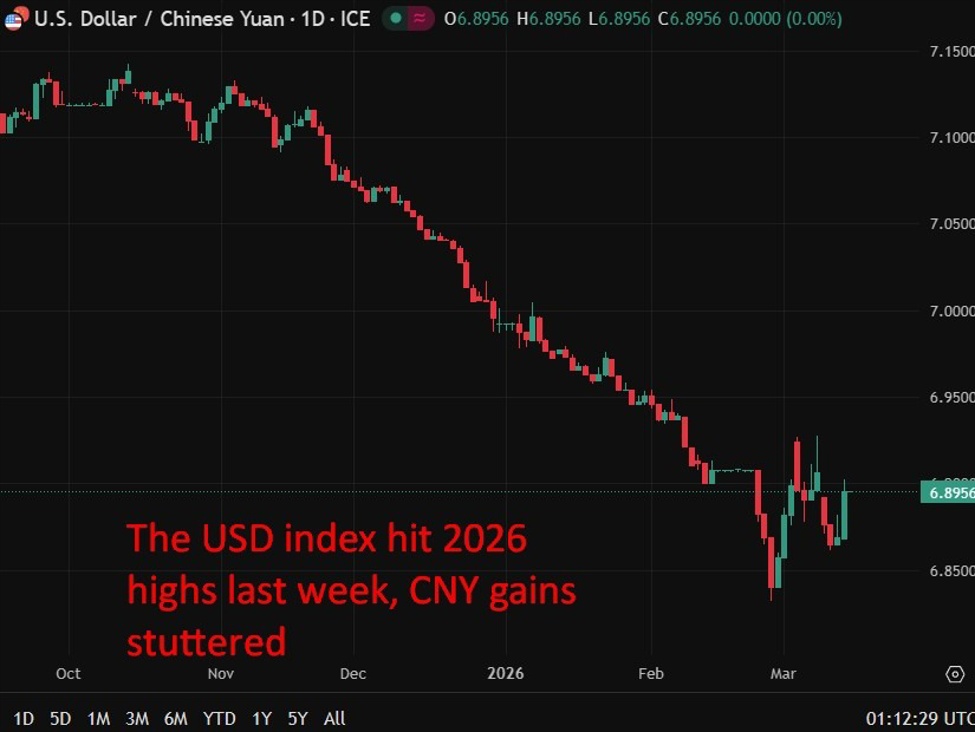
PBOC sets USD/ CNY reference rate for today at 6.9057 (vs. estimate at 6.9061)
The PBOC allows the yuan to fluctuate within a +/- 2% range, around this reference rate. PBOC injects 137.3bn yuan in 7-day reverse repos at 1.4% (unchanged) in open market operations This article was written by Eamonn Sheridan at investinglive.com. 🔗 Source 💡 DMK Insight The PBOC’s recent injection of 137.3 billion yuan signals a proactive stance in managing liquidity, and here’s why that matters: By maintaining the reverse repo rate at 1.4%, the central bank is clearly aiming to stabilize the yuan amidst ongoing global economic uncertainties. This move could provide short-term support for the currency, especially as traders watch for any signs of volatility. The +/- 2% fluctuation range indicates that the PBOC is willing to intervene if the yuan strays too far from its target, which could lead to increased trading activity around this level. For forex traders, this means keeping an eye on the yuan’s performance against major currencies, particularly the USD, as any significant deviation could trigger trading opportunities. However, it’s worth noting that while this liquidity injection may provide temporary relief, it doesn’t address underlying economic pressures. If inflation continues to rise or if trade tensions escalate, the yuan could face downward pressure despite these measures. Traders should monitor the yuan closely, especially around key economic data releases, as these could influence the PBOC’s future actions and market sentiment. 📮 Takeaway Watch the yuan’s performance against the USD closely; any significant movement outside the +/- 2% range could present trading opportunities.

Chinese house price slump continues: -3.2% y/y in February (-3.1% prior)
China New Home Prices February 2026-0.28% m/m (prior -0.37%)-3.2% y/y (prior -3.1%Used Home Prices-0.43% m/m (prior –0.54%)Still to come: This article was written by Eamonn Sheridan at investinglive.com. 🔗 Source 💡 DMK Insight China’s new home prices slipping 0.28% month-over-month is a red flag for traders: This decline, albeit slightly better than the previous month’s drop of 0.37%, signals ongoing weakness in the property market. With year-over-year prices down 3.2%, the trend suggests that consumer confidence remains shaky, impacting demand for new homes. For traders, this could mean a bearish outlook on related sectors, particularly construction and materials. If this trend continues, we might see ripple effects on commodities like steel and copper, which are heavily tied to construction activity. Keep an eye on the broader economic indicators as well; if the property market continues to falter, it could prompt further easing measures from the Chinese government, which might influence forex pairs like USD/CNY. Watch for key support levels in the housing market and any policy announcements that could shift sentiment. The next few months will be crucial for gauging whether this is a temporary dip or a sign of deeper economic issues. 📮 Takeaway Monitor China’s housing market closely; a sustained decline could impact commodities and forex, especially USD/CNY, in the coming months.
Strait of Hormuz ship traffic collapses to zero amid conflict, energy corridor shuts
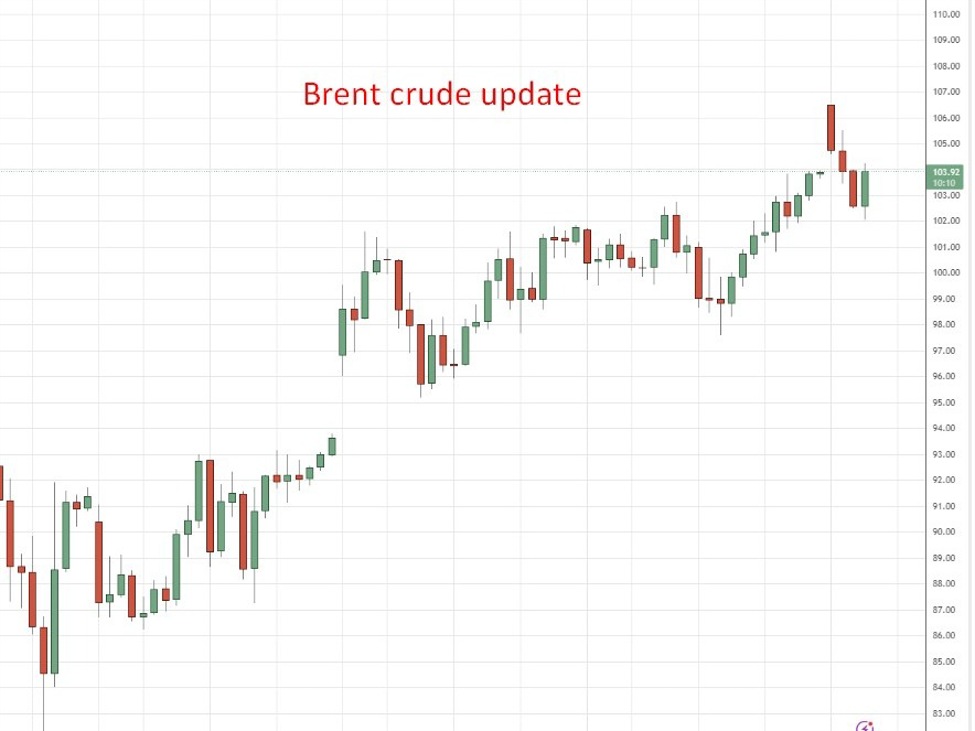
Shipping through the Strait of Hormuz has halted for the first time since the conflict began, underscoring the scale of disruption to a key global energy corridor.Summary:Ship traffic through the Strait of Hormuz dropped to zero on Saturday.The shutdown marks the first halt in transits since the war began on February 28.AIS data from Windward showed no confirmed vessel crossings.Normally about 77 ships pass through the strait each day.Traffic had already fallen sharply during the conflict’s second week.The corridor carries about 20% of global oil and gas shipments.Energy markets are closely watching whether shipping resumes.Shipping traffic through the Strait of Hormuz has effectively come to a halt for the first time since the conflict involving Iran escalated late last month, highlighting the severe disruption to one of the world’s most important energy corridors.Data from maritime analytics firm Windward showed that no vessels were recorded transiting the strait on Saturday, marking the first day since the war began on February 28 that ship movements fell to zero.The figures are based on automatic identification system (AIS) signals transmitted by vessels, which normally allow shipping activity to be tracked in real time. According to Windward’s analysis, no AIS signals confirmed ships passing through the narrow waterway during the period.Under normal conditions, the Strait of Hormuz is among the busiest energy transit routes in the world. The corridor connects the Persian Gulf to global markets and carries roughly one-fifth of global oil and liquefied natural gas shipments.On average, around 77 vessels typically cross the strait each day.However, traffic began to decline sharply following the outbreak of hostilities between Iran and the United States and Israel. By the second week of the conflict, daily crossings had already fallen dramatically, averaging just 2.7 ships per day.The collapse in shipping activity underscores the extent to which escalating security risks have disrupted maritime trade in the region. Attacks on vessels and rising military tensions have led many shipping companies and insurers to avoid the route altogether.The near-total shutdown of traffic through the strait has intensified concerns in global energy markets, as prolonged disruption could restrict access to a critical supply channel for crude oil and liquefied natural gas.The Strait of Hormuz is a key export route for major Gulf energy producers including Saudi Arabia, the United Arab Emirates, Kuwait and Iraq.Any sustained interruption to flows through the waterway could tighten global energy supplies and amplify volatility in oil markets, which have already surged in response to the conflict.Traders and policymakers are now closely monitoring whether international efforts to secure the corridor can restore shipping activity in the coming days. Trump is scrambling:Trump on his knees. Begging for help from China, EU, UK, NATO on Hormuz.Oil lower to fill gap as Trump presses allies for Hormuz help This article was written by Eamonn Sheridan at investinglive.com. 🔗 Source 💡 DMK Insight The halt in shipping through the Strait of Hormuz is a game changer for energy markets. With zero ship traffic reported, traders need to brace for potential spikes in oil prices. This disruption affects not just crude oil but also broader commodities, as the Strait is a vital artery for global energy supplies. If this situation persists, we could see Brent crude testing resistance levels significantly above current prices, especially if geopolitical tensions escalate further. Keep an eye on the daily charts for any breakout patterns that could signal a sustained rally. On the flip side, if the halt is resolved quickly, we might see a swift correction. But for now, the risk of supply shocks is real, and traders should monitor OPEC’s response and any strategic reserves that might come into play. Watch for key price levels around recent highs, as they could serve as critical indicators for market sentiment moving forward. 📮 Takeaway Monitor Brent crude prices closely; a sustained halt in Hormuz traffic could push prices above recent highs, signaling a potential buying opportunity.

China industrial output beats forecasts as property slump deepens
China’s industrial output, retail sales and investment beat expectations early in 2026, but the property sector remained deeply in contraction.Summary:China’s industrial output rose 6.3% y/y, beating forecasts of 5.0% and accelerating from December’s 5.2%.Retail sales increased 2.8% y/y, above the 2.5% forecast and up from December’s 0.9%.Fixed-asset investment rose 1.8% y/y versus expectations for a 2.1% decline.Infrastructure investment surged 11.4% y/y.Private-sector investment fell 2.6% y/y.Property investment dropped 11.1% y/y after a 17.2% decline in 2025.Property sales fell 13.5%, construction starts slid 23.1%, and developer funding dropped 16.5%.China’s economic activity showed mixed momentum at the start of 2026, with industrial production and retail sales beating expectations while the country’s troubled property sector remained under significant pressure.Data released by the National Bureau of Statistics showed industrial output grew 6.3% year-on-year in the January–February period. The result exceeded the 5.0% increase expected in a Reuters poll and accelerated from December’s 5.2% growth, suggesting manufacturing activity strengthened early in the year.Retail sales, a key gauge of consumer demand, rose 2.8% from a year earlier. That also topped forecasts of 2.5% and represented a notable improvement from December’s 0.9% increase, indicating some stabilisation in household spending.Investment data also surprised on the upside. Fixed-asset investment rose 1.8% year-on-year in the first two months of 2026, defying expectations for a 2.1% decline. The result marks a rebound after investment contracted 3.8% in 2025.Infrastructure spending remained a major driver of investment, rising 11.4% from a year earlier. However, private-sector investment continued to weaken, falling 2.6% year-on-year and underscoring lingering caution among businesses.Despite the stronger headline activity data, the property sector remains a major drag on China’s economy.Property investment fell 11.1% year-on-year in the January–February period, according to official figures, extending the sector’s prolonged downturn. The decline follows a sharp 17.2% contraction recorded in 2025.Housing demand also remained weak. Property sales measured by floor area dropped 13.5% compared with the same period a year earlier, a steeper fall than the 8.7% decline recorded in 2025.Construction activity continued to deteriorate as well. New housing starts plunged 23.1% year-on-year, worsening from a 20.4% drop last year.Funding conditions for developers remain tight. Funds raised by real estate firms fell 16.5% during the period after declining 13.4% in 2025.The latest data highlights the uneven nature of China’s economic recovery, with industrial production and infrastructure investment providing support while the property sector continues to weigh heavily on growth. This article was written by Eamonn Sheridan at investinglive.com. 🔗 Source 💡 DMK Insight China’s stronger-than-expected industrial output and retail sales are a mixed bag for traders: While a 6.3% rise in industrial output and a 2.8% increase in retail sales signal resilience, the ongoing contraction in the property sector raises red flags. This divergence suggests that while manufacturing and consumer spending are gaining momentum, the real estate woes could dampen overall economic recovery. Traders should be cautious; the property sector’s struggles could lead to tighter liquidity and affect broader market sentiment. For those trading commodities or related equities, keep an eye on how these figures influence the yuan and commodities like copper and steel, which often react to industrial activity. Watch for key resistance levels in the yuan against the dollar, particularly if the property sector’s issues escalate. The next few weeks will be crucial as we see if this industrial growth translates into sustained economic momentum or if the property sector’s contraction drags everything down. 📮 Takeaway Monitor the yuan’s performance against the dollar and watch for any signs of further contraction in the property sector, as this could impact market sentiment significantly.