
 Bitcoin
  Ethereum
  Tether
  BNB
BNB  XRP
XRP  USDC
USDC  Solana
  TRON
TRON  Lido Staked Ether
  Figure Heloc
Regulatory uncertainty around stablecoins may disadvantage banks, as crypto firms continue expanding while financial institutions wait for clearer rules. 🔗 Source 💡 DMK Insight Regulatory uncertainty is creating a gap between crypto firms and traditional banks, and here’s why that matters: As crypto companies push forward with innovation, banks are stuck in a holding pattern, waiting for clearer regulations on stablecoins. This could lead to a significant shift in market dynamics, where crypto firms gain a competitive edge. If banks can’t adapt quickly, they risk losing clients to more agile crypto alternatives. Traders should keep an eye on any regulatory announcements, as these could trigger volatility in both crypto and banking stocks. For instance, if a major stablecoin faces regulatory scrutiny, it could impact related assets like Bitcoin or Ethereum, which often move in tandem with stablecoin activity. On the flip side, if regulations favor banks, we might see a resurgence in traditional financial stocks as they adapt to the changing landscape. Watch for any price movements around key announcements or hearings, particularly in the next few weeks, as this could set the stage for significant trading opportunities. 📮 Takeaway Monitor regulatory developments closely; any clarity on stablecoins could lead to volatility in both crypto and banking sectors, especially in the coming weeks.
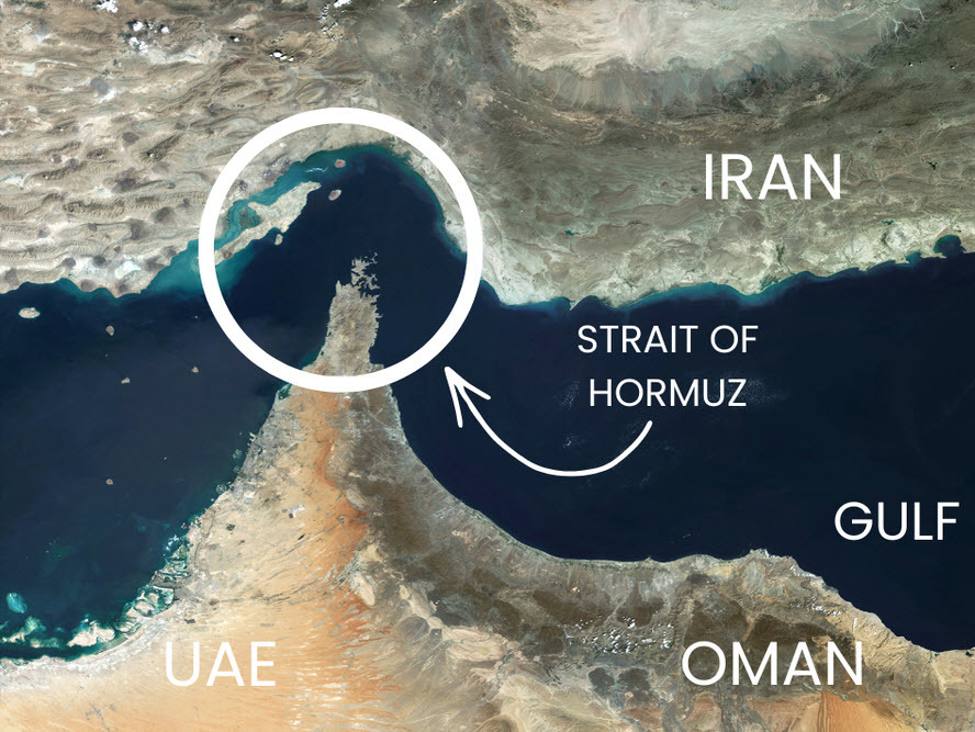
Trump ask China and others for help in opening Strait of Hormuz
Every military analyst in the world warned that Iran would try to shut down the Strait of Hormuz but Trump evidently didn’t prepare for it. Now he’s asking for China and other countries for help in opening it.His latest message:Many Countries, especially those who are affected by Iran’s attempted closure of the Hormuz Strait, will be sending War Ships, in conjunction with the United States of America, to keep the Strait open and safe. We have already destroyed 100% of Iran’s Military capability, but it’s easy for them to send a drone or two, drop a mine, or deliver a close range missile somewhere along, or in, this Waterway, no matter how badly defeated they are. Hopefully China, France, Japan, South Korea, the UK, and others, that are affected by this artificial constraint, will send Ships to the area so that the Hormuz Strait will no longer be a threat by a Nation that has been totally decapitated. In the meantime, the United States will be bombing the hell out of the shoreline, and continually shooting Iranian Boats and Ships out of the water. One way or the other, we will soon get the Hormuz Strait OPEN, SAFE, and FREE! President DONALD J. TRUMPThis comes after he announced late yesterday that he bombed military targets on Kharg Island, which is where Iran loads and exports much of its oil. However he didn’t attack the oil infrastructure but said he would “reconsider” if Iran interfered with ships in Hormuz.All this is looking like a bigger mess than ever. He also said that Iran wants to negotiate but he doesn’t want to but that’s a tough one to believe and it’s more likely that Iran has asked for far more than the US is willing to give, including security guarantees. A Reuters report just now says Trump has rejected efforts by Middle East allies to start negotiations and it also says Iran won’t talk until US/Israel strikes stopSo the plan now appears to be for naval escorts through Hormuz but all reports suggest that can’t happen until month end. Even uber-hawk John Bolton (Trump’s former national security advisor) is now criticizing this mission.”I favor regime change in Iran, but I’m deeply worried that inadequate preparation will prevent that goal from being achieved. There seem to be holes in the strategy, from the lack of coordination with the opposition, to the lapse in preparing the American people ahead of the attack,” he writes.In any case, it appears we’re onto Plan B now, which is hope the naval escorts work, though that can’t possibly be a permanent solution. Meanwhile, Iran’s military doesn’t appear to be defeated as vdeos circulating online showed thick clouds of black smoke coming from Fujairah, a coastal city that hosts a major port in the UAE. Iran said the attacks on Kharg Island originated from that country.The thing that scares me here is Russia. They’re an ally of Iran and have every reason to try and prolong this war and send oil prices to the stratosphere. What a mess. This article was written by Adam Button at investinglive.com. 🔗 Source 💡 DMK Insight The potential closure of the Strait of Hormuz could send shockwaves through global oil markets, impacting prices and trader sentiment. With a significant percentage of the world’s oil supply passing through this narrow passage, any disruption could lead to immediate price spikes. Traders should be on high alert for volatility in crude oil futures, particularly if tensions escalate further. Moreover, this situation could affect related assets like the US dollar and emerging market currencies, especially those heavily reliant on oil exports. If Iran’s actions lead to a sustained closure, we might see a shift in trading strategies, with investors flocking to safe havens like gold or the dollar. Keep an eye on key resistance levels in oil prices; a breach above recent highs could trigger a wave of speculative buying. On the flip side, if diplomatic efforts succeed quickly, we could see a sharp reversal in oil prices, creating a potential buying opportunity for those looking to capitalize on short-term fluctuations. Watch for news updates and any shifts in military posturing, as these will be crucial in determining market direction. 📮 Takeaway Monitor crude oil prices closely; any escalation in the Strait of Hormuz situation could lead to significant volatility and potential trading opportunities.
USD/ZAR: Rand unwind extends – ING
ING’s Chris Turner explains that previously popular long South African Rand positions are being unwound as low inflation comes under pressure, volatility rises and precious metals lose momentum. 🔗 Source 💡 DMK Insight Long South African Rand positions are being unwound, and here’s why that matters: With inflation pressures mounting and volatility increasing, traders are reassessing their positions. The Rand, once a favored choice due to its relative stability, is now facing headwinds as precious metals, often seen as a safe haven, lose their luster. This shift could lead to a broader sell-off in emerging market currencies, especially if the trend continues. Traders should keep an eye on the USD/ZAR pair, as a break above recent highs could signal further downside for the Rand. Additionally, the correlation between the Rand and gold prices is worth monitoring; a continued decline in gold could exacerbate the Rand’s weakness. But here’s the flip side: if inflation data turns unexpectedly favorable, it could reignite interest in the Rand, leading to a rapid reversal. Watch for key inflation reports and volatility indicators in the coming weeks, as they could provide critical insights into market sentiment and potential reversals in currency positions. 📮 Takeaway Monitor the USD/ZAR pair closely; a break above recent highs could signal further weakness in the South African Rand.

Asian FX: Energy shock risks weigh on outlook – MUFG
MUFG analysts Lin Li, Michael Wan, Lloyd Chan and Khang Sek Lee highlight that Asian currencies and rates are vulnerable as the Iran conflict threatens Oil supply via the Strait of Hormuz. 🔗 Source 💡 DMK Insight The Iran conflict is shaking up Asian currencies and rates, and here’s why you should care: With tensions in the Strait of Hormuz, oil supply disruptions could send crude prices soaring, impacting inflation and central bank policies across Asia. Traders need to keep an eye on how this plays out, especially with currencies like the Japanese Yen and Australian Dollar, which are sensitive to commodity price shifts. If oil spikes, expect central banks to react, potentially leading to interest rate adjustments that could further destabilize these currencies. On the flip side, if the conflict escalates, safe-haven assets like the US Dollar might strengthen, creating a ripple effect across forex pairs. Watch for key levels in USD/JPY and AUD/USD; a break above certain resistance points could signal a shift in market sentiment. Keep your charts handy and monitor news closely, as volatility could ramp up quickly in response to geopolitical developments. 📮 Takeaway Watch USD/JPY and AUD/USD closely; a spike in oil prices could lead to significant currency shifts in the coming days.

US Dollar Index (DXY) nears 10-month highs amid Middle East tensions
The US Dollar Index (DXY), which measures the Greenback’s value against a basket of six major currencies, extends its advance on Friday and is set for a second consecutive weekly gain amid escalating Middle East tensions, which continue to boost demand for the US Dollar (USD). 🔗 Source 💡 DMK Insight The DXY’s rise signals a flight to safety, and here’s why that matters: With the US Dollar Index gaining for the second week in a row, traders should pay attention to how geopolitical tensions can drive currency movements. The ongoing unrest in the Middle East is pushing investors toward the USD, traditionally viewed as a safe haven. This trend could lead to further strength in the dollar, especially if the situation escalates. Traders might want to consider short positions in currencies negatively correlated with the USD, like the Euro or British Pound, as they may weaken against the dollar’s strength. But don’t overlook the potential for volatility. If tensions ease or if there’s a significant shift in market sentiment, we could see a rapid reversal. Keep an eye on key levels in the DXY—if it breaks above recent highs, it could signal a stronger bullish trend. Conversely, a pullback could provide a buying opportunity for those looking to enter long positions on the dollar. Watch for economic data releases next week that could impact the dollar’s trajectory, particularly any shifts in interest rate expectations from the Fed. 📮 Takeaway Monitor the DXY closely; a break above recent highs could signal further dollar strength, while easing tensions may prompt a reversal.

China: Industrial strength outpaces weak consumption – Commerzbank
Commerzbank’s Senior Economist Dr. Henry Hao expects upcoming China data to confirm a structural divergence: Industrial Production around 5.5% year-on-year, supported by a 21.8% export surge in green tech, versus modest 3.0% retail sales and subdued Fixed-Asset Investment near 1.5%. 🔗 Source 💡 DMK Insight China’s upcoming data is a mixed bag, and here’s why that matters for traders: With industrial production expected to rise 5.5% year-on-year, driven by a robust 21.8% surge in green tech exports, there’s a clear signal of strength in certain sectors. However, the retail sales forecast of just 3.0% and a mere 1.5% in fixed-asset investment suggest a broader economic slowdown. This divergence could impact commodities and currencies tied to Chinese demand, like copper and the Australian dollar. Traders should keep an eye on how these figures play out, especially if they deviate from expectations. A stronger industrial production figure could bolster commodity prices, while weak retail sales might trigger a sell-off in consumer-related stocks. The flip side is that if the data disappoints, we could see a ripple effect across global markets, particularly in sectors sensitive to Chinese growth. Watch for key levels in commodities and related currencies, as a break below recent support could signal further downside. Keep an eye on the release date for these figures, as volatility is likely to spike around that time. 📮 Takeaway Monitor China’s industrial production and retail sales data closely; a divergence could impact commodities and the Australian dollar significantly.

The S&P500 continues to follow mid-term election year seasonality
In our update from December 19 last year, we introduced mid-term election-year seasonality, showing an important peak would be due around April 18. See Figure 1 below. A seasonality chart is based on closing prices and portrays relative price movement. 🔗 Source 💡 DMK Insight April 18 is shaping up to be a key date for market movements, and here’s why: Election-year seasonality often brings volatility, and traders should prepare for potential price swings as we approach this date. Historically, mid-term elections can lead to increased trading activity and shifts in investor sentiment, particularly in sectors sensitive to political changes. As we near April, keep an eye on how major indices respond—if they start trending up or down, it could signal broader market sentiment leading into the election. Also, consider how this may impact correlated assets like commodities or currencies, especially those tied to government policy. If you’re trading equities, watch for any significant price levels around this time, as breakouts or reversals could provide actionable opportunities. The real story is that while many traders might overlook this seasonal trend, those who capitalize on it could gain an edge in their strategies. 📮 Takeaway Mark April 18 on your calendar; it could trigger significant market volatility tied to election-year seasonality.

Bitcoin nearly overtakes $74K, as data suggests bear market is not over
Bitcoin showed remarkable strength throughout the week, but BTC’s correlation to tech stocks and its reactive spot ETF flows suggest the bear market isn’t over yet. 🔗 Source 💡 DMK Insight Bitcoin’s recent surge to $71,127 is impressive, but here’s the catch: its tight correlation with tech stocks could signal trouble ahead. As BTC climbs, it’s essential to monitor how tech equities perform, especially given the broader market’s volatility. If tech stocks falter, BTC could follow suit, potentially dragging it back down. The ongoing spot ETF flows also indicate that institutional interest is still tentative, which means any significant sell-off in equities could lead to a cascade effect on Bitcoin. Traders should keep an eye on key support levels around $68,000; a drop below this could trigger further selling pressure. On the flip side, if Bitcoin can maintain its upward momentum and decouple from tech stocks, it might attract more retail investors looking for a safe haven. Watch for upcoming earnings reports from major tech companies, as these could serve as catalysts for BTC’s next move. 📮 Takeaway Monitor Bitcoin’s support at $68,000; a break below could signal further downside, especially if tech stocks weaken.

Bitcoin beats stocks as Strategy's STRC hints at $776M BTC buying potential
BTC faces bull trap risks due to the formation of a bear flag pattern, with a measured downside target at around $51,000. 🔗 Source 💡 DMK Insight BTC’s current price of $71,127 is flirting with a potential bull trap, and here’s why that matters: The emergence of a bear flag pattern suggests that traders should be cautious. This pattern typically indicates a continuation of the downtrend, with a measured downside target around $51,000. If BTC breaks below key support levels, we could see a swift move toward that target. Traders need to monitor the $68,000 level closely; a drop below this could trigger further selling pressure. On the flip side, if BTC manages to hold above this level, it might attract buyers looking for a rebound, but the risk of a bull trap remains high. Keep an eye on trading volumes as well—if they decrease while BTC is hovering around these levels, it could signal waning interest and support for the current price. The broader market context is also crucial; if equities continue to show weakness, it could spill over into crypto, amplifying the bearish sentiment. Watch for the next few daily closes to gauge whether BTC can maintain its footing or if it’s setting up for a significant pullback. 📮 Takeaway Watch the $68,000 support level closely; a break below could lead BTC down to $51,000.

Bitcoin Hit a Major Milestone—Most Miners Won't Be Around for the Next One
Twenty million Bitcoin mined. One million left. The miners who got us here might not be around for the finish. 🔗 Source 💡 DMK Insight With only one million Bitcoin left to mine, the dynamics of supply and demand are shifting dramatically. As miners approach the end of the Bitcoin supply, their operational viability becomes crucial. Many miners are already facing pressure due to rising energy costs and fluctuating Bitcoin prices. If these miners exit the market, we could see a significant impact on Bitcoin’s price stability, especially if demand remains strong. Historically, supply shocks have led to price surges, but this time, the miners’ exit could create volatility as the market adjusts. Traders should keep an eye on the hash rate and miner profitability metrics, as these will signal the health of the mining ecosystem. If the hash rate drops significantly, it could indicate that miners are shutting down operations, potentially leading to a price spike as supply tightens. Watch for Bitcoin’s price action around key levels—if it breaks above recent highs, it could signal renewed bullish momentum, but a drop below support levels could indicate a bearish trend. 📮 Takeaway Monitor Bitcoin’s hash rate and price levels closely; a significant drop in hash rate could precede price volatility as supply tightens.