
 Bitcoin
  Ethereum
  Tether
  BNB
BNB  XRP
XRP  USDC
USDC  Solana
  TRON
TRON  Lido Staked Ether
  Figure Heloc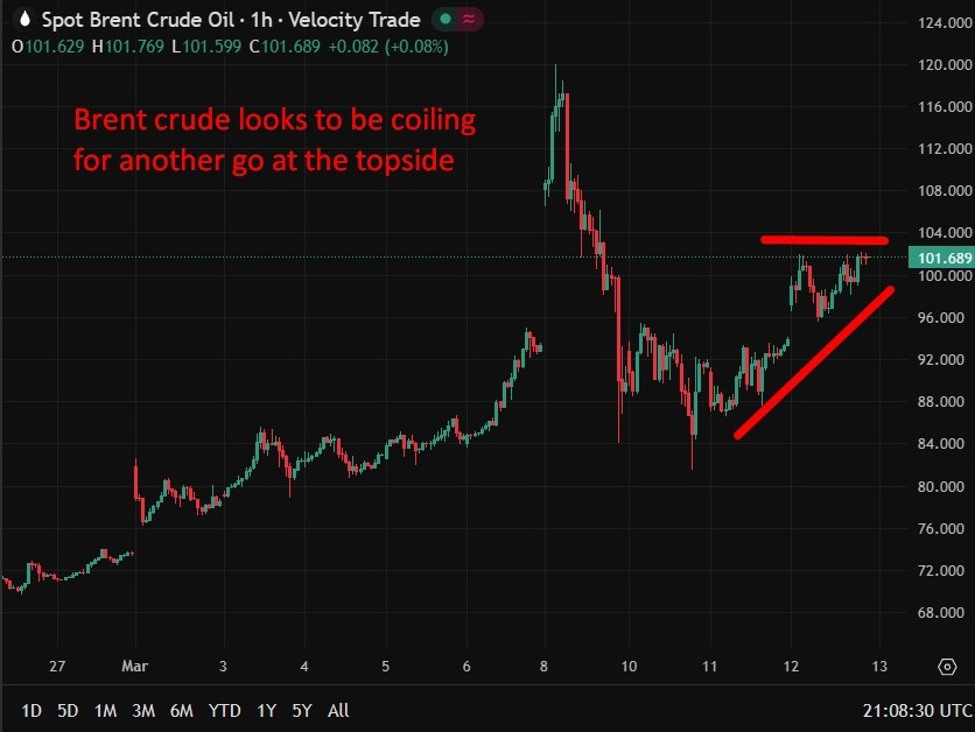
Israeli officials see Iran’s regime holding firm for now, shifting focus toward weakening Tehran’s military rather than expecting imminent political collapse.Info via the Wall Street Journal (gated) Summary:Israeli officials assess Iran’s regime is unlikely to collapse in the near term despite military pressure.Security forces maintain strong control over streets, discouraging protests and limiting dissent.Israel’s military goals are shifting toward weakening Iran’s capabilities rather than triggering regime change.U.S. strategy is increasingly focused on degrading Iran’s nuclear, missile and military infrastructure.Iran continues retaliatory attacks across the region, including strikes on shipping and energy infrastructure.Israeli officials increasingly believe Iran’s ruling system is unlikely to collapse in the near term, despite sustained military pressure and rising tensions across the region. Assessments from Israeli security and government figures suggest that Iran’s leadership still maintains firm control domestically, while conditions for a broad public uprising have not yet materialised.Nearly two weeks into the conflict, Iran’s political and military leadership continues to function and respond to developments, according to people familiar with the assessments. Although the country has faced significant military pressure, Iranian security forces remain deployed in strength across major cities, limiting the scope for protests and discouraging potential dissent.Israeli officials say Iran’s internal opposition appears subdued under this heavy security presence. Demonstrations that might otherwise challenge the regime have been constrained by the risk of arrest or violent suppression. As a result, policymakers in Israel believe any meaningful shift in Iran’s domestic political balance would likely require a much longer period of sustained pressure, potentially spanning weeks or months.Reflecting this assessment, Israeli military officials have begun outlining more limited strategic objectives for the ongoing campaign. Rather than expecting rapid political change in Tehran, the focus has increasingly shifted toward weakening Iran’s military capabilities and reducing the threat it poses to Israel and the broader region.Israeli military spokesman Nadav Shoshani said the armed forces are primarily focused on diminishing threats as much as possible and pushing them further from Israel’s borders. Decisions about broader political outcomes, he suggested, would ultimately occur at other levels beyond the military.At the same time, U.S. officials appear to be converging on a similar strategy. Rather than prioritising immediate regime change, Washington’s current focus has increasingly turned toward degrading Iran’s military infrastructure, including its ballistic missile capabilities and nuclear programme.Despite this recalibration of goals, Israeli Prime Minister Benjamin Netanyahu has continued to publicly encourage Iranian citizens to rise up against the government. In recent remarks, he suggested the coming phase of the conflict could create opportunities for Iranians to determine their own political future.So far, however, the Iranian government has demonstrated resilience. Tehran has continued launching retaliatory strikes across the region, with attacks on shipping and infrastructure raising tensions and disrupting global energy markets. Recent strikes on oil tankers near Iraq and escalating incidents around the Strait of Hormuz have highlighted the broader economic and geopolitical fallout.While pressure on Iran remains intense, Israeli officials currently see little indication that the regime’s grip on power is weakening in the short term. —China’s state media seem to assess that the war hasn’t been a total failure for Trump: This article was written by Eamonn Sheridan at investinglive.com. 🔗 Source 💡 DMK Insight Iran’s regime isn’t crumbling anytime soon, and here’s why that matters for traders: The Israeli assessment suggests a prolonged geopolitical tension, which could impact oil prices and regional markets. If Iran’s military remains intact, we might see continued volatility in crude oil, especially if tensions escalate. Traders should keep an eye on oil futures; any spike in military activity could push prices above key resistance levels. Additionally, this situation could ripple through currencies tied to oil exports, like the Russian ruble or the Saudi riyal. But don’t overlook the potential for a contrarian play. If the market overreacts to geopolitical fears, there could be buying opportunities in equities or commodities that are undervalued. Watch for any significant announcements or military movements in the coming weeks, as they could serve as catalysts for price shifts. Keeping tabs on the daily charts for oil and related assets will be crucial in navigating this landscape. 📮 Takeaway Monitor oil prices closely; any escalation in Iran could push crude above key resistance levels, impacting related currencies and commodities.

More from Bessent, says we know Iran has not mined the Strait of Hormuz
Another of Trump’s yes men with ‘expert’ comments on his war. US Treasury Secretary Bessent says we know that Iran has not mined the Strait of Hormuz.Says there will be a lower oil price regime over the medium-term after the conflictSays the Fed is a long way from returning to quantitative easing —U.S. Treasury Secretary Scott Bessent said Washington believes Iran has not mined the Strait of Hormuz, noting that some vessels are still navigating the strategic waterway despite heightened tensions in the region. Tankers, including Iranian and Chinese-flagged ships, have continued passing through the strait, indicating the shipping route remains physically open even as attacks on commercial vessels have disrupted trade flows. Bessent also suggested earlier that the United States could eventually coordinate naval escorts for commercial shipping through the strait once military conditions allow. Such a move would likely involve international partners and would depend on establishing greater air superiority and degrading Iran’s missile capabilities in the region. Despite the current geopolitical turmoil, Bessent argued that global oil markets should ultimately settle into a lower price environment over the medium term once the conflict subsides and supply flows stabilise. His comments reflect the U.S. administration’s view that energy markets remain structurally well supplied and that temporary disruptions tied to the conflict will eventually fade.At the same time, Bessent addressed monetary policy expectations in the United States. He said the Federal Reserve remains far from returning to quantitative easing, signalling that policymakers are not considering a revival of large-scale asset purchases anytime soon. The remarks reinforce the view that the central bank intends to rely on conventional tools rather than emergency-era stimulus policies introduced during previous crises.Bessent has previously been critical of quantitative easing, arguing that prolonged asset purchases can distort financial markets and inflate asset prices. His comments suggest that, even if economic conditions weaken, the threshold for reintroducing QE would be very high.Taken together, the Treasury secretary’s remarks offer insight into how Washington views the intersection of geopolitics, energy markets and monetary policy. While the conflict with Iran has heightened risks for global shipping and oil flows, U.S. officials appear confident that the Strait of Hormuz has not been mined and that longer-term energy prices will moderate once tensions ease. This article was written by Eamonn Sheridan at investinglive.com. 🔗 Source 💡 DMK Insight With the U.S. Treasury Secretary suggesting a lower oil price regime due to geopolitical tensions, traders need to reassess their energy positions. The mention of Iran not mining the Strait of Hormuz could ease fears of immediate supply disruptions, which might lead to a bearish sentiment in oil markets. If traders start to believe that oil prices will remain subdued, we could see a shift in focus from energy stocks to sectors that benefit from lower energy costs. Keep an eye on key levels in crude oil futures; a break below recent support could trigger further selling. Also, the Fed’s stance on interest rates remains a wildcard—if they signal a prolonged period of low rates, it could bolster risk assets, but also lead to inflation concerns in the longer term. Watch for any shifts in sentiment around oil prices and related equities, especially if crude approaches significant support levels. The real story is how these comments might influence market psychology in the coming weeks. 📮 Takeaway Monitor crude oil futures closely; a break below key support could signal a bearish trend, impacting energy stocks and broader market sentiment.
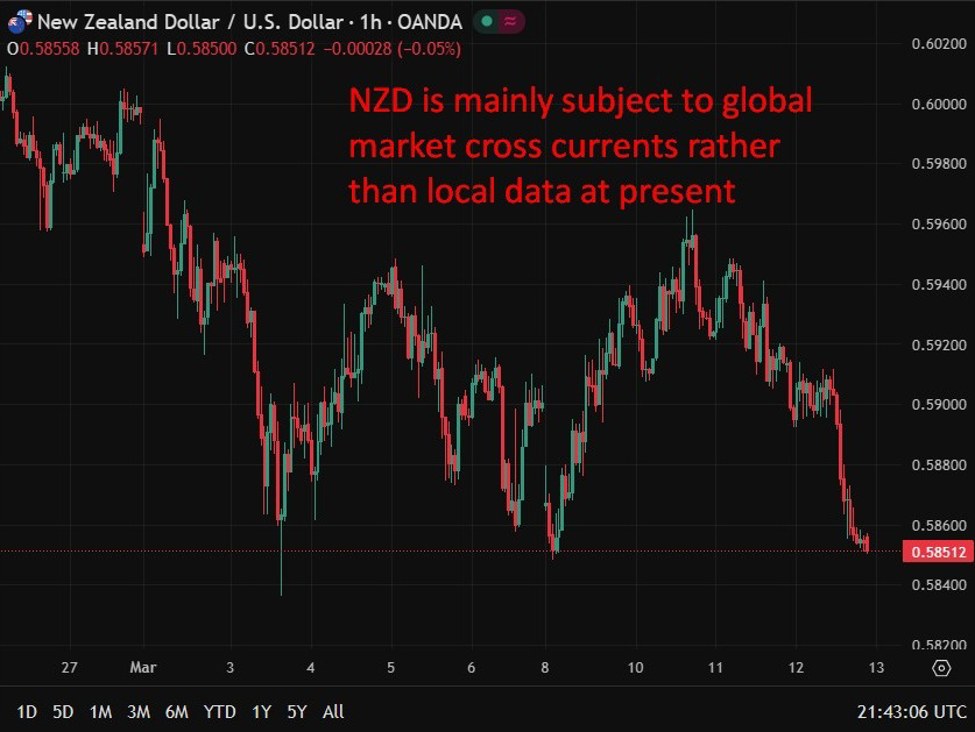
New Zealand manufacturing PMI holds at 55 in February, strongest run since 2021
New Zealand manufacturing activity held strong in February with the PMI at 55.0, marking the first three-month run above 55 since mid-2021.Summary:New Zealand manufacturing PMI held at 55.0 in February, signalling continued expansion.Result was almost unchanged from January’s 55.1 and above the long-run average of 52.5.Marks the first three-month run above 55 since mid-2021.New orders (57.6) and production (56.7) led the expansion.Employment eased slightly but remained in expansion at 50.4.Manufacturers reported stronger orders, enquiries and export demand.New Zealand’s manufacturing sector continued to expand solidly in February, with activity holding at elevated levels for a third straight month, according to the latest BNZ–BusinessNZ Performance of Manufacturing Index (PMI).The seasonally adjusted PMI came in at 55.0 in February, almost unchanged from 55.1 in January and comfortably above the survey’s long-run average of 52.5. Readings above 50 indicate expansion in manufacturing activity.The latest result also marks an important milestone for the sector. BusinessNZ Director of Advocacy Catherine Beard noted that February represents the first time since mid-2021 that the PMI has recorded three consecutive months at 55 or higher, suggesting a sustained pickup in manufacturing conditions after a softer period over the past couple of years.Encouragingly, all five of the survey’s sub-indices remained in expansion territory during the month. The strongest components were new orders (57.6) and production (56.7), both of which point to firm underlying demand and a solid pipeline of work for manufacturers.Other indicators also showed continued, if more modest, gains. Deliveries registered 51.0, signalling slightly faster supplier activity, while employment edged down from January but remained in expansion at 50.4. Although the labour component softened slightly, the overall result suggests manufacturers are broadly maintaining staffing levels as activity improves.Sentiment among manufacturers also improved during the month. The proportion of positive comments from survey respondents rose to 55.5%, up from 47.7% in January, though slightly below December’s 57.1% reading. Businesses reported an increase in orders, enquiries and sales, with some pointing to stronger export demand and improving conditions in parts of the manufacturing sector. Others noted a growing pipeline of work and signs of gradually improving business confidence.BNZ Senior Economist Doug Steel cautioned that the survey period largely predates the latest geopolitical developments in the Middle East, which have recently dominated global market attention. Even so, he said the February result provides a reassuring snapshot of the sector’s momentum.According to Steel, the PMI reading well above the 50 breakeven level indicates the manufacturing sector is entering the current period of heightened global uncertainty from a relatively solid position. While external risks could influence activity in coming months, February’s data suggest the sector continues to build momentum as demand conditions gradually improve. This article was written by Eamonn Sheridan at investinglive.com. 🔗 Source 💡 DMK Insight New Zealand’s manufacturing PMI holding at 55.0 is a bullish signal for traders right now. This sustained expansion indicates robust economic activity, which could influence the NZD positively against major pairs. With the PMI above the long-run average of 52.5, it suggests that the manufacturing sector is not just recovering but gaining momentum. Traders should watch for potential upward pressure on the NZD, especially if this trend continues into the next month. A strong manufacturing sector often correlates with increased consumer spending and investment, which can ripple through to other sectors, potentially boosting the overall economy. However, it’s worth noting that while the PMI is strong, external factors like global supply chain issues or shifts in commodity prices could impact this growth. Keep an eye on the NZD/USD pair, particularly if it approaches key resistance levels. If the PMI dips below 55 in the coming months, it could signal a slowdown, so monitoring this indicator will be crucial for positioning trades effectively. 📮 Takeaway Watch the NZD/USD closely; a sustained PMI above 55 could lead to upward movement, especially if resistance levels are tested.

Iran says it will not close Strait of Hormuz but asserts right to secure waterway
Iran says it has no intention of closing the Strait of Hormuz but insists it retains the right to secure the strategic waterway.Summary:Iran’s UN ambassador says Tehran does not intend to close the Strait of Hormuz.Iran says it retains an “inherent right” to preserve security in the waterway.Comments come amid rising tensions and attacks on shipping in the Gulf.Hormuz remains a critical global energy chokepoint for oil and LNG flows.Statement offers some reassurance but leaves uncertainty over future actions.Iran signalled it does not intend to shut the Strait of Hormuz despite escalating tensions in the region, according to comments from Tehran’s ambassador to the United Nations.Iran’s UN ambassador Amir Saeid Iravani said Tehran has no plans to close the strategic waterway, though he emphasised that the country reserves what it considers an inherent right to maintain security in the corridor.“We are not going to close the Strait of Hormuz, but it is our inherent right to preserve peace and security in this waterway,” Iranian state media quoted Iravani as saying.The remarks come as the Strait of Hormuz remains at the centre of global market attention amid the ongoing conflict involving Iran and heightened risks to shipping in the Gulf. The narrow passage is one of the world’s most important energy transit routes, handling a significant share of global crude and liquefied natural gas shipments.While Tehran’s comments suggest it is not currently planning a formal closure of the strait, the statement also leaves open the possibility that Iran could take steps it frames as security measures in the waterway. Such actions could include increased naval patrols, inspections, or disruptions to commercial shipping.The comments also contrast somewhat with recent incidents in the region, including attacks on oil tankers and cargo vessels that have disrupted shipping flows and heightened concerns about the security of the route. Those events have contributed to volatility in oil markets and raised fears that the conflict could escalate into a broader disruption of Gulf energy exports.Global powers have been closely monitoring developments around the strait given its importance to energy markets. Roughly one-fifth of the world’s seaborne oil passes through the channel between Iran and Oman, making any threat to traffic a major risk for global supply.Iran’s latest messaging may be aimed at signalling that it is not seeking a full blockade of the route, even as tensions remain elevated and the country continues to assert its influence over regional waterways.For markets, the statement introduces a somewhat mixed signal: while Tehran denies plans to close Hormuz outright, the emphasis on its right to maintain security underscores that the strategic chokepoint will likely remain a key flashpoint as the conflict unfolds. This article was written by Eamonn Sheridan at investinglive.com. 🔗 Source 💡 DMK Insight Iran’s stance on the Strait of Hormuz is a critical signal for oil traders right now. With tensions in the region often leading to price spikes, any hint of instability can send crude oil prices soaring. The Strait of Hormuz is a vital artery for global oil supply, and Iran’s insistence on its right to secure the waterway could lead to increased volatility. Traders should keep an eye on Brent crude futures, especially if geopolitical tensions escalate. If prices breach key resistance levels, say above $90 per barrel, we could see a significant rally. Conversely, if Iran’s comments are perceived as bluster and tensions ease, we might witness a pullback. It’s also worth noting that while mainstream media often focuses on immediate threats, the underlying economic implications of sustained tensions could lead to longer-term shifts in supply chains and energy prices. Watch for any military movements or statements from other regional players, as these could be catalysts for sudden price movements in oil and related markets. 📮 Takeaway Monitor Brent crude prices closely; a breach above $90 could trigger a significant rally amid rising geopolitical tensions.
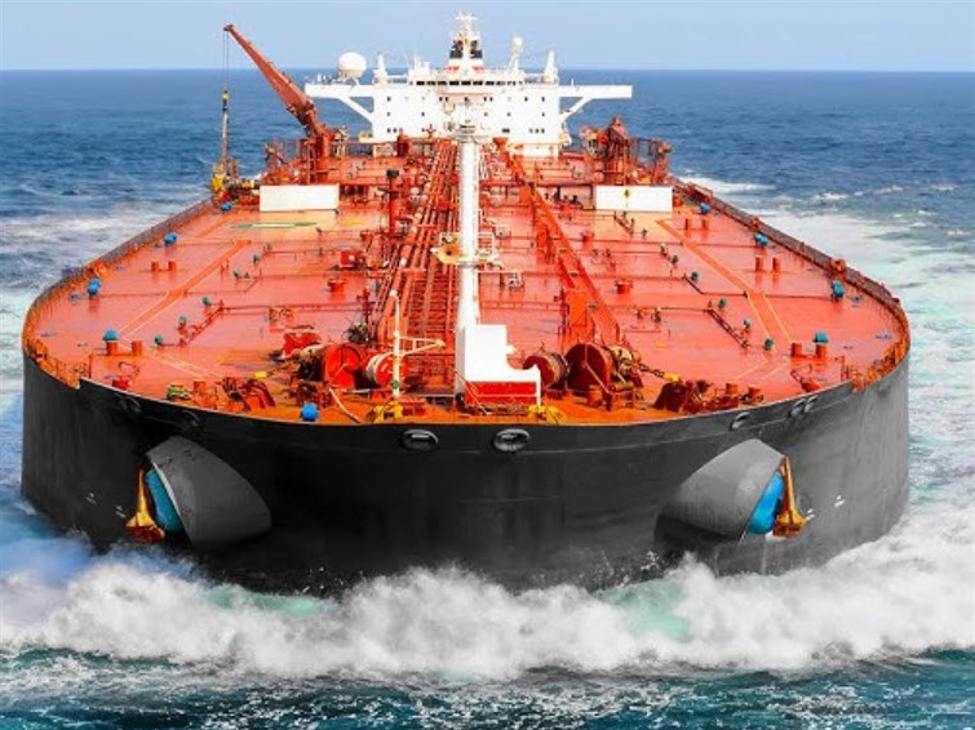
Asia’s refineries built for Gulf crude, making Hormuz disruption hard to replace
Asia’s heavy reliance on medium-sour Gulf crude is making disruptions in the Strait of Hormuz difficult to replace quickly. Summary:Many Asian refineries are configured for medium-sour Gulf crude.Asia imports around 60% of its oil from the Middle East.Disruptions in the Strait of Hormuz are slowing tanker flows.Substituting U.S., African or Brazilian crude is logistically slow and technically complex.Some Asian refineries are already cutting runs due to crude shortages.The escalating disruption to oil flows through the Strait of Hormuz is exposing a structural vulnerability in global energy markets: many of Asia’s refineries are designed specifically to process crude from the Middle East.For decades, refiners across China, Japan, South Korea, India and Southeast Asia have configured their plants to run medium and heavy sour crude grades produced by Gulf exporters such as Saudi Arabia, Iraq, Kuwait and the United Arab Emirates.That configuration has shaped the region’s supply chain. Asia now sources roughly 60% of its imported crude from the Middle East, making it highly exposed to disruptions in Gulf shipping lanes. With attacks on shipping and heightened military activity in the Strait of Hormuz slowing tanker traffic, refiners across the region are scrambling to secure alternative cargoes. However, replacing Gulf barrels is not straightforward.Oil is not a uniform commodity. Crude grades differ widely in sulphur content and density, and refineries are optimised for particular blends. Middle Eastern grades are typically medium-sour, which many Asian refineries are configured to process efficiently.Alternative sources often present complications.U.S. crude such as West Texas Intermediate is light and sweet, producing different refining yields and requiring adjustments to refinery operations. Russian supplies are already heavily committed to buyers such as China and India, while shipments from the Americas or West Africa face long transit times and rising freight costs.Even where substitutes exist, replacing Gulf crude barrel-for-barrel is difficult. Traders say alternative cargoes from Brazil, the United States or West Africa can take more than a month to reach Asian buyers and may require refiners to alter operating conditions or accept different product yields.The result is already visible across the region. Several Asian refineries have begun reducing throughput or delaying deliveries as crude cargoes from the Gulf become harder to secure. Energy analysts warn that if disruptions to Hormuz persist, the mismatch between refinery configurations and available crude grades could tighten fuel markets across Asia.That dynamic highlights why the Strait of Hormuz remains one of the world’s most strategically important energy chokepoints. Roughly one-fifth of global oil consumption passes through the corridor, much of it destined for Asian refineries.While the global oil system can ultimately reroute supply, the process is neither quick nor seamless. In the short term, disruptions to the specific crude grades that Asian refineries are built to process could create supply bottlenecks, amplify price volatility and keep geopolitical risk elevated across energy markets. This article was written by Eamonn Sheridan at investinglive.com. 🔗 Source 💡 DMK Insight Asia’s dependence on Gulf crude is a ticking time bomb for oil prices. With around 60% of its oil coming from the Middle East, any disruption in the Strait of Hormuz can have immediate ripple effects on supply chains. Refineries in Asia are specifically designed for medium-sour crude, making it tough to pivot to alternatives like U.S. or African oil quickly. This tight coupling means that if tensions escalate or tanker flows slow further, we could see a sharp spike in prices. Traders should keep an eye on geopolitical developments in the region, as any news could trigger volatility. Additionally, watch for technical levels in crude oil futures; a break above recent highs could signal a bullish trend, while a failure to hold support might indicate a bearish reversal. Here’s the thing: while mainstream coverage might focus on immediate price reactions, the longer-term implications of sustained disruptions could reshape trading strategies. If you’re holding positions in energy stocks or ETFs, consider the potential for increased volatility and adjust your risk management accordingly. Keep an eye on the daily charts for crude oil; a close above a key resistance level could set off a buying frenzy. 📮 Takeaway Watch for geopolitical developments in the Strait of Hormuz; a break above recent crude oil highs could trigger a bullish trend.
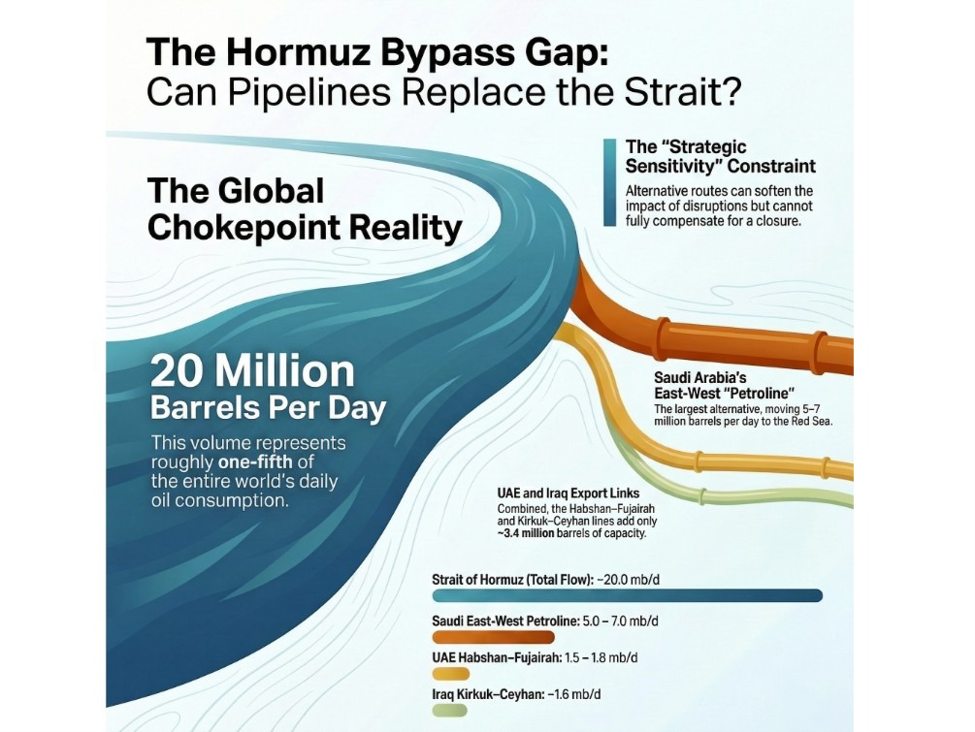
Five pipelines that can bypass the Strait of Hormuz. But not replace it.
A handful of pipelines can bypass the Strait of Hormuz, but their combined capacity falls far short of replacing the massive volumes of oil normally shipped through the critical Gulf chokepoint.Summary:The Strait of Hormuz carries roughly 20% of global oil consumption.A limited number of pipelines allow exporters to bypass the chokepoint.Saudi Arabia’s East–West pipeline (5–7 mb/d) is the largest alternative route.The UAE’s Habshan–Fujairah pipeline (≈1.5–1.8 mb/d) also avoids Hormuz.Iraq’s Kirkuk–Ceyhan pipeline exports crude to the Mediterranean.Combined bypass capacity is far below normal Hormuz flows.As tensions rise around the Strait of Hormuz, attention in global energy markets often turns to the limited infrastructure that allows oil exporters to bypass the critical chokepoint. The narrow waterway between Iran and Oman handles roughly one-fifth of the world’s oil consumption, making it the most important transit corridor for crude shipments.In periods of geopolitical stress, analysts frequently highlight a small network of pipelines that can move oil around the strait and deliver it to export terminals outside the Persian Gulf. While these routes provide important contingency capacity, they are far from sufficient to replace the volumes that normally pass through Hormuz.The most significant bypass route is Saudi Arabia’s East–West pipeline, often referred to as Petroline. The system connects the kingdom’s major oil fields in the Eastern Province to the Red Sea port of Yanbu. With an estimated capacity of around 5–7 million barrels per day, the pipeline allows Saudi crude to reach global markets without tankers entering the Gulf or passing through Hormuz. Built in the aftermath of tanker attacks during the Iran-Iraq war in the 1980s, the infrastructure remains a cornerstone of Saudi Arabia’s energy security strategy.***The United Arab Emirates operates another key bypass system. The Habshan–Fujairah pipeline transports crude from Abu Dhabi’s oil fields to the export terminal at Fujairah on the Gulf of Oman, outside the Strait of Hormuz. The line can carry roughly 1.5–1.8 million barrels per day, enabling a portion of the UAE’s exports to avoid the strait entirely.***Iraq also has a route that bypasses the Gulf. The Kirkuk–Ceyhan pipeline runs from northern Iraq to Turkey’s Mediterranean port of Ceyhan. With potential capacity of around 1.6 million barrels per day, it allows crude to be shipped to Europe without passing through Hormuz. However, the pipeline handles mainly northern Iraqi production and has faced repeated disruptions due to political disputes and security issues.***Smaller regional links also exist, including the Saudi Arabia–Bahrain pipeline, which primarily supplies Bahrain’s refining system. While useful for regional logistics, it does little to offset large-scale export disruptions.Several additional bypass projects have been proposed over the years, including an Iraq-to-Jordan pipeline to the Red Sea port of Aqaba, though these plans remain under development.Even if all existing bypass pipelines were operating at maximum capacity, they would still fall well short of replacing the roughly 20 million barrels per day of oil that typically flows through the Strait of Hormuz.For global energy markets, the implication is clear: alternative routes can soften the impact of disruptions, but they cannot fully compensate for a prolonged closure of the strait. That reality is why Hormuz remains one of the most strategically sensitive locations in the global oil system. This article was written by Eamonn Sheridan at investinglive.com. 🔗 Source 💡 DMK Insight The Strait of Hormuz is crucial, carrying about 20% of global oil, and disruptions here could spike prices significantly. With only a few pipelines available to bypass this chokepoint, traders need to keep an eye on geopolitical tensions in the region. Any escalation could lead to supply fears, pushing oil prices higher. Current market sentiment is already sensitive to such risks, and a sudden disruption could trigger a rapid price reaction. Watch for key levels in crude oil futures; a break above recent highs could signal a bullish trend. Conversely, if tensions ease, we might see a pullback. It’s also worth noting that while some may argue that alternative routes could mitigate risks, the reality is that they can’t match the volume of oil typically transported through the Strait. This discrepancy could lead to volatility in related markets, including energy stocks and commodities. Keep an eye on the news cycle for any developments that could impact this critical region. 📮 Takeaway Monitor crude oil futures closely; any geopolitical escalation could push prices above recent highs, signaling a potential bullish trend.
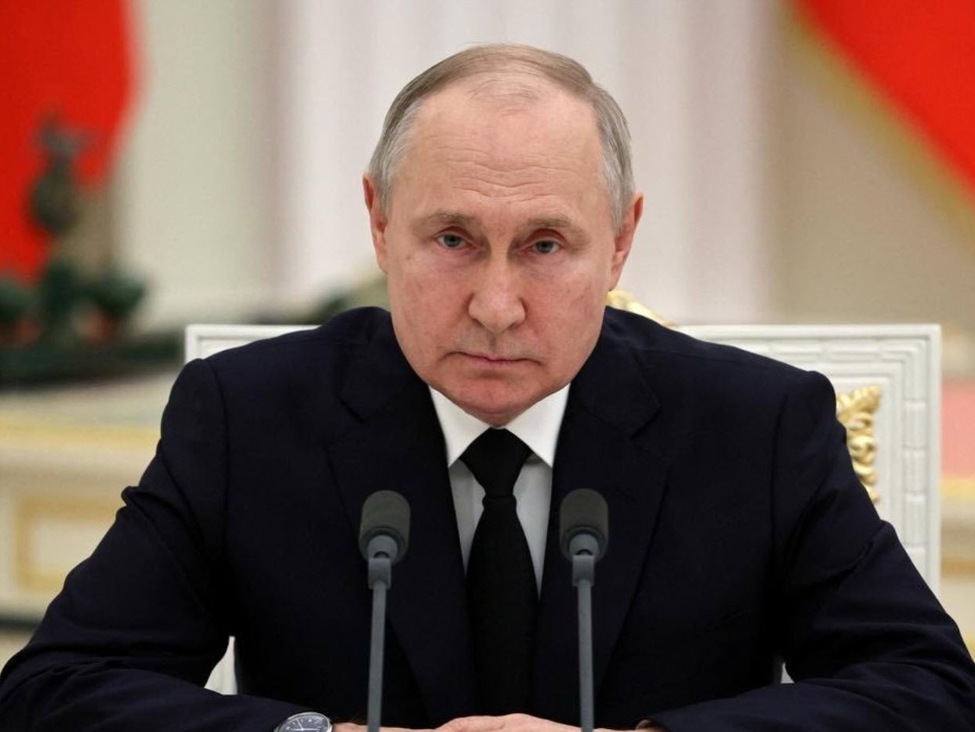
US grants temporary license allowing sale of Russian oil cargoes already loaded (oil TACO)
U.S. Treasury grants one-month window to sell Russian oil cargoes already loaded before new sanctions.Summary:U.S. Treasury issued a new Russia-related general license.License allows sale of Russian crude and petroleum products already loaded as of March 12.Transactions can continue until 12:01 a.m. ET on April 11.Measure provides a wind-down period for cargoes already in transit.Aims to prevent disruption to global oil shipments and logistics.The United States has issued a new sanctions-related general license allowing a temporary wind-down period for certain Russian oil cargoes already in transit.According to a notice published on the U.S. Treasury Department’s website, the license permits the sale of Russian crude oil and petroleum products that were loaded onto vessels as of March 12. The measure provides a limited exemption from sanctions enforcement for cargoes that had already entered the shipping system before the new restrictions took effect.The authorization allows those shipments to be sold and delivered until 12:01 a.m. Eastern Time on April 11, effectively giving traders and refiners a roughly one-month window to complete transactions involving the affected cargoes.General licenses are commonly used in sanctions regimes to allow companies to wind down existing contracts or shipments that were initiated prior to the imposition of new restrictions. The mechanism helps reduce immediate disruptions to global markets and provides clarity for shipping firms, traders and refiners dealing with cargoes already underway.The latest license appears aimed at preventing logistical bottlenecks in the oil trade. Without such a wind-down provision, vessels already loaded with Russian crude or refined products could face legal uncertainty, potentially leaving shipments stranded at sea or unable to be discharged at destination ports.Russia remains one of the world’s largest oil exporters, shipping millions of barrels of crude and petroleum products daily to global markets. Since the introduction of sanctions following Moscow’s invasion of Ukraine, Western governments have attempted to restrict Russian energy revenues while avoiding severe disruptions to global supply.Allowing previously loaded cargoes to be sold for a limited period is consistent with past sanctions practices, where regulators have sought to balance enforcement with stability in energy markets. By setting a clear cutoff date tied to when cargoes were loaded, the Treasury Department is attempting to prevent new shipments from taking advantage of the exemption.The temporary license does not signal a broader easing of sanctions but rather reflects the practical challenges of enforcing restrictions in a global oil market where cargoes can take weeks to travel between loading ports and refineries.For energy markets, the measure is unlikely to materially change supply conditions but could ease short-term uncertainty for traders and refiners handling Russian cargoes already at sea. Bessent adds:To increase the global reach of existing supply, Treasury is providing a temporary authorization to permit countries to purchase Russian oil currently stranded at sea This short-term measure applies only to oil already in transit and will not provide significant financial benefit to the Russian government Temporary increase in oil prices is a short-term and temporary disruption that will result in a ‘massive benefit’ to U.S. economy in the long-term. This article was written by Eamonn Sheridan at investinglive.com. 🔗 Source 💡 DMK Insight The U.S. Treasury’s new license for selling Russian oil is a game changer for traders: This one-month window allows for the sale of Russian crude and petroleum products loaded before March 12, which could lead to increased volatility in oil prices as traders scramble to capitalize on this opportunity. Given the geopolitical tensions and ongoing sanctions, this temporary reprieve could create a surge in demand for Russian oil, potentially pushing prices higher in the short term. Keep an eye on how this affects WTI and Brent crude benchmarks, as any significant uptick could signal a broader market reaction. However, there’s a flip side: if traders overextend themselves, we could see a sharp correction post-April 11 when the license expires. Watch for price levels around recent highs, as a failure to maintain those could trigger sell-offs. The real story here is how market participants, especially institutional traders, react to this limited timeframe. For now, monitor oil futures closely and be prepared for rapid shifts in sentiment as the deadline approaches. 📮 Takeaway Watch for oil price movements as the April 11 deadline nears; a surge in Russian oil sales could push WTI and Brent prices higher in the short term.
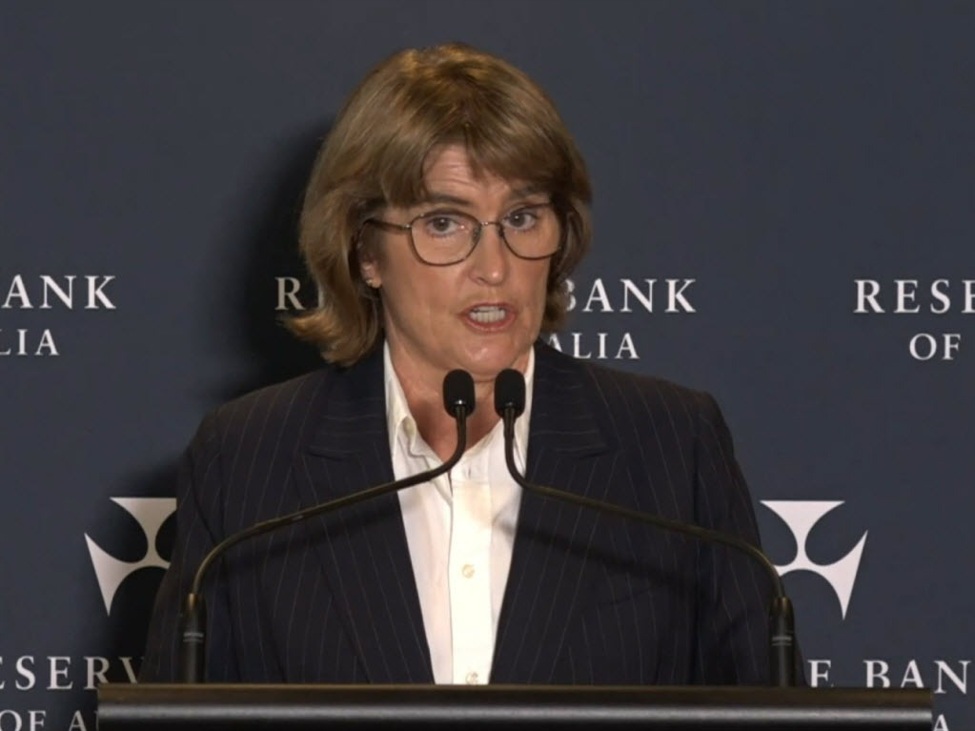
Reuters poll: RBA seen raising cash rate to 4.10% on March 17, then 4.35% by end-2026
A Reuters poll shows economists expect the RBA to raise rates to 4.10% in March and potentially to 4.35% later this year.Summary:23 of 30 economists expect the RBA to raise the cash rate to 4.10% on March 17.The forecast marks a shift from February’s poll, which expected rates to remain at 3.85%.The median forecast now sees rates reaching 4.35% by end-2026.Strong growth and rising inflation expectations are driving the shift.The Middle East energy shock is also cited as a risk to inflation.A strong majority of economists expect the Reserve Bank of Australia to raise interest rates again at its upcoming March policy meeting, reflecting growing concern about persistent inflation pressures and resilient economic growth.According to a Reuters poll conducted between March 10 and March 12, 23 of 30 economists expect the RBA to lift the cash rate by 25 basis points to 4.10% at its March 16-17 meeting. Seven economists forecast no change.The poll marks a notable shift in expectations compared with February. At that time, economists generally anticipated the policy rate would remain at 3.85% through the year. Since then, stronger economic data and renewed inflation risks have led analysts to revise their forecasts higher.Australia’s economy expanded 2.6% over the past year, the fastest pace in nearly three years, reinforcing concerns among policymakers that growth above roughly 2% could add to inflation pressures. The RBA has repeatedly warned that inflation remains above its 2–3% target band, and officials have emphasised the need to prevent inflation expectations from drifting higher.Deputy Governor Andrew Hauser has signalled the board will have a “genuine debate” over policy settings, remarks widely interpreted by markets as reinforcing the possibility of another rate increase.The Reuters poll indicates that economists now expect the tightening cycle to continue beyond March. The median forecast sees the cash rate reaching 4.35% by the end of 2026, a notable revision from the 3.85% median projection in February’s poll.Among economists providing forecasts beyond the March meeting, 17 of 27 expect rates to reach 4.35% by the third quarter, while others see the policy rate peaking at 4.10%.Major Australian banks have adopted similar views. ANZ, CBA, NAB and Westpac have all suggested the cash rate could reach around 4.35% as early as May, depending on how inflation and inflation expectations evolve.Economists note that the renewed rise in global energy prices linked to the Middle East conflict could complicate the inflation outlook. While policymakers may treat the direct impact on headline inflation as temporary, officials remain concerned that higher energy costs could influence inflation expectations, making it harder to return inflation sustainably to target.The RBA raised rates last month for the first time in roughly two years after previously delivering 75 basis points of cuts between February and August 2025. That easing cycle was the shallowest since the central bank began publicly announcing policy decisions in 1990.With growth still firm and inflation above target, economists increasingly believe policymakers may need to tighten further to ensure inflation pressures do not become entrenched. This article was written by Eamonn Sheridan at investinglive.com. 🔗 Source
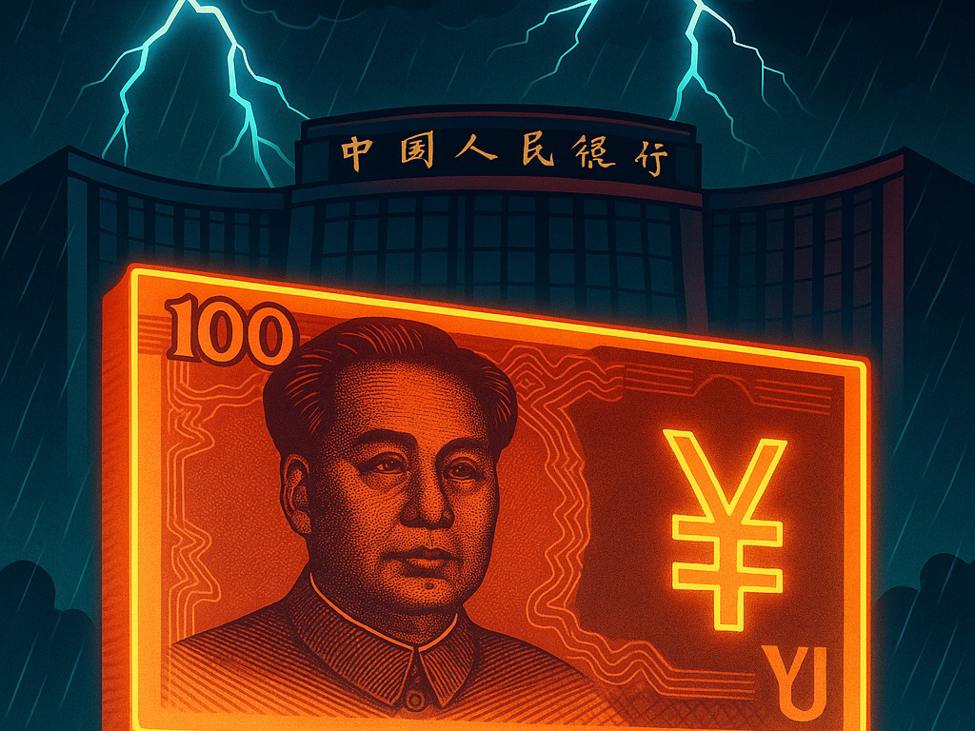
PBOC is expected to set the USD/CNY reference rate at 6.8888 – Reuters estimate
The People’s Bank of China is due to set the daily USD/CNY reference rate at around 0115 GMT (2115 US Eastern time), a fixing that remains one of the most closely watched signals in Asian foreign exchange markets. China operates a managed floating exchange rate system, under which the renminbi (yuan) is allowed to trade within a prescribed band around a central reference rate, or midpoint, set each trading day by the PBOC. The current trading band permits the currency to move plus or minus 2% from the official midpoint during onshore trading hours. Each morning, the PBOC determines the midpoint based on a range of inputs. These include the previous day’s closing price, movements in major currencies, particularly the US dollar, broader international FX conditions, and domestic economic considerations such as capital flows, growth momentum and financial stability objectives. The midpoint is not a purely mechanical calculation, allowing policymakers discretion to guide market expectations. Once the midpoint is announced, onshore USD/CNY is free to trade within the allowable band. If market pressures push the yuan toward either edge of that range, the central bank may step in to smooth volatility. Intervention can take the form of direct buying or selling of yuan, adjustments to liquidity conditions, or guidance through state-owned banks. As a result, the daily fixing is often interpreted as a policy signal rather than just a technical reference point. A stronger-than-expected CNY midpoint is typically read as a sign the PBOC is leaning against depreciation pressure, while a weaker fixing for the CNY can indicate tolerance for a softer currency, often in response to dollar strength or domestic economic headwinds.In periods of heightened global volatility, such as shifts in US rate expectations, trade tensions or capital flow pressures, the fixing takes on added significance. For investors, it provides insight into Beijing’s currency priorities, balancing competitiveness, capital stability and financial market confidence. This article was written by Eamonn Sheridan at investinglive.com. 🔗 Source 💡 DMK Insight The upcoming USD/CNY reference rate setting is crucial for traders navigating Asian forex markets. With the People’s Bank of China managing the renminbi’s value, any deviation from expected levels could trigger significant volatility. Traders should keep an eye on the reference rate, especially if it diverges from recent trends, as this could impact not just the CNY but also correlated currencies like the AUD and NZD, which often react to changes in Chinese economic policy. If the rate comes in weaker than anticipated, it could signal further easing measures from the PBOC, potentially leading to a sell-off in the yuan and a flight to safety in USD or JPY. Watch for reactions in the market immediately after the 0115 GMT fixing, as this could set the tone for trading in the Asian session and beyond, particularly for those holding positions in CNY pairs or related commodities like copper and oil, which are sensitive to Chinese demand forecasts. 📮 Takeaway Monitor the USD/CNY reference rate closely at 0115 GMT; any surprises could lead to immediate volatility in Asian forex markets.

Australia to release 762 million litres of fuel after easing stockpile rules
Australia will release up to 762 million litres of fuel from reserves after easing stockholding rules to counter supply disruptions linked to the Iran conflict.Summary:Australia will release up to 762 million litres of petrol and diesel from domestic reserves.The government is cutting minimum fuel stockholding obligations by up to 20%.The measure aims to address fuel supply disruptions linked to the Iran conflict.Australia remains heavily reliant on imported refined fuel products.The move is intended as a temporary stabilisation measure.The Australian government will release up to 762 million litres of petrol and diesel from domestic reserves after temporarily easing stockholding requirements, as authorities move to stabilise fuel supply following disruptions linked to the Iran conflict.Energy Minister Chris Bowen announced that the government will reduce the minimum stockholding obligation for petrol and diesel by up to 20%, allowing fuel distributors to draw down part of their mandated reserves.The measure is designed to address ongoing supply chain disruptions affecting fuel deliveries into Australia, as geopolitical tensions in the Middle East disrupt tanker movements and tighten global energy logistics.Under Australia’s fuel security framework, fuel importers and refiners must maintain minimum stock levels to ensure supply continuity. By temporarily lowering the requirement, the government is enabling companies to release additional fuel into the market, easing shortages while broader supply chains adjust.The reduction in stockholding obligations will allow the release of up to 762 million litres of petrol and diesel from existing domestic reserves. Officials say the move is intended as a short-term stabilisation measure, ensuring that distributors can maintain supply to service stations and critical sectors while global shipping routes remain under strain.The policy comes amid heightened volatility in global energy markets following the conflict involving Iran and disruptions to tanker traffic near the Strait of Hormuz, one of the world’s most important oil shipping lanes. Roughly one-fifth of global oil consumption normally passes through the waterway, making any disruption a major risk for fuel markets.Australia is particularly exposed to global fuel supply shocks because it imports the majority of its refined petroleum products. In recent years, the government has introduced a series of policies aimed at strengthening domestic fuel security, including the minimum stockholding obligation (MSO) regime and investments in strategic reserves.The latest step echoes measures used by governments during previous energy disruptions, where authorities temporarily allow industry to draw down reserves to smooth supply while new shipments arrive.Officials emphasised that the adjustment does not eliminate stock requirements but rather provides temporary flexibility to ensure supply chains continue functioning.The move follows earlier government steps aimed at improving fuel resilience, including regulatory changes encouraging the use of lower sulphur fuel standards, which align Australia with international specifications and expand the range of fuel that can be imported into the country.Analysts say the release should help stabilise short-term supply conditions, though the broader outlook will depend on developments in the Middle East and the extent of disruptions to global tanker routes. This article was written by Eamonn Sheridan at investinglive.com. 🔗 Source 💡 DMK Insight Australia’s decision to release 762 million litres of fuel is a game changer for traders: This move comes as a direct response to supply disruptions tied to the Iran conflict, and it’s crucial for traders to understand the implications. Easing stockholding rules by 20% could stabilize local fuel prices in the short term, but it also raises questions about longer-term supply chain vulnerabilities. Traders should keep an eye on crude oil prices, as any rebound in tensions could send them soaring, impacting related assets like energy stocks and ETFs. Here’s the kicker: while this release might provide immediate relief, it could also signal that the government anticipates further disruptions. If tensions escalate, we could see a rapid shift in market sentiment, leading to volatility. Watch for crude oil futures; any spike above recent highs could indicate a shift in momentum. Keep your eyes on the daily charts for key resistance levels around those highs, as they could provide trading opportunities in both directions. 📮 Takeaway Monitor crude oil prices closely; a breakout above recent highs could signal increased volatility and trading opportunities in energy markets.