
 Bitcoin
  Ethereum
  Tether
  XRP
XRP  BNB
BNB  USDC
USDC  Solana
  TRON
TRON  Lido Staked Ether
  Figure Heloc
FUNDAMENTAL OVERVIEWOil prices stabilized in the $80–90 range this week as G7 countries began discussing the possibility of releasing emergency oil reserves to ease pressure on the market. If it happens, the release would be the largest in history.For now, the mere discussion seems to be capping the upside, but no concrete action has been taken yet. It looks like they are mainly trying to “jawbone” oil prices by keeping the option on the table and signalling that they’re ready to act if needed.Even if they do go ahead with the release, it would likely be only a short-term fix. In fact, the market could even see a classic “sell the fact” reaction, where prices move higher after the reserves are actually released.The underlying issue remains the closure of the Strait of Hormuz. Until there is a genuine de-escalation, the downside in oil prices is likely to remain limited.CRUDE OIL TECHNICAL ANALYSIS – DAILY TIMEFRAMEOn the daily chart, we can see that crude oil dropped all the way back to last June’s high and bounced. If the price rises back to the key 94.00 resistance zone, we can expect the sellers to step in with a defined risk above the resistance to position for a drop back into the 78.00 support targeting a breakout. The buyers, on the other hand, will look for a break higher to increase the bullish bets into new highs.CRUDE OIL TECHNICAL ANALYSIS – 4 HOUR TIMEFRAMEOn the 4 hour chart, we can see that the price stabilised as the discussions about a G7 oil reserves release capped the upside. There’s not much else we can glean from this timeframe, so we need to zoom in to see some more details.CRUDE OIL TECHNICAL ANALYSIS – 1 HOUR TIMEFRAMEOn the 1 hour chart, we can see that the recent price action might have formed an inverted head and shoulders pattern. The price has already broken above the neckline and it’s now retesting it. The buyers will likely step in here with a defined risk below the most recent swing low to position for a rally into new highs. The sellers, on the other hand, will want to see the price falling back below the neckline to pile in for a drop back into the 78.00 support. The red lines define the average daily range for today.UPCOMING CATALYSTSToday we have the US CPI report. Tomorrow, we get the latest US Jobless Claims figures. On Friday, we conclude the week with the US PCE price index, the University of Michigan Consumer Sentiment survey and the Job Openings data. As a reminder, the market focus right now is solely on the US-Iran war, so the data might not matter much. This article was written by Giuseppe Dellamotta at investinglive.com. 🔗 Source 💡 DMK Insight Oil prices are stuck in the $80–90 range, and here’s why that matters for traders: The G7’s talk of releasing emergency oil reserves could be a game changer. If they go through with it, we might see a historic release that could flood the market and push prices down. Right now, the $90 mark is acting as a ceiling, and traders should be cautious about bullish positions. The market’s reaction to this news could create volatility, especially if we see a sudden shift in sentiment. Keep an eye on how this plays out in the coming days, as a confirmed release could lead to a significant price drop. On the flip side, if the G7 decides against it, we could see a rebound towards the upper end of the range. Watch for key technical levels around $80 and $90. A break below $80 could signal a bearish trend, while a sustained move above $90 might reignite bullish momentum. Pay attention to any updates from G7 discussions, as they could trigger rapid price movements. 📮 Takeaway Monitor the $80 and $90 levels closely; a G7 decision on oil reserves could shift prices dramatically in the short term.

AIntuition NFTs Introduce a Reward-Driven Membership Model in Web3
The NFT market has experienced dramatic growth over the past few years, but its most exciting innovations are only beginning to emerge. Increasingly, NFT creators are moving beyond simple digital The post AIntuition NFTs Introduce a Reward-Driven Membership Model in Web3 appeared first on NFT Evening. 🔗 Source 💡 DMK Insight NFTs are evolving, and here’s why that matters for traders: as creators shift to reward-driven models, we could see a surge in demand and price volatility. The NFT market’s growth is not just a trend; it’s a fundamental shift in how digital assets are perceived and utilized. The introduction of reward-driven membership models could attract a broader audience, including those who may have been skeptical about NFTs. This shift can lead to increased trading volume and price fluctuations, especially for projects that successfully implement these models. Keep an eye on how this affects liquidity and market sentiment. However, not all NFT projects will succeed in this new landscape. Traders should be cautious and look for projects with solid fundamentals and community backing. Watch for key metrics like trading volume and floor prices to gauge interest. The real opportunity lies in identifying which projects can leverage this model effectively, as they may outperform others in the coming months. 📮 Takeaway Monitor NFT trading volumes and floor prices closely; projects adopting reward-driven models could see significant price movements in the near term.

CFTC chair backs blockchain-based prediction markets as ‘truth machines’
Michael Selig said blockchain-powered prediction markets could improve price discovery and public information, even as several US states challenge the platforms in court. 🔗 Source 💡 DMK Insight Blockchain prediction markets are gaining traction, but legal challenges could stifle growth. Selig’s assertion about improved price discovery is compelling, especially in a market where accurate information is crucial. However, with several US states pushing back against these platforms, traders need to be cautious. The legal landscape could create volatility, impacting not just prediction markets but also correlated assets like cryptocurrencies that rely on accurate forecasting. If these platforms face restrictions, it could diminish their utility, leading to a potential drop in trading volumes and liquidity. Watch for developments in these legal battles, as they could serve as catalysts for price movements. If a state court rules against these platforms, expect a ripple effect across the crypto market, particularly for assets tied to decentralized finance (DeFi) and prediction markets. Keeping an eye on sentiment and regulatory news will be key in navigating this space effectively. 📮 Takeaway Monitor legal developments around blockchain prediction markets closely; a negative ruling could impact related crypto assets significantly.
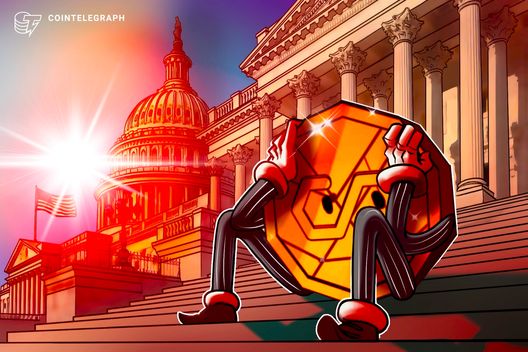
Republican opposition to CBDC could hold up housing affordability bill
Republicans in the US House of Representatives have threatened the future of an affordable housing bill if it doesn’t include an outright ban on CBDCs. 🔗 Source 💡 DMK Insight The GOP’s stance against CBDCs could shake up housing policy and market sentiment. This move reflects broader concerns about government control over digital currencies, which could impact investor confidence in both crypto and traditional markets. If the housing bill stalls, it might trigger a ripple effect, leading to increased volatility in related sectors like real estate and finance. Traders should keep an eye on how this political maneuvering influences market sentiment, especially as we approach key legislative deadlines. Watch for any shifts in housing stocks and related ETFs, as they could react sharply to these developments. On the flip side, if the bill passes without the CBDC ban, it could signal a more favorable regulatory environment for digital currencies, potentially boosting crypto prices. So, it’s worth monitoring both the housing market and crypto assets closely for any signs of correlation as this situation unfolds. 📮 Takeaway Keep an eye on housing stocks and crypto volatility as the CBDC debate unfolds; key legislative outcomes could shift market sentiment significantly.

UK government‘s long-term fraud strategy labels crypto as ‘growing risk‘
A policy paper from the UK government’s Home Office said that “vulnerabilities remain” in authorities’ attempts to fight fraud in emerging payments, including digital assets. 🔗 Source 💡 DMK Insight The UK government’s acknowledgment of vulnerabilities in fraud prevention for digital assets is a wake-up call for traders. With regulatory scrutiny intensifying, especially in the crypto space, this could lead to increased volatility as authorities ramp up enforcement. Traders should be wary of potential market reactions to any new regulations or compliance requirements that could emerge from this report. If the government takes action, we might see a ripple effect across related markets, particularly in altcoins that are often more susceptible to fraud. Keep an eye on major support and resistance levels in Bitcoin and Ethereum, as these could be tested if fear spreads through the market. Here’s the thing: while some might see this as a negative, it could also present buying opportunities if prices dip significantly. Watch for any announcements or policy changes in the coming weeks that could impact market sentiment. 📮 Takeaway Monitor Bitcoin and Ethereum for potential volatility as UK regulations on fraud in digital assets could trigger significant market movements.

SEC chair calls for ‘coordinated oversight‘ between US regulators
Paul Atkins said that he had stopped ”duplicative enforcement actions” between the SEC and CFTC, stressing the need for a coordinated approach. 🔗 Source 💡 DMK Insight Atkins’ push for coordinated enforcement between the SEC and CFTC could reshape regulatory dynamics in crypto and forex markets. This matters now because traders are navigating a landscape of uncertainty, where overlapping regulations can create confusion and volatility. A unified approach could streamline compliance for market participants, potentially reducing the risk of sudden enforcement actions that disrupt trading. If the SEC and CFTC align their strategies, we might see a more stable regulatory environment, which could attract institutional investors back into these markets. Keep an eye on how this coordination unfolds, as it could influence market sentiment and lead to shifts in trading strategies. However, there’s a flip side: if this coordination results in stricter regulations, it might stifle innovation and lead to increased compliance costs for traders. Watch for any announcements or policy changes in the coming weeks that could signal the direction of this regulatory shift. 📮 Takeaway Monitor developments in SEC and CFTC coordination closely; any regulatory changes could impact market stability and trading strategies significantly.

Kalshi suffers court loss in Ohio over sports betting lawsuit
The prediction markets platform argued for an injunction against Ohio authorities, claiming that federal commodities laws superseded state laws on sports event contracts. 🔗 Source 💡 DMK Insight This legal battle over sports betting laws could reshape the trading landscape for prediction markets. If the prediction markets platform wins, it might set a precedent that allows for broader federal oversight, potentially increasing liquidity and participation in these markets. Traders should keep an eye on how this case unfolds, as it could influence regulatory attitudes towards similar platforms nationwide. A favorable ruling could lead to a surge in trading volumes, particularly in sports-related assets, while a loss might tighten restrictions and dampen market enthusiasm. Watch for updates on this case, as they could impact not just prediction markets but also related sectors like online gambling and sports betting stocks, which are already sensitive to regulatory news. The next few weeks will be critical for gauging market sentiment and potential volatility in these areas. 📮 Takeaway Monitor the outcome of the prediction markets platform’s legal case, as a favorable ruling could boost trading volumes and reshape regulatory frameworks in sports betting.

Crypto is just finance with new plumbing: Australia’s ASIC fintech chief
New regulatory frameworks weren’t needed when financial infrastructure shifted from paper to electronic records, so it isn’t needed for blockchain either, argues ASIC’s Rhys Bollen. 🔗 Source 💡 DMK Insight ASIC’s Rhys Bollen just threw a curveball at the regulatory narrative around blockchain. His argument that new frameworks aren’t necessary mirrors past transitions in financial infrastructure, like the shift from paper to electronic records. This perspective could embolden crypto traders who fear overregulation, suggesting that the market might not face the heavy-handed rules some expect. If regulators adopt a lighter touch, it could lead to increased institutional participation, driving demand and potentially boosting prices. But here’s the flip side: if the market misreads this as a green light, we might see speculative bubbles. Traders should keep an eye on volatility indicators and sentiment metrics. Watch for any sudden shifts in trading volumes or price spikes that could signal overexuberance. Key levels to monitor are previous resistance points, as a break above those could indicate bullish momentum fueled by regulatory clarity. 📮 Takeaway Watch for shifts in trading volume and sentiment as traders react to regulatory news; key resistance levels could signal bullish momentum if broken.

Crypto, banks need to be a ‘bit unhappy’ for bill to advance: Senator
Senator Angela Alsobrooks says she’s working on a proposal to move a key crypto bill forward, but crypto and the banks will have to compromise. 🔗 Source 💡 DMK Insight Senator Alsobrooks’ push for a crypto bill signals potential regulatory shifts that could reshape the market. Compromise between crypto and banking sectors is crucial. If they can align, we might see a more stable regulatory environment, which could attract institutional investors back into the space. This is particularly relevant as traders are currently navigating a volatile market, with many looking for clarity on regulations before making significant moves. Watch for any developments on this proposal, as they could influence sentiment and trading strategies in the coming weeks. If the bill gains traction, it could lead to increased liquidity and a bullish trend for major cryptocurrencies, especially if institutions feel more secure in their investments. On the flip side, if negotiations stall, we might see further uncertainty, which could lead to increased selling pressure. Keep an eye on any announcements or updates from Senator Alsobrooks, as this could be a pivotal moment for crypto regulation and market dynamics. 📮 Takeaway Watch for updates on Senator Alsobrooks’ crypto bill; a successful compromise could stabilize the market and attract institutional interest.

Japanese wholesale prices +2.0% y/y in February (2.1% expected)
Japan PPI for February 2026, AKA corporate goods price index (CGPI), measures the price companies charge each other for their goods and services:-0.1% m/mexpected 0.2%, prior 0.2%2.0% y/yexpected 2.1%, prior 2.3%ADDED, more here:Weak yen and oil shock cloud Japan inflation outlook — PPI recap This article was written by Eamonn Sheridan at investinglive.com. 🔗 Source 💡 DMK Insight Japan’s PPI dip signals potential economic headwinds, and here’s why that’s crucial for traders: The February 2026 PPI data shows a surprising -0.1% month-over-month change, missing expectations of 0.2%. This decline, coupled with a year-over-year increase of 2.0% against a forecast of 2.1%, suggests that inflationary pressures may be easing more than anticipated. For traders, this could mean a shift in Bank of Japan (BoJ) policy, especially as a weak yen and rising oil prices complicate the inflation outlook. If the BoJ perceives this data as a reason to maintain or even loosen monetary policy, we could see further yen depreciation, impacting currency pairs like USD/JPY. Look for key technical levels around 130.00 for USD/JPY; a break above could trigger more aggressive buying. Additionally, monitor how this data influences broader market sentiment, particularly in commodities and equities tied to Japanese exports. The real story is whether this PPI miss will lead to a more dovish stance from the BoJ, which could ripple through global markets. Keep an eye on upcoming economic indicators that might confirm or contradict this trend, especially in the context of oil prices and global inflation rates. 📮 Takeaway Watch USD/JPY closely; a break above 130.00 could signal increased volatility driven by BoJ policy shifts following the PPI miss.