 Bitcoin
  Ethereum
  Tether
  BNB
BNB  XRP
XRP  USDC
USDC  Solana
  TRON
TRON  Lido Staked Ether
  Figure Heloc
ING’s Min Joo Kang expects the Bank of Korea to keep its policy rate at 2.5% next week as inflation remains close to target and financial instability concerns persist. 🔗 Source 💡 DMK Insight The Bank of Korea’s decision to maintain the policy rate at 2.5% is crucial for traders right now. With inflation hovering near target levels, the central bank is likely prioritizing stability over aggressive rate hikes. This cautious approach could influence the South Korean won’s performance against major currencies, particularly if global economic conditions shift. Traders should keep an eye on the USD/KRW pair, especially if any unexpected inflation data emerges. A failure to raise rates could lead to a weaker won, while a surprise hike might strengthen it. Here’s the thing: while many expect a steady rate, any signs of financial instability could prompt a shift in sentiment. If the Bank of Korea signals readiness to adjust rates in response to external pressures, it could create volatility in both forex and related asset markets. Watch for any commentary from the Bank of Korea following the decision, as it will provide insight into their future stance and potential market reactions. 📮 Takeaway Monitor the USD/KRW pair closely next week; any unexpected inflation data could trigger significant volatility.
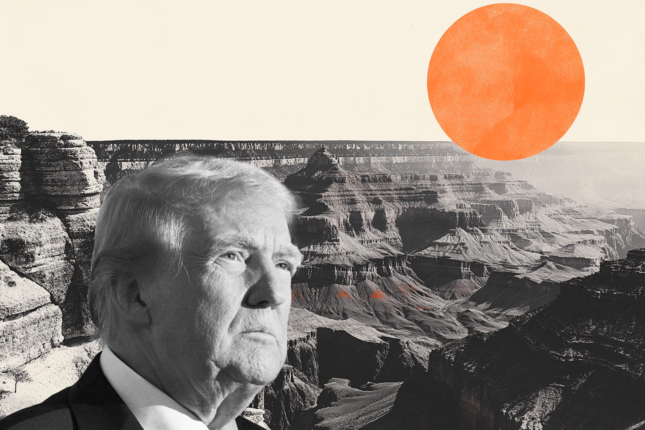
US President Donald Trump: We're going to tariff even harder
Following the US Supreme Court’s decision to declare US President Donald Trump’s “national security” tariffs unlawful, President Trump gave a press conference to deliver his reaction to the Supreme Court’s decision. 🔗 Source 💡 DMK Insight Trump’s tariffs being deemed unlawful could shake up market sentiment, especially in sectors reliant on imports. Traders should keep an eye on how this decision affects commodity prices and the broader stock market, particularly industries like steel and aluminum that were directly impacted by these tariffs. The ruling could lead to increased competition and lower prices, which might benefit consumers but squeeze margins for domestic producers. Watch for volatility in related stocks and commodities as market participants react to this news. On the flip side, while this ruling may seem like a win for free trade advocates, it could also provoke a backlash from those who supported the tariffs, leading to potential political ramifications. Keep an eye on upcoming economic indicators and trade policy discussions, as these could further influence market dynamics in the coming weeks. 📮 Takeaway Monitor commodity prices and related stocks for volatility as the market digests the implications of the Supreme Court’s ruling on tariffs.

AI agent OpenClaw confirms ban on Bitcoin, crypto discussions in Discord
OpenClaw creator Peter Steinberger confirmed that users can be removed for mentioning Bitcoin and crypto on Discord. 🔗 Source 💡 DMK Insight So, OpenClaw’s crackdown on crypto discussions is a big deal for traders: it signals a tightening grip on crypto communities. This move could stifle open dialogue about Bitcoin and altcoins, potentially impacting sentiment and trading strategies. If users feel they can’t freely discuss crypto, we might see a dip in engagement and interest, which could lead to lower trading volumes. Keep an eye on Discord’s broader community reactions; if this trend spreads, it could ripple through other platforms and affect market dynamics. Also, consider how this might influence institutional players who rely on community insights for trading decisions. Here’s the kicker: watch for any shifts in trading volumes or sentiment indicators in the coming weeks. If traders start feeling restricted, it could lead to increased volatility as they seek alternative platforms for discussion. 📮 Takeaway Monitor Discord’s crypto discussions closely; a shift in sentiment could impact trading volumes and volatility in the coming weeks.
“ECB President Lagarde’s Exit: Impact on European Crypto Regulation and Market Trends”
📰 DMK AI Summary European Central Bank (ECB) president Christine Lagarde is set to step down before the French presidential election next year. Lagarde, known for her cautious stance on cryptocurrencies, oversaw the introduction of the Markets in Crypto Assets (MiCA) legislation and the initiation of the digital euro project in the Eurozone. As speculations arise about her successor, including frontrunners Pablo Hernández de Cos and Klaas Knot, questions linger on the future of crypto regulation in Europe. 💬 DMK Insight Lagarde’s departure poses a pivotal moment for crypto policy dynamics in Europe. While Lagarde maintained skepticism towards cryptocurrencies, her likely successors carry a similar cautious sentiment. The incoming ECB president will have significant influence over shaping regulations for the booming crypto sector within the European Union. Traders and investors should monitor these developments closely for potential impacts on market sentiment and compliance requirements. 📊 Market Content The ECB’s stance on crypto and the digital euro will be crucial in setting the tone for broader regulatory frameworks in the global financial ecosystem. As Europe navigates the intersection of traditional finance and digital assets, traders may observe shifts in market behavior and investment strategies influenced by evolving regulatory landscapes. Stay tuned for updates on how these policy decisions could shape the future of crypto markets in the Eurozone and beyond.

What’s next for crypto in Europe after Christine Lagarde steps down?
ECB president Christine Lagarde is a crypto skeptic, but her likely successors are no more enthusiastic about cryptocurrencies. 🔗 Source 💡 DMK Insight Lagarde’s skepticism towards crypto reflects broader institutional hesitance, and here’s why that matters for traders: With the European Central Bank’s leadership likely to remain unsupportive of cryptocurrencies, traders should brace for continued regulatory scrutiny that could impact market sentiment. This skepticism can lead to increased volatility, especially if major European financial institutions follow suit in their stance against crypto assets. If you’re holding positions in cryptocurrencies, keep an eye on the EUR/USD pair as shifts in monetary policy or sentiment from the ECB could lead to correlated moves in crypto markets. Moreover, the lack of enthusiasm from potential successors suggests that any bullish narratives around crypto adoption in Europe might be premature. Traders should monitor key technical levels in major cryptocurrencies; a break below recent support levels could trigger further sell-offs. Watch for any statements from the ECB in the coming weeks that could provide insight into future monetary policy, as these could directly influence crypto market dynamics. 📮 Takeaway Keep an eye on ECB statements and watch for key support levels in crypto; regulatory sentiment could trigger volatility.
US lawmakers critical of Trump tariffs, say it will derail economy
The tariffs are just taxes on American businesses and consumers, while providing no benefit to the economy, critics of Trump’s policies say. 🔗 Source 💡 DMK Insight Critics argue that tariffs imposed under Trump’s policies are essentially taxes that burden American businesses and consumers without delivering any economic benefits. This sentiment is crucial for traders to understand, especially as we navigate a market influenced by trade tensions and policy shifts. Tariffs can lead to increased costs for companies reliant on imported goods, which may squeeze profit margins and impact stock prices, particularly in sectors like manufacturing and retail. Moreover, if these tariffs persist or escalate, we could see a ripple effect across various asset classes, including commodities and currencies. For instance, a stronger dollar might emerge as traders seek safety amid trade uncertainties, impacting forex pairs like USD/EUR. On the flip side, sectors directly affected by tariffs may experience volatility, creating potential short-selling opportunities. Traders should monitor key economic indicators such as consumer spending and corporate earnings reports, which could reflect the real impact of these tariffs. Pay attention to any upcoming trade negotiations or policy announcements that could shift market sentiment significantly. 📮 Takeaway Watch for shifts in consumer spending and corporate earnings as indicators of the tariffs’ impact, particularly in manufacturing and retail sectors.
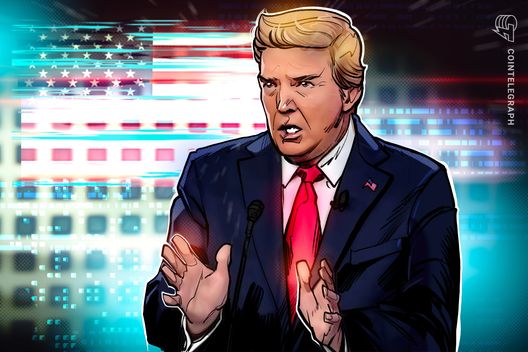
Trump raises global tariff rate to 15%, but crypto markets are unfazed
US President Donald Trump is now using alternative legal routes to levy tariffs, but critics say his authority to impose them is still limited. 🔗 Source 💡 DMK Insight Trump’s pivot to alternative legal routes for tariffs could shake up market sentiment, especially in sectors heavily reliant on imports. If traders are watching the trade landscape, they should note that any new tariffs could lead to increased costs for consumers and businesses alike, potentially impacting inflation rates and consumer spending. This is particularly relevant for commodities and stocks in manufacturing, retail, and technology sectors that depend on foreign supply chains. Critics argue that his authority is limited, which could lead to uncertainty and volatility in the markets. Keep an eye on how these developments affect the broader economic indicators like CPI and PPI, as they could signal shifts in monetary policy. On the flip side, if Trump’s measures are perceived as ineffective, it could lead to a rally in markets as fears of trade wars ease. Watch for key economic reports in the coming weeks that could provide insight into how these tariff strategies are impacting the economy and market sentiment. 📮 Takeaway Monitor upcoming economic reports for signs of inflation changes due to tariff impacts, especially in manufacturing and retail sectors.
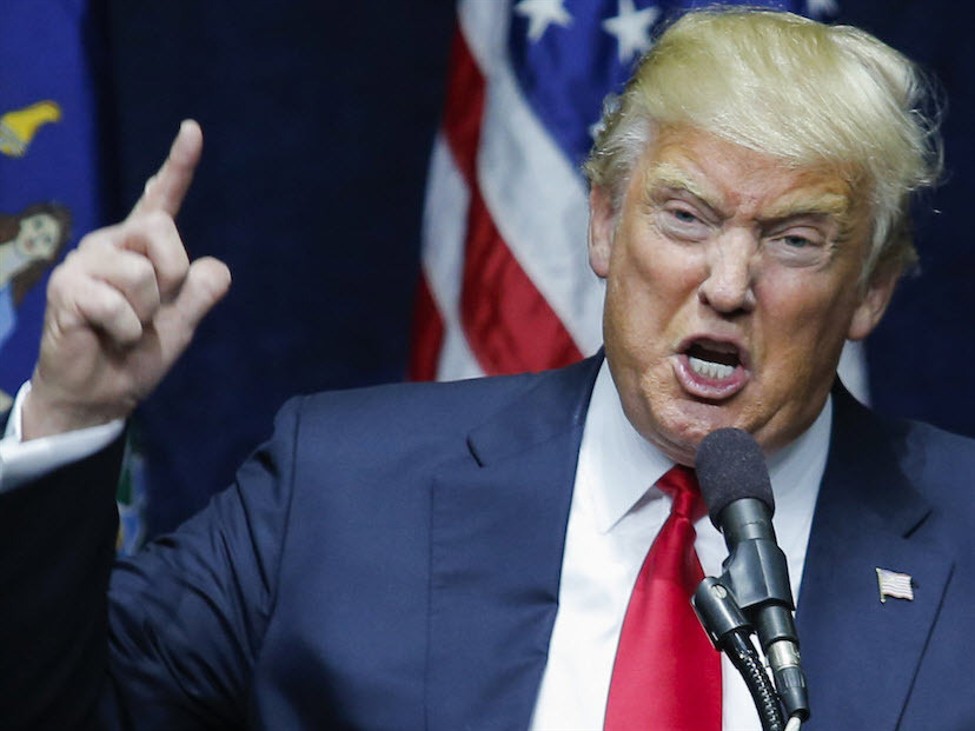
That didn't take long: Trump increases global tariff to 15% from 10%
Trump is raising the tariff he just announced yesterday from 10% to 15%.He announced on Truth Social:Based on a thorough, detailed, and complete review of the ridiculous, poorly written, and extraordinarily anti-American decision on Tariffs issued yesterday, after MANY months of contemplation, by the United States Supreme Court, please let this statement serve to represent that I, as President of the United States of America, will be, effective immediately, raising the 10% Worldwide Tariff on Countries, many of which have been “ripping” the U.S. off for decades, without retribution (until I came along!), to the fully allowed, and legally tested, 15% level. During the next short number of months, the Trump Administration will determine and issue the new and legally permissible Tariffs, which will continue our extraordinarily successful process of Making America Great Again – GREATER THAN EVER BEFORE!!! Thank you for your attention to this matter. President DONALD J. TRUMPNow this really looks like amateur hour as they had many months to study the possibility that tariffs would be blocked. This isn’t exactly 4D chess and makes a mockery of anyone trying to plan and do business.All that said, this basically takes the power of tariffs away from Trump, or at least the short-term whims that he likes to negotiate with. Now that it’s at 15%, he can’t get angry about a TV add or something a foreign politician says and hit them with tariffs.The Section 122 tariffs he’s using here also expire in 150 days.Also, in contrast to what he said, the executive order from yesterday said the tariffs weren’t in effect until Feb 24 so there is a short window here for importers. I think that’s going to somewhat skew imports for a few things, though it might not leave too big of a ripple in the aggregate data for February.That executive order also exempts USMCA (which was already largely, though not completely) tariff free. Here is the full text of the exemptions:(a) certain critical minerals;(b) metals used in currency and bullion;(c) energy and energy products;(d) natural resources and fertilizers that cannot be grown, mined, or otherwise produced in the United States or grown, mined, or otherwise produced in sufficient quantities to meet domestic demand;(e) certain agricultural products, including beef, tomatoes, and oranges;(f) pharmaceuticals and pharmaceutical ingredients;(g) certain electronics;(h) passenger vehicles, certain light trucks, certain medium- and heavy-duty vehicles, buses, and certain parts of passenger vehicles, light trucks, medium- and heavy-duty vehicles, and buses;(i) certain aerospace products;(j) information materials, donations, and accompanied baggage;(k) all articles and parts of articles currently or that later become subject to additional import restrictions imposed pursuant to section 232 of the Trade Expansion Act of 1962, as amended (19 U.S.C. 1862) (section 232);(l) articles that are entered free of duty as a good of Canada or Mexico under the terms of general note 11 to the Harmonized Tariff Schedule of the United States (HTSUS), including any treatment set forth in subchapter XXIII of chapter 98 and subchapter XXII of chapter 99 of the HTSUS, as related to the Agreement between the United States of America, United Mexican States, and Canada; and(m) textile and apparel articles that are entered free of duty as a good of Costa Rica, the Dominican Republic, El Salvador, Guatemala, Honduras, or Nicaragua under the Dominican Republic-Central America Free Trade Agreement. This article was written by Adam Button at investinglive.com. 🔗 Source 💡 DMK Insight Trump’s tariff hike from 10% to 15% is a game changer for traders, especially in commodities and forex. This sudden increase could lead to inflationary pressures, impacting consumer prices and potentially slowing down economic growth. For forex traders, the U.S. dollar might see volatility as markets react to the implications of higher tariffs on trade balances and economic forecasts. Keep an eye on the USD pairs, particularly against currencies like the Euro and Yen, as shifts in trade policy can lead to rapid price movements. Moreover, commodities like steel and aluminum could face price surges, affecting related sectors. If you’re trading these assets, watch for breakout levels that could signal a bullish trend. The real story here is the potential ripple effect on global markets; countries reliant on U.S. imports may retaliate, which could escalate tensions and lead to further market instability. Traders should monitor economic indicators closely, especially any shifts in consumer sentiment or manufacturing data in the coming weeks, as these will provide insight into how the market is digesting this news. 📮 Takeaway Watch for volatility in USD pairs and commodities as Trump’s tariff increase could trigger significant market reactions; monitor economic indicators closely for further insights.
Singapore: Inflation and manufacturing seen accelerating – DBS
DBS Group Research economist Chua Han Teng forecasts Singapore core and headline inflation rising to 1.5% year-on-year in January 2026 from 1.2% in December, helped by low base effects and stronger services prices. 🔗 Source
President Trump: I am allowed to cut off all trade with a country
United States (US) President Donald Trump said on Friday he is deeply disappointed of certain members of the Supreme Court after it ruled that his sweeping tariffs are illegal. In a press conference in Washington DC, Trump has vowed to impose a 10% “global tariff” using an alternative law. 🔗 Source 💡 DMK Insight Trump’s vow for a 10% global tariff could shake markets—here’s why. The Supreme Court’s ruling against his tariffs signals a significant shift in trade policy, potentially leading to increased volatility in forex and commodity markets. Traders should watch how this impacts the USD, as tariffs often lead to currency fluctuations. If Trump follows through with the global tariff, expect reactions from major trading partners, which could escalate into broader trade tensions. This might not just affect the USD but also commodities like gold and oil, as tariffs can influence demand dynamics. On the flip side, while some traders might see this as a bearish signal for the USD, others could view it as a buying opportunity if they believe the market will stabilize after the initial shock. Watch for key levels in USD pairs, particularly against the EUR and JPY, as these could reveal sentiment shifts. Keep an eye on the next few weeks for any retaliatory measures from other nations, which could further complicate the trading environment. 📮 Takeaway Monitor USD pairs closely; a 10% global tariff could trigger significant volatility, especially against the EUR and JPY in the coming weeks.