
 Bitcoin
  Ethereum
  Tether
  BNB
BNB  XRP
XRP  USDC
USDC  Solana
  TRON
TRON  Lido Staked Ether
  Figure Heloc
Comments from a spokesman for Iran’s foreign ministry:US-Iran talks are over “for now” A reporter from State TV says unsure when talks might restartKeep an eye out for Iran headlines. Oil is current nearly flat, down 13 cents to $63.16. I’d estimate there’s at least at $3 gepolitical premium in oil at the moment.Here is a message from Iran’s foreign minister:Very serious talks mediating between Iran and the US in Muscat today. It was useful to clarify both Iranian and American thinking and identify areas for possible progress. We aim to reconvene in due course, with the results to be considered carefully in Tehran and Washington.So it looks like they’ve bought some time, at the very least.In a separate interview, he said they agreed to continue talks, but no decision yet on when/where. Oil is down 25-cents, which seems small on some de-escalation. I guess we will have to wait and see what Trump says.Update: The WSJ reports that Iran refuses to end nuclear enrichment in talks. This article was written by Adam Button at investinglive.com. 🔗 Source 💡 DMK Insight Iran’s halted talks with the US could shake oil markets, and here’s why: geopolitical tensions often spike prices. With oil currently at $63.16, the market’s already pricing in a $3 geopolitical premium. If tensions escalate or new sanctions are introduced, we could see a significant uptick in volatility. Traders should monitor not just oil prices but also related assets like energy stocks and ETFs, which often react to crude fluctuations. Keep an eye on the $60 support level; a breach could trigger further selling, while a rebound might signal a buying opportunity. The uncertainty around when talks might resume adds to the risk, making it crucial to stay updated on any news from Iran or the US. Look for potential price movements in the coming days as headlines emerge, especially if there’s a shift in sentiment regarding future negotiations. 📮 Takeaway Watch for oil to test the $60 support level; any geopolitical escalation could push prices higher, so stay alert for Iran-related news.
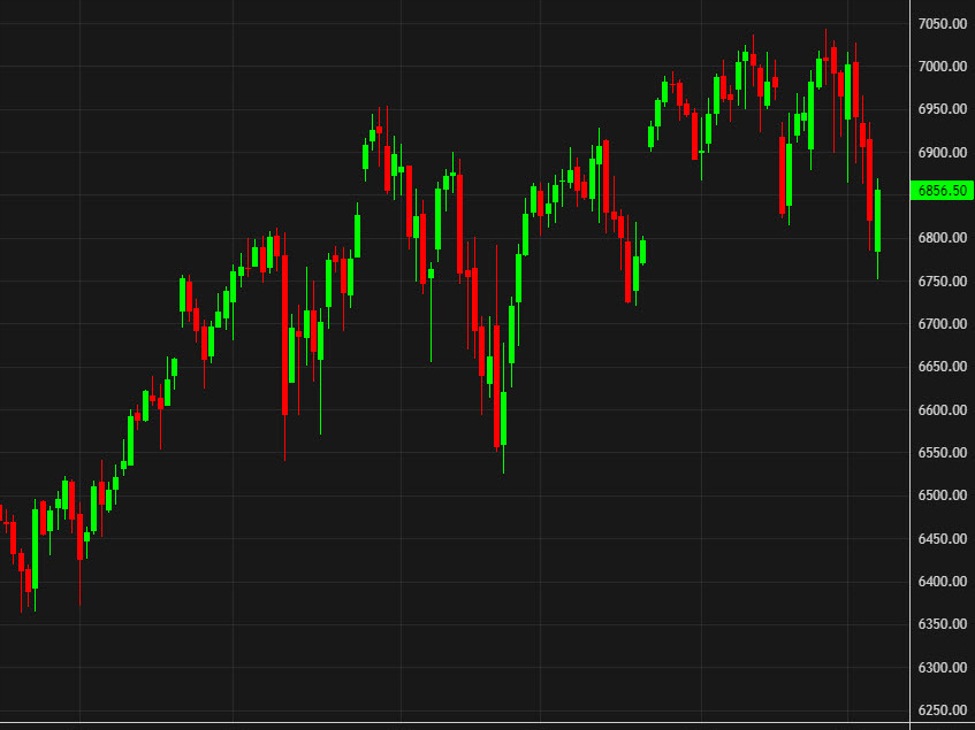
US stock futures higher despite the rout in Amazon. A look at the movers
The mood in markets is improving prior to the US open with S&P 500 futures up 0.5%. That’s a turnaround from earlier losses and may reflect a re-evaluation on the disruption to software and AI capex.Here are some pre-market movers:AMZN (-8.9%): Amazon shares tumbled after the company missed profit expectations and alarmed investors with a massive $200 billion capital expenditure forecast for 2026, driven by aggressive investment in AI infrastructure.AAPL flat following reports that it is scaling back its “Mulberry” initiative, an AI-based virtual health coach, in favor of rolling out individual wellness features within the Health app over time.HIMS (-6.7%): Hims & Hers Health saw a sharp decline after FDA Commissioner Marty Makary issued a stern warning that the agency will take swift action against companies mass-marketing “illegal copycat drugs.” Yesterday it spiked higher after saying it was offering Novo-Nordisk’s weight loss pill at a discount.STLA (-27%): Stellantis is set for its worst trading day ever after announcing a massive €22.2 billion charge to reset its business strategy amid a slower-than-expected transition to electric vehicles.MOH (-28%): Molina Healthcare shares cratered after the company issued a dismal 2026 profit outlook and announced it would exit the Medicare Advantage prescription drug market for 2027.RBLX (+7.8%): Roblox surged after reporting fourth-quarter results that topped estimates and providing a strong full-year bookings outlook that exceeded analyst expectations.RDDT (+6.4%): Reddit stock jumped significantly as the platform’s top and bottom-line results surpassed forecasts, bolstered by AI-enhanced advertising tools.COTY (-12.7%): Coty shares dropped double digits after the company missed earnings estimates, withdrew its 2026 guidance, and warned of a challenging beauty market backdrop.Other Mag7 names are also on the comeback trail:NVDA +3.1%TSLA +1.2%MSFT +1.8%GOOG -0.6%META -0.3%Another one I noticed is Blue Owl, which is a private equity firm that’s been painting as being heavily exposed to software.The CEO was on CNBC today downplaying the exposure and duration of the loans, noting that they were largely for 3-year terms. He also said that loans were against 30% of the value of the companies so there’s a margin of safety. Shares are up 6.6% and the whole private equity space has been under pressure on worries about software loans, so that could get a relief. This article was written by Adam Button at investinglive.com. 🔗 Source 💡 DMK Insight S&P 500 futures are up 0.5%, signaling a potential market rebound, but Amazon’s 8.9% drop raises concerns about tech earnings. The shift in sentiment could indicate traders are reassessing the impact of recent disruptions in software and AI capital expenditures. This is crucial as tech stocks have been a major driver of market performance. Amazon’s significant miss on profit expectations might be a red flag for the sector, suggesting that other tech giants could face similar pressures. If this trend continues, it could lead to increased volatility in tech stocks and related markets. Traders should keep an eye on the S&P 500’s resistance levels around recent highs, as a sustained rally could signal broader market confidence. Conversely, if tech earnings continue to disappoint, we might see a pullback that could affect the overall market sentiment. Watch for key earnings reports this week, as they could either reinforce or undermine the current bullish sentiment. 📮 Takeaway Monitor S&P 500 resistance levels closely; a sustained rally could signal confidence, but tech earnings risks remain high, especially with Amazon’s recent miss.
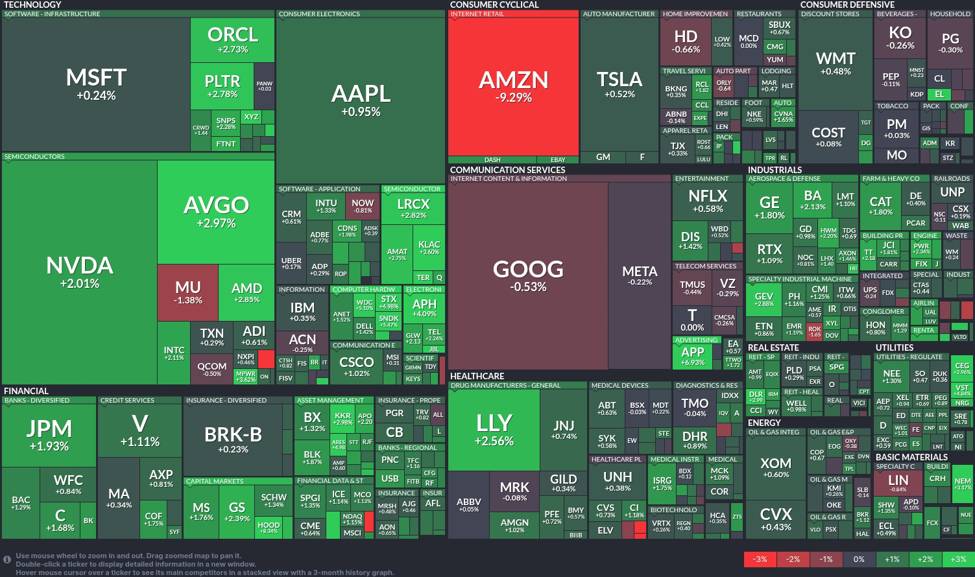
Tech sector surges: Semiconductor stocks lead the rally while Amazon slides
As we track today’s market movements from investinglive.com, it’s clear the tech sector is experiencing a remarkable day led by notable gains in the semiconductor industry, contrasting with a notable dip in Amazon’s performance. Let’s dive into the dynamics driving these shifts.🌟 Sector OverviewThe technology sector stands out, particularly the semiconductor industry, showcasing significant gains. Broadcom (AVGO) is up 2.97%, while Nvidia (NVDA) and Advanced Micro Devices (AMD) have increased by 2.01% and 2.85% respectively. These movements suggest a strong bullish sentiment in the semiconductor space, buoyed perhaps by optimistic forecasts or recent innovation.Conversely, the consumer cyclical sector faces challenges. Amazon (AMZN) has plunged by 9.29%, marking a stark contrast with the green waves elsewhere on the heatmap. This drop could signal concerns over consumer spending or fierce competition in the retail market.The financial sector is enjoying mixed fortunes, with JPMorgan Chase (JPM) posting a 1.93% gain, while Visa (V) outperforms with an impressive 1.11% ascent, indicating strong investor confidence in credit services.📊 Market Mood and TrendsToday’s market sentiment is largely characterized by optimism within tech, especially semiconductors, which might be driven by unfolding tech developments or market speculation on future growth prospects. The downward trend in Amazon, however, highlights varying investor outlooks within consumer retail spaces.While the utilities and healthcare sectors show steady, modest growth, it’s the movement in tech and finance that currently dominates investor attention.💡 Strategic RecommendationsInvestors should consider capitalizing on the momentum within the semiconductor space, albeit with caution given its inherent volatility. Stocks like NVDA and AVGO could present promising opportunities for growth-oriented portfolios.Meanwhile, the dip in Amazon’s value might represent an attractive entry point for those betting on a recovery in consumer dynamics post-holiday season disruptions.We also suggest a focus on diversification, with consideration of financial sector stocks such as Visa, which appear robust amidst current market pressures.Stay informed with real-time updates at InvestingLive.com to adeptly navigate these market waves and make well-timed portfolio adjustments. 💼📈 This article was written by Itai Levitan at investinglive.com. 🔗 Source 💡 DMK Insight Tech stocks are on fire today, especially semiconductors, while Amazon’s struggling. This divergence highlights a critical moment for traders. The semiconductor sector often leads tech rallies, and today’s gains could signal a broader bullish trend. If you’re in this space, keep an eye on key resistance levels; a breakout could set the stage for further upside. On the flip side, Amazon’s dip raises questions about consumer spending and could impact related sectors. If Amazon continues to falter, it might drag down the broader tech market, especially if retail sales data comes in weak. Watch for earnings reports and economic indicators that could shift sentiment. The next few days will be crucial for determining whether this tech rally has legs or if it’s just a short-term blip. 📮 Takeaway Monitor semiconductor resistance levels closely; a breakout could signal a sustained tech rally, while Amazon’s performance may indicate broader market risks.

UMich February consumer sentiment 57.3 vs 55.0 expected
Prior was 56.4Conditions 58.3 vs 54.9 expectedExpectations 56.6 vs 56.7 expectedInflation numbers1-year inflation 3.5% vs 4.0% prior5 year inflation 3.4% vs 3.3% priorI don’t know if this survey tells us anything about consumer spending anymore. It’s got a long tradition but everything’s been so deeply politicized that people just want an outlet to gripe.In November 2025, consumer sentiment registered 51.0, the second-lowest reading on record, as consumers grappled with high prices and weakening labor conditions. December saw a modest improvement to 52.9, marking the first increase in five months, though sentiment remained nearly 30 percent below year-ago levels. January 2026 brought further gains as the final reading reached 56.4, up from a preliminary 54.0 and the highest level since August 2025. The improvement was broad-based across income levels, education, age groups, and political affiliations. Year-ahead inflation expectations fell to 4.0 percent in January, the lowest since January 2025, while long-run expectations edged up to 3.3%.The University of Michigan Consumer Sentiment Survey, conducted monthly by the university’s Surveys of Consumers program, measures American households’ attitudes toward the economy, personal finances, business conditions, and purchasing decisions. Published twice monthly—a preliminary reading released mid-month and a final reading at month’s end—the survey polls a minimum of 500 consumers nationwide via telephone and web interviews. The headline Consumer Sentiment Index consists of two subindexes: the Current Economic Conditions Index, which reflects views of present financial situations, and the Index of Consumer Expectations, which gauges future outlook. The survey also tracks inflation expectations for both the year ahead and the longer-term five-year horizon, providing insights into consumer price expectations that the Federal Reserve monitors closely when setting monetary policy. This article was written by Adam Button at investinglive.com. 🔗 Source 💡 DMK Insight Inflation expectations are shifting, and here’s why that matters for traders right now: The latest inflation numbers show a 1-year inflation rate at 3.5%, down from 4.0%, which could influence the Fed’s next moves. With expectations for inflation slightly lower than previous forecasts, traders might want to reassess their positions in interest rate-sensitive assets. If inflation continues to decline, we could see a more dovish stance from the Fed, impacting everything from equities to forex pairs. The market’s reaction to these figures will be crucial, especially as we approach key economic indicators in the coming weeks. But here’s the flip side: the politicization of consumer sentiment surveys raises questions about their reliability. If traders start doubting the validity of these reports, it could lead to increased volatility as market participants react to perceived uncertainty. Watch for any significant shifts in consumer spending patterns, as they could provide clearer signals about the economy’s health. Keep an eye on the 58.3 level for inflation expectations; a break above could signal renewed pressure on the Fed to act. 📮 Takeaway Monitor the 58.3 level for inflation expectations; a breakout could signal a shift in Fed policy and impact interest-sensitive assets.

Bitcoin jumps 15% from the low as $60,000 holds
You can always count on the big, round numbers.We’ve seen it before in bitcoin where it’s all about the numbers with lots of zeros behind them. That was the case again today as bitcoin reached a low of $60,017 before embarking on an impressive rebound to $69,000, or 15%.The round numbers seem to work particularly well in bitcoin as there are few fundamentals to trade on. So instead, buyers look to hold levels and obvious numbers.For those who caught the bottom, it has been a nice return in less than a day but in perspective, bitcoin is down badly over the past four months.The good news is that the rally in bitcoin is coming with a bounce in stock markets. The bad news is that the Nasdaq is underperforming the bounce as it rises 0.7% compared to the 1% gain in the S&P 500 and 2.5% gain in the Russell 2000.Several of the Mag7 names continue to struggle including:AMZN -7.9%GOOG -3.0%META -2.4%All are among the worst performers in the major indexes today. On the flip side, Nvidia has surged 6.3% after days of selling. I’d argue that in 2024 and early 2025, its performance was most-closely correlated with bitcoin and crypto in general. That correlation broke more recently but it’s not completely disconnected.As for crypto, there are the usual rumors of liquidation and that’s likely to have been the case given the magnitude of the moves and the leverage often employed. To retrace yesterday’s move, it would need to get back above $73K and that’s a tall order. However if the bulls can muster it, that would be a very impressive reversal.We will watch closely into Friday’s finish and through the weekend. This article was written by Adam Button at investinglive.com. 🔗 Source 💡 DMK Insight Bitcoin’s bounce from $60,017 to $69,000 is a classic case of round number psychology at play. Traders often see these psychological levels as support or resistance, and the recent 15% rebound suggests strong buying interest around the $60,000 mark. This isn’t just a random spike; it reflects a broader trend where traders are increasingly drawn to these key levels. If Bitcoin can hold above $68,000, it might signal further bullish momentum, potentially targeting the next psychological barrier at $70,000. However, if it fails to maintain this level, we could see a pullback, so keep an eye on volume and market sentiment. On the flip side, while the rebound is impressive, it’s worth questioning whether this rally is sustainable. Traders should monitor for signs of exhaustion or increased volatility, especially with macroeconomic factors like interest rates and inflation still in play. Watch for any significant news that could impact market sentiment, as that could lead to rapid shifts in price action. 📮 Takeaway Watch for Bitcoin to hold above $68,000 for bullish momentum; failure to do so could trigger a pullback.
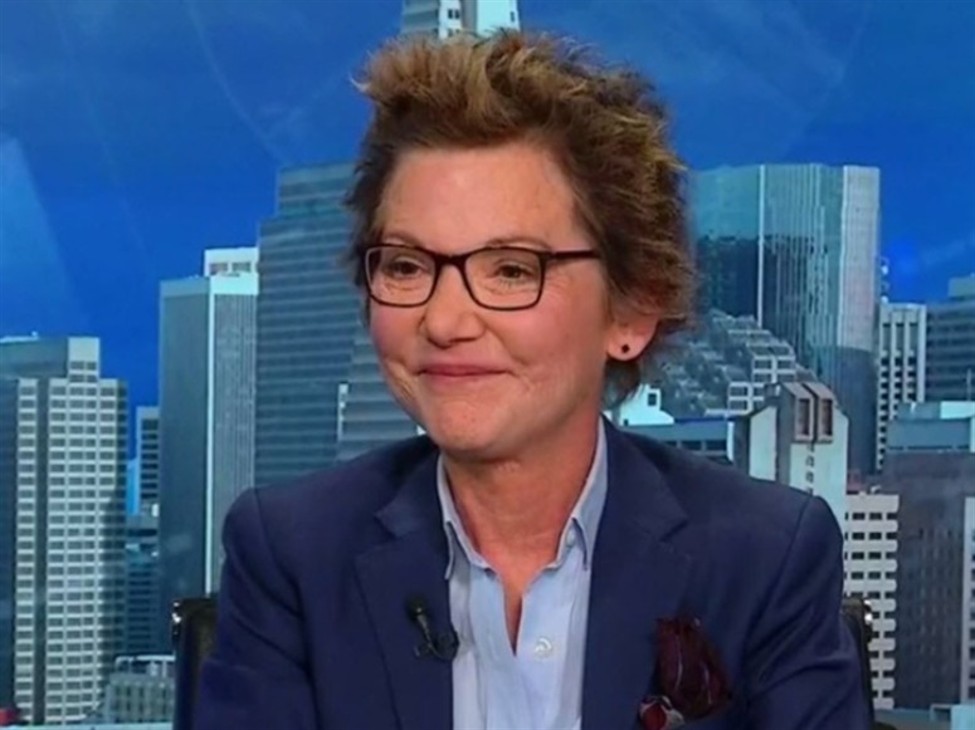
Fed's Daly: Must watch both sides of mandate, situation feels precarious
Low-hiring, low firing environment may persist or may quickly change to a no-hiring, more-firing labor marketBusinesses are cautiously optimistic, workers are not so sure.The signal here — I think — is that the Fed could pivot quickly.The comments are from a short LinkedIn post. Here’s the full text:Is the economic outlook good or bad?If you talk to businesses, they’re cautiously optimistic. Growth is good, consumer spending remains solid, jobs are easy to fill, and productivity gains are helping control costs.Talking to workers, they’re not so sure. You can see this in the latest sentiment surveys, which show that Americans are expecting fewer jobs to be available and the unemployment rate to rise.In many ways, this disconnect makes sense. We’ve been in a relatively low-hiring, low-firing environment for some time. That may persist, but workers are aware that things could change quickly, leaving them in a no-hiring, more-firing labor market. With inflation printing above the FOMC’s 2 percent goal, this rightly feels precarious.What does this mean for policy? We must watch both sides of our mandate. Americans deserve both price stability and full employment, and we can’t take either for granted. This article was written by Adam Button at investinglive.com. 🔗 Source 💡 DMK Insight The current labor market’s cautious optimism from businesses contrasts sharply with worker sentiment, hinting at potential volatility ahead. If the Fed perceives a shift towards a no-hiring, more-firing environment, we could see rapid changes in monetary policy, which would directly impact market liquidity and risk appetite. Traders should keep an eye on economic indicators like unemployment rates and job creation numbers, as these will signal whether the Fed might pivot on interest rates. A sudden uptick in layoffs could trigger a sell-off in equities and risk assets, while a stable job market might support bullish sentiment. Here’s the thing: mainstream coverage often overlooks how quickly sentiment can shift in labor markets. If businesses start cutting jobs, it could lead to a cascading effect across sectors, particularly in consumer discretionary stocks. Watch for key employment reports in the coming weeks; they could be the catalyst for market movements. If the Fed pivots, it could create opportunities in both equities and bonds, depending on how they react to the changing economic landscape. 📮 Takeaway Monitor upcoming employment reports closely; a shift in labor market dynamics could trigger significant market reactions, especially in equities and bonds.

Fed's Jefferson says jobs market is stabilizing and inflation should moderate
The Fed’s Jefferson is cautiously optimistic about the economy but isn’t tipping anything in terms of rate cuts or hikes.U.S. central bank’s current monetary policy ‘well positioned’ to deal with what likely lies ahead.Future moves to be driven by data and views on outlook.Stance allows ‘leeway’ for supply side of economy to develop.Jefferson says he is ‘cautiously optimistic’ about economic outlook.Job market stabilizing, inflation should moderate.Strong commitment to price stability reduces inflation risks.Tariffs likely represent a one-time shift in price level.It’s possible that stronger productivity could temper inflation pressures.Tariffs were key driver of inflation in 2025, price pressures should ease in 2026.Personal Consumption Expenditures price index likely up by 2.9% in December on year-over-year basis.Jefferson says he supported last year’s interest rate cuts, policy roughly in neutral stance.Jefferson says while upside risks remain, he expects inflation pressures to ease.Job market likely in balance with low-hire, low-fire environment.Jefferson says he expects economy to grow by 2.2% this year.Job market softer on reduced demand, immigration issues.The market is pricing in a 20% chance of a Fed cut in March but that will swing based on Wednesday’s non-farm payrolls report.From the Q&A:I do not want to see any further weakening in the labor marketOnce the market impact of tariffs on goods works through, inflation should subside This article was written by Adam Button at investinglive.com. 🔗 Source 💡 DMK Insight The Fed’s cautious optimism signals a wait-and-see approach, and here’s why that matters for traders: With no clear direction on rate cuts or hikes, traders should brace for volatility in both equities and forex markets. The Fed’s current stance means that future decisions will hinge on incoming economic data, which could lead to sharp market reactions. For forex traders, this could mean heightened activity around major pairs like EUR/USD and USD/JPY, especially if economic indicators deviate from expectations. Keep an eye on key reports like non-farm payrolls and CPI, as they could shift sentiment quickly. On the flip side, while the Fed’s leeway suggests stability, it also raises the risk of market overreactions to minor data changes. If traders misinterpret the Fed’s signals, we could see erratic price movements. Watch for technical levels around recent highs and lows in the S&P 500 and major currency pairs, as these could serve as pivotal points for breakout or reversal strategies. The next few weeks will be crucial, so stay alert for data releases that could sway the Fed’s outlook. 📮 Takeaway Monitor upcoming economic data releases closely, as they could trigger significant volatility in forex and equity markets, particularly around key levels.

Jensen Huang: This is a once-in-a-generation infrastructure build out
Nvidia CEO Jensen Huang is on CNBC:The hyperscalers are so constrained by chipsAll of these companies cash flows are going to start risingWe are addressing the largest opportunity in historyNobody uses AI better than META and they see a much large future potential for itEvery company is seeing the same inflection pointTokens because profitable last yearSays he has no problems with OpenAIBrad Gerstner says xAI and OpenAI will be public in the next 12-18 months.In the part where he said there were no problems with OpenAI, he looked a bit uncomfortable. That said, he makes a lot of great points about the spending and the returns. Time will tell and Jensen is something of a perma-bull but he’s always been right.The IPOs of xAI and OpenAI are going to be huge events but my guess is that will be the top of something because it’s going to be very hard to justify any of the valuations and many of the insiders are going to want to unload shares. That’s going to be something like $2 trillion that retail and institutional money is going to need to sop up — no small task.From the looks of things, Jensen’s comments are working and shares of Nvidia and the broader market are going up meaningfully. The Nasdaq is up nearly 2% and the S&P 500 up 1.7% with the Russell 2000 up more than 3%.The animal spirits aren’t dead. This article was written by Adam Button at investinglive.com. 🔗 Source 💡 DMK Insight Nvidia’s CEO just highlighted a chip supply crunch, and here’s why that matters: hyperscalers are struggling, which could impact tech stocks and AI investments. With cash flows expected to rise, traders should keep an eye on Nvidia’s performance as it addresses this ‘largest opportunity in history.’ If META is leading in AI usage, it could signal a shift in market dynamics, making tech stocks with strong AI capabilities more attractive. Watch for Nvidia’s price action around key support levels; a break below those could trigger selling pressure. Conversely, if they can capitalize on this opportunity, expect upward momentum. But don’t overlook the potential ripple effects. If hyperscalers can’t get the chips they need, it could slow down AI advancements across the board, affecting not just Nvidia but also related sectors like cloud computing and data centers. Keep an eye on earnings reports from these companies in the coming weeks for more insights. 📮 Takeaway Monitor Nvidia’s price action closely; a break below key support could signal trouble, while strong earnings could boost tech stocks across the board.
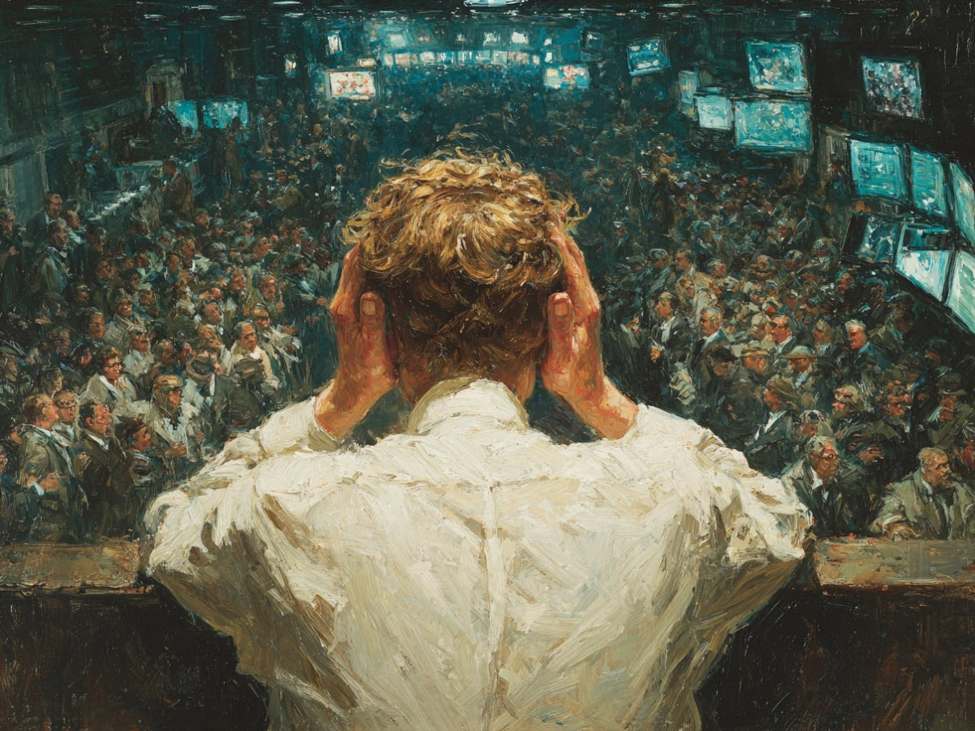
During times of stress, people desperately search for validation
There’s a moment in every drawdown, every flash crash, every this time is different panic where something shifts inside you. It’s not just fear — it’s the desperate need for someone, anyone, to tell you what’s going to happen next. Every trader wants certainty in a world that just reminded you it offers none.I’ve watched this pattern play out across decades of markets and it never changes. When the VIX spikes, when carry trades unwind, when central banks surprise (and this week when software stocks, silver and bitcoin plunge) — the first thing traders do isn’t analyze. It’s search. They scroll Twitter. They refresh their favorite commentary sites — including investingLive. They look for the person who sounds the most confident and they grab onto that voice like a lifeline.It’s natural and it’s one of the most dangerous things you can do with your money.The Confidence TrapIn calm markets, you barely notice the commentators. You have your own thesis, your own positioning, your own process. You might read someone’s analysis and think, hm, interesting point, and move on. But when your P&L is deep red and the headlines are screaming, suddenly the person with the firmest voice becomes magnetic like a life raft.It’s hardwired. Psychologists have long documented that uncertainty triggers a deep need for something called cognitive closure — the brain wants the open loop closed. In markets, that manifests as a desperate search for someone who seems to know the answer. And the cruelest irony is that the people who sound most certain during a crisis are almost always the least reliable. Certainty is easy to project when you have no skin in the game or when your business model rewards boldness over accuracy.Think about who rises to prominence in a crash. It’s rarely the measured analyst saying well, it depends on a number of factors. It’s the person pounding the table. This is the bottom. Buy everything. Or: This is 2008 all over again. Get out now. Extreme conviction finds a ready audience in extreme fear.You Can’t Borrow ConvictionHere’s the core problem: even if the confident voice turns out to be right, you still lose. Because you can’t borrow conviction.“The stock market demands conviction as surely as it victimizes the unconvinced. – Peter LynchThis is the part that newer traders miss entirely. Suppose you’re panicking during a sell-off and you find a commentator who’s screaming buy. You buy. The market drops another 3%. What do you do? You don’t have the analytical foundation beneath the trade. You don’t understand the thesis at a cellular level. So you sell at the worst possible time — right before the bounce — because the conviction you were borrowing wasn’t yours to spend.I’ve seen this happen thousands of times. A trader follows someone into a position and then bails out at the exact moment they needed to hold, because they never truly understood why they were in the trade. The guru holds because they did the work. The follower folds because they didn’t.Recognizing the Pattern in YourselfThe first step is awareness, and it’s simpler than you think. Ask yourself this question the next time you feel compelled by someone’s market take: Am I reading this to learn, or am I reading this to feel better?There’s a world of difference between those two motivations. Learning is when you encounter an argument that makes you reconsider your assumptions or fills a gap in your understanding. Seeking validation is when you keep scrolling past the analyses that disagree with you and stop on the one that tells you what you want to hear. If you find yourself clicking on seven different commentators until you find one who agrees with your existing position — or one who sounds confident enough to replace your missing confidence — that’s validation-seeking. And it’s a red flag.Another signal: notice when you’re consuming more commentary than usual. In normal markets, maybe you check two or three sources in the morning and you’re done. During stress, you might find yourself checking twenty. That increase in consumption isn’t giving you twenty times more information. It’s anxiety dressed up as research.The Pitfalls Run DeepThe damage from borrowed conviction goes beyond individual trades. It corrupts your entire development as a trader.First, it destroys your feedback loop. If you’re making decisions based on other people’s calls, you never learn whether your own process works. You can’t improve a system you’re not running. Every time you outsource a decision to someone else’s confidence, you’re stealing from your future self — the version of you who might have developed genuine market intuition through the painful but necessary work of being wrong on your own terms.Second, it creates a dependency. Once you find a voice that was right during one crisis, you’ll return to them during the next one. But markets don’t repeat in neat patterns, and the person who nailed the COVID bottom might completely misread the next dislocation. As the old trader’s adage goes: the market is designed to humiliate the largest number of people possible. That includes the gurus.Third, and this is subtle — it allows you to avoid responsibility. If someone else made the call and it went wrong, that’s their fault, not yours. This feels protective in the moment but it’s poison for growth. The best traders I know own every single decision, even the ones informed by others. How to Correct Your ThinkingStart by building your framework in calm markets, not stressed ones. You will never build a house during a hurricane, so stop trying to build a trading process during a panic. Do the work when the VIX is at 14 and your P&L is flat and everything feels boring. Write down your rules. Define what you believe about how markets function. Determine in advance what signals would make you change your mind.”The time to figure out what you believe is when there’s nothing at stake. The time to act on what you believe is when everything is.”When stress arrives
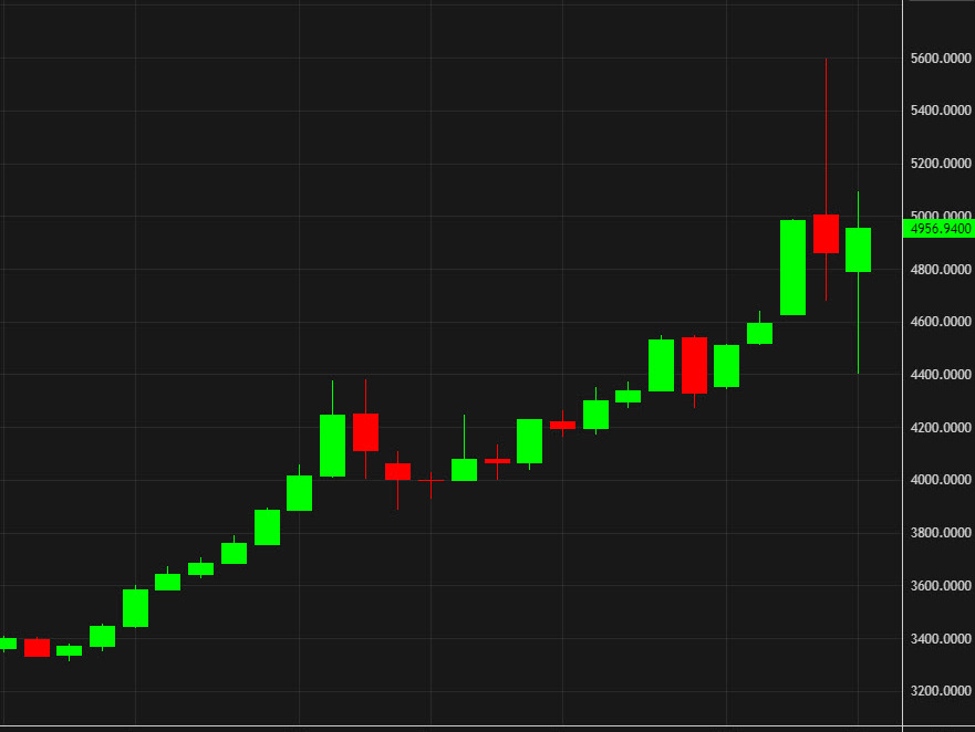
Zoom out and gold is flat over the past two weeks. What's the signal?
Two weeks ago the world was abuzz with precious metals bullish talk. Gold had rallied that week to $4982 from $4629 in the third straight week of gains. It was a near-euphoric time for the gold bulls, nearly hitting the once-dreamlike level of $5000.If you were to ask the bulls then, if they would be happy if in two weeks time gold would close essentially flat, they’d say yes. A consolidation after a long uptrend is good for the market and stability close to $5000 is a win for the bulls.Skip ahead two weeks and it doesn’t feel that way. Precious metals already feels like yesterday’s news, in large part because of the volatility. Gold shot to $5600 last week before reversing lower. This week it fell as low as $4400 before bouncing to $4951. That’s a nice bounce but it’s been caught up in so much volatility that gold suddenly feels much more dangerous that it did before.So what next?This week gold failed to hold above $5000 and that’s something of a disappointment, though certainly not in the context of bitcoin or silver. It’s still been relatively stable. But you can’t ignore the volatility. It’s not great and the sense of unease is real. In the week ahead, the best thing that could happen to go would be a drop in volatility, even if it means slightly lower prices. The huge +$150 daily swings are not conductive to accumulation and they are a turnoff for investors. Miners may also hedge more aggressively as everyone gets the sense that ‘something changed’ in markets.I think that’s a real factor and a real concern. Unfortunately, I don’t think the volatility will go away that quickly. It tends to cluster and persist for a time, before slowly settling. Eyes will be on Iran and Ukraine in the coming days for any impetus there and Wednesday we get the latest non-farm payrolls report. Somewhat encouragingly for the bulls, the US dollar slipped back lower today and that could be a catalyst as well.Notably, gold has survived a series of margin hikes and that does speak to some underlying buying. Ultimately, if it can consolidate in the $4500-$5000 range for a few weeks (or months), that’s a good sign.On the negatives, the period of positive gold seasonals is now at (or near) an end. This article was written by Adam Button at investinglive.com. 🔗 Source 💡 DMK Insight Gold’s recent rally to $4982 has traders on edge, but here’s why caution is key right now: After three weeks of gains, the market sentiment has shifted from euphoria to uncertainty. The psychological barrier of $5000 looms large, and while bulls are hopeful, the price action suggests potential profit-taking could be on the horizon. Traders should keep an eye on volume trends and resistance levels around $5000. If gold fails to break through this level decisively, we might see a pullback that could affect correlated assets like silver and mining stocks. Additionally, macroeconomic factors such as inflation data and interest rate decisions will play a crucial role in shaping gold’s trajectory in the coming weeks. Watch for any signs of weakness in the daily charts, as a close below $4900 could trigger a wave of selling pressure. The flip side? If gold breaks above $5000 with strong volume, it could ignite a new bullish trend, attracting both retail and institutional buyers. But until then, it’s wise to remain cautious and consider hedging strategies to protect against volatility. 📮 Takeaway Watch for gold’s reaction at the $5000 level; a failure to break could signal a pullback, while a strong breakout may lead to new highs.